
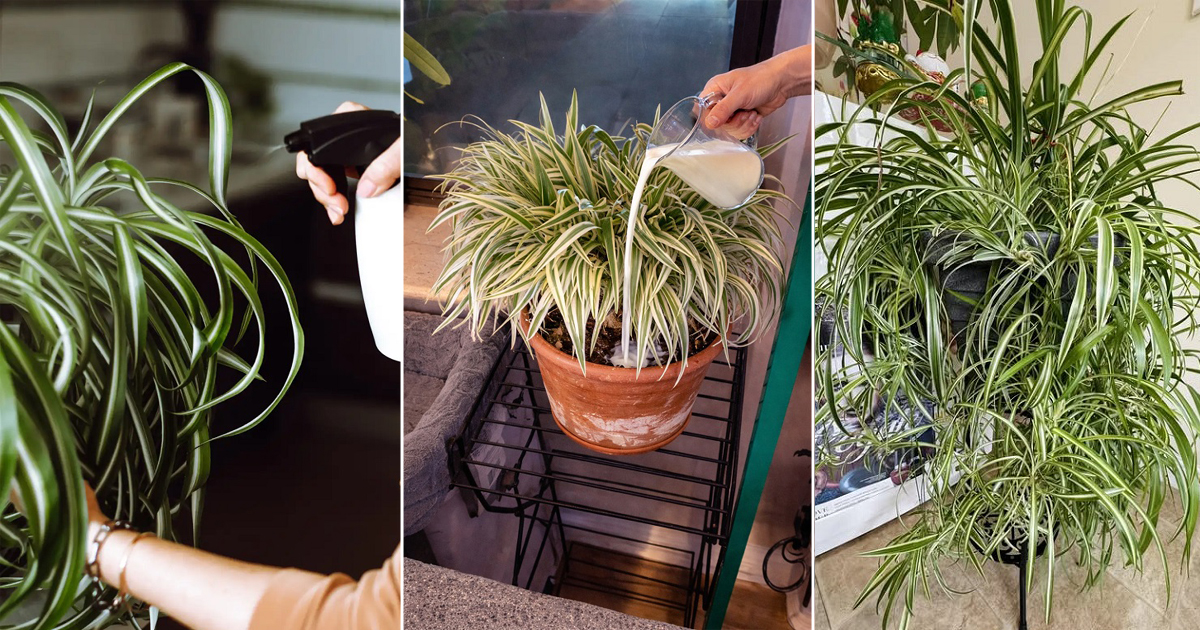
Curious about the benefits of using milk on spider plants? See how simple trick can boost leaf shine and keep your plant looking fresh.
Spider plants are easy to grow and care for, but they still need the right nutrients to stay healthy and green. Many gardeners look for simple and natural ways to support plant growth. One such method is using milk. Milk is not just for drinking. It can also help plants in small and useful ways when used correctly.
Why Use Milk for Spider Plant?
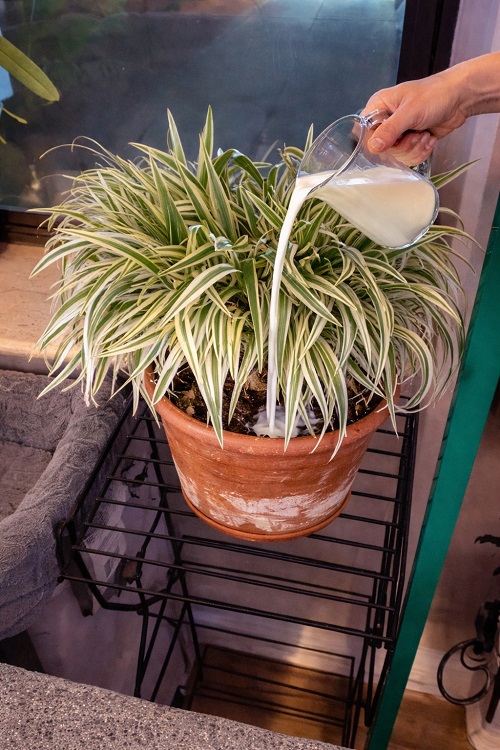
Using milk for spider plants can be a simple and natural way to support healthy growth. Milk contains calcium, protein, and small amounts of vitamins that can help strengthen plant cells and improve overall plant health.
It can also help clean the leaves. When diluted with water and gently wiped on the leaves, milk can remove dust and give them a slight shine. Some gardeners also use it as a mild way to discourage certain pests.
However, it should always be used in small amounts and diluted well. Too much milk can cause a bad smell or lead to unwanted buildup in the soil.
Benefits of Using Milk on Spider Plants
1. Provides Essential Nutrients
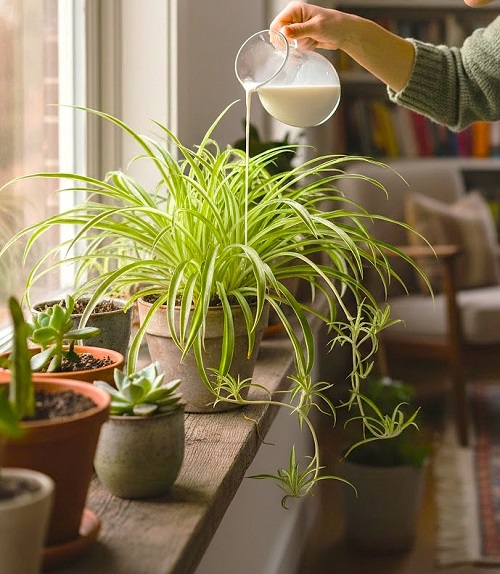
Milk contains nutrients like calcium, protein, and small amounts of vitamins. These nutrients can support plant growth over time. Calcium is especially important because it helps strengthen the plant’s structure. When you use diluted milk, it adds these nutrients to the soil. This helps the spider plant grow stronger leaves and healthier roots.
2. Helps Improve Leaf Health
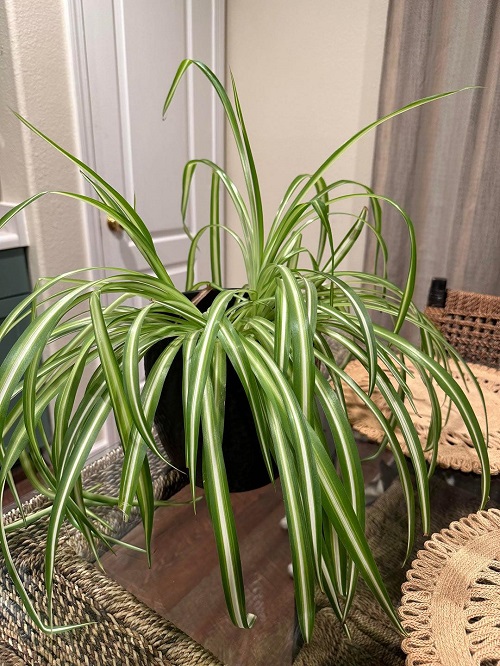
Spider plants are known for their long, striped leaves. Sometimes, the leaves can turn dull or weak due to lack of nutrients. Milk can help improve leaf condition when used in the right amount. It supports better cell growth in the plant. As a result, the leaves can look fresher, greener, and more vibrant.
3. Acts as a Mild Natural Fertilizer
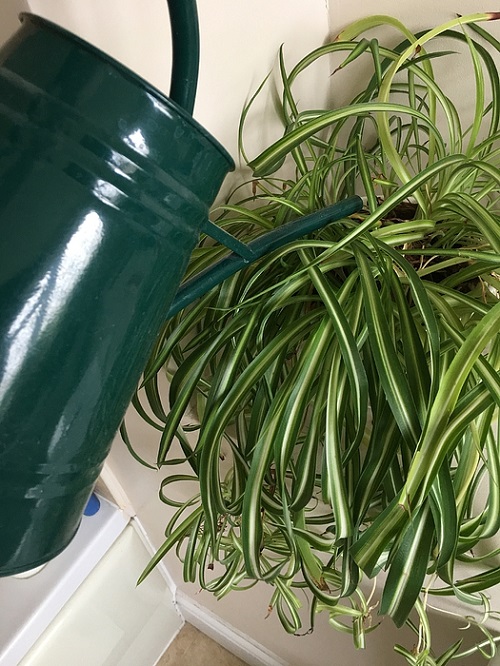
Milk works as a gentle and natural fertilizer. It is not as strong as chemical fertilizers, but it still offers support. This makes it a safer option for beginners. When diluted with water, milk feeds the plant slowly. It does not overload the soil. This steady feeding helps the spider plant grow at a healthy pace.
4. Supports Good Soil Condition

Healthy soil is important for any plant. Milk can help improve soil quality in small ways. It can support helpful microbes in the soil when used in moderation. These microbes help break down nutrients so the plant can absorb them better. This creates a more balanced and active growing environment for your spider plant.
5. May Help Prevent Some Plant Issues
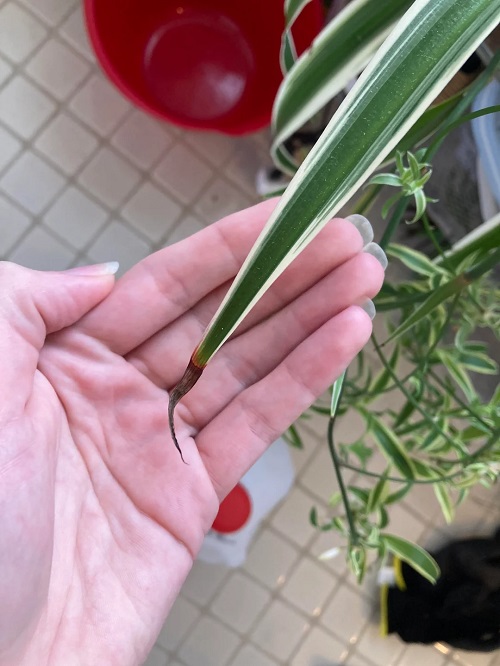
Milk is sometimes used as a simple home remedy for minor plant problems. It has mild properties that can help reduce certain fungal issues on leaves. While it is not a strong treatment, it can offer some protection. Using it occasionally can help keep the plant cleaner and healthier.
6. Easy and Affordable Solution
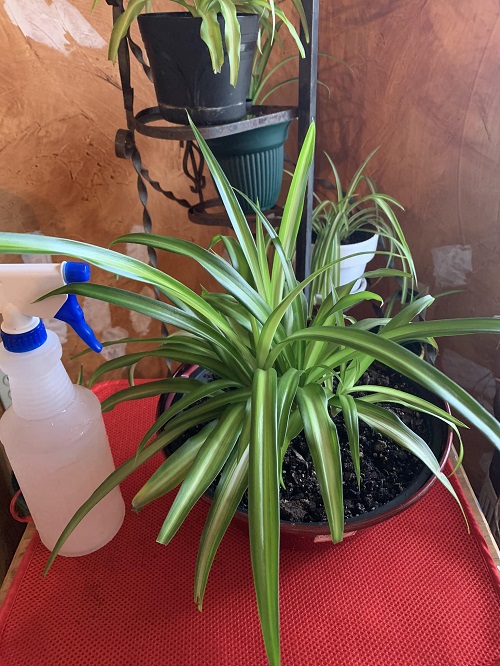
Milk is easy to find in most homes. You do not need to buy special products to use it on your spider plant. This makes it a cost-effective option. When mixed with water, a small amount goes a long way. It is simple to prepare and easy to apply, even for beginners.
7. How to Use Milk Safely

It is important to use milk in the right way. Always dilute it with water before applying. A common mix is one part milk and two parts water. Do not use it too often. Once every few weeks is enough. Too much milk can cause a bad smell or build-up in the soil. Proper use will give the best results.
When and How Often to Use Milk
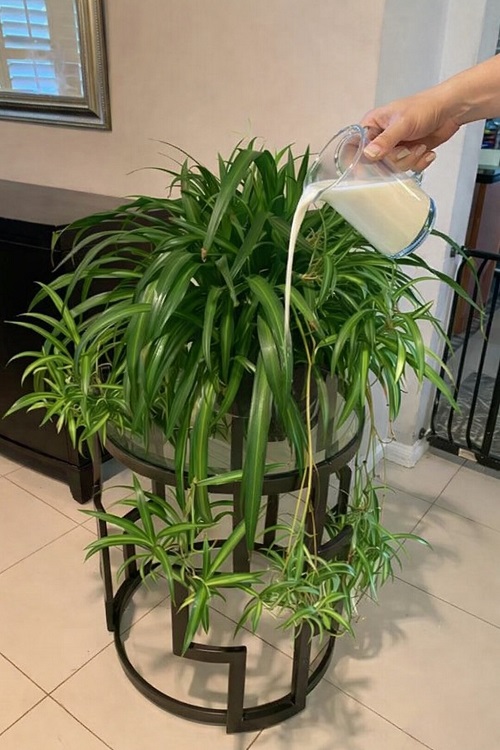
You can use milk on a spider plant about once every 2 to 4 weeks. This is enough to give the plant a gentle boost without causing buildup or smell.
Always dilute the milk with water. A simple mix of one part milk to two or three parts water works well. Use it in small amounts, either to wipe the leaves or lightly water the soil.
Do not use milk too often. Too much can make the soil sticky and attract pests. Keep it occasional and balanced for the best results.