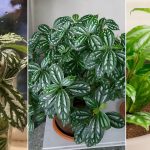

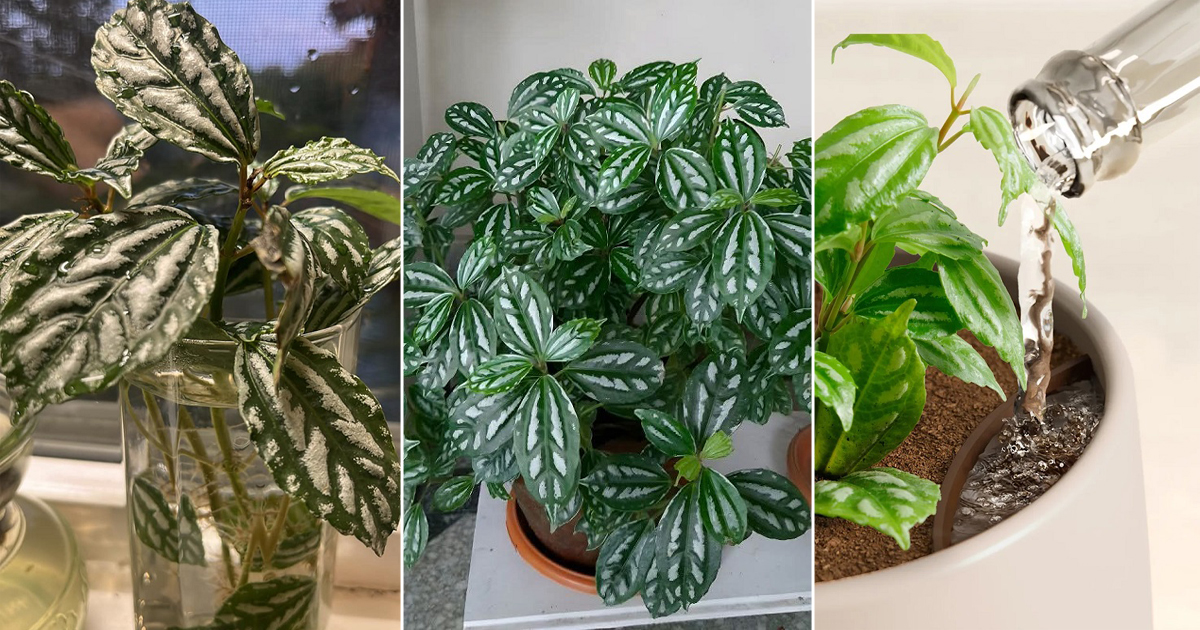
Struggling with dull leaves? Use Aluminum Plant Care Tips for Healthy Metallic Foliage to keep your plant bright, neat, and full of life.
The aluminum plant is a great low-maintenance houseplant that is easy to care for. Its real name is Pilea cadierei. To keep it happy, place it in a bright spot, water it evenly, and mist the leaves since it enjoys humidity. It also looks beautiful, with unique leaves that appear to have shiny, metallic patterns.
Aluminum Plant Care Tips for Healthy Metallic Foliage
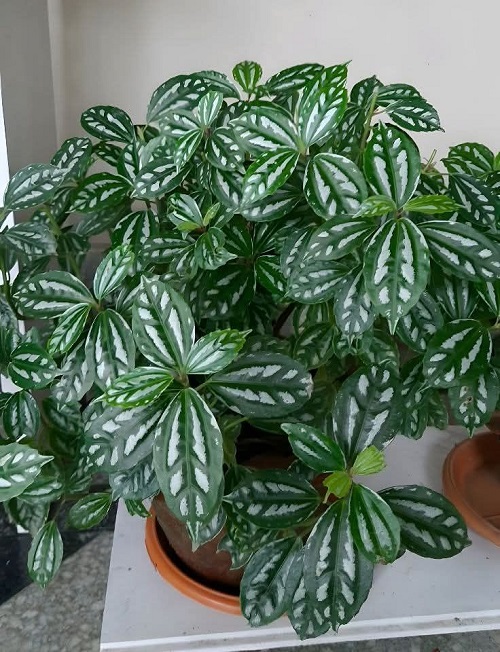
The aluminum plant is usually grown as a houseplant and is often bought when it is already young or mature. But if you want to grow it from seeds, start in spring.
If you have a mature plant or young seedlings, think about its natural habitat. The aluminum plant likes humid conditions. In the wild, it often grows along the ground or trails on bigger trees.
Propagating an Aluminum Plant
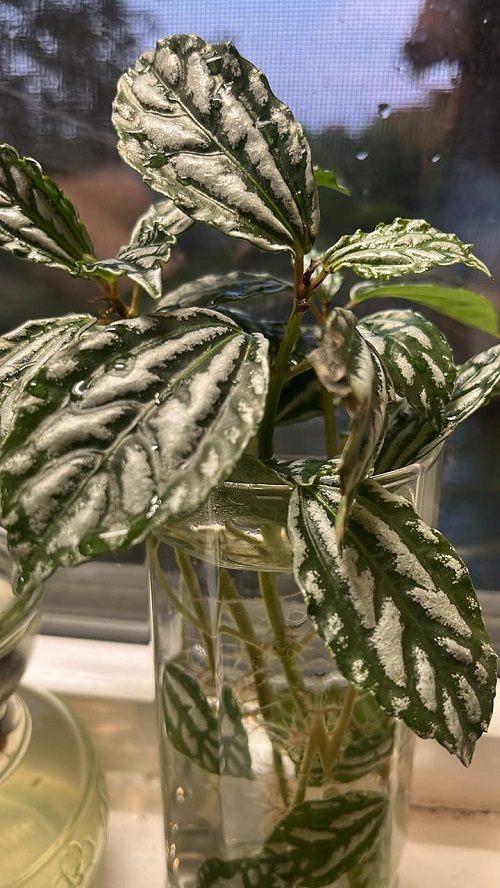
The easiest way to grow more aluminum plants is by using stem cuttings in water. You can do this anytime, but spring or summer is best because roots grow faster.
Use clean, sharp scissors to cut a few stems from the plant. Remove the lower leaves and place the stems in water. Once roots start to grow, move the cuttings into a pot with well-draining soil.
How to Grow and Care for an Aluminum Plant
Light
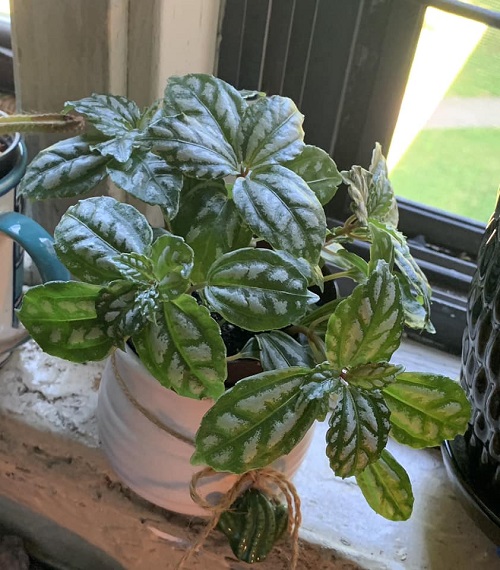
Aluminum plants grow best in bright, indirect light. They can handle a little direct sunlight, but too much can make the leaves fade and burn. If the plant doesn’t get enough light, its stems may grow long and weak.
About three hours of light each day is ideal. If your room is darker, try to give it around five hours of indirect sunlight.
Soil
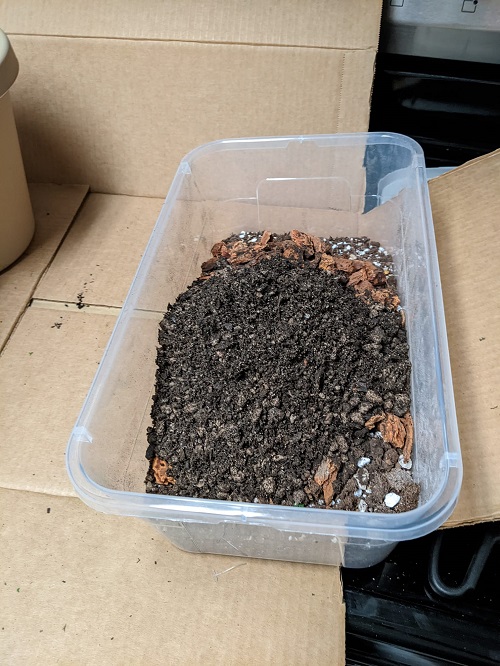
Use a soil mix made of one part sand and two parts soil or peat. This helps the plant grow well and stay healthy. Regular garden soil can be too heavy and may hold too much water.
Water
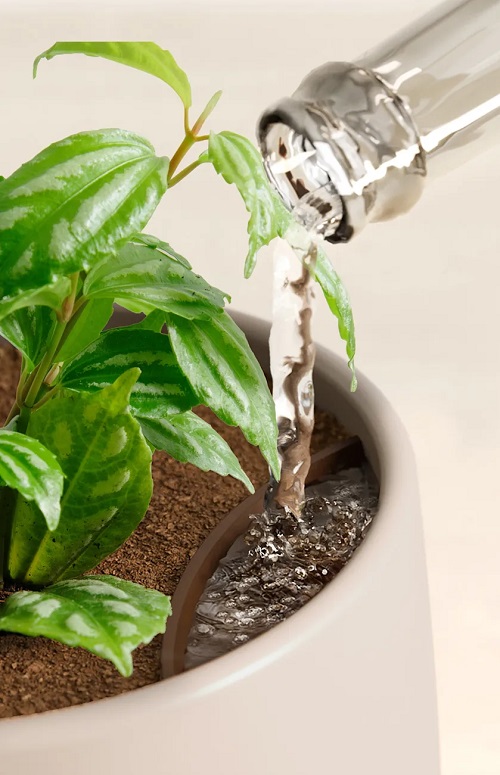
Watering depends on how moist the soil is and the time of year. In spring and summer, check the top layer of soil and keep it slightly moist. In fall and winter, the plant needs less water, so you can let the soil dry out a bit more. Just water evenly whenever the soil feels dry.
Temperature
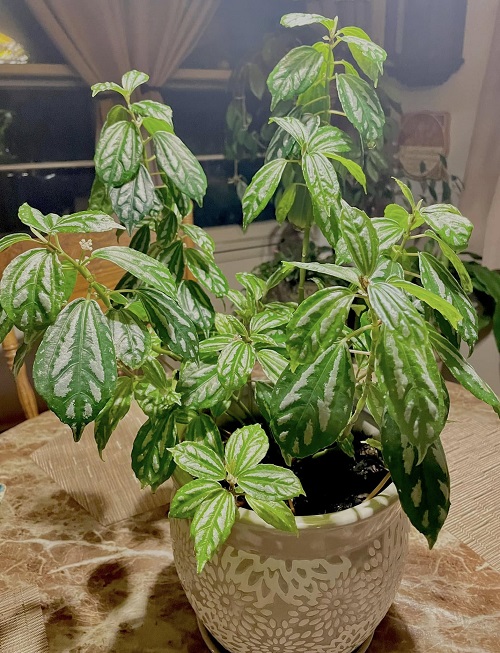
This plant grows best in warm and humid conditions, so try to create a similar environment at home. It likes temperatures between 60–75°F, but it can handle slightly cooler temperatures down to 55°F. Avoid letting it go below 50°F or above 80°F, as it is sensitive to extreme temperatures. To keep humidity high, mist the leaves regularly or use a humidifier nearby.
Fertilizer

Use a general-purpose fertilizer to help your aluminum plant grow healthy and strong. Feed the plant during spring and summer when it is actively growing. Stop fertilizing in the fall, and start again the next spring.
Repotting
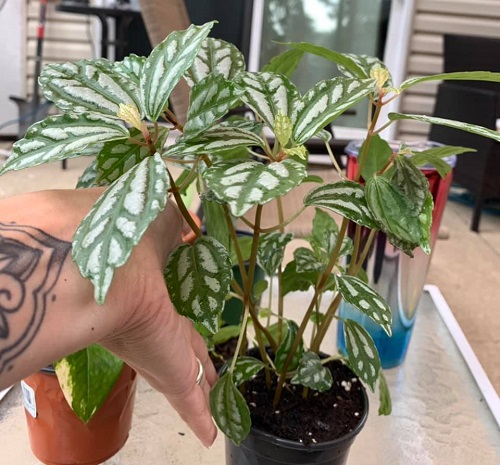
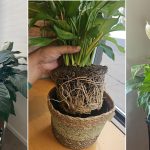
This plant grows fast, so it’s a good idea to repot it every spring. Check the bottom of the pot—if you see lots of roots coming out of the drainage hole, it’s time to repot.
Pick a new pot with a drainage hole that is 1–2 inches bigger than the current one. Gently take the plant out, place it in the new pot, and fill around the roots with fresh, well-draining soil. Water it well after repotting.
Pests
Spider mites can attack aluminum plants and make tiny holes in the leaves. You can fix this by gently wiping the leaves with a natural soap solution. If you see yellow or brown leaves, it may be a plant disease. Trim off these damaged leaves to stop the problem from spreading.
Flowering in Aluminum Plant
Watch for any flowers on the plant. Aluminum plants do not bloom often, but if they do, it is best to remove the flowers by pinching them off or using scissors. Even though the flowers may look nice, they take energy away from the plant, which can weaken it over time.