
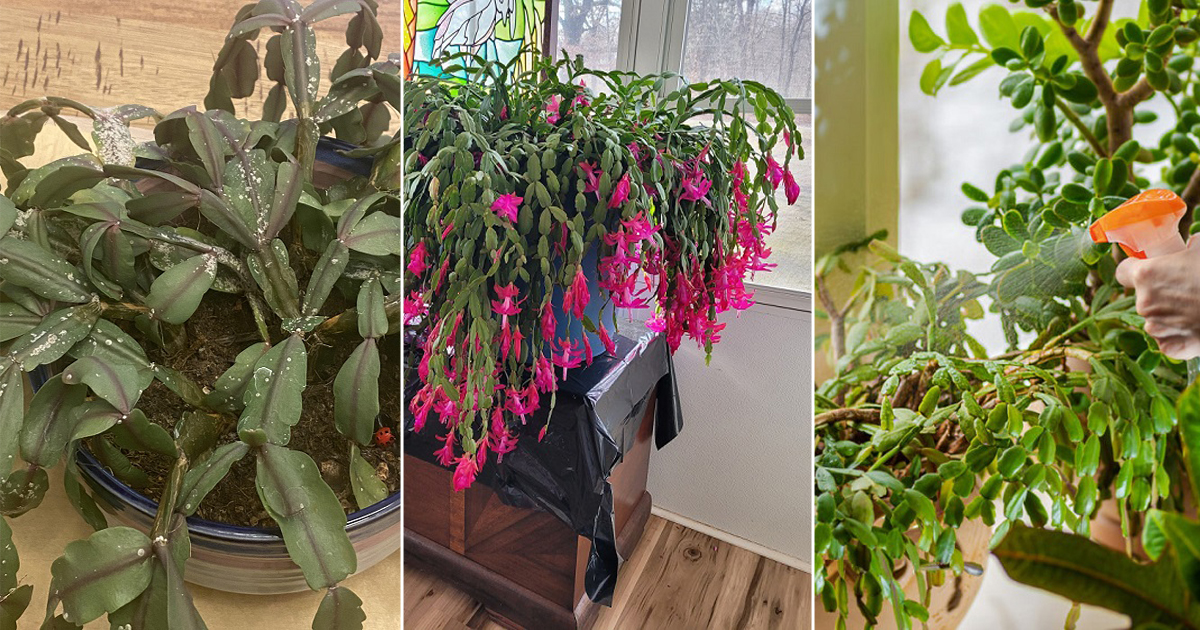
Learn simple January Christmas cactus care. Help your plant recover, stay strong, and prepare for fresh buds in the coming months.
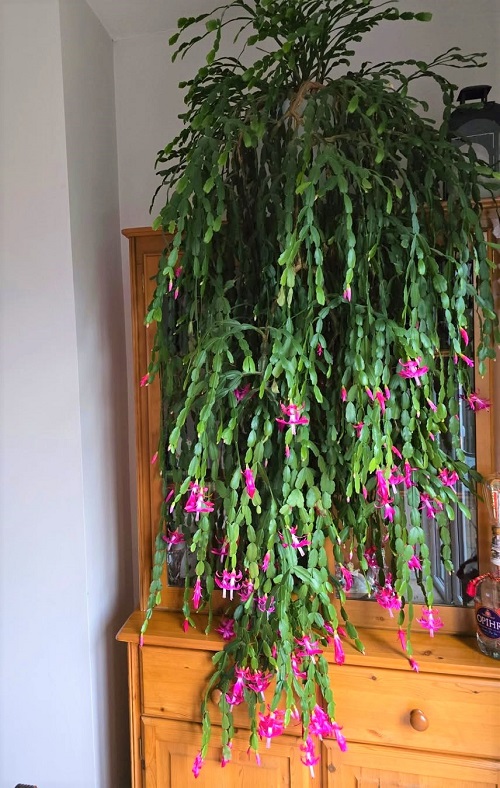
Caring for a Christmas cactus in January helps it recover after holiday blooming. This month is a quiet time for the plant, so it needs gentle care. Keep it in bright light, water lightly, and let it rest. With simple steps, your cactus will stay healthy and prepare for future growth.
Christmas Cactus Care in January
1. Understand What Your Plant Needs After Blooming
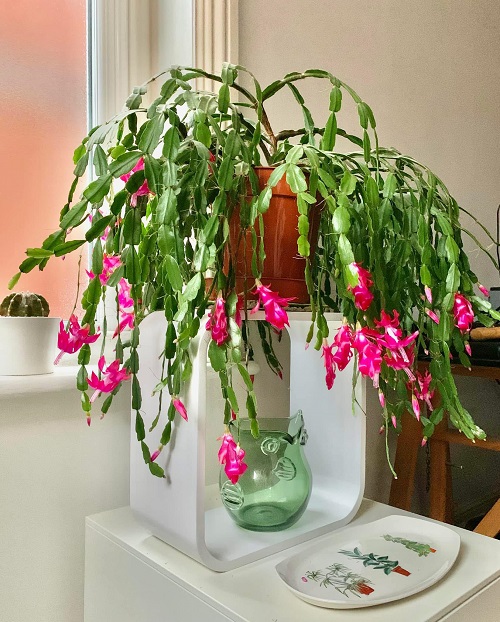
In January, the Christmas cactus growth slows down. It uses less water and grows at a calmer pace. Many people think the plant looks weak after blooming, but this is normal. The plant focuses on rebuilding its strength. You do not need to worry if growth seems slow. You only need to offer steady care that supports this resting period.
2. Adjust Watering for the Cooler Month
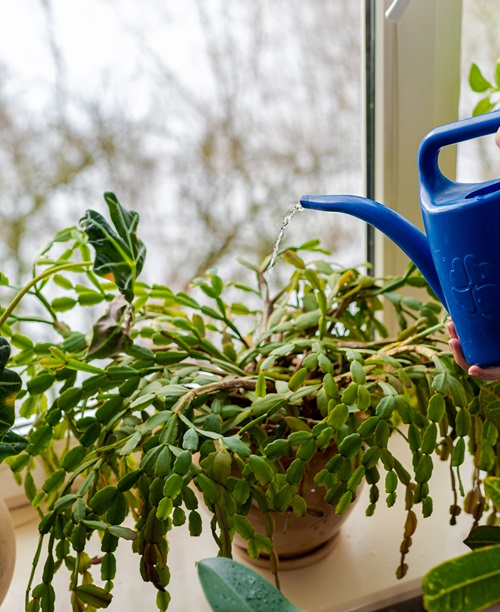
Watering needs change in January. The plant no longer needs the same amount of water it needed during blooming. The soil should dry halfway before you water again. Overwatering can damage the roots because the plant is not actively growing. Check the soil with your finger and water only when the top feels dry. This slow and steady routine keeps the plant healthy.
3. Keep the Plant in Bright but Gentle Light
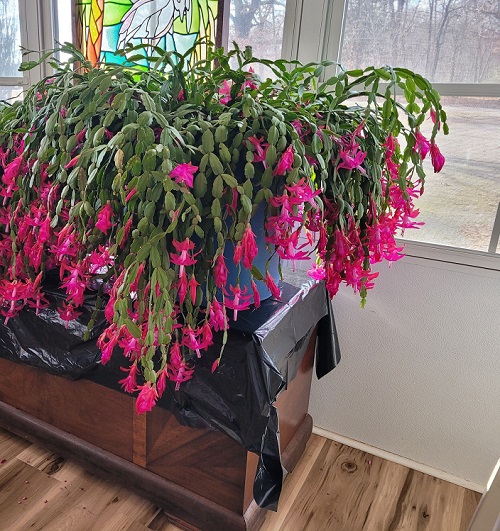
Christmas cactus continues to need good light in January, but it should not sit in strong direct sun. Place it near a bright window where the light is soft. Too much direct sunlight can cause pale or wrinkled leaves. Gentle light helps the plant recover from blooming stress. The right amount of brightness also supports slow winter growth.
4. Maintain Cooler Indoor Temperatures
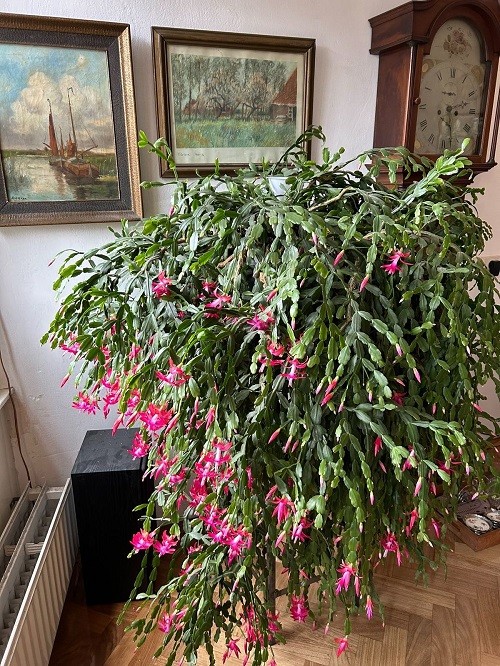
Cool indoor temperatures help the plant rest. A range between 60°F and 70°F works well. Avoid placing the plant near heaters, radiators, or hot air vents. Warm air dries out the plant quickly and can stress the leaves. A stable and cool room supports the plant’s natural winter rhythm and keeps it comfortable.
5. Remove Faded Flowers and Tidy the Plant
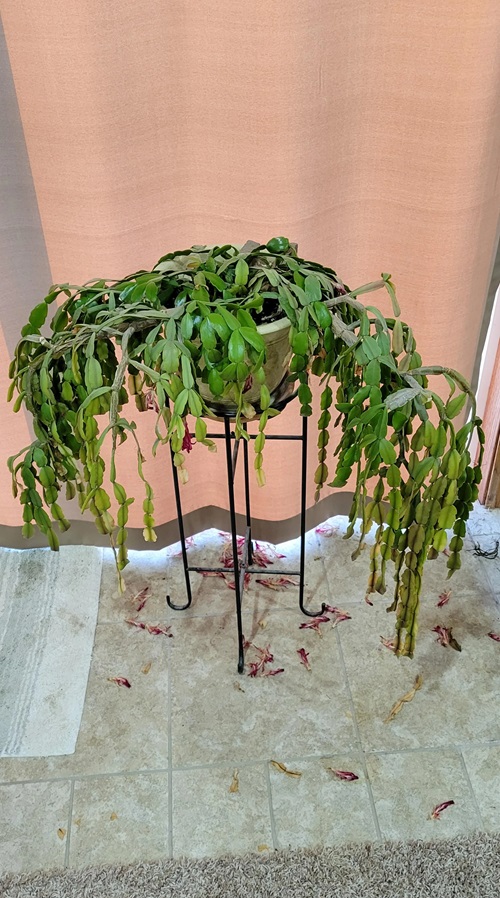
In January, old flowers dry up and fall off. You can gently remove them to keep the plant clean. This helps the plant save energy and reduces the chance of mold on old petals. Pruning is not necessary at this time, but cleaning the plant helps it look fresh. Handle the leaves softly because they are more sensitive after blooming.
6. Hold Back on Fertilizer for Now
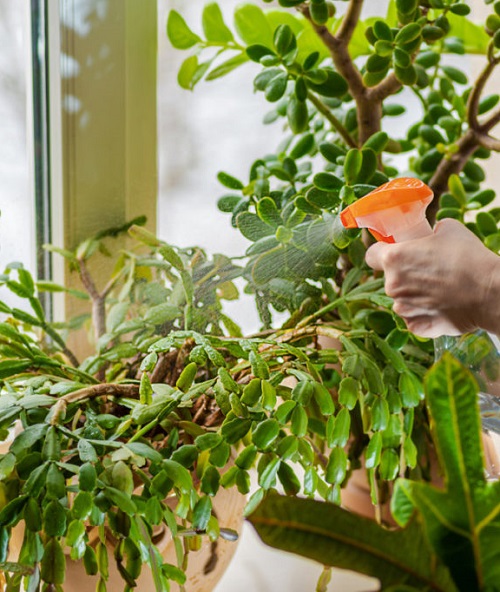
January is not the right month to fertilize a Christmas cactus. The plant rests and does not need extra nutrients. Adding fertilizer too soon can burn the roots or cause weak growth. Wait until early spring before feeding the plant again. This helps the plant follow its natural cycle without pressure from excess nutrients.
7. Allow Humidity to Stay at a Comfortable Level
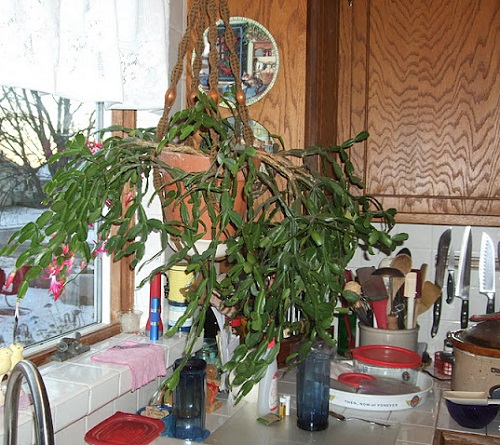
Christmas cactus enjoys moderate humidity even in winter. Indoor heating can make the air dry. You can place a small dish of water near the plant or set it in a slightly more humid room like a kitchen. Do not mist the plant too often because the cool season increases the risk of fungal problems. A calm and steady humidity level helps the plant stay firm and healthy.
8. Check the Soil Condition and Pot Health
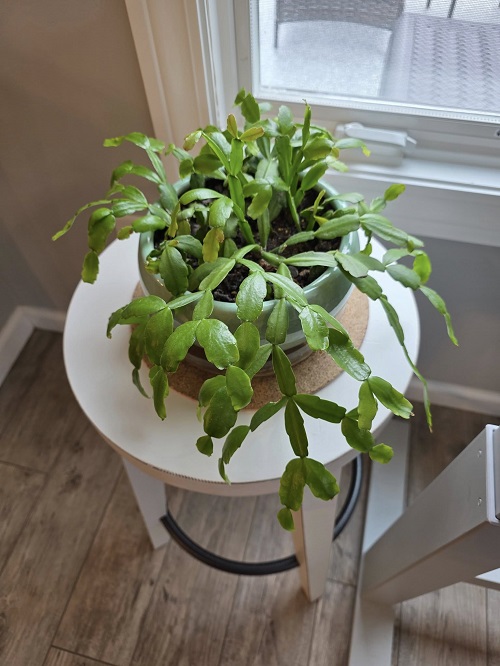
January is a good time to observe the soil and the pot. Do not repot the plant this month, but look for signs of compacted soil or waterlogging. If the pot drains slowly, reduce watering frequency. Make sure the pot sits on a tray that allows extra water to escape. Good drainage prevents root rot and keeps the plant stable.
9. Watch for Stress or Pests
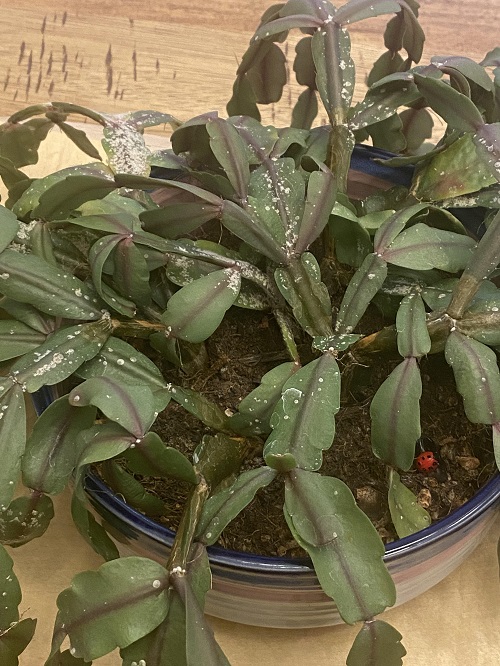
Even in winter, pests like fungus gnats or mealybugs can appear. Check the leaves and soil surface. If you see tiny insects or sticky spots, clean the plant with a soft cloth and treat it early. Catching problems in January stops them from spreading. Healthy leaves and clean soil help the plant rest peacefully.
10. Support a Calm Resting Period
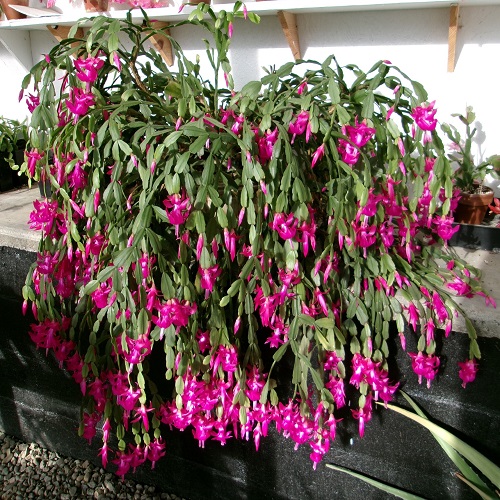
January is all about rest for a Christmas cactus. You do not need to push growth or encourage blooms. Your role is to keep the plant comfortable with steady care. This calm period is important because it helps the plant build energy for strong growth and future blooms. Simple care now leads to better results later in the year.