
Common Reasons Your Snake Plant Still Isn’t Bushier and what may be holding it back. Find growth issues that stop your plant from looking full indoors.
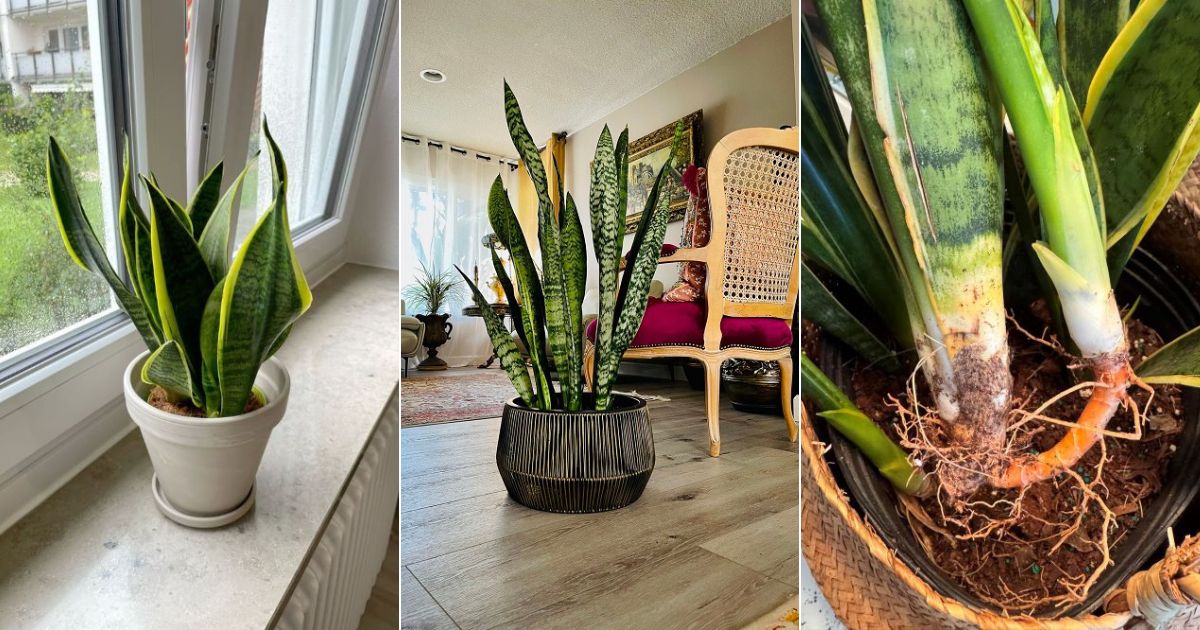
Many people expect snake plants to grow thick and full over time, but this does not always happen. Even when the plant looks healthy, new shoots may appear slowly. Discover the Common Reasons Your Snake Plant Still Isn’t Bushier. This can help explain why your snake plant still is not bushier.
Common Reasons Your Snake Plant Still Isn’t Bushier
1. The plant is still in Its Natural Slow Growth Phase
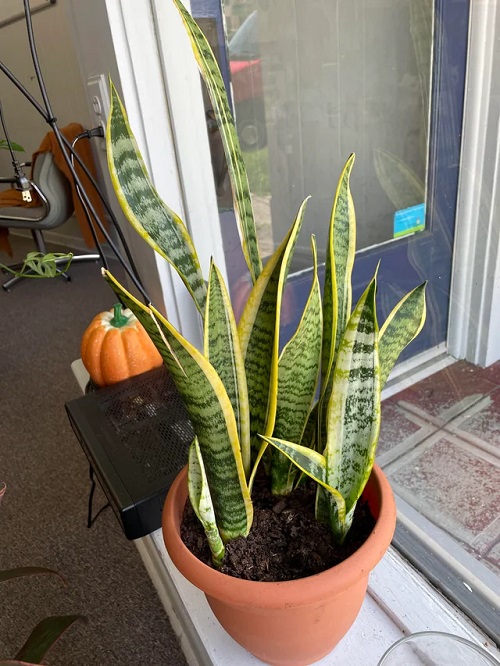
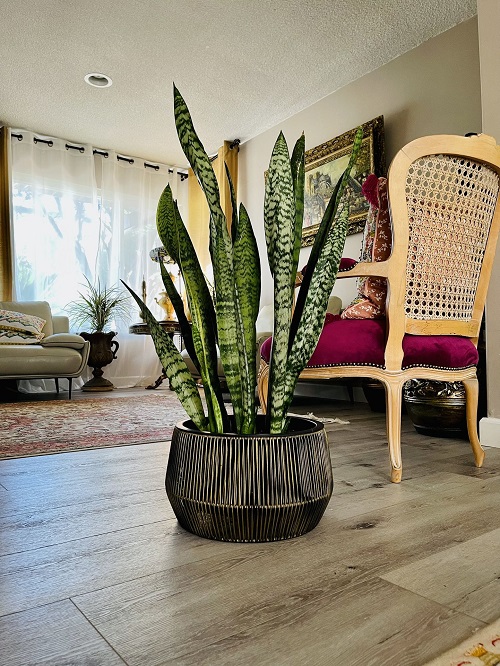
Snake plants grow at their own pace. They do not rush to fill a pot. Even healthy plants may produce only a few new shoots in a year. This is normal behavior. The plant first focuses on root strength before sending up new leaves. If the plant looks firm and upright, slow growth does not mean a problem.
2. Overwatering is Stopping New Shoots
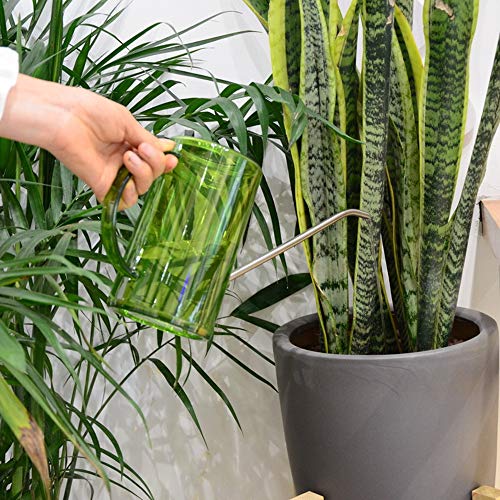
Too much water weakens the plant. Snake plant roots store water and rot easily when kept wet. Soft roots cannot support new growth. Even if the leaves look green, the plant may struggle below the soil. Wet soil also reduces oxygen. This blocks the signals that trigger new shoot growth.
3. The Plant Lacks Enough Energy to Multiply
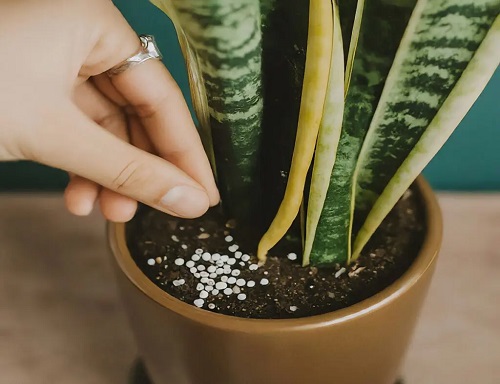
Bushy growth needs stored energy. If the plant does not get enough strength, it will not produce new pups. Leaves may stay the same size for months. This happens when the plant cannot build food reserves. Without enough energy, the plant stays alive but does not expand.
4. The Snake Plant Is Too Young
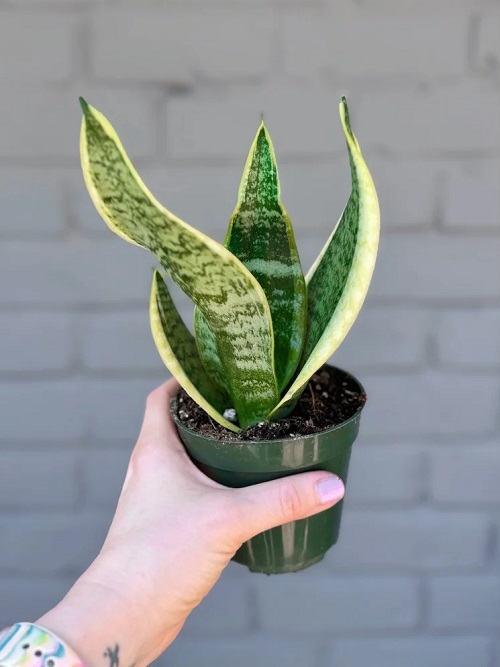
Young snake plants rarely grow bushy fast. They need time to mature. A small plant with few leaves often spends months building strength. New shoots usually appear once the plant reaches a stable size. Patience matters here. Rushing growth can weaken the plant instead of helping it.
5. Crowded or Hardened Soil Blocks Growth
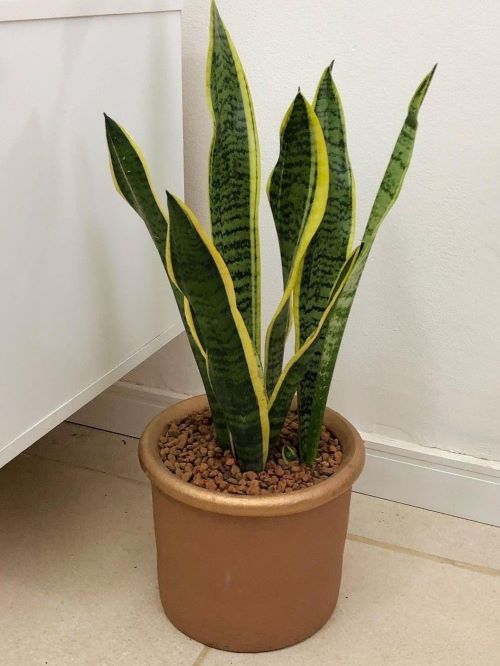
Soil that becomes hard over time restricts roots. Snake plants need loose soil to spread sideways. Compacted soil holds moisture too long and reduces airflow. This slows root movement. Without space to grow, the plant delays producing pups. Refreshing soil can help restart growth.
6. Roots Are Damaged or Stressed
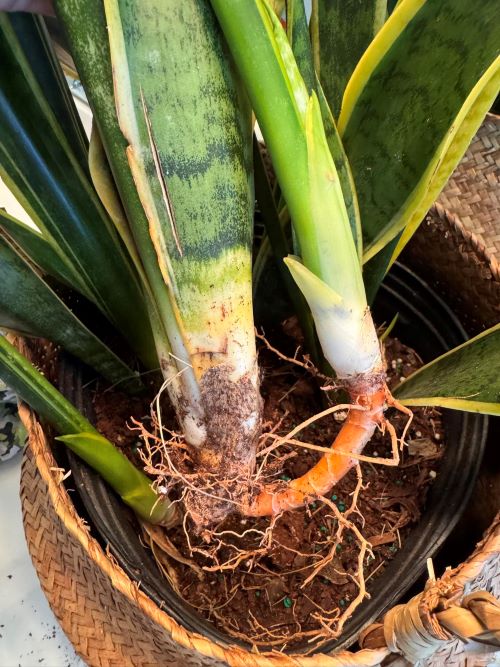
Healthy roots lead to bushy plants. Damaged roots slow everything down. This stress can come from past overwatering, compact soil, or rough repotting. When roots struggle, the plant focuses on survival. New shoots stop forming. Even after the problem ends, recovery takes time before growth resumes.
7. The Pot Is Too Large for the Plant
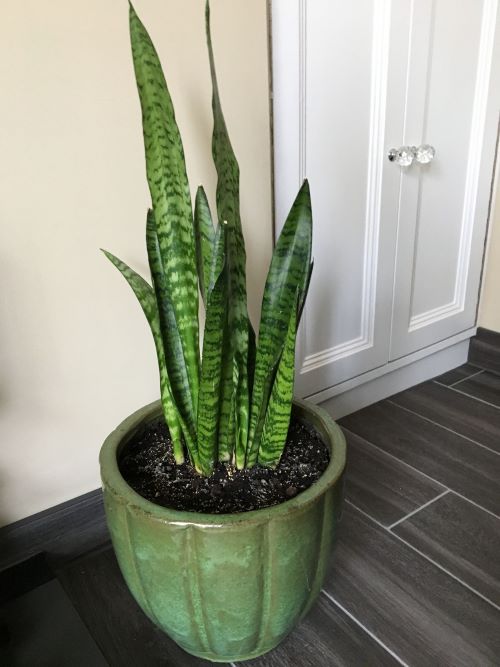
A large pot can delay bushy growth. Snake plants prefer tight spaces. When roots have too much room, the plant puts energy into root spread instead of new shoots. This slows visible growth above the soil. A snug pot helps the plant feel settled. Once roots feel crowded, new pups are more likely to appear.
8. Stress From Frequent Changes
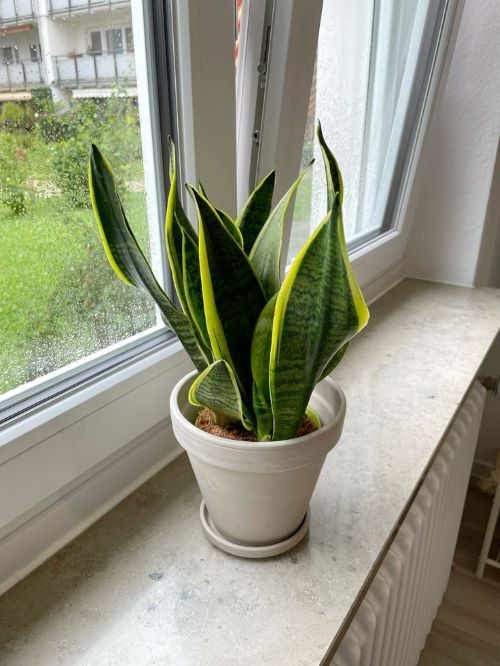
Snake plants dislike frequent changes. Moving pots often or repotting too soon causes stress. The plant pauses growth while adjusting. Instead of making new shoots, it focuses on stabilizing. Consistency helps more than constant fixing. Once the plant settles, growth improves naturally.
9. The Plant Is Conserving Energy
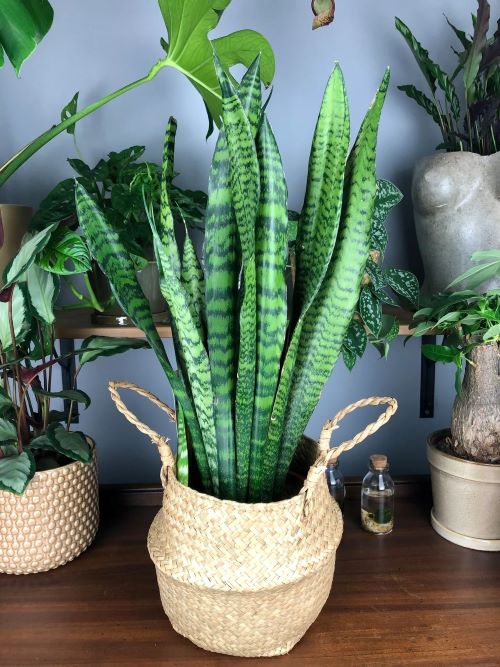
Sometimes the plant chooses survival over expansion. This happens when conditions feel uncertain. The snake plant reduces growth to protect itself. Leaves remain firm, but new shoots do not appear. This is a defense response. When conditions stay stable for long enough, the plant slowly returns to growth.