
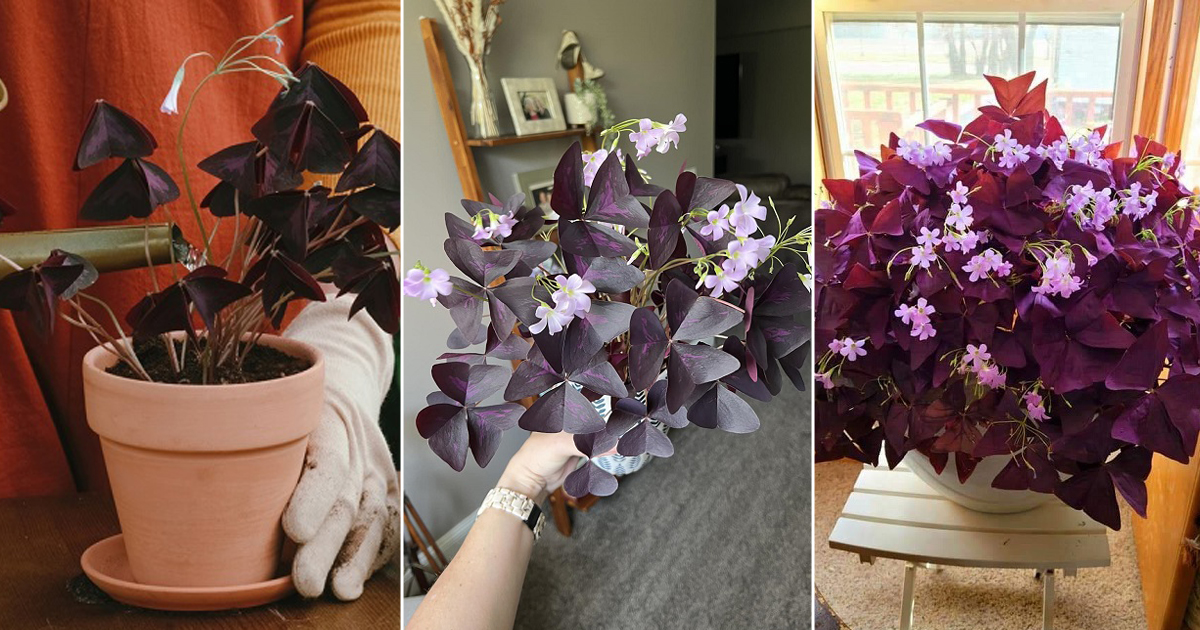
Struggling with fewer Oxalis blooms? Learn expert tips that keep your plant flowering longer with simple, easy habits that really work indoors.
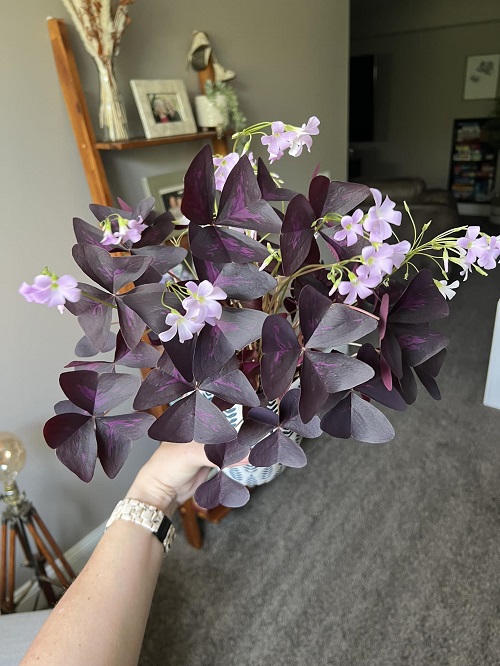
Oxalis is loved for its butterfly-shaped leaves and delicate flowers. Many gardeners enjoy how it opens during the day and closes at night. However, blooming does not last forever without the right habits. Oxalis can stop flowering if it feels stressed. Just do small adjustments and follow these Expert Tips to Keep Your Oxalis Plant Blooming and keep the plant healthy for a long time.
Expert Tips to Keep Your Oxalis Plant Blooming
1. Understand the Natural Growth Cycle of Oxalis
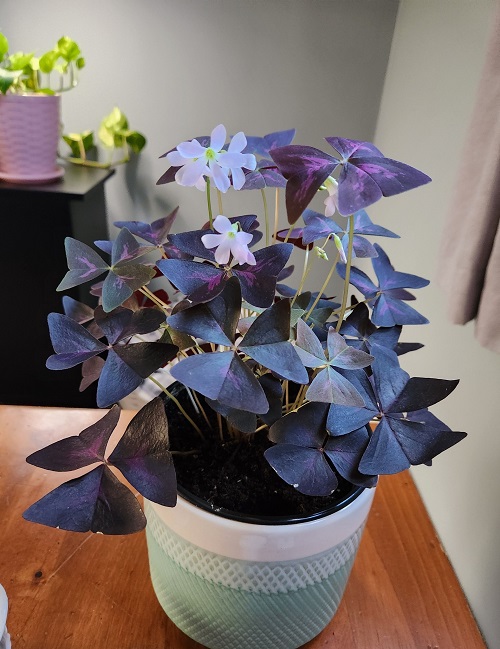
Oxalis follows a natural rhythm. It grows, blooms, rests, and then grows again. Many people worry when flowers fade or leaves die back. This is often normal behavior. The plant stores energy in its bulbs. During rest periods, blooming slows or stops. Respecting this cycle helps the plant recover. When growth returns, flowering usually improves and looks stronger than before.
2. Give Consistent Water Without Overdoing It
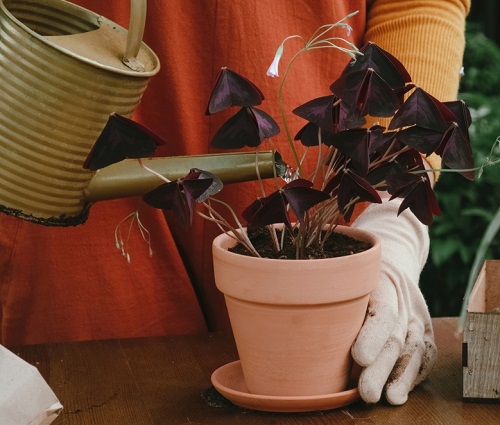
Oxalis prefers evenly moist soil during active growth. Dry soil for long periods can reduce blooming. At the same time, soggy soil causes stress and weak roots. Water when the top soil feels slightly dry. Let excess water drain out fully. Steady watering keeps the plant comfortable. A relaxed plant focuses its energy on producing more flowers instead of surviving stress.
3. Allow Enough Bright but Gentle Light
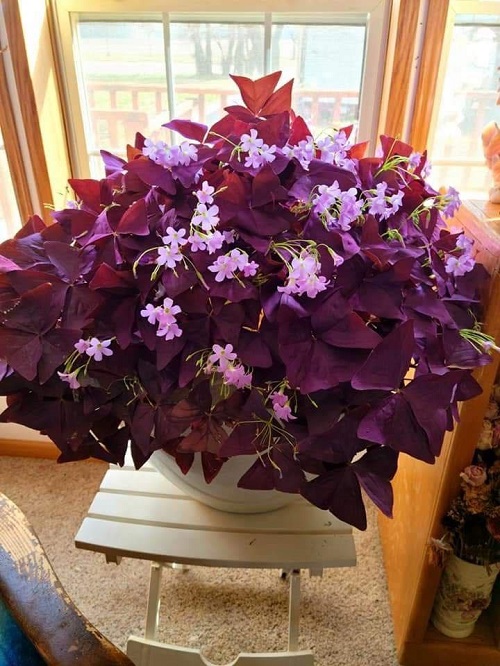
Light plays a big role in blooming. Oxalis needs bright light to flower well. Low light leads to more leaves and fewer blooms. Very harsh sunlight can burn leaves and shorten flowering time. Place the plant where it gets bright light for several hours daily. Gentle morning light works well. Balanced light supports healthy leaves and longer-lasting flowers.
4. Do Not Skip Regular Feeding During Growth
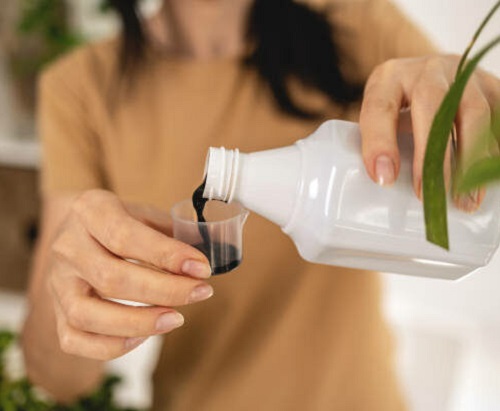
Oxalis uses a lot of energy when blooming. Without nutrients, flowers become fewer and smaller. Feed the plant lightly during active growth. Use a diluted liquid fertilizer. Avoid feeding during dormancy. Regular feeding supports steady energy supply. This helps the plant produce flowers again and again instead of stopping after one bloom cycle.
5. Remove Spent Flowers to Encourage New Blooms
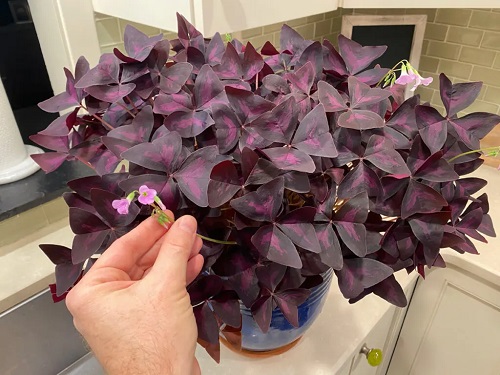
Old flowers drain energy from the plant. If you leave them on, Oxalis may slow down new flower production. Gently remove faded flowers at the base. This simple step signals the plant to focus on fresh blooms. Clean trimming also keeps the plant looking neat. Over time, this habit improves the overall blooming performance.
6. Maintain Comfortable Indoor Temperatures
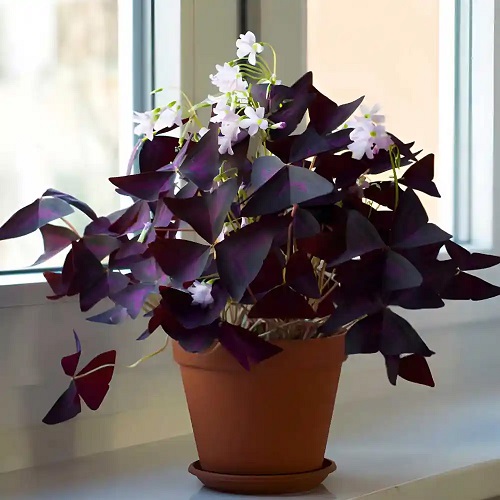
Oxalis prefers mild indoor temperatures. Extreme heat or sudden cold can stop blooming. Keep the plant away from heaters, air conditioners, and cold drafts. Stable temperatures help the plant stay active. When the plant feels safe and steady, it produces flowers more freely. Comfort matters as much as water and light for long-term blooming success.
7. Respect Dormancy Instead of Fighting It
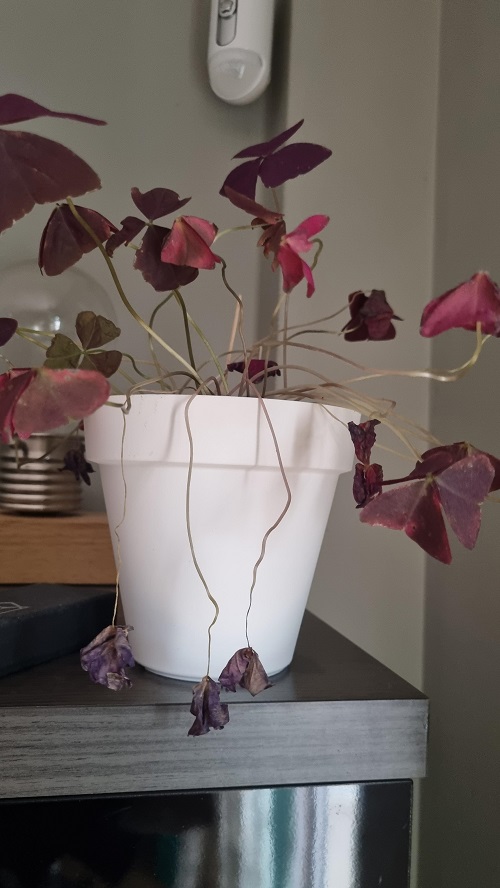
When Oxalis enters dormancy, flowers and leaves may disappear. Many people panic and try to force growth. This often backfires. Reduce watering during this phase and allow the plant to rest. Dormancy helps the bulbs store strength. After rest, new leaves appear, followed by blooms. Patience during dormancy leads to better flowering later.
8. Rotate the Pot for Even Growth
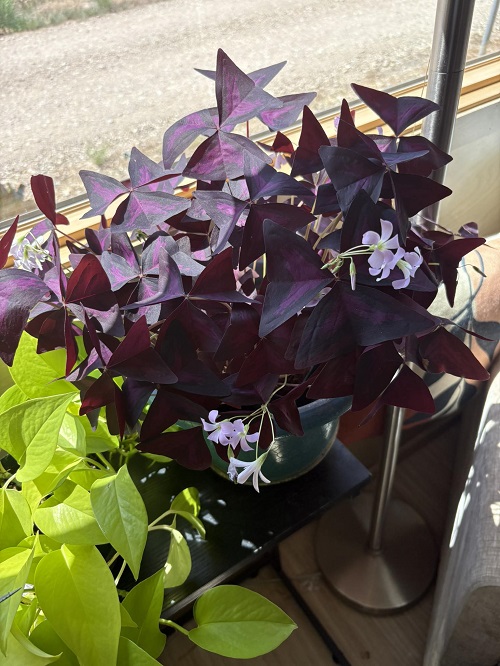
Oxalis grows toward light. If left in one position, it may lean and grow unevenly. This affects bloom balance. Rotate the pot slightly every week. Even growth helps all sides receive light. Balanced leaves support balanced flowering. This small habit improves the plant’s shape and bloom distribution without extra effort.
9. Avoid Stress From Frequent Changes
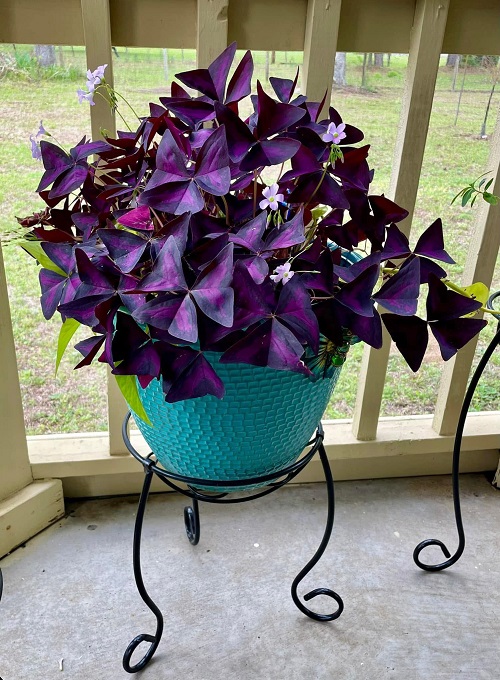
Oxalis dislikes sudden changes. Moving it often, changing watering routines, or shifting light too quickly causes stress. Stress reduces blooming. Keep conditions steady once you find what works. Simple consistency helps the plant focus on growth and flowers. A calm environment leads to longer bloom periods and healthier plants overall.