
Read tips on how to make begonia bloom by knowing when it flowers, why buds fall, and how to support healthy blooms.
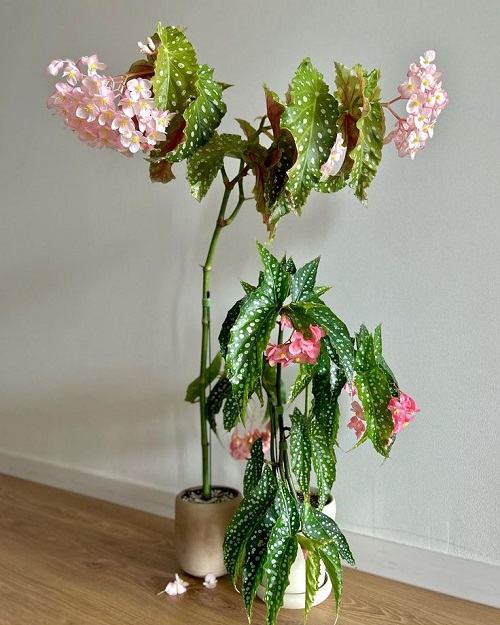
Begonias are loved for their colorful flowers, but many plants fail to bloom. This often happens when small details are overlooked. Knowing how begonias form buds and when they bloom makes a big difference. With the right approach and patience, you can enjoy healthy flowers for a longer time.
Tips on How to Make Begonia Bloom
1. Give the Right Amount of Light

Light plays a big role in blooming. Begonias need bright light, but they do not like harsh sun. Place the plant near a window with filtered light. Morning sun is safe, but strong afternoon sun can burn leaves. If the light is too low, the plant grows leaves only. Flowers stop forming. Move the plant slowly to a brighter spot if needed.
2. Feed Begonia Regularly
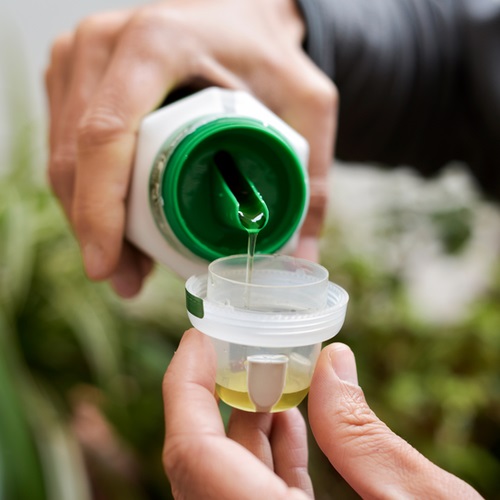
Begonias need food to produce flowers. Use a balanced liquid fertilizer every two weeks during the growing season. A fertilizer with slightly higher phosphorus helps flower growth. Do not overfeed. Too much fertilizer causes salt buildup and weak roots. Always dilute fertilizer as directed. Healthy feeding supports bud formation and longer blooming time.
3. Maintain Warm Temperature
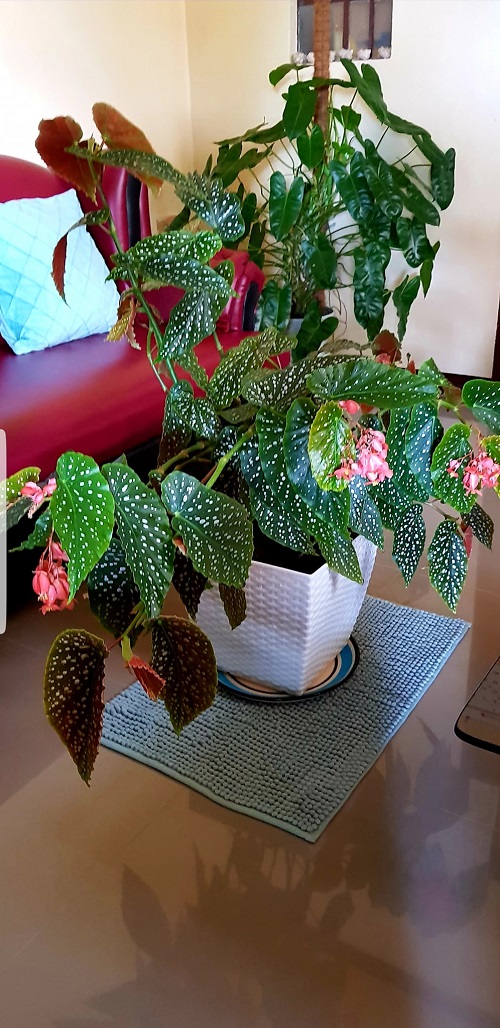
Temperature affects blooming speed. Begonias grow best in warm conditions. Keep the plant between 18 to 26 degrees Celsius. Cold air slows growth and stops buds from opening. Avoid placing the plant near cold windows, fans, or air conditioners. Sudden temperature changes cause buds to fall before blooming.
4. Use Well-Draining Soil
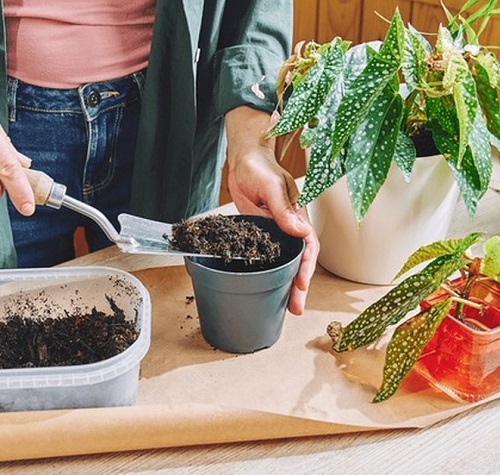
Begonias do not bloom in heavy or soggy soil. Roots need air to stay healthy. Use a loose potting mix that drains fast. A mix with coco peat, compost, and perlite works well. When the soil stays wet for a long time, the roots weaken. Weak roots cannot support flowers. Always choose a pot with drainage holes so extra water can escape easily.
5. Water the Plant the Right Way
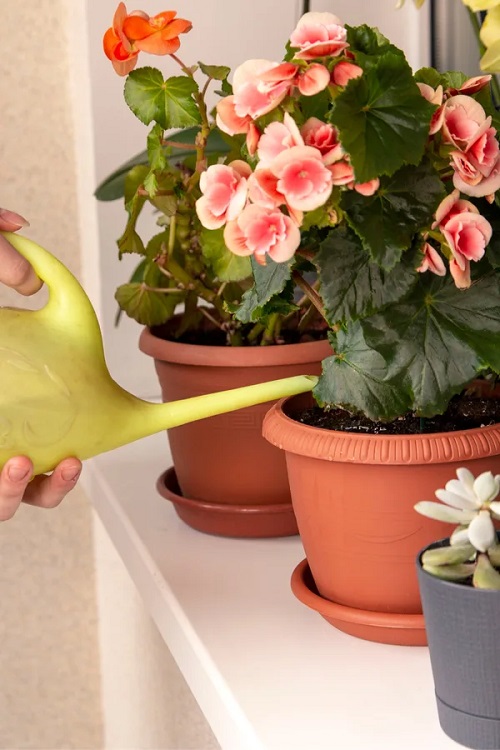
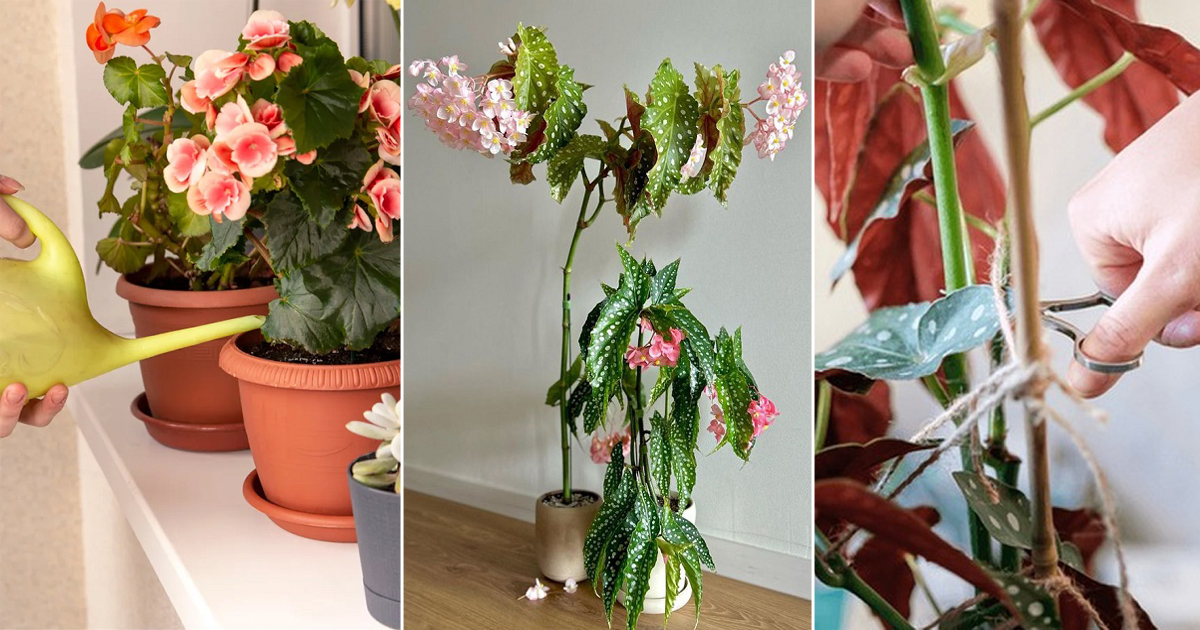
Watering mistakes often stop blooming. Begonias like evenly moist soil, not wet soil. Water only when the top layer feels dry. Pour water slowly until it drains out from the bottom. Do not let the pot sit in standing water. Overwatering causes leaf growth and root stress. Underwatering causes bud drop. Keep a steady watering routine.
6. Keep Humidity Moderate

Begonias like mild humidity. Dry air can stop flowers from forming fully. Indoor air often becomes dry, especially in winter. Place a tray of water near the plant or group plants together. Do not mist leaves often, as wet leaves invite disease. Good humidity helps buds grow strong and open fully.
7. Prune to Encourage More Blooms
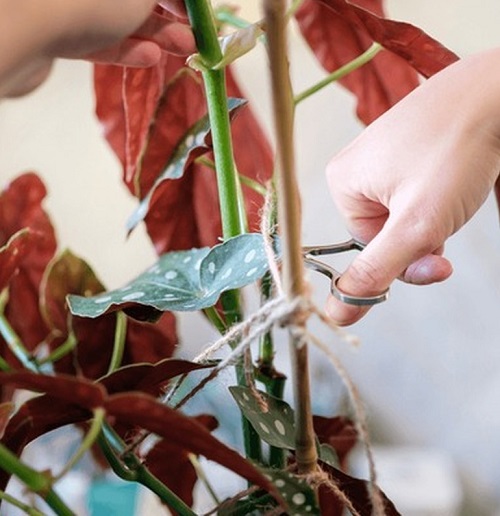
Pruning helps redirect energy to flowers. Remove dead flowers and yellow leaves often. Cut leggy stems just above a leaf node. This helps the plant branch out. More branches mean more chances for flowers. Always use clean scissors to avoid infection. Regular pruning keeps the plant compact and blooming longer.
8. Avoid Stress on the Plant
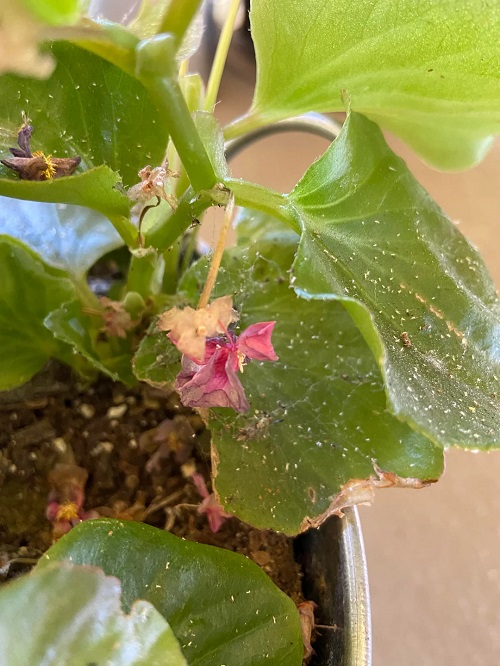
Stress stops blooming quickly. Do not move the plant often. Avoid sudden changes in light, water, or temperature. Check for pests like aphids or mealybugs, as they weaken the plant. Treat pests early with neem oil or a mild soap solution. A stress-free begonia focuses its energy on blooming.
Points to Remember
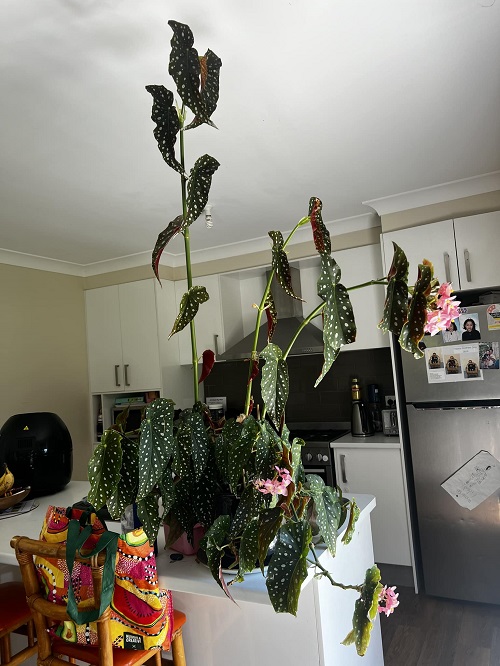
Grow begonia in a partly shaded spot outdoors or in a warm, bright place indoors. These plants are tropical and cannot handle cold weather. Bring them inside when temperatures fall below 50 degrees. Water the soil well and often, but keep it only slightly moist, not wet. Feed the plant with a weak flowering houseplant fertilizer during spring and fall or when it is growing. This fertilizer helps blooms form. Keeping the plant slightly potbound also encourages flowering.