
Calathea leaves curling or browning? Learn about Mistakes that are Silently Killing Your Calathea Indoors and fix them to keep it healthy.
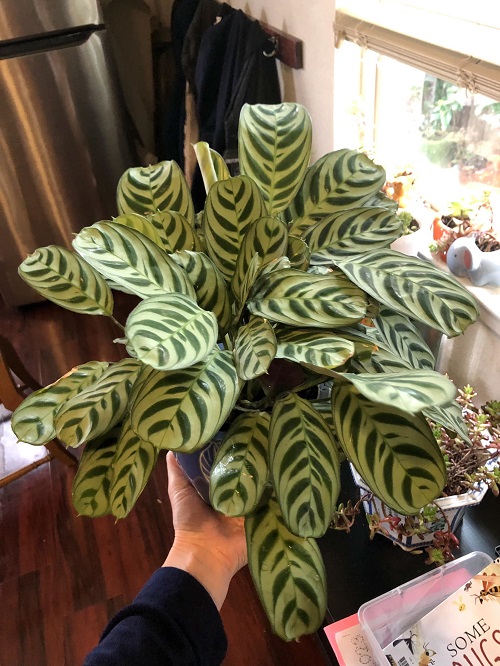
Anyone who grows a calathea knows they are not the easiest indoor plants. They need extra care to stay healthy. If something is off, their leaves may curl, dry out, or turn crispy. Still, these plants are worth the effort. Calatheas come in many beautiful colors and patterns that stand out indoors.
They are also called prayer plants because their leaves lift and open during the day, like praying hands. It can feel upsetting when those leaves start to look dull or damaged. Do not worry. Learning the most common Mistakes that are Silently Killing Your Calathea Indoors can help you keep it healthy and looking good for many years.
Mistakes that are Silently Killing Your Calathea Indoors
1. Using Tap Water
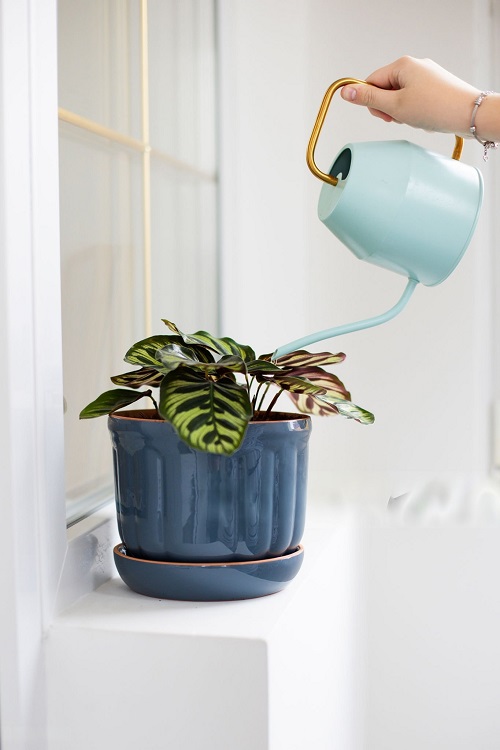
Calathea plants are sensitive to chemicals in water. Regular tap water often contains chlorine, fluoride, and salts. These build up in the soil. Over time, the roots struggle to absorb moisture. Leaf tips turn brown first. Then yellow patches appear. Even if watering feels correct, the water quality can still stress the plant every single week.
2. Letting the Soil Dry Too Much
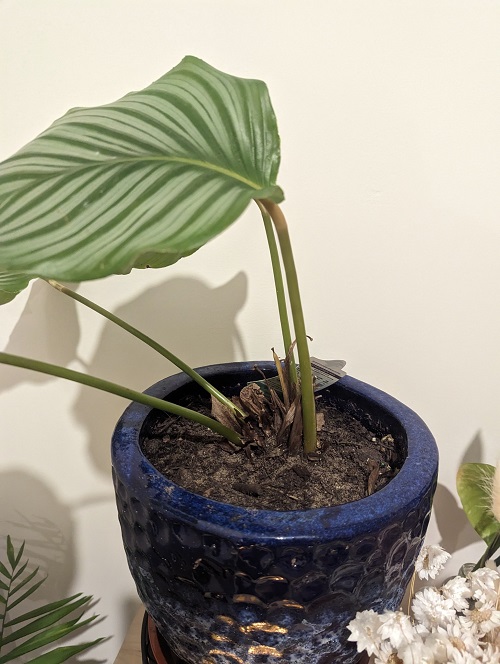
Many people treat Calathea like tough houseplants. That is a mistake. These plants hate dry soil. When the soil dries fully, roots shrink and weaken. The plant cannot support its leaves. Curling starts quickly. If this happens often, recovery becomes slow. The plant may stop pushing new leaves and stay weak for months.
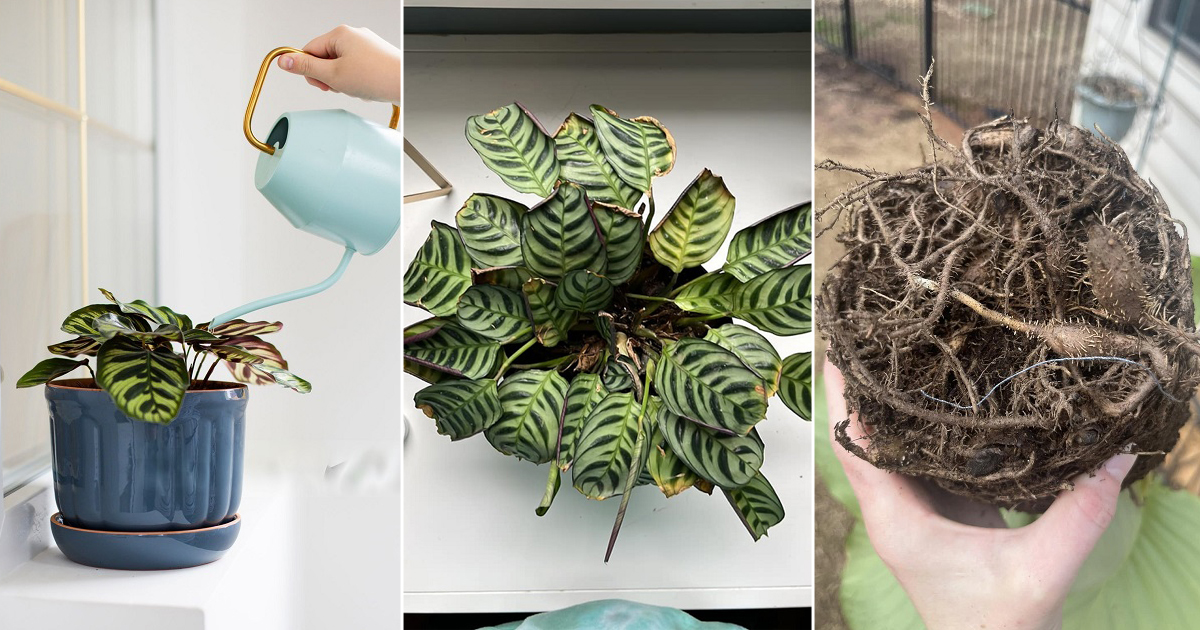
Watering calatheas takes practice. Even a small mistake can cause problems. If you water too little or too much, the plant may react fast. Leaves can droop, curl, or turn brown.
How often you water depends on temperature and indoor conditions. Always check the soil first. When the top half of the soil feels dry, it is time to water. Do not wait until the soil is completely dry.
3. Heavy Potting Mix
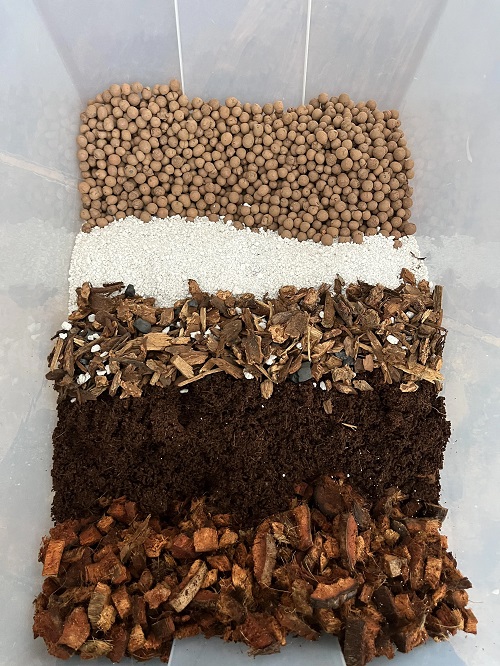
Calatheas do not like soggy soil. Their roots need air as well as moisture. That is why a well-draining potting mix is very important.
Heavy soil holds too much water and dries very slowly. When moisture stays trapped, roots begin to rot. Once root rot starts, the plant weakens fast and may not survive. A light and porous soil allows extra water to drain away.
You can easily improve regular potting soil. Mix in materials like perlite or vermiculite. These help water flow through the soil and keep the roots healthy.
4. Keeping It in Dry Indoor Air
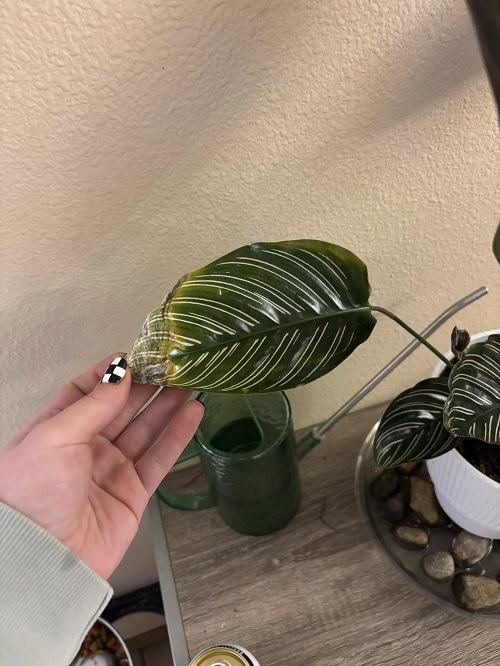
Indoor air is often dry because of fans, heaters, and air conditioners. Calathea plants come from humid places. Dry air pulls moisture from their leaves. This causes crispy edges and dull color. Even if watering is right, low humidity still harms the plant daily. The damage builds slowly and often goes unnoticed at first.
5. Placing Calathea in Harsh or Direct Light
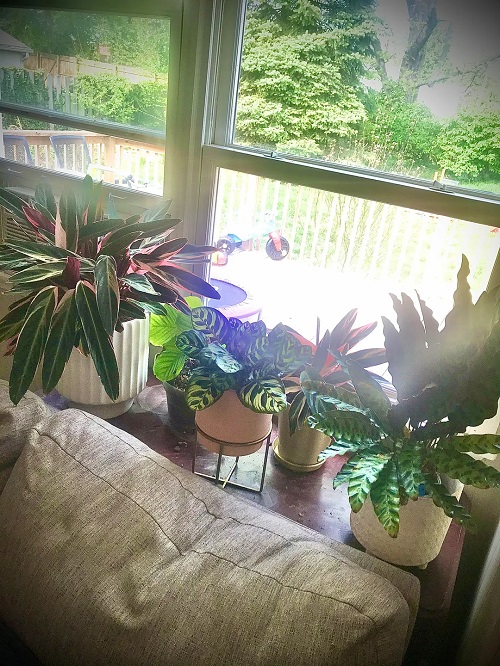
You can tell very quickly if your calathea is not getting the right light. The leaves will start to look unhealthy. Their color may fade, and the plant may lose its fresh look.
Too much light causes the leaves to lose their bright patterns. Direct sunlight can burn them. This shows up as brown or yellow patches. In nature, calatheas grow close to the ground in Central and South American forests. Tree cover protects them from strong sun. That is why they grow best indoors in bright but indirect light.
You may need to try a few spots in your home to find the right place. Once the plant looks happy, do not keep moving it. Calatheas prefer to stay in one stable location.
6. Ignoring Root Stress in the Pot
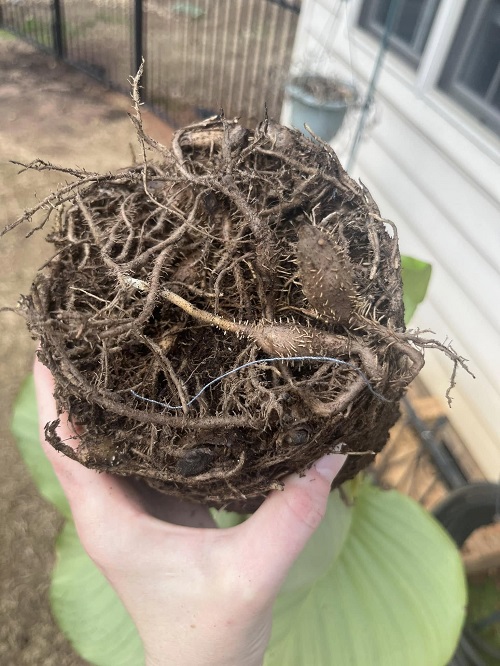
Calathea roots need space and air. When kept in the same pot too long, roots circle tightly. Water drains poorly. Roots stay wet for too long and start to rot. The plant looks thirsty even when soil is moist. This confuses many owners. Root stress often causes sudden leaf collapse without clear warning.
7. Overfeeding
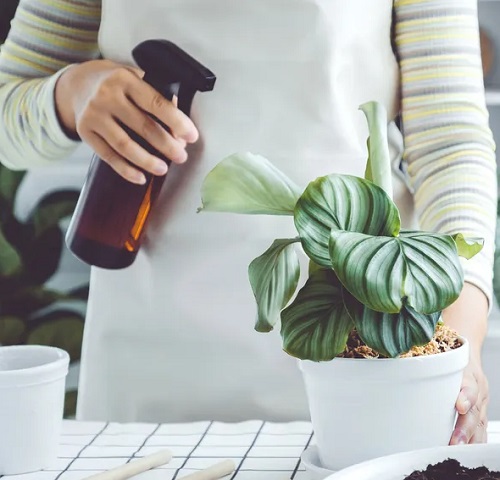
More fertilizer does not mean faster growth for Calathea. These plants prefer light feeding. Strong or frequent fertilizer burns roots. Salt buildup forms in the soil. Leaves develop brown edges and yellow veins. Growth becomes weak instead of strong. Over time, the plant loses its ability to absorb nutrients at all.
8. Constantly Moving the Plant Around
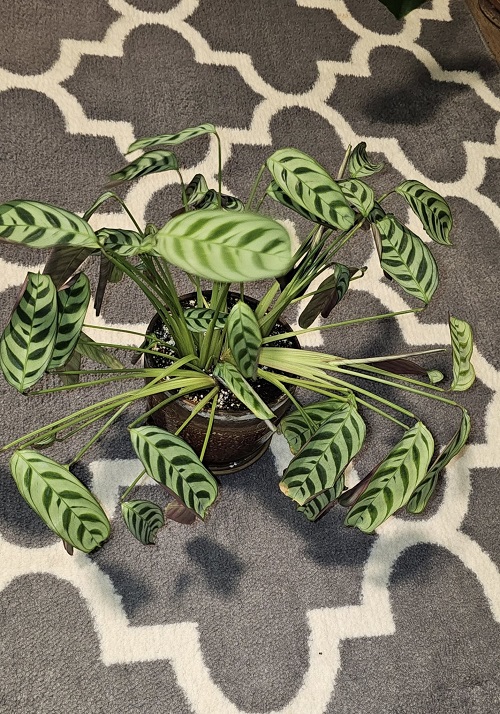
Calathea plants like stable conditions. Moving them from room to room changes light, temperature, and airflow. Each move causes stress. The plant spends energy adjusting instead of growing. Leaves droop and stop opening fully. Repeated changes weaken the plant slowly. Many people do this without realizing the long-term impact.
9. Not Paying Attention to Early Leaf Signs
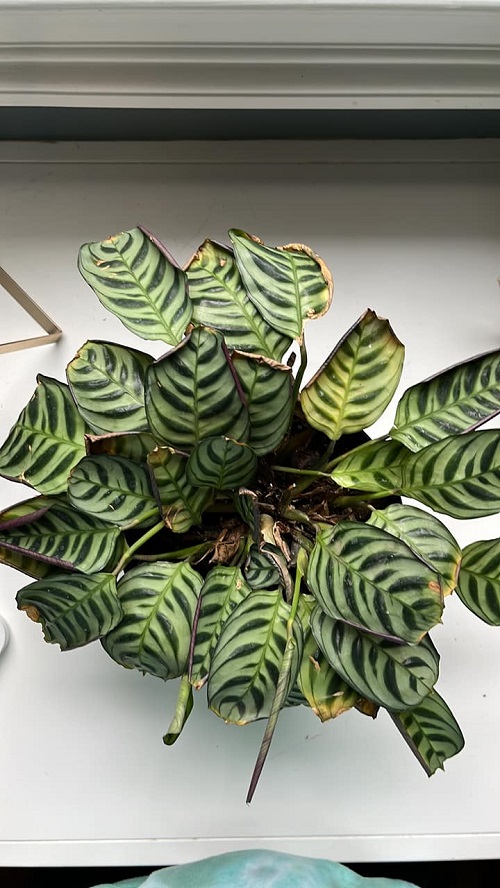
Calathea always gives early signals. Slight curling, dull color, or tiny brown tips are warnings. Ignoring these signs allows problems to grow. By the time leaves turn fully yellow or dry, damage is already deep. Early attention helps prevent long-term decline. Watching the leaves closely is key to keeping the plant alive indoors.
10. Insufficient Humidity
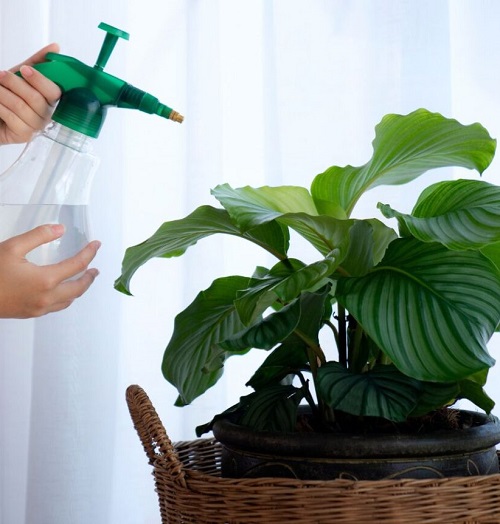
Calatheas are tropical plants, so they need higher humidity to stay healthy. When the air is too dry, the leaves can curl, dry out, or turn crispy at the edges.
They grow best when humidity stays steady, usually between 40 and 70 percent. Many people mist their plants to raise humidity, but this is not always the best option. Misting can leave water sitting on the leaves, which may lead to leaf damage or infections.
Using a humidifier or increasing moisture in the air around the plant works better. If you do mist, spray lightly and keep the bottle away from the leaves.