
Learn the hidden Mistakes that are Silently Slowing Philodendron Growth and how small habits can make a big difference.
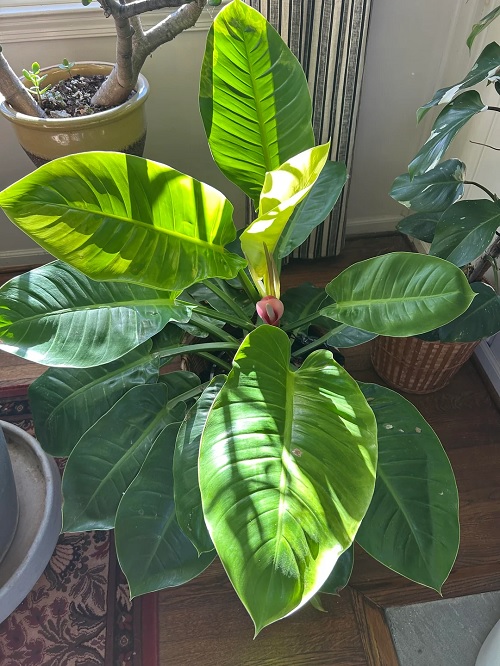
A Philodendron may look healthy but still grow slowly because of small mistakes people often ignore. These problems happen quietly and affect the plant over time. Many plant owners do not notice them until growth becomes very slow. Read about these hidden Mistakes that are Silently Slowing Philodendron Growth and help your Philo stay active and grow stronger indoors.
Mistakes that are Silently Slowing Philodendron Growth
1. Placing the Plant in a Dark Corner
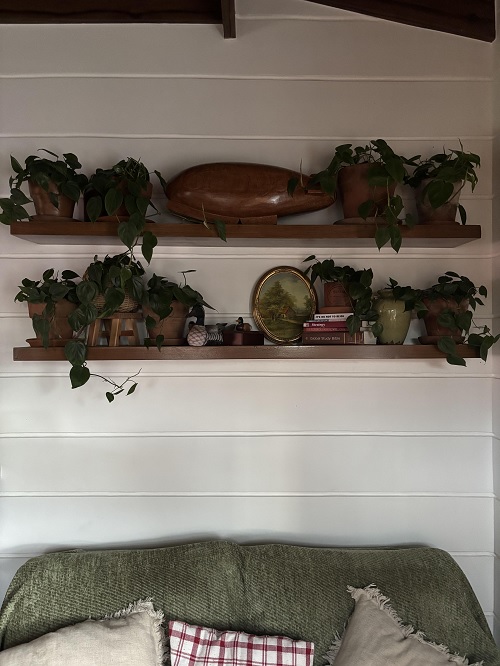
Many people place a Philodendron in a corner that receives very little natural light. The plant may still survive, but its growth becomes slow. Leaves grow smaller and the stems stretch as the plant searches for light. This weak growth often happens quietly, so people think the plant is fine. Over time, the plant looks thin and tired. Keep it in a bright room so it can grow at a steady pace.
2. Overcrowding the Roots
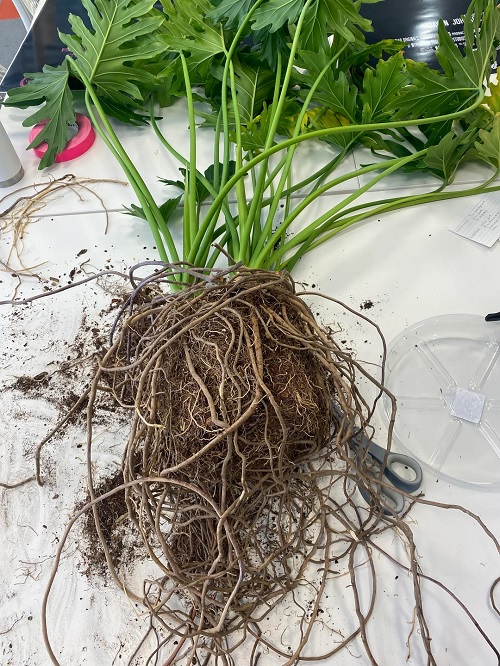
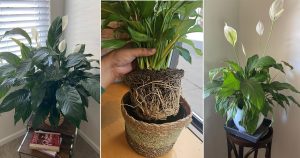
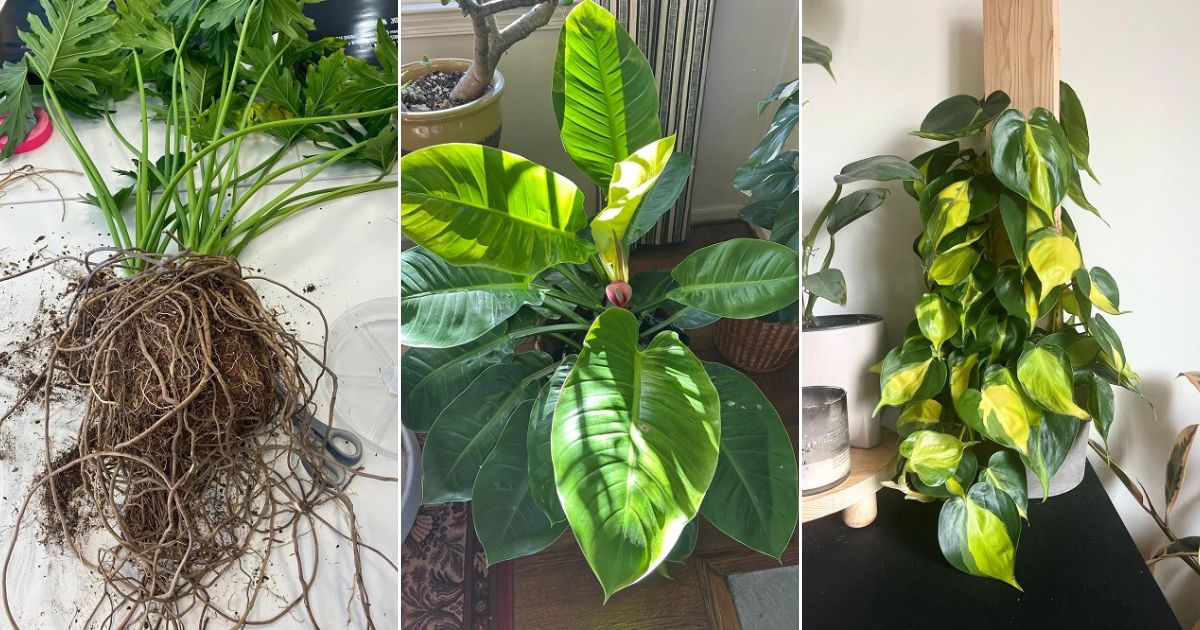
A pot that is too small can quietly slow down the growth of a Philodendron. As the plant grows, the roots fill the pot and begin to circle around each other. When this happens, the roots cannot spread and absorb water properly. The plant uses more energy to survive instead of producing new leaves. Growth becomes slower each month. Make a routine to check the roots once in a while as it helps prevent this hidden problem.
3. Letting Dust Cover the Leaves
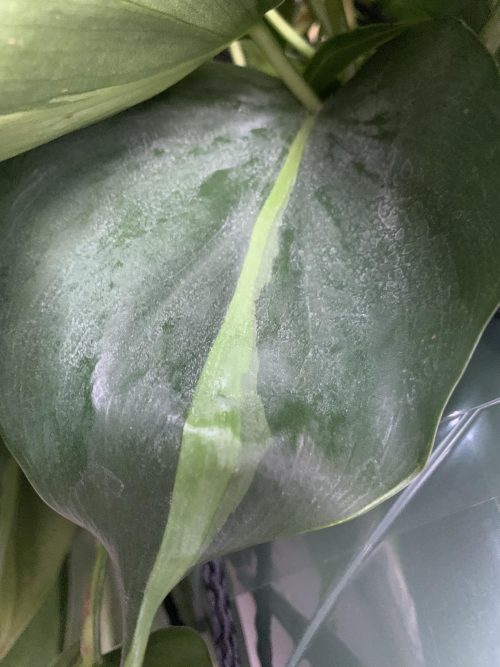
Dust often collects on indoor plant leaves, especially in homes with little airflow. When dust sits on Philodendron leaves for a long time, it blocks light from reaching the surface. The plant cannot use light properly to make energy. This slows the natural growth process. The leaves may also look dull and unhealthy. Wipe the leaves gently with a damp cloth and it helps the plant to stay active.
4. Ignoring Old and Damaged Leaves
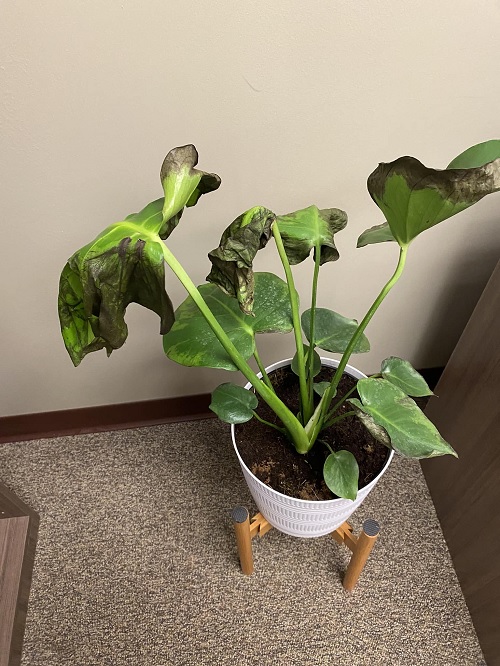
Old yellow or damaged leaves can slowly affect the growth of the plant. These leaves continue to draw small amounts of energy from the plant even though they no longer help in growth. When too many weak leaves stay on the plant, the energy distribution becomes uneven. New leaves may appear more slowly. Timely remove old or damaged leaves to allow the plant in focusing its energy on healthy growth.
5. Allowing Stems to Grow Without Support
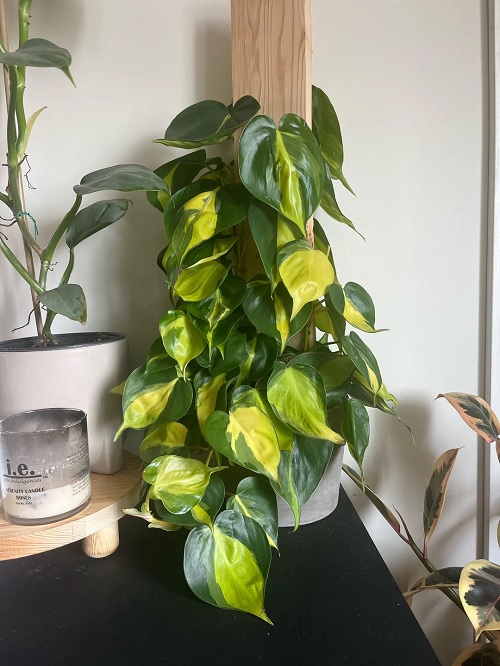
Many Philodendron varieties grow as climbing plants. When the stems grow long without any support, they often spread across shelves or hang loosely. In this position, the plant may produce smaller leaves and slower growth. Climbing gives the plant a natural direction to grow. Adding a moss pole or simple support can help the plant grow stronger and produce larger leaves over time.
6. Keeping the Plant Too Close to Busy Areas
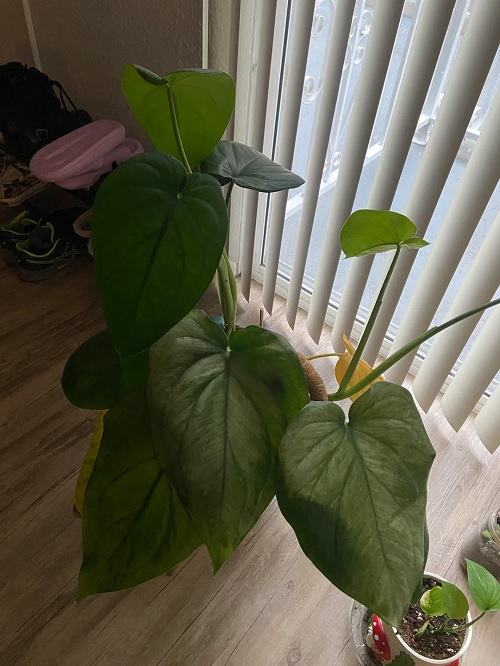
Placing a Philodendron in a busy area of the house can also slow its growth. People may brush against the plant while walking past it. The stems bend, and leaves may tear slightly. Small repeated damage creates stress for the plant. The plant then focuses on repairing itself instead of growing new foliage. Choosing a calm and protected location helps the plant stay healthy and grow steadily.
7. Moving the Plant Too Often
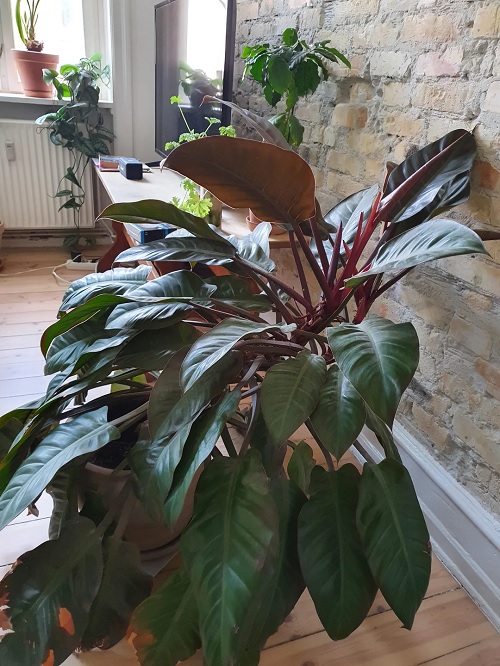
Philodendrons like a stable place where they can adjust to the surrounding conditions. When people keep moving the plant from one room to another, the plant takes time to readjust each time. Temperature and light levels change with every move. This stress can quietly slow down leaf development. The plant spends energy adapting instead of growing. Keeping the plant in one consistent spot helps it grow faster.