
Mistakes that Can Kill Fishbone Cactus: Every owner should avoid overwatering and poor light to help their plant grow strong and last longer.
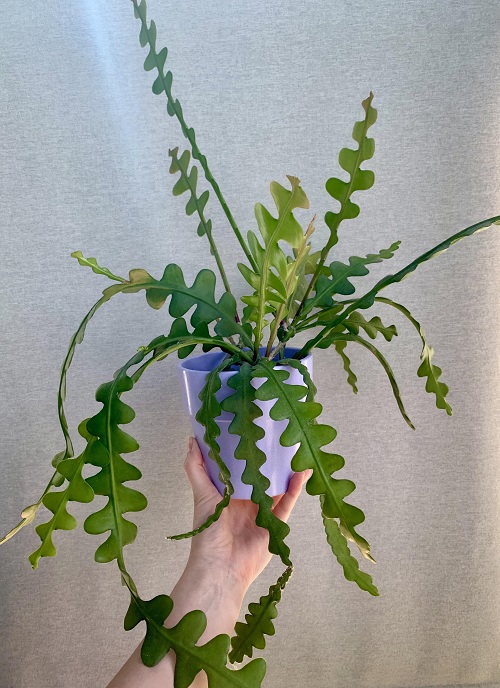
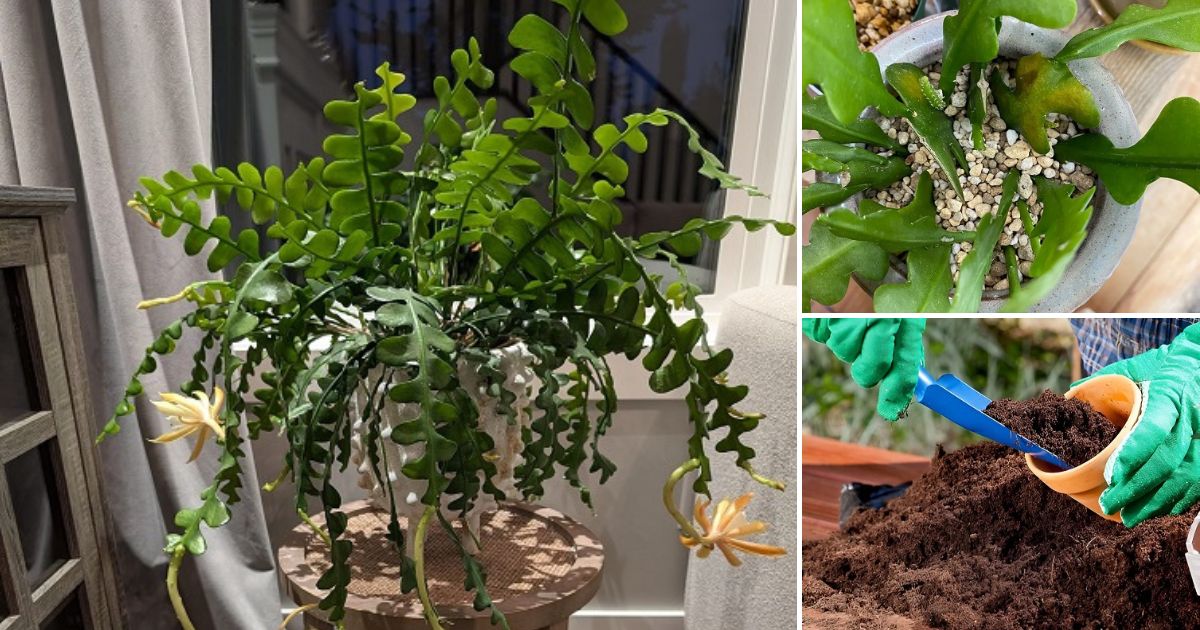
Fishbone cactus is easy to grow, but small care mistakes can slowly kill it. Many problems start with watering, light, or soil issues. If the plant looks weak, soft, or stops growing, it is often reacting to poor care. Knowing these mistakes helps you fix them early.
Mistakes that Can Kill Fishbone Cactus
1. Overwatering the Plant
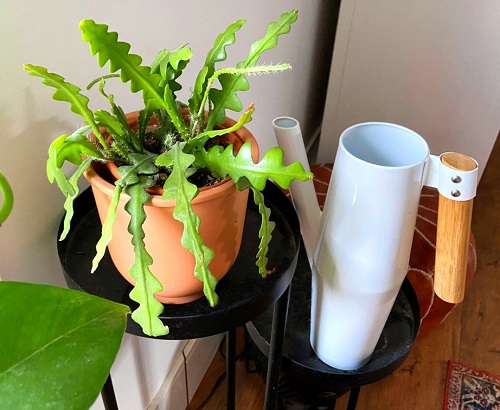
Overwatering is the most common reason a fishbone cactus dies. This plant stores water in its thick stems and does not need frequent watering. When soil stays wet for many days, roots begin to rot. Rotten roots cannot send water or nutrients to the plant. The stems turn soft, dark, and mushy. Always let the top few inches of soil dry before watering again. Reduce watering even more during cool months.
2. Using Poor Draining Soil

Heavy soil traps water around the roots and blocks airflow. Fishbone cactus needs loose and airy soil to stay healthy. Regular garden soil or dense potting mix holds too much moisture. This leads to root rot even if you water carefully. Use cactus or orchid-style soil with added bark, perlite, or coarse sand. Good drainage helps roots breathe and prevents fungal growth inside the pot.
3. Keeping the Plant in Low Light
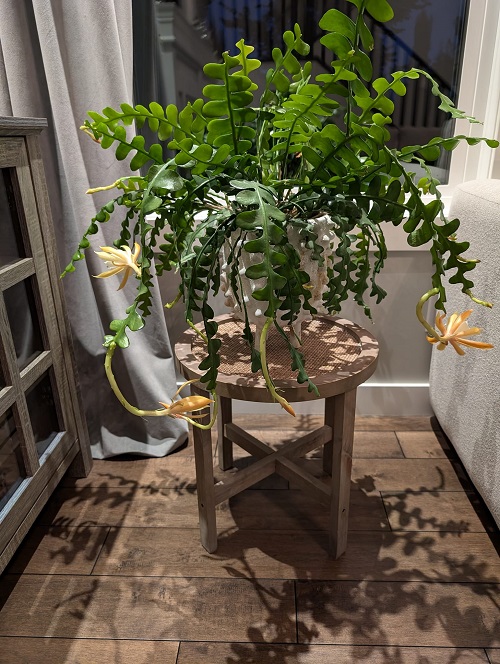
Low light slows growth and weakens the stems. Fishbone cactus grows best in bright, indirect light. Dark rooms or deep shade cause thin, pale, and droopy growth. The plant struggles to make energy and becomes more open to disease. Avoid direct hot sun, as it can burn the flat stems. Place the plant near a bright window with filtered light for steady and healthy growth.
4. Exposing It to Cold Temperatures
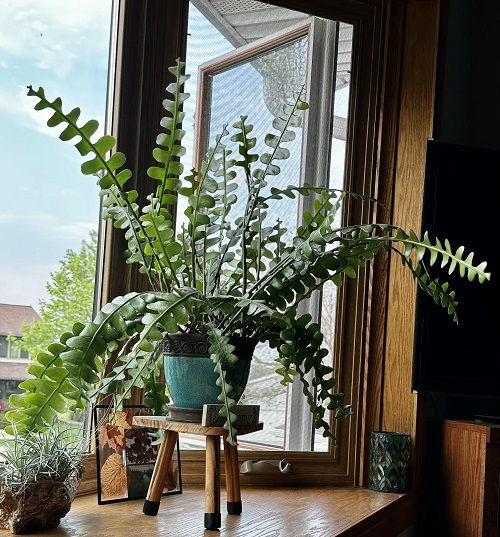
Fishbone cactus does not tolerate cold air or frost. Sudden temperature drops damage the stems and roots. Cold stress causes limp growth and black spots. Rooms with cold drafts, open windows in winter, or unheated balconies are risky. This plant prefers warm and stable temperatures. Keep it indoors during cold seasons and away from air conditioners or chilly night air.
5. Ignoring Humidity Needs
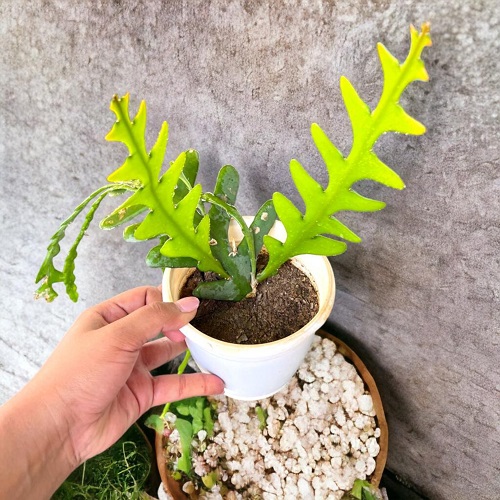
This cactus is different from desert types. It comes from tropical forests and enjoys moderate humidity. Very dry air causes wrinkled stems and brown edges. Dry indoor air, especially during winter, slows growth and weakens the plant. Light misting, a humid room, or placing the pot near other plants helps. Healthy humidity supports strong stems and prevents stress-related damage.
6. Using the Wrong Pot Size
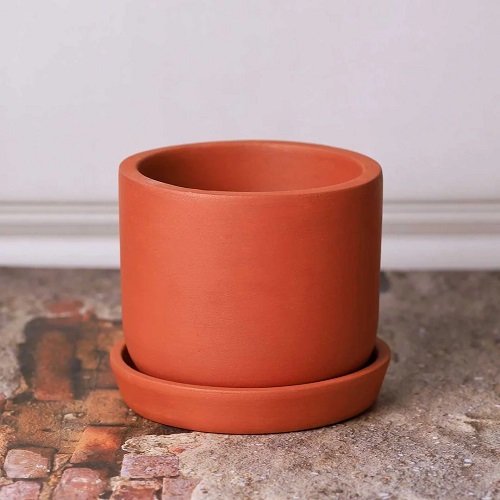
A pot that is too large holds extra soil and moisture. This keeps the roots wet for too long and leads to rot. A pot that is too small restricts root growth and dries out too fast. Fishbone cactus prefers a snug pot with drainage holes. Choose a pot that fits the root ball closely. Repot only when roots clearly outgrow the current container.
7. Overfertilizing the Plant
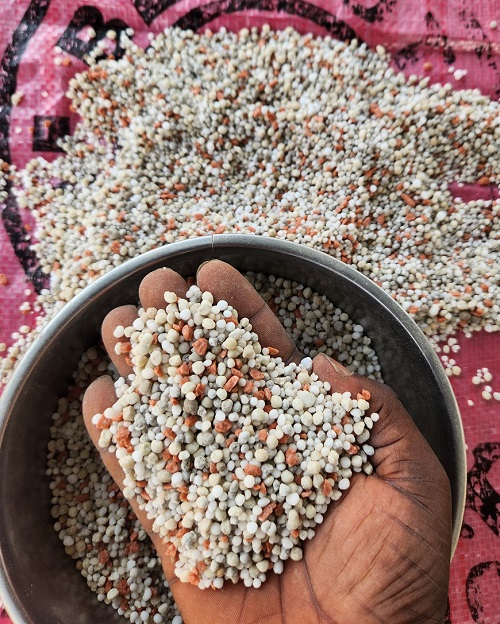
Too much fertilizer burns the roots and damages the stems. Fishbone cactus does not need heavy feeding. Strong chemical fertilizers cause yellowing, weak growth, and salt buildup in the soil. Feed lightly during the growing season using a diluted balanced fertilizer. Skip feeding in winter. Gentle feeding supports growth without stressing the plant.
8. Ignoring Early Warning Signs
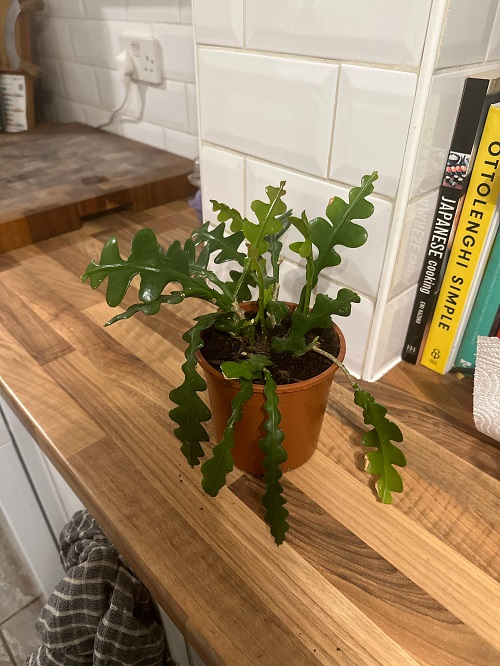
Many people ignore small changes in the plant. Soft stems, color changes, slow growth, or bad smell from soil are warning signs. Delaying action allows problems to spread. Check the plant often. Feel the soil. Look at the roots if needed. Early care fixes prevent serious damage and help the fishbone cactus recover before it is too late.
9. Letting Water Sit on the Stems
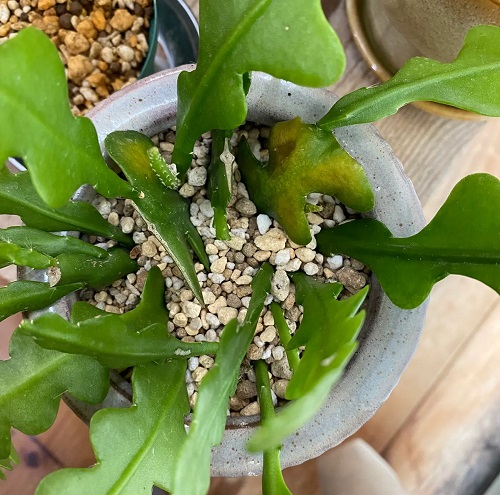
Water trapped in stem folds encourages rot and fungal problems. Fishbone cactus has deep zigzag shapes where moisture can collect. Water sitting for long hours damages tissue. Always water directly into the soil. Avoid soaking the stems. Good air flow helps dry any splash quickly and keeps the plant healthy.