
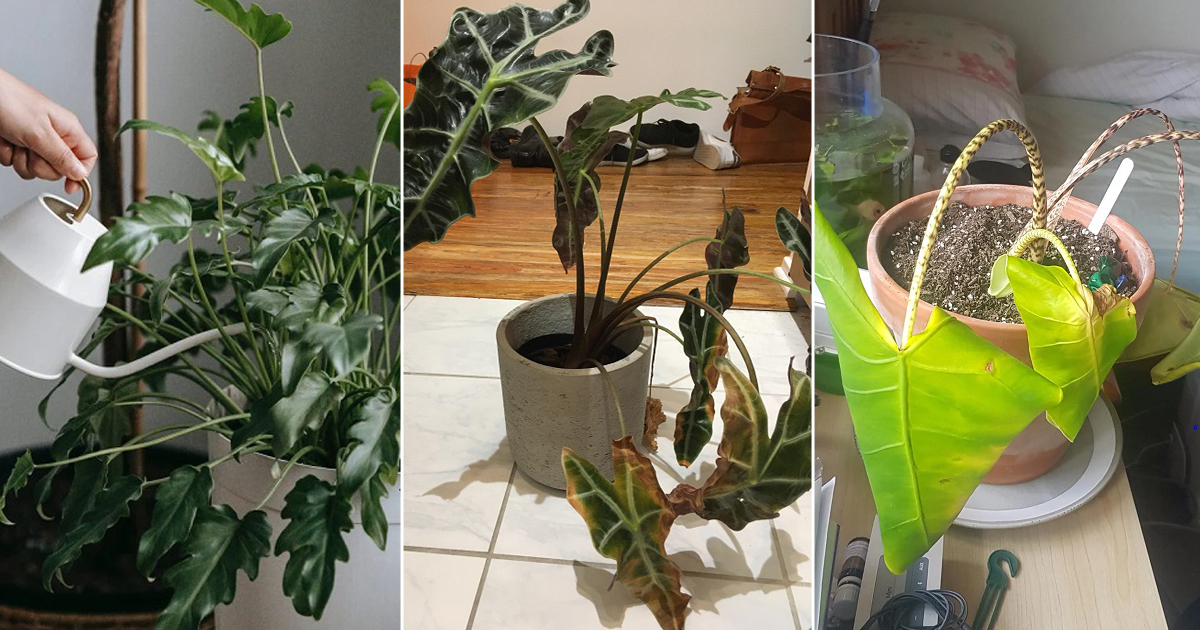
Mistakes that kill Alocasia indoors slowly, such as cold drafts, dry air stress, sudden changes, hidden pests, and constant disturbance.
Alocasia plants often decline slowly indoors due to small daily mistakes. The damage is not sudden, so problems are easy to ignore. Leaves weaken, growth slows, and stress builds over time. Knowing these hidden mistakes helps prevent long-term damage and keeps the plant healthy indoors.
Mistakes That Kill Alocasia Indoors Slowly
1. Overwatering the Plant Again and Again
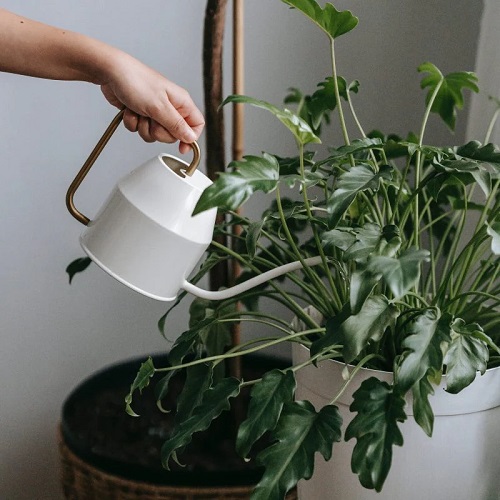
Overwatering is the most common reason Alocasia dies indoors. The roots need air as much as they need water. When soil stays wet for too long, roots begin to rot. Rotten roots cannot absorb nutrients. Leaves start yellowing and collapse. The plant looks thirsty even though the soil is wet. This slow damage often goes unnoticed until the plant is already weak.
2. Letting the Soil Dry Out Completely
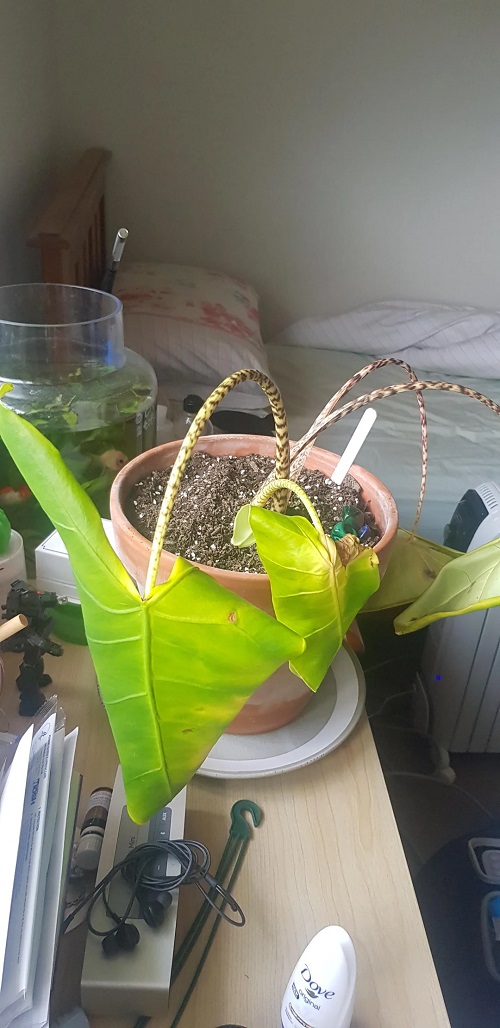
Alocasia does not like dry soil for long periods. Many people forget to water or wait too long. Dry soil causes stress to the roots. Leaves curl, edges turn brown, and growth stops. Repeated drying weakens the plant over time. Even if you water later, the damage stays. The plant loses strength slowly and becomes more prone to pests and disease.
3. Keeping It in Low Light Areas
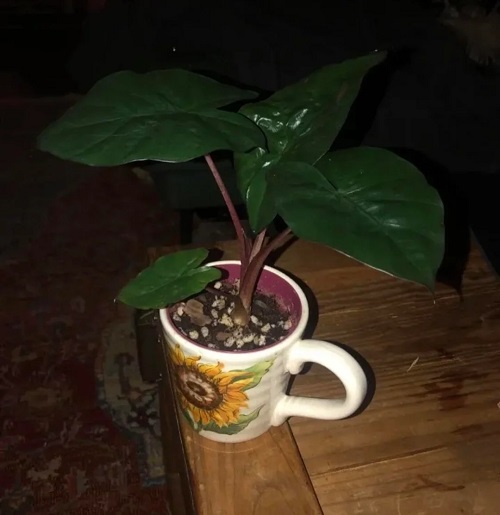
Alocasia needs bright light to stay healthy indoors. Low light slows photosynthesis. Leaves lose color and size. Stems stretch and become weak. New growth becomes smaller and thinner. The plant may survive for months, but will decline steadily. Many people mistake low-light stress for watering problems and continue with the wrong care, which speeds up the decline.
4. Exposing the Plant to Cold Air and Drafts
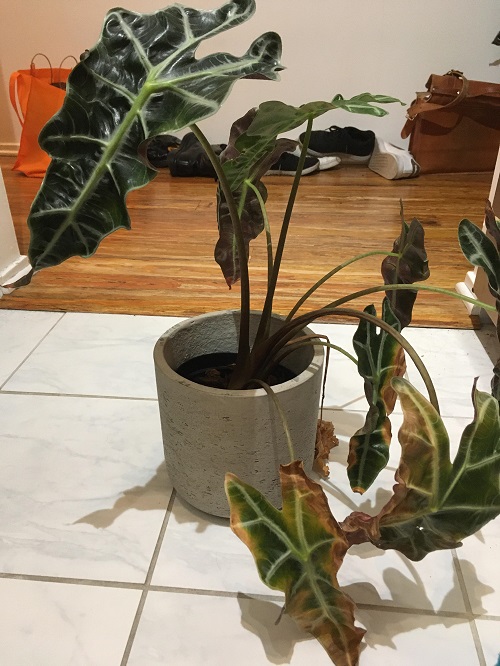
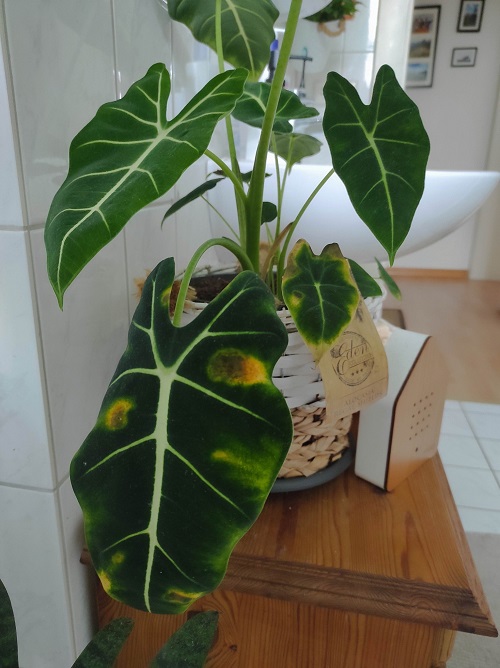
Cold air shocks Alocasia. Air from AC vents, open windows, or cold floors damages leaf tissue. Leaves droop and develop yellow patches. Growth stops during stress. Repeated cold exposure weakens the plant slowly. The plant uses energy to survive rather than to grow. Over time, this stress leads to leaf loss and poor recovery.
5. Using Heavy or Poor-Draining Soil
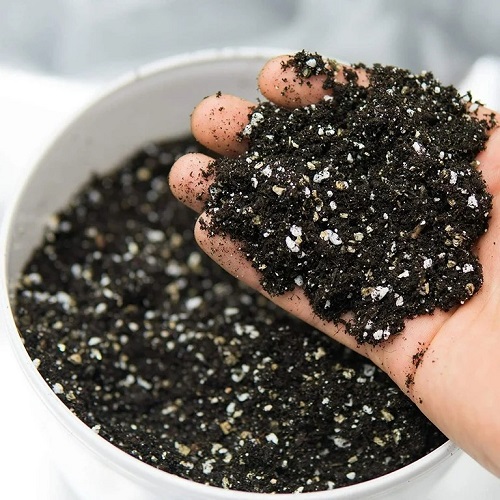
Dense soil suffocates Alocasia roots. Garden soil or compact potting mix holds too much water. This prevents oxygen from reaching the roots. Roots become weak and unhealthy. The plant shows slow growth and drooping leaves. Even correct watering will not help if the soil stays compact. Poor soil quietly damages the plant from below without clear early signs.
6. Ignoring Humidity Needs Indoors
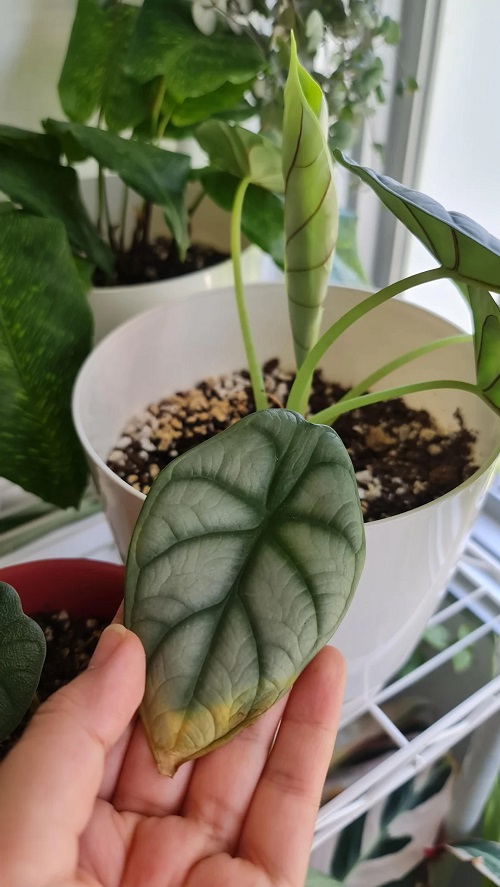
Alocasia comes from humid regions. Dry indoor air causes slow damage. Leaf tips turn brown. Edges crisp up. New leaves struggle to open properly. The plant loses moisture faster than it can replace it. Low humidity weakens leaves and stems. Over time, the plant becomes fragile and more likely to attract spider mites and other pests.
7. Overfeeding or Using Strong Fertilizers
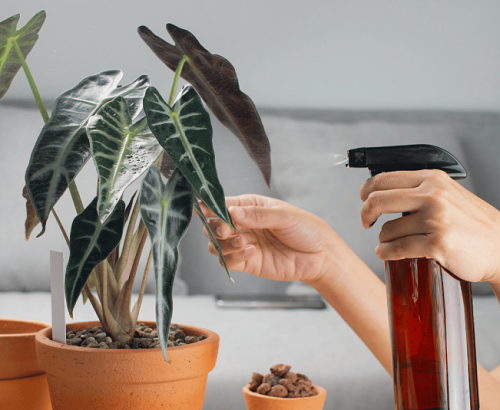
Too much fertilizer burns Alocasia roots. Strong feeding causes salt buildup in the soil. Roots get damaged slowly. Leaves develop brown edges and yellow patches. Growth becomes weak instead of faster. Many people think more fertilizer means better growth. In reality, overfeeding stresses the plant and shortens its lifespan indoors.
8. Not Checking for Pests Early
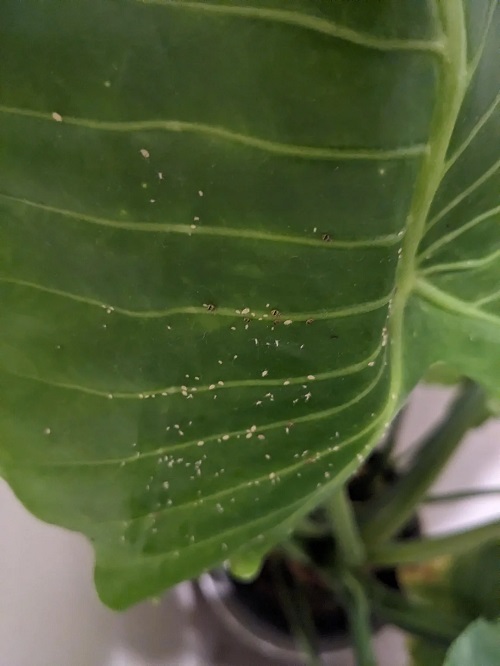
Pests often attack Alocasia quietly. Spider mites, thrips, and aphids feed under leaves and near stems. Early signs are easy to miss. Leaves lose shine and look dusty or curled. The plant weakens slowly as pests drain sap. Ignoring early infestation allows damage to spread. By the time leaves fall, recovery becomes very difficult.