
Mistakes that Make Your Spider Plant Look Thin and Weak
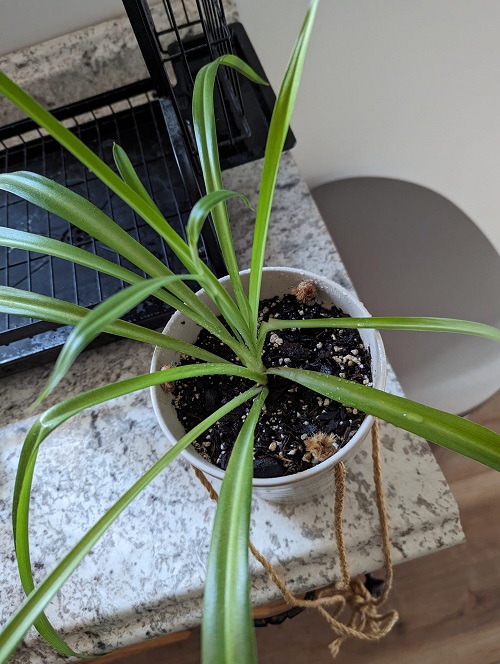
Many people expect a Spider Plant to stay compact and full all the time. In reality, the plant grows in a spreading pattern. Long stems and baby plants appear as it matures. If you constantly remove these stems or trim the plant too often, the plant may stop growing naturally. This can make the center look empty and thin. Let the plant grow in its normal shape. Only remove damaged or very old parts when needed.
Mistakes that Make Your Spider Plant Look Thin and Weak
1. Ignoring the Natural Growth Pattern of the Plant
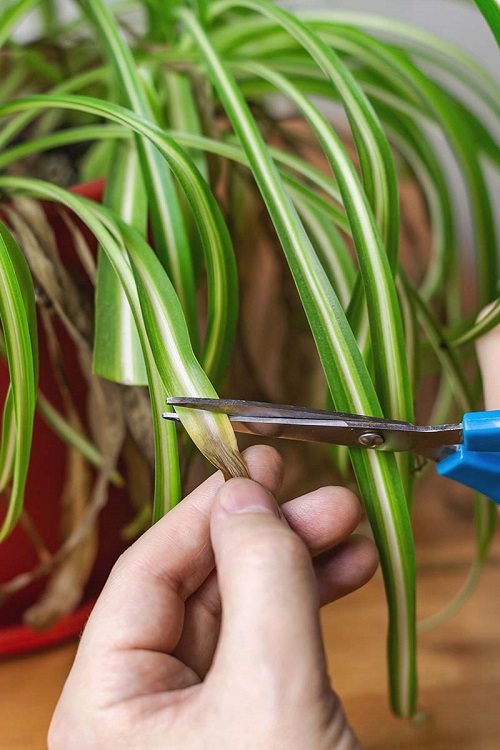
Many people expect a Spider Plant to stay compact and full all the time. In reality, the plant grows in a spreading pattern. Long stems and baby plants appear as it matures. If you constantly remove these stems or trim the plant too often, the plant may stop growing naturally. This can make the center look empty and thin. Let the plant grow in its normal shape. Only remove damaged or very old parts when needed.
2. Overcrowding the Pot With Too Many Babies
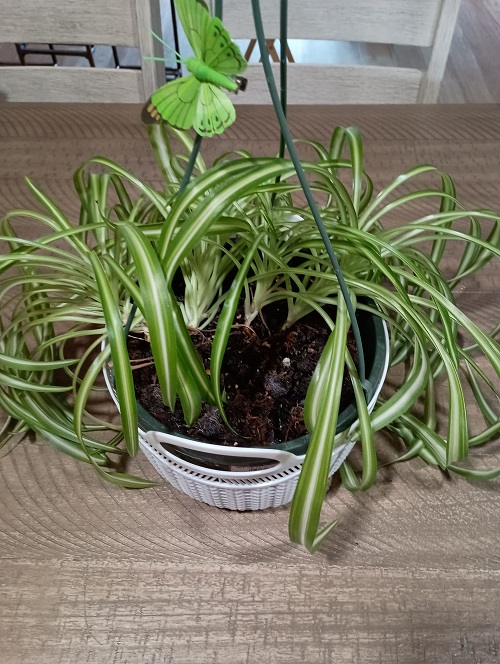
Spider plants produce many small offshoots called spiderettes. Some people keep every baby plant attached to the mother plant. Over time, this creates crowding. The main plant has to share its energy with many small offshoots. As a result, the leaves can become thinner and weaker. Too many babies also make the plant look messy instead of full. Removing a few spiderettes helps the main plant stay stronger and healthier.
3. Keeping the Plant in the Same Pot for Too Long
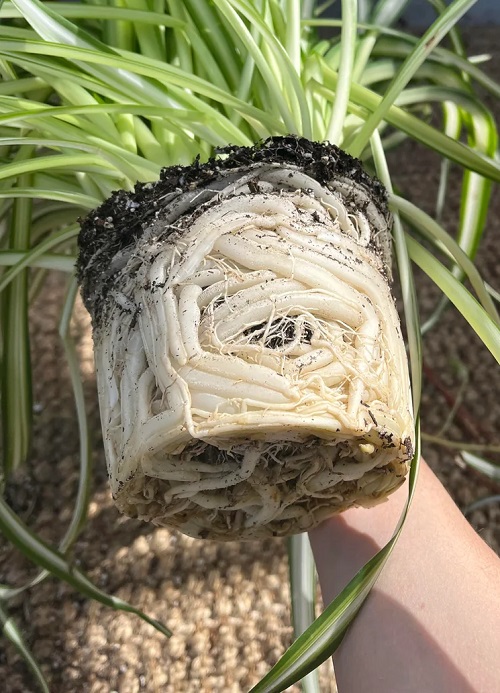
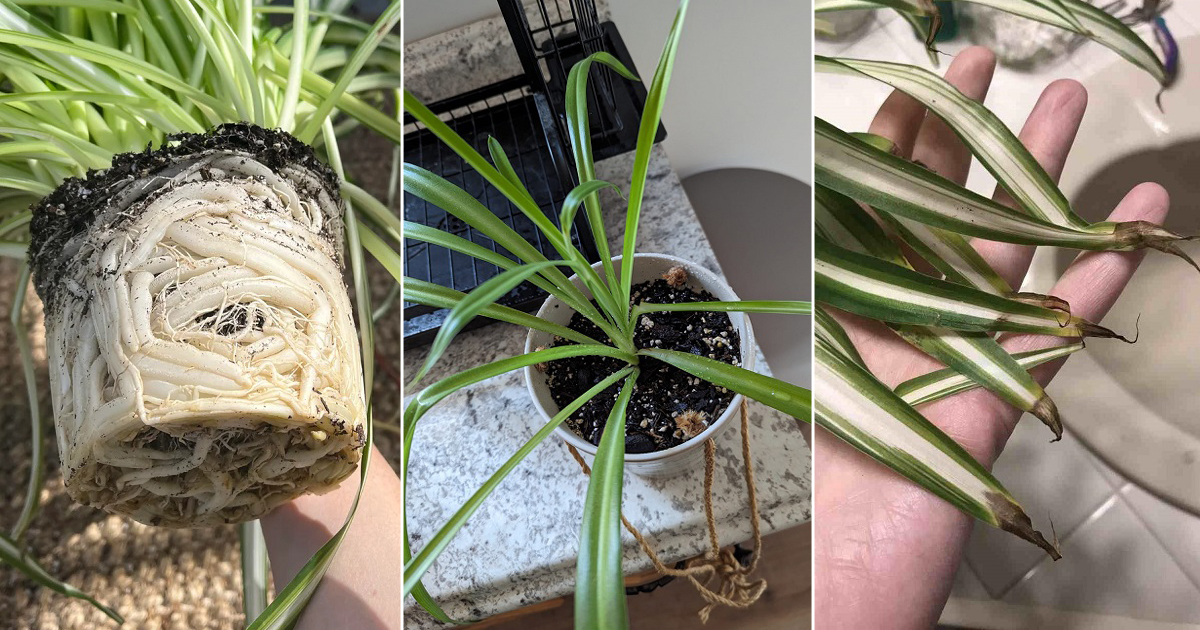
A spider plant can grow quickly. When it stays in the same container for years, the roots fill the pot. This condition is called being root bound. When roots become tightly packed, the plant struggles to support new leaf growth. Leaves may appear narrow, pale, and weak. The plant also slows down its growth. Moving the plant to a slightly larger pot gives the roots more space and helps the plant grow thicker leaves again.
4. Ignoring Signs of Aging
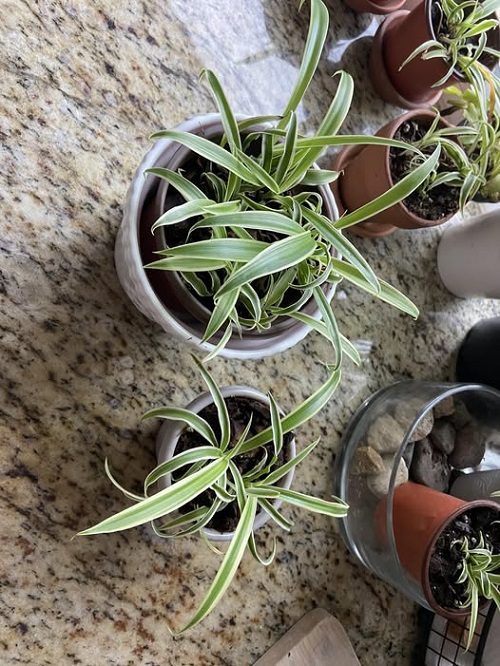
Every spider plant goes through natural aging. Older plants sometimes produce fewer strong leaves. Instead of replacing the plant or dividing it, some people keep the same plant for many years without refreshing it. The center may become empty and weak. Dividing the plant or starting new plants from healthy spiderettes can restore a fuller and stronger look.
5. Letting the Plant Grow Without Occasional Grooming
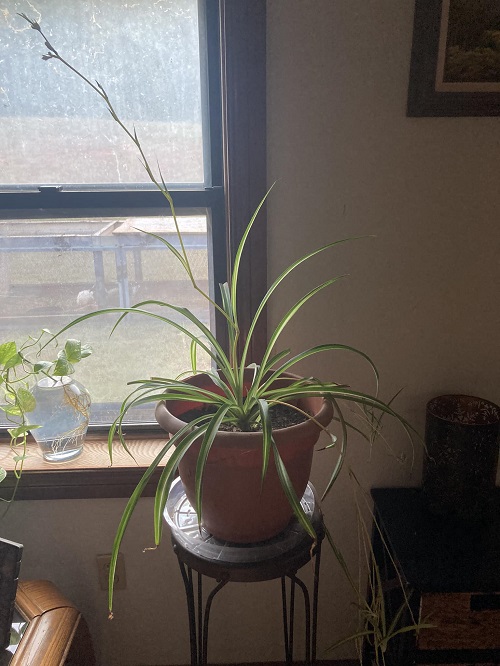
Spider plants grow fast, but they still need light grooming. When damaged, bent, or dry leaves remain on the plant, they make the plant look thin. They also take attention away from healthy leaves. Occasional trimming keeps the plant tidy. It also helps the plant direct its energy toward new and stronger growth instead of maintaining damaged leaves.
6. Allowing Too Many Old Leaves to Stay
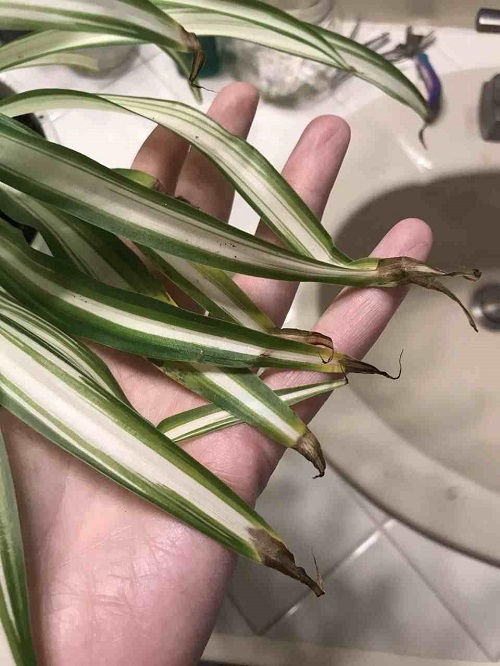
Spider plants naturally replace older leaves with new ones. When old leaves stay on the plant for too long, they drain energy from new growth. These older leaves often turn dull, bend downward, or dry at the tips. If many old leaves remain, the plant starts to look thin and untidy. Regularly removing old and tired leaves keeps the plant neat and encourages stronger new growth.
7. Placing the Plant in a Busy Area
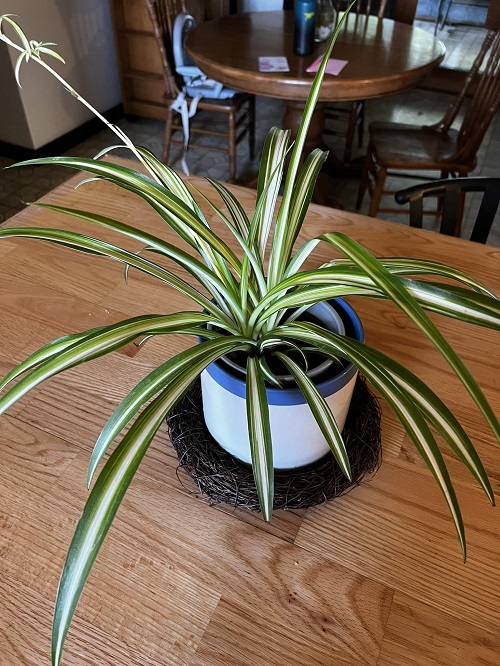
Spider plants may suffer when they sit in places with constant movement. Areas near doors, hallways, or busy tables often cause leaves to bend, break, or get pulled. Frequent touching also weakens the delicate leaves. Over time, the plant loses many healthy leaves and begins to look sparse. Keeping the plant in a calm and stable spot helps protect its long leaves from damage.
8. Cleaning the Leaves Too Roughly
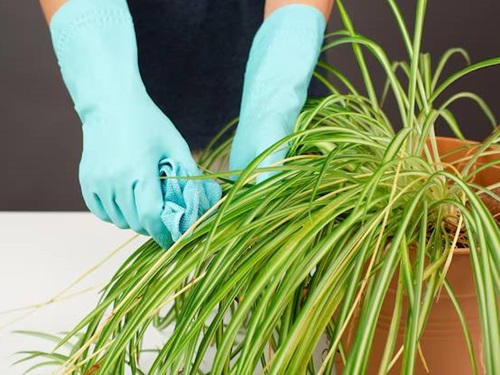
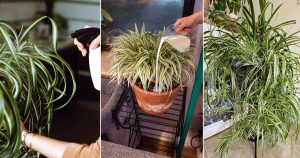
Spider plant leaves are long and flexible. Some people wipe them too hard when removing dust. Rough cleaning can damage the thin leaf surface. Small tears or pressure marks may form. Over time, damaged leaves lose strength and begin to droop. The plant may start looking weak and uneven. It is better to clean the leaves gently using a soft cloth or a light spray of water.