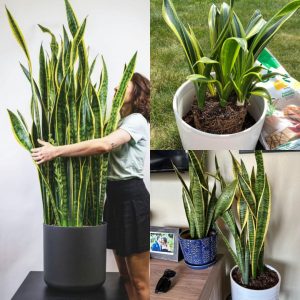

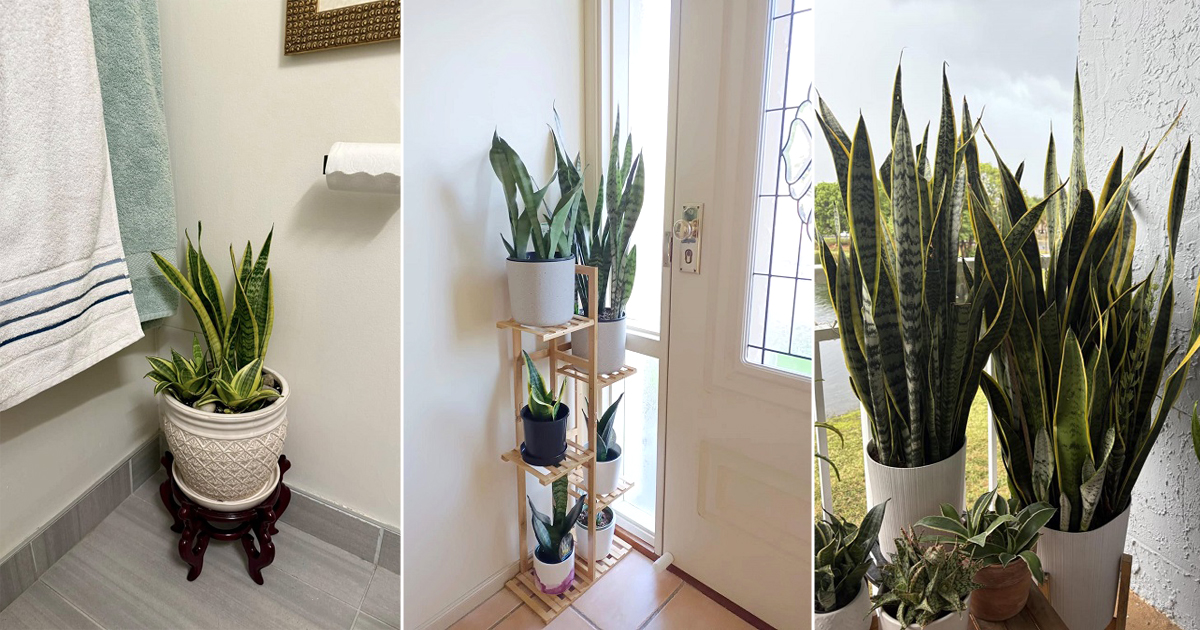
Know about the Places that will kill Snake Plant in Winter and avoid keeping this houseplant in these areas for better health.
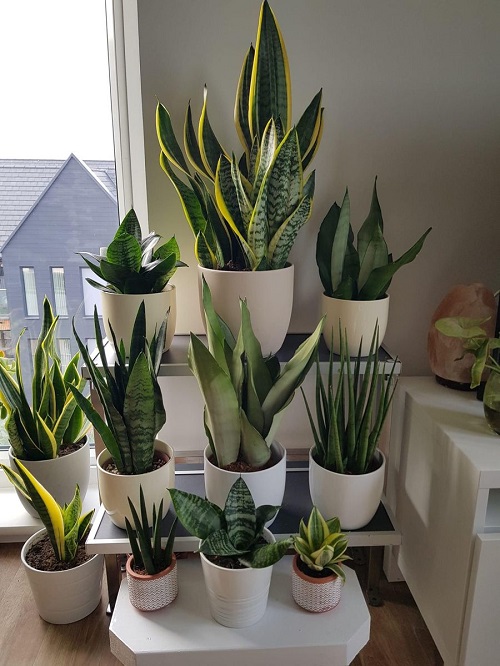
Some spots in your home can harm a snake plant in winter, even if the plant is usually tough. Cold drafts, freezing windows, and damp corners can stress it quickly. Knowing which places to avoid helps your snake plant stay healthy and strong all season. Here are the key spots to keep it away from.
Places that will Kill Snake Plant in Winter
1. Near Drafty Windows
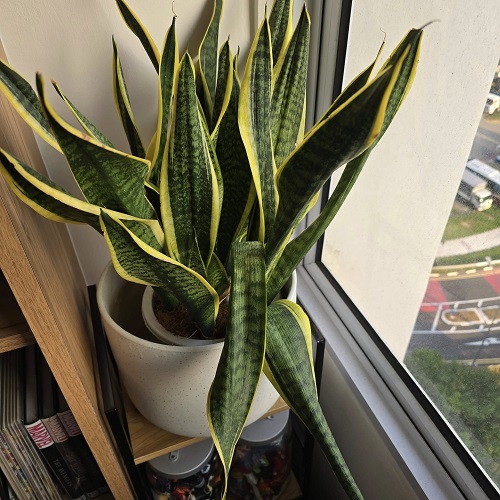
A drafty window can harm a snake plant because cold air enters quickly and drops the temperature around the leaves. Snake plants do not handle sudden temperature changes well. If cold air hits the leaves for hours, the plant can develop soft spots, yellow tips, or mushy sections. Keep the plant away from windows that leak cold air or frost over at night. Choose a location where the temperature stays steady.
2. Close to Exterior Doors
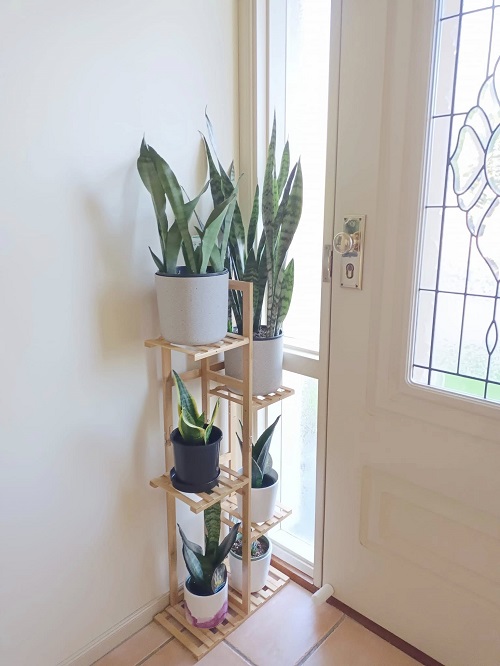
Exterior doors open and close many times during winter. Every time the door opens, cold air rushes in and hits anything placed near it. Snake plants cannot tolerate these blasts of cold. The repeated shock can damage the cells inside the leaves, causing them to droop or collapse. The soil can also become cold, which slows the roots. Place your plant far from entry doors so it stays warm.
3. On Unheated Porches or Balconies
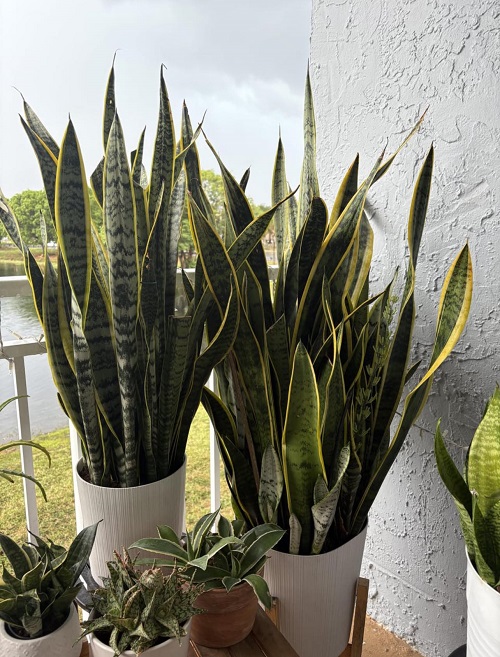
A porch or balcony without heat is too cold for a snake plant in winter. Even if the space feels fine during the day, temperatures drop fast at night. Snake plants can suffer when the temperature goes below 10°C (50°F). The leaves may turn soft or fall over as the plant freezes from the inside. Bring the pot indoors and place it in a stable location where the plant gets protection from cold nights.
4. Right Next to a Heater or Radiator
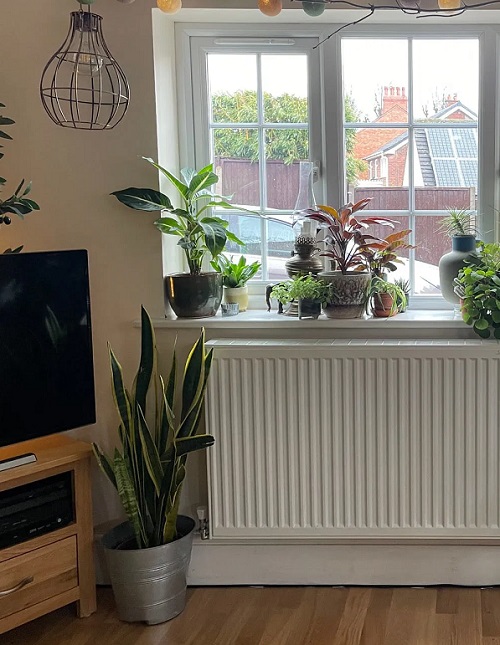
Many people think a warm spot is good for a snake plant, but putting it next to a heater or radiator can also cause problems. The air becomes too hot and too dry. Snake plants prefer moderate warmth and steady moisture in the air. When the leaves sit close to a strong heat source, they can dry out, wrinkle, or burn at the edges. Keep the plant at a safe distance from heaters to prevent heat stress.
5. Dark Corners with No Light
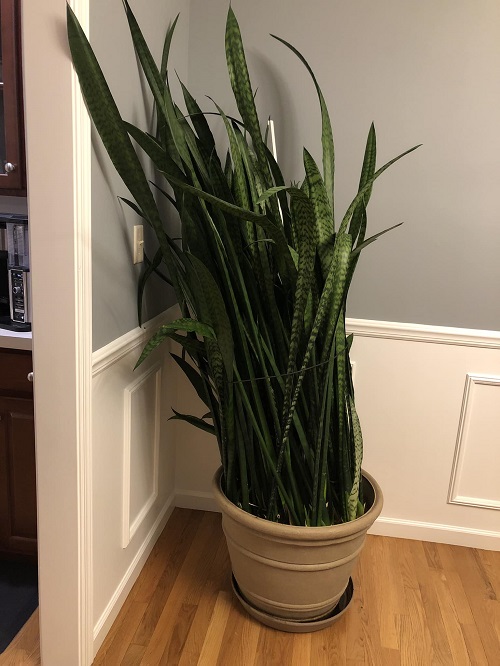
Dark corners are harmful in winter because snake plants already struggle with low light during this season. If the plant sits in a place with almost no light, it cannot produce enough energy. The leaves may stretch, fade, or weaken. Growth slows, and the plant becomes more sensitive to cold. Place your snake plant where it gets some natural light, even if it is indirect.
6. Cold Floors or Concrete Surfaces
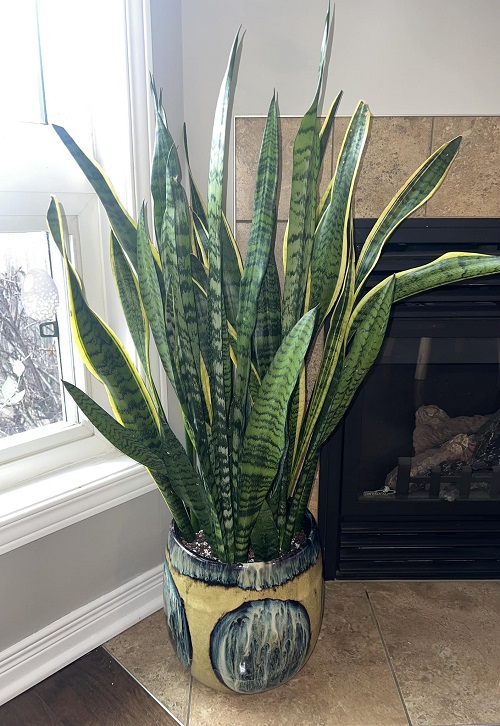
Cold floors can affect the plant’s roots because pots absorb the temperature of the surface they sit on. Concrete, tile, or stone floors become very cold in winter. When a snake plant sits on these surfaces, the roots can become chilled and stop working well. The plant may show signs of stress like drooping leaves or slow growth. Use a small stand or place the pot on a wooden surface to protect the roots.
7. Bathrooms with Poor Heating
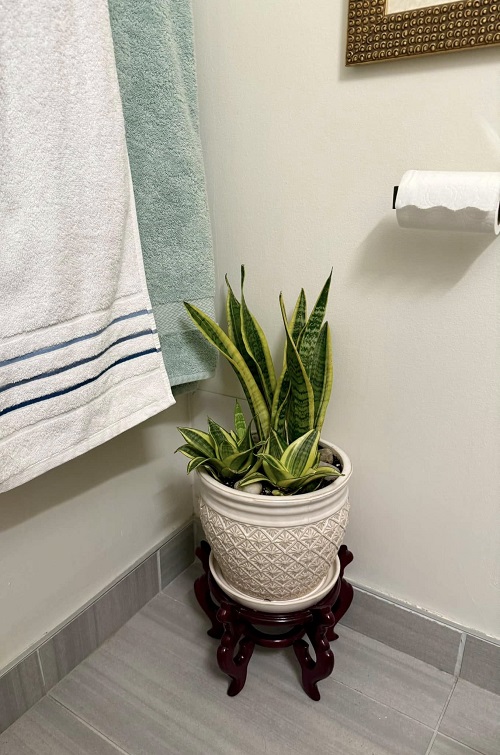
Some bathrooms stay cold in winter, especially if they have poor insulation or no heating. A cold and damp bathroom can cause leaf damage and root rot. Snake plants like some humidity, but they cannot handle long periods of wet and cold air together. Moisture in a cold room makes the soil stay wet for too long. Move the plant to a warmer room until the season changes.
8. Basements Without Light or Heat
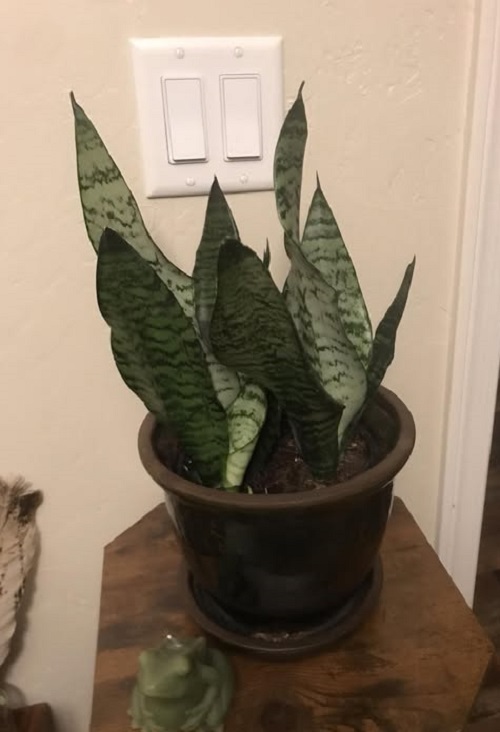
Basements often stay dark and cool, which makes them risky places in winter. Snake plants need some warmth and light to stay stable during colder months. A basement that has no windows or heating can lower the plant’s temperature and slow its growth. The leaves may become weak, and the plant may rot from the roots. Keep your snake plant on the main floor where it gets better conditions.