
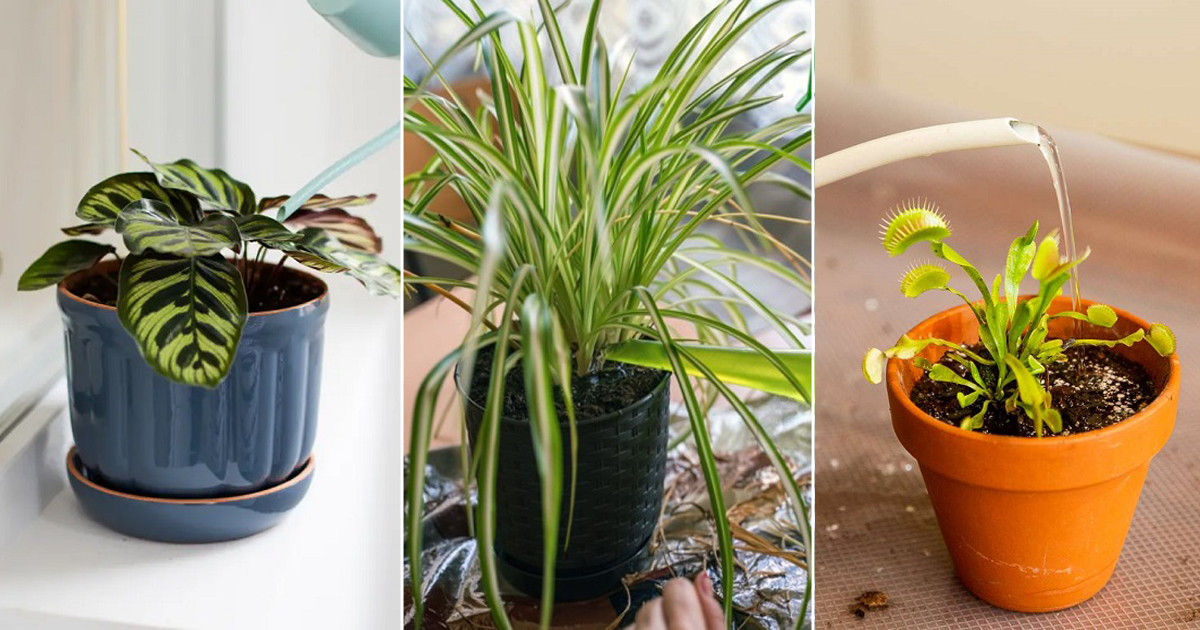
Explore the exquisite Plants that Grow Better with Distilled Water and also that ones which don’t mind the water quality.
Plants that Grow Better with Distilled Water and That Don’t Mind is a helpful guide for anyone who wants healthier houseplants. Some plants prefer pure water, while others can handle tap water easily. Knowing the difference can help your plants grow stronger, stay green, and look fresh every day.
Plants that Grow Better with Distilled Water
Why Some Plants Need Filtered Water
Some houseplants are sensitive to minerals and chemicals in tap water. These substances build up in the soil over time. This can damage roots and leaves. You may notice yellowing leaves or dry brown edges. Filtered water removes most of these harmful elements. It helps sensitive plants stay healthy and grow properly.
1. Ti Plants (Cordyline fruticosa)
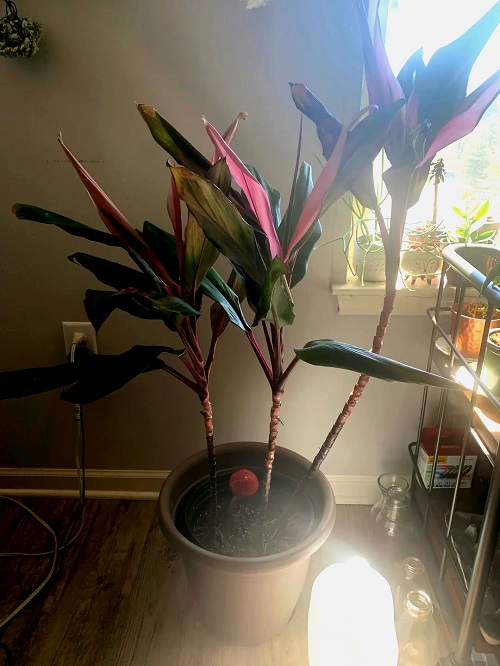
Ti plants look beautiful with their colorful leaves, but they are sensitive to tap water. They do not like chemicals like fluoride and chlorine. These can cause brown spots and dry edges on the leaves.
These plants grow in tropical areas where they get clean rainwater. They are not used to the chemicals found in tap water. If you grow them indoors, water quality is very important for their health.
You may see brown or black spots on the leaves. The edges may turn brown, and leaves can fall early. The plant may also lose its bright color and look dull.
In Hawaiian culture, ti plants are seen as lucky and special. But they need to stay healthy to keep that beauty, and using clean water helps them grow well.
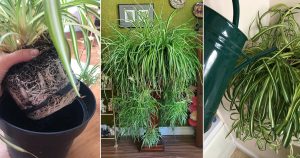
2. Spider Plant
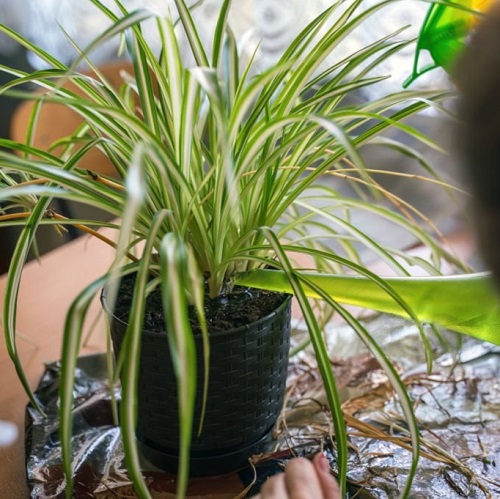
Spider plants may look strong and easy to grow, but they are sensitive to fluoride in tap water. Those brown tips on the leaves are often caused by fluoride, not by lack of water or low humidity.
It is better to use filtered or distilled water. You can also let tap water sit for 24 hours, but this only removes chlorine, not fluoride. Many cities add fluoride to water, but spider plants do not like it.
Watch for signs like brown and dry leaf tips that slowly spread. The plant may grow weak and produce fewer baby plants. An interesting fact is that spider plants belong to the lily family, and many plants in this group are also sensitive to fluoride.
3. Carnivorous Plants (Venus Flytraps, Pitcher Plants, Sundews)
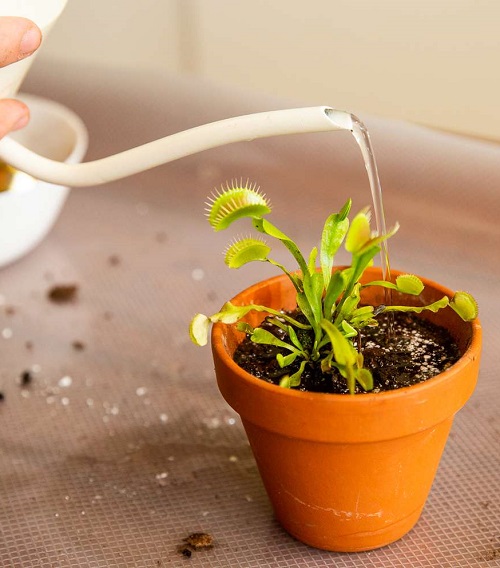
If your Venus flytrap died even after you followed all the care steps, the problem was likely the water. Carnivorous plants are very sensitive to minerals in tap water. They need clean water like distilled water, reverse osmosis water, or rainwater to stay healthy.
Carnivorous plants are very picky about water because of where they grow in nature. They come from bogs and wetlands where the water is very clean and has very few minerals. Their roots are not used to salts and minerals, so even normal tap water can harm them.
Tap water contains things that can harm these plants. It has chlorine, chloramine, fluoride, and minerals. These are called total dissolved solids (TDS). Most carnivorous plants need very clean water with less than 50 ppm of these dissolved solids.
If the water is not right, the plant shows clear signs. Venus flytraps may develop black and soft traps. Leaves may turn yellow or brown. The plant may weaken even if light and humidity are correct. In some cases, roots may start to rot.
Tip: You can check your water using a simple and low-cost TDS meter. If the reading is above 50 ppm, use distilled water for your carnivorous plants to keep them safe and healthy.
4. Dracaenas (Dracaena marginata, Dracaena fragrans, etc.)
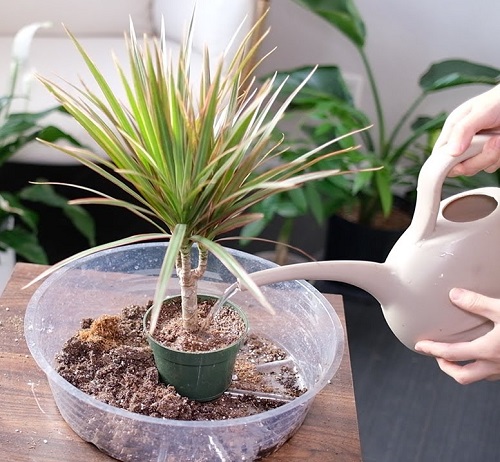
Dracaena plants are very sensitive to fluoride in tap water. This often surprises people because these plants are usually easy to care for. Fluoride damage is one of the most common problems with dracaenas.
You may see brown tips on the leaves that slowly spread. Leaves can also turn yellow, and the plant may start to look weak. Dracaenas belong to a group of plants that are more sensitive to fluoride than others.
They are sensitive because they come from places like Madagascar, where water and soil have very low fluoride. They are not used to the levels found in tap water.
A simple fix is to use distilled or filtered water. You may see healthier new growth in a few weeks. Damaged leaves will not recover, but new leaves should grow better.
5. Calathea and Prayer Plants
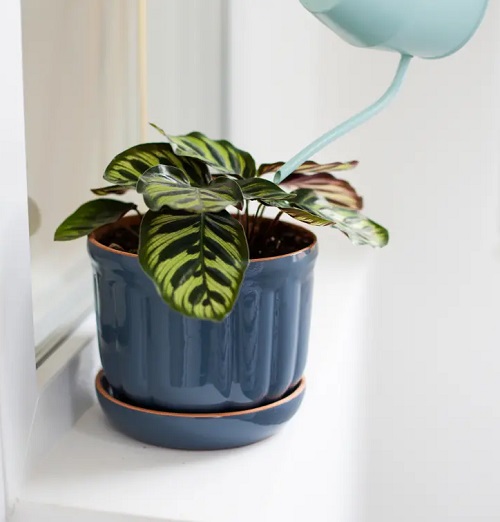
Prayer plants and calatheas are known to be picky about water. These tropical plants do not like chlorine, chloramine, or fluoride in tap water. This can cause brown edges, curled leaves, and weak growth.
If your calathea leaves look dull or your prayer plant keeps getting brown edges even with good humidity, the problem may be the water. These plants grow in rainforests and are used to clean rainwater.
Watch for signs like brown tips or edges, leaves that curl or fold, and a dull or weak look. They may also get pests more easily.
To fix this, use filtered water, distilled water, or rainwater. You can let tap water sit for 24 to 48 hours to remove some chemicals, but this will not remove fluoride.
The 5 Plants That Don’t Care About Tap Water
1. ZZ Plants
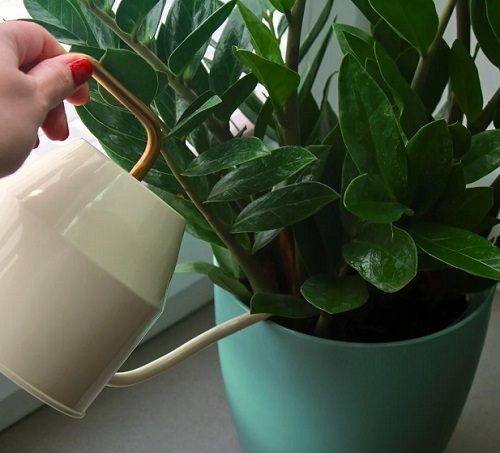
ZZ plants are very easy to care for, and they can grow well with normal tap water. They are not affected much by chlorine, fluoride, or minerals in the water.
You can water your ZZ plant with tap water without any special treatment. In fact, they are more likely to have problems from too much water than from water quality.
These plants are popular because they can handle low light and do not need frequent watering. They are very strong and hard to damage.
ZZ plants come from dry areas in eastern Africa. They are used to tough conditions, which makes them able to handle different types of water easily.
2. Monstera
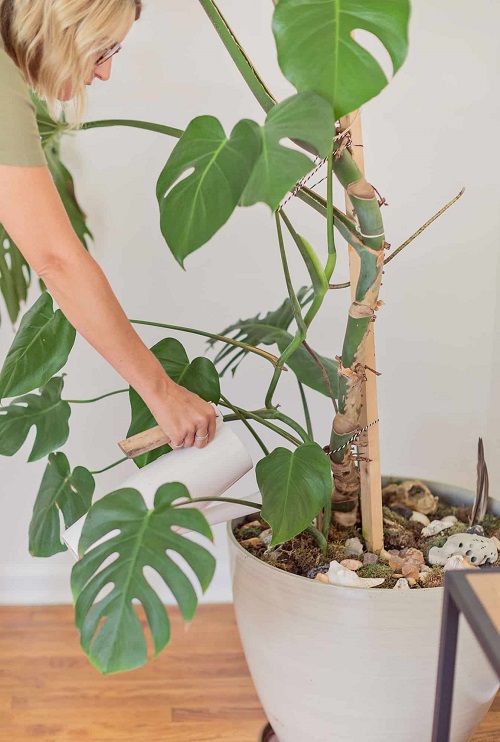
Monstera plants can grow well with normal tap water. They are not very sensitive to chlorine, small amounts of fluoride, or common minerals in water.
You can use tap water without worrying about damage to the leaves or slow growth. These plants care more about getting enough light and having good drainage than about water quality.
Even though they are tropical plants, monstera can adjust to different conditions, including different types of water.
Because they can handle tap water, you can focus more on giving them space and light to grow well.
3. Rubber Trees
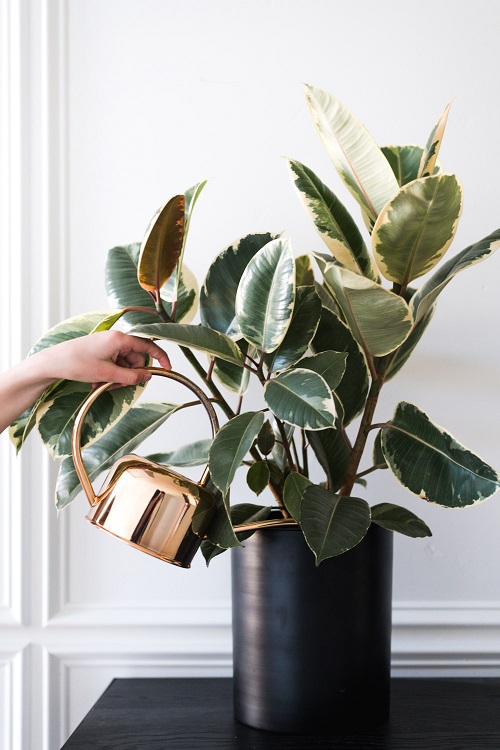
Rubber plants are easy to care for and do well with normal tap water. They are not sensitive to chlorine, fluoride, or minerals in the water.
You can use regular tap water without worry. These plants care more about good drainage and avoiding too much water than about water quality.
Rubber plants come from India and Southeast Asia, where water conditions can change. This makes them strong and able to adjust easily as indoor plants.
Easy care: Rubber plants grow well with tap water, which makes them a great choice for busy people or beginners who want simple plant care.
4. Snake Plants
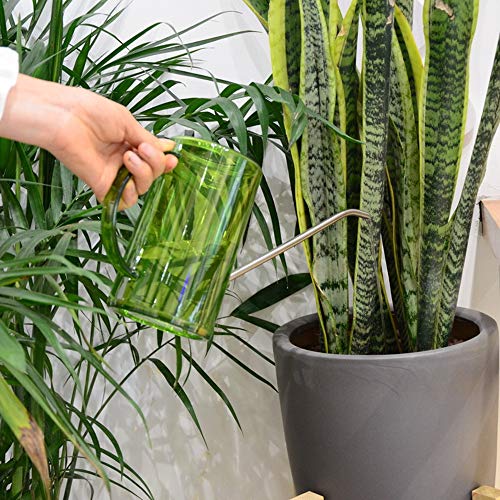
Snake plants are very easy to care for and grow well with normal tap water. They are not affected by the chemicals or minerals usually found in water.
You can safely use tap water for snake plants. They are more sensitive to overwatering than to water quality, so it is better not to water them too often.
Snake plants come from dry areas of West Africa. They are used to different water conditions, which makes them strong and adaptable.
They are a great choice for beginners because they can handle low light and need very little care.
5. Pothos
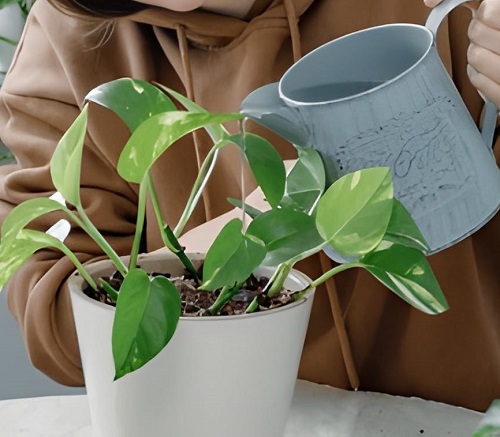
Pothos plants are very easy to care for and can grow well with normal tap water. They do not mind chlorine, fluoride, or the minerals found in most water supplies.
You can use tap water directly without any problem. Pothos can even grow in plain water for a long time, which makes them great for propagation.
They are so tolerant because they grow in tropical forests and adapt to different conditions as they spread and climb.
This makes pothos a great choice for beginners or busy people who do not want to worry about special water needs.