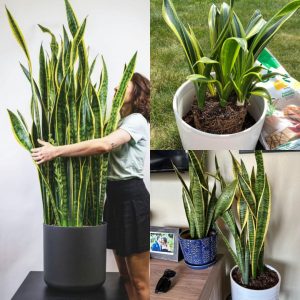

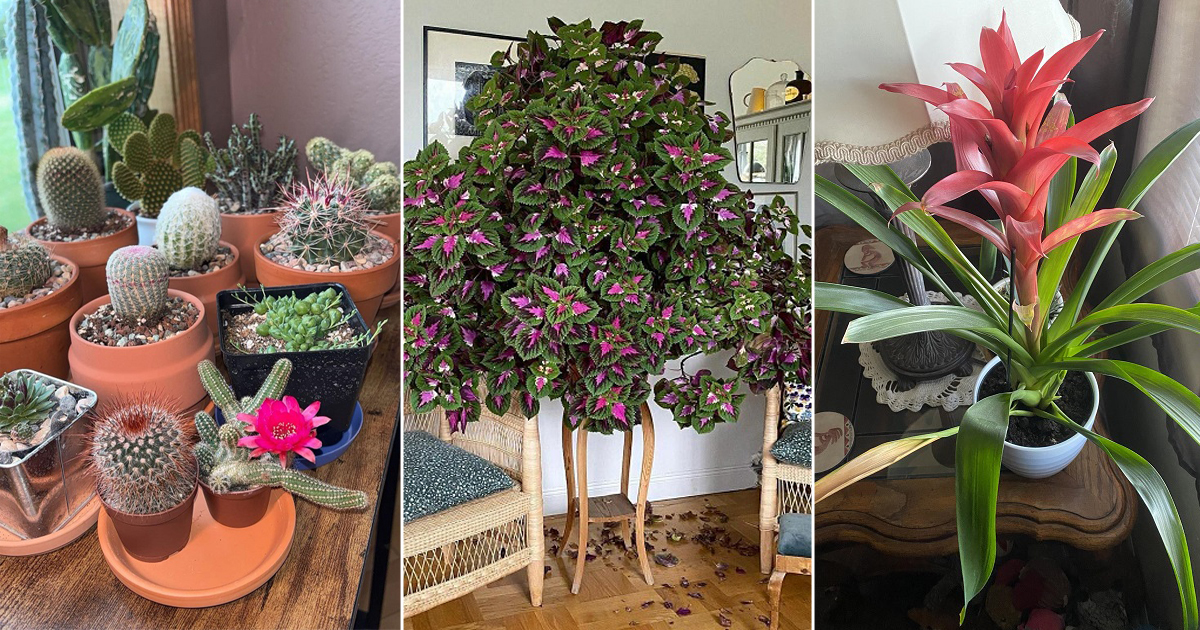
Keep your favorite plants safe this winter. Learn which plants you should bring indoors before frost to protect them from damage and keep them growing strong.
Frost can damage many of your favorite plants, so it is important to bring the sensitive ones indoors before temperatures drop. Moving them inside keeps them warm, healthy, and alive through winter. With the right care and timing, you can protect your plants and help them grow well again in spring.
Plants You Should Bring Indoors Before Frost
1. Succulents
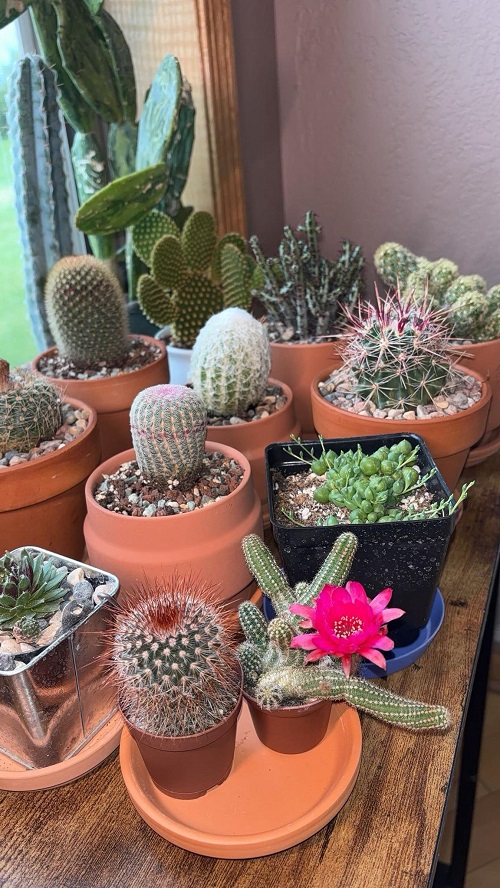
Non-cold-hardy succulents and cacti, such as aloe, echeveria, crassula, aeonium, senecio, and many sedum types, should be brought indoors before the first frost. You can keep them in a greenhouse, a conservatory, or in front of a bright south-facing window during winter.
A few days before bringing them inside, water your succulents deeply. Take some time to care for them by checking for pests, removing any dead leaves or debris, and brushing the pots so they look neat.
If you plan to keep these plants indoors over the winter, they need to be prepared for life inside. This is done the opposite way of preparing plants for spring outdoors. Gradually introduce them to warmer conditions before fully moving them inside. This helps prevent stress and leaf drop.
The biggest mistake in winter care is overwatering. Most succulents are dormant in winter and only need water when the soil is dry. Too much water can cause root rot, which is a common problem during the colder months.
2. Pelargoniums
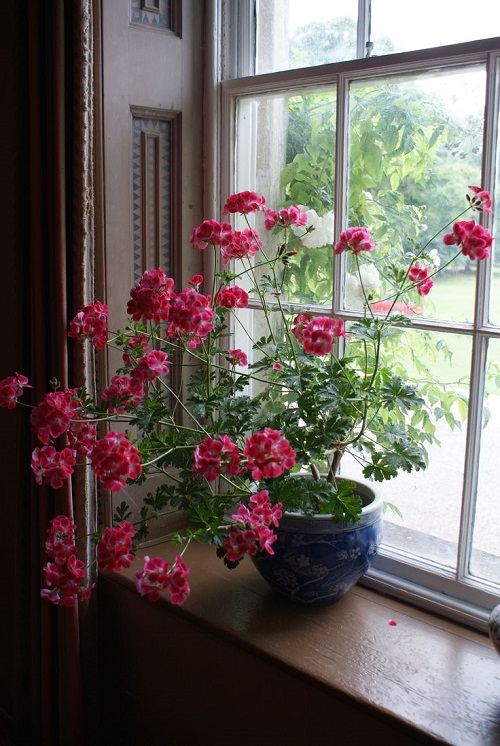
Pelargoniums, also called hardy geraniums, are tender perennials with bright flowers and fragrant leaves.
There are many varieties, each with its own scent. If you bring them indoors before frost, they can keep flowering during winter at temperatures around 45-50ºF. This is better than throwing the plants away, as you can enjoy their blooms and fragrance for longer.
To overwinter geraniums indoors, move the pots to a covered, bright, frost-free spot. You might need to repot plants from flower beds or larger containers. Good places include a greenhouse, conservatory, sunroom, or a sunny windowsill.
Water them only when the top two inches of soil feel dry, usually every few weeks. Pinch back the stems to encourage new growth.
You can also lift the plants and store them bare-root, wrapped in newspaper, in a frost-free shed or garage. But this method won’t let you enjoy their flowers or scent over winter.
3. Herbs
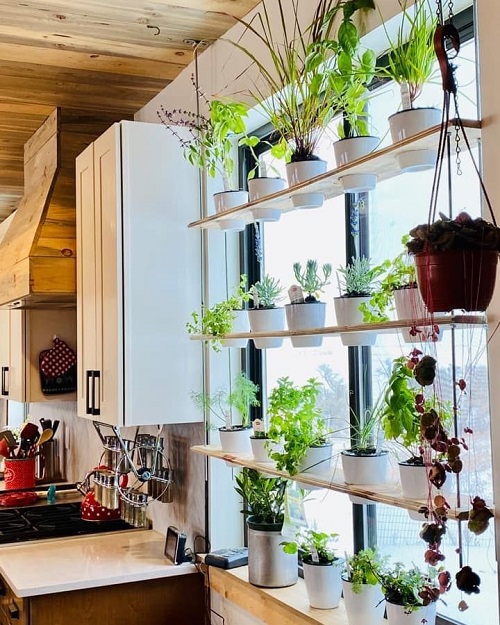
Why not grow a small indoor herb garden for the winter? You can enjoy fresh leaves for cooking all season. Herbs in pots on a kitchen windowsill won’t grow very fast in winter, but they can still give you enough to use in meals.
Tender herbs like dill, parsley, and chives do well on a sunny windowsill. Hardier herbs like sage, rosemary, and mint can also thrive if they get at least six hours of light each day. Indoor herbs like some extra humidity, so you can place their pots on a tray with pebbles and water to keep the air around them moist.
Before bringing herbs indoors, check for pests and treat any problems. Be careful not to overwater them, as indoor conditions require less water than outdoor conditions.
4. Fuchsias
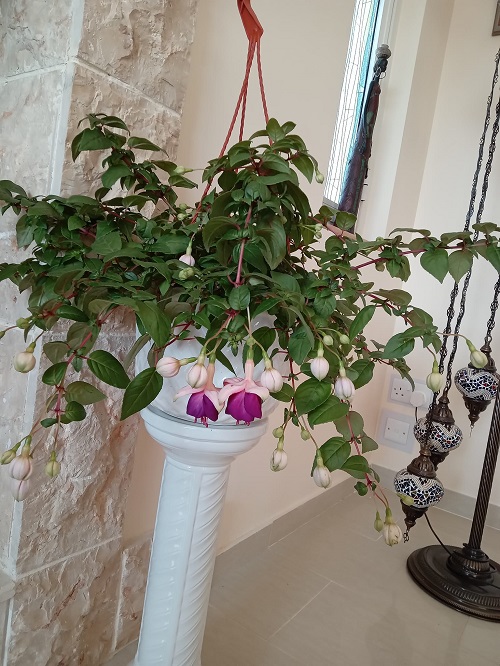
Tender fuchsias are popular for adding color and drama to summer gardens. Many gardeners grow them in hanging baskets or containers, where their trailing flowers hang over the edges beautifully.
Many people throw fuchsias away in winter, but you can keep them alive without much trouble. Potted fuchsias can stay indoors over winter, but they are a bit tricky to grow indoors. An easier way is to keep them dormant during the cold months.
To do this, cut back the fuchsias and move them to a dark, frost-free place like a garage, basement, shed, or outbuilding. Water them only occasionally to stop the soil from drying out. In spring, after the frost has passed, you can move them back outside.
5. Coleus
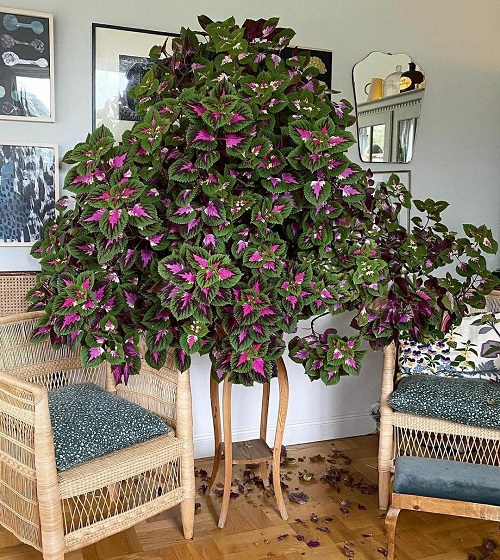
Coleus are popular for their bright, colorful leaves, which can range from deep purple to lime green. They are sensitive to frost, so they need protection in cold weather.
Many gardeners grow coleus as annuals and throw them away after the first frost. But you can bring them indoors and keep them alive for next year.
Move the container coleus inside when temperatures are expected to drop below 50°F. If they are growing in flower beds or mixed planters, pot them up before bringing them in.
Keep the pots in a warm spot with indirect sunlight. During winter, you can pinch back the growing stems to keep the plants compact and bushy.
Another way to save coleus is to take cuttings in the fall before frost. You can grow new plants from these cuttings indoors over winter.
6. Bromeliads
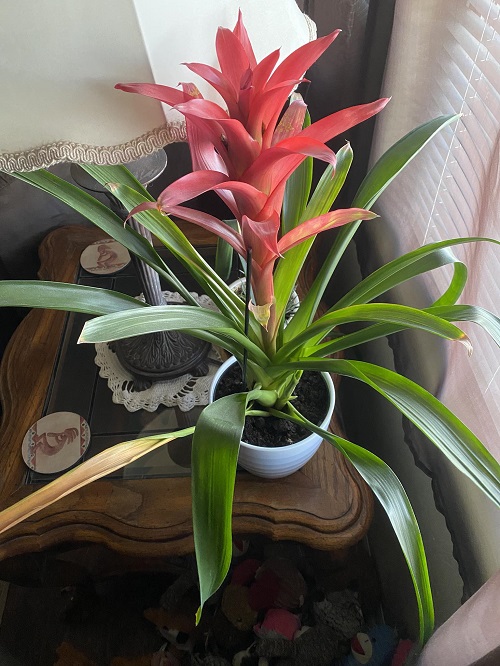
Bromeliads add a tropical feel to any garden or home. In warm climates, they can grow outdoors in summer.
They are tropical plants and can only stay outside all year in very warm areas (US hardiness zones 10+). In cooler places, you need to bring them indoors for winter. Watch the weather and move them inside when nighttime temperatures are expected to drop to around 50°F.
Before bringing bromeliads indoors, check the plant and pot for pests. Aphids and mealybugs can hide in the leaves and soil and may cause problems inside your home.
To prevent this, spray the plants with insecticidal soap to remove any pests before moving them indoors.
7. Agapanthus
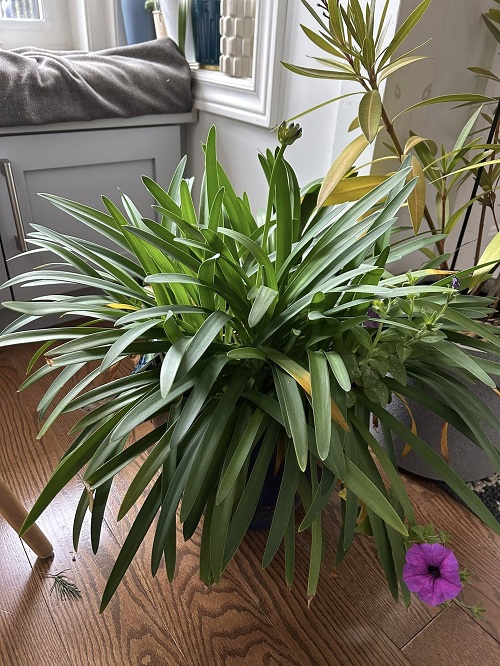
Agapanthus are loved for their tall, beautiful flower spikes. However, they are tender plants and need protection in winter, except in the warmest areas.
Deciduous agapanthus are a little hardier than evergreen types, but both need care to survive winters in cooler areas (US hardiness zones 8 and below).
If you grow agapanthus in pots, you can move them indoors to an unheated greenhouse or porch. You can also place the pots next to a south-facing wall for extra protection.
Another option is to lift the rhizomes from the soil, let them dry for a few days, and store them indoors in a box filled with shredded paper until spring.