
Pruning at the wrong time can ruin blooms. Learn which plants you should never prune in spring and save your garden from costly mistakes.
Spring is an exciting time for gardeners because it marks the start of the growing season. New shoots appear, pollinators return, and many people visit garden centers more often. It feels natural to clean up the garden on warm days. However, pruning too early can cause problems. Many plants bloom on old wood, and spring pruning can remove flower buds before they open.
Plants you Should Never Prune in Spring
1. Forsythia
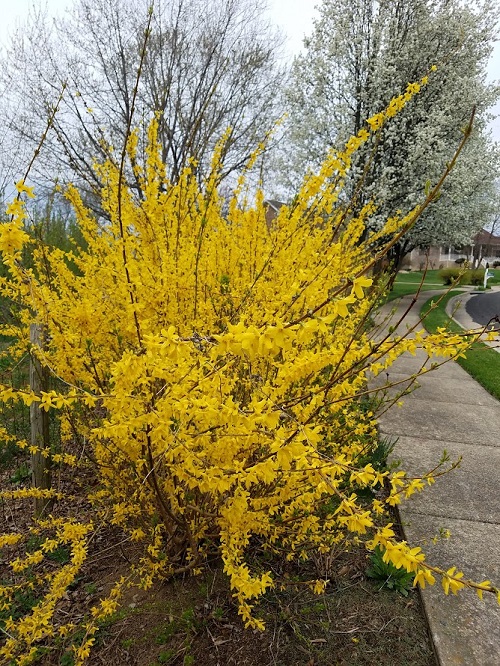
Forsythia (Forsythia ssp.) is one of the earliest plants to bloom in spring. In warmer areas, it can flower as early as late February or early March. The plant can grow fast and look messy. Even so, you should not prune it in spring before it blooms. Always wait until the flowers fade before pruning.
2. Hydrangea
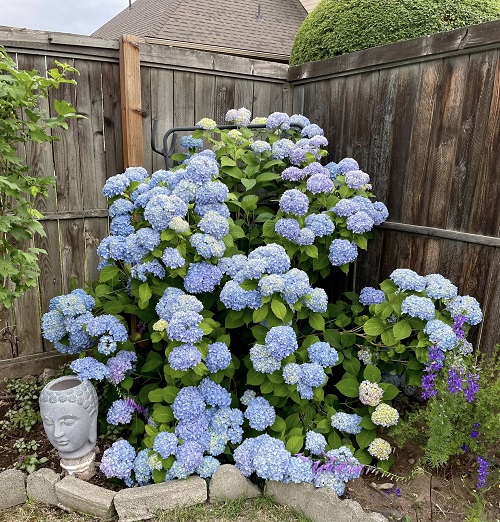
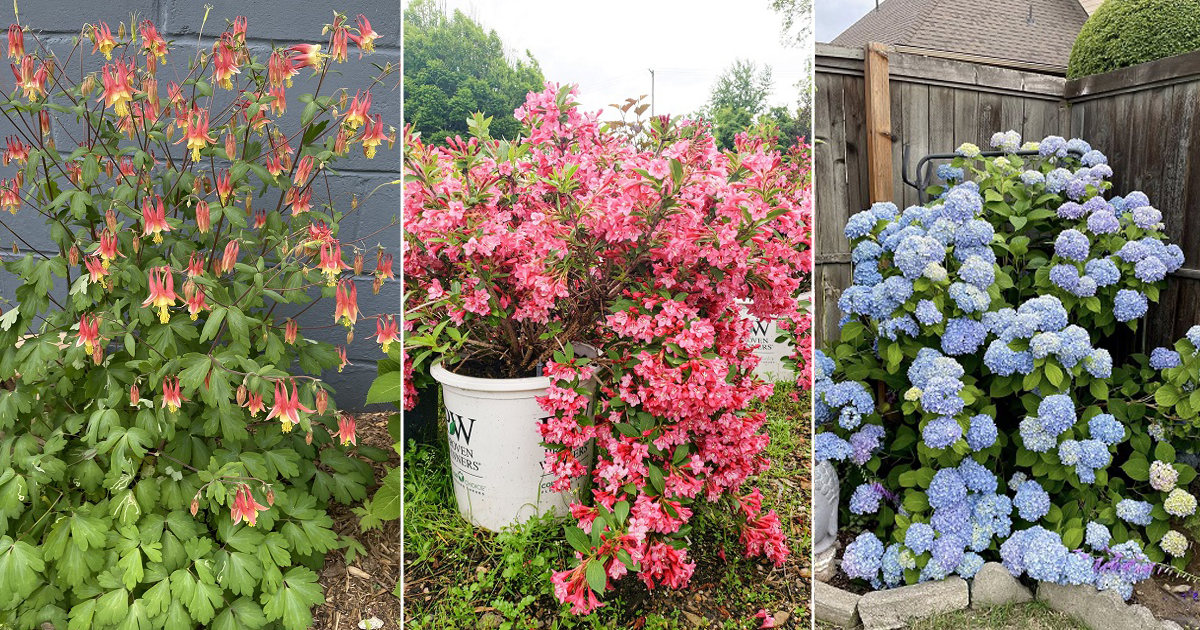
Some hydrangea types, like bigleaf (Hydrangea macrophylla) and oakleaf hydrangeas (Hydrangea quercifolia), bloom on old wood. This means their flower buds form the year before. If you cut them in spring, you remove the buds and get few or no flowers that year. Prune them only after flowering or in late summer if you need to shape the plant.
Panicle hydrangeas (Hydrangea paniculata) and smooth hydrangeas (Hydrangea arborescens) are different. They bloom on new wood. You can safely prune them in late winter or early spring.
3. Rhododendron
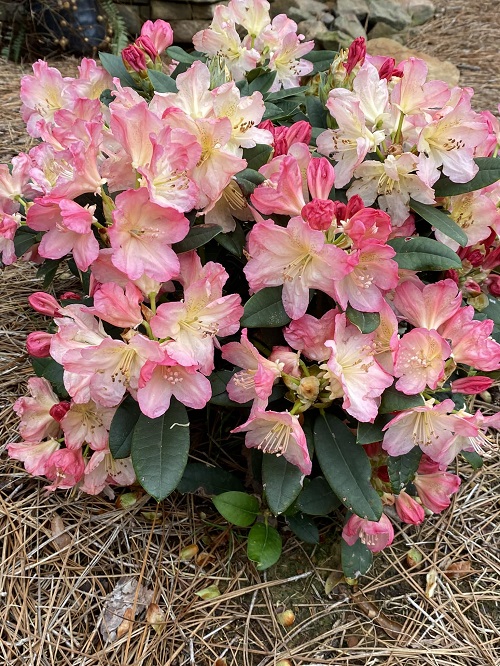
Rhododendrons (Rhododendron spp.) form their flower buds in the previous year. If you prune them in spring, you cut off these buds and lose flowers for the whole season. If pruning is needed, wait until the plant finishes flowering. This helps keep its shape without reducing blooms.
4. Lilac
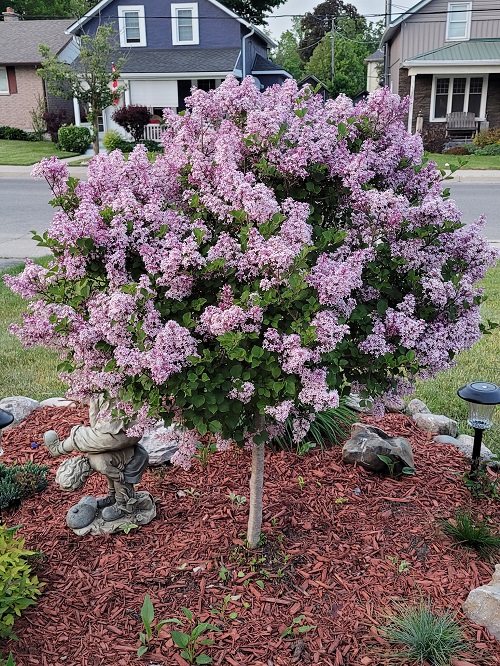
Lilacs (Syringa spp.) bloom on old wood. They form their flower buds during the previous summer. If you prune them in spring, you cut off these buds and lose flowers for that year. The best time to prune lilacs is right after they finish flowering. This helps new growth form for next year’s blooms.
5. Weigela
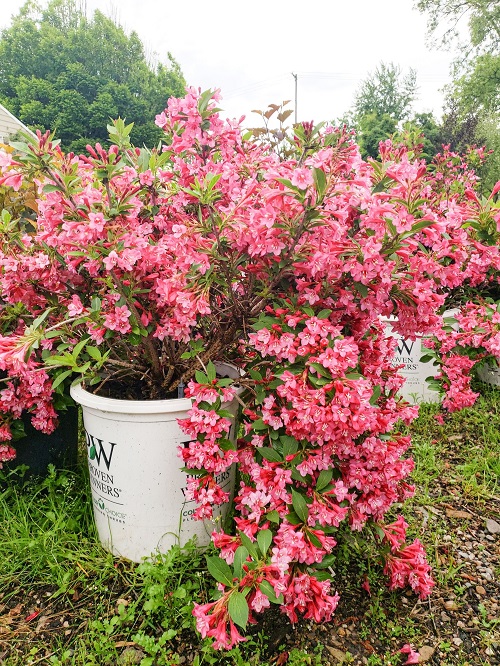
Weigela (Weigela florida) blooms on old wood. Its flower buds form before winter. If you prune it too early, you remove these buds and lose spring flowers. You may feel tempted to shape the plant or thin the center in winter, but this often cuts off flower buds. Always wait until after it finishes flowering to prune safely.
6. Coneflower
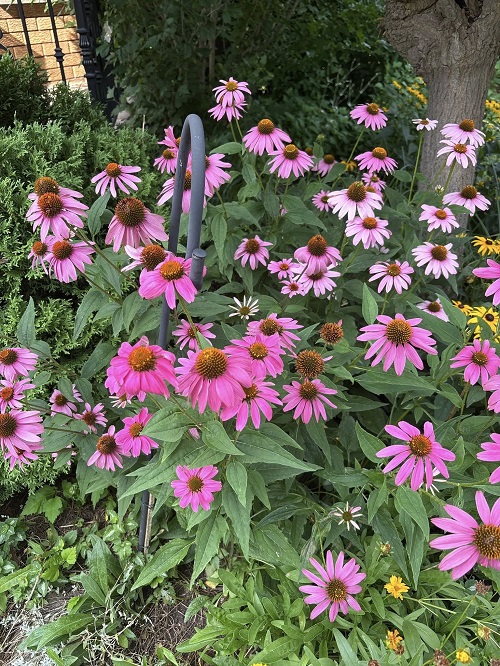
Leave native coneflower (Echinacea spp.) untouched until later in the growing season. The old stems protect new shoots as they come up and also provide food for birds during winter. If you cut them too early, late frost can damage the young growth. Early cutting also removes seed heads that birds rely on. Wait until new shoots are a few inches tall before removing last year’s stems.
7. Magnolia
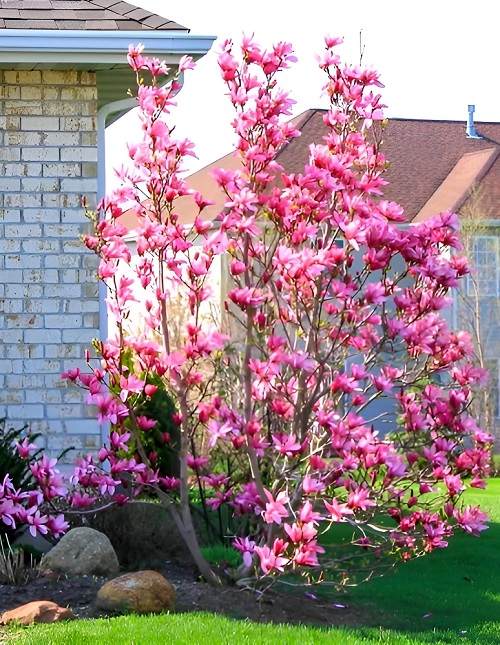
Magnolias (Magnolia spp.) form their flower buds in late summer and fall. If you prune them in spring, you remove the buds for the next season’s flowers. These trees also do not recover well from heavy pruning. Extra cuts can cause more harm than good. If pruning is needed, do it right after flowering or in late summer.
8. Milkweed
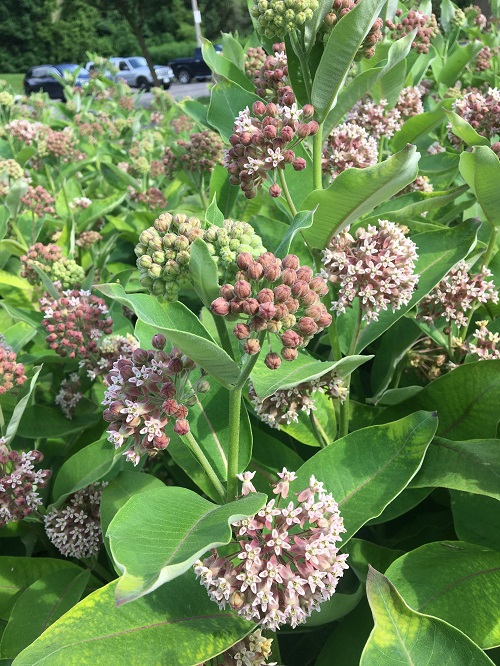
Milkweed (Asclepias spp.) is slow to appear in spring. The old stems help you remember where the plant will grow again. If you prune too early, you can damage new shoots and disturb insects that overwinter in the plant. Always wait until you see fresh growth at the base before cutting back old stems.
9. Bleeding Heart
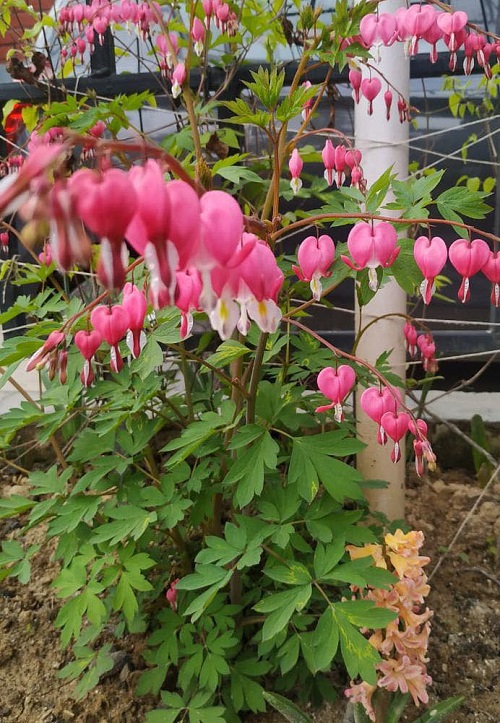
Bleeding heart (Dicentra spectabilis) naturally dies back after it finishes blooming. Cutting it in spring can weaken the plant. The leaves help store energy for next year’s growth, so they should stay in place. Let the foliage turn yellow and die back on its own in summer. If you need to shape the plant, wait until the leaves have fully faded.
10. Viburnum
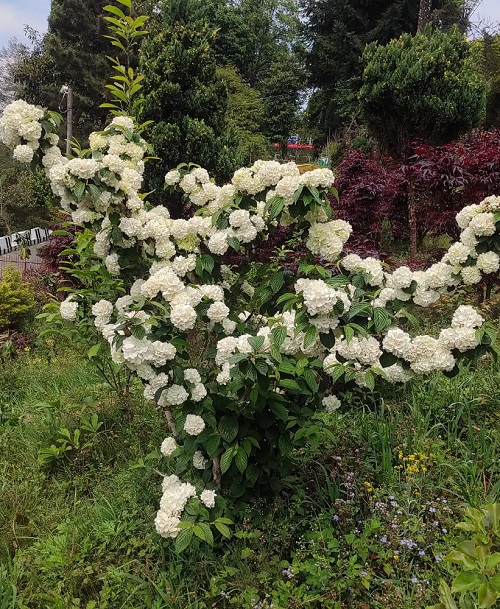
Viburnum (Viburnum spp.) includes many different species and varieties, most of them native to the northern hemisphere. Most viburnums bloom in spring. If you prune them too early, you can remove flower buds and lose blooms. It is best to wait until the flowers fade in early summer before pruning.
11. Columbine
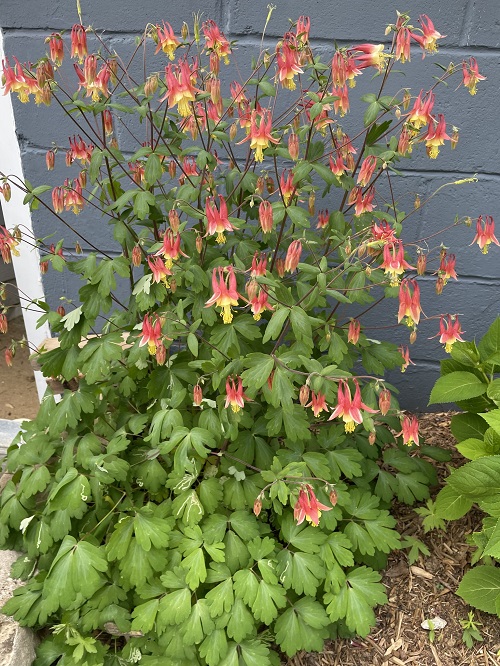
Columbine (Aquilegia spp.) is a self-seeding plant. It blooms better the next season when its leaves are left alone in spring. If you prune too early, you may remove new flower stalks and reduce reseeding. If the plant needs cleaning up, wait until after it finishes flowering. Then remove spent blooms or extra growth.
12. Flowering Quince
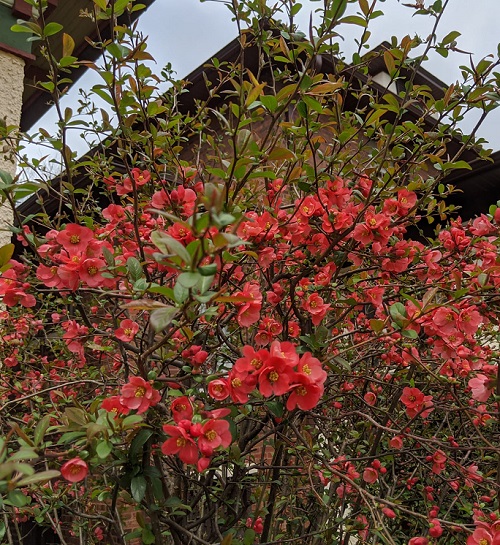
Flowering quince (Chaenomeles speciosa) is a deciduous shrub that blooms in spring. If you cut it back in spring, you remove the flowers before they open. This leads to little or no bloom that year. The best time to prune is right after the flowers finish and before the leaves fully grow in.