
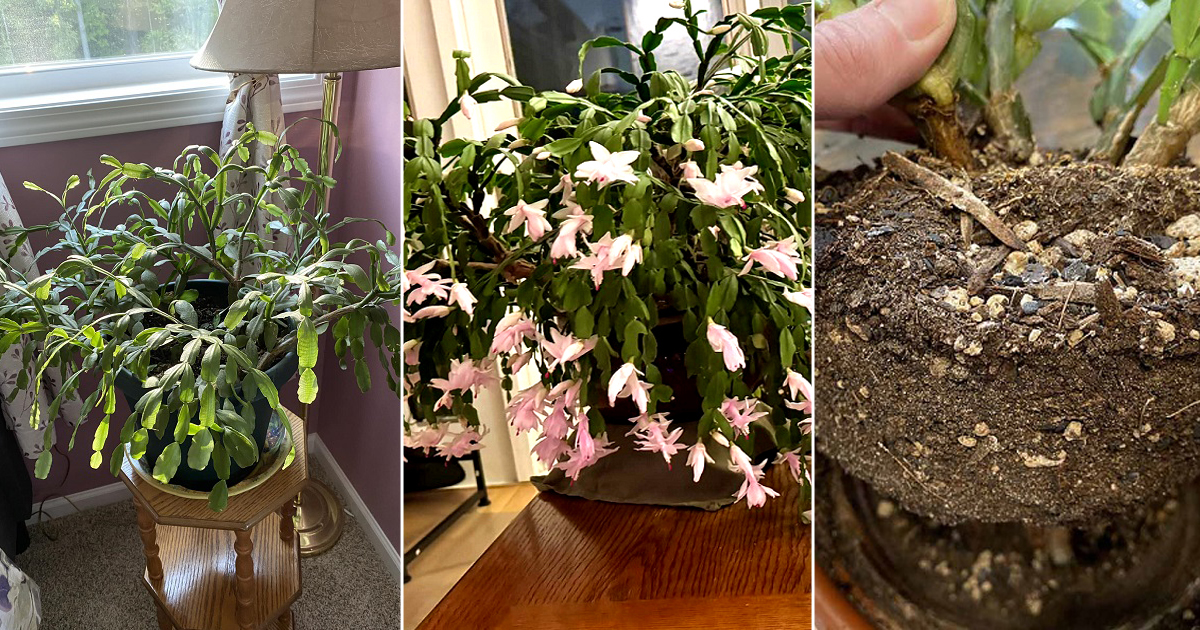
Read about the Reason Your White Christmas Cactus isn’t blooming and learn easy fixes to help it produce healthy buds and flowers.
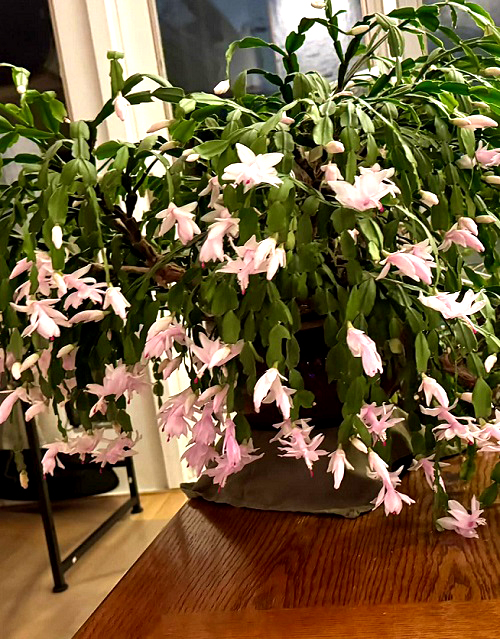
A white Christmas cactus is known for its bright winter flowers, so it can worry you when it does not bloom. Many simple issues can delay or stop buds from forming. This guide explains the common reasons your White Christmas Cactus isn’t blooming and shows you easy ways to help it flower again.
Reason Your White Christmas Cactus isn’t Blooming
1. It Is Getting Too Much Light
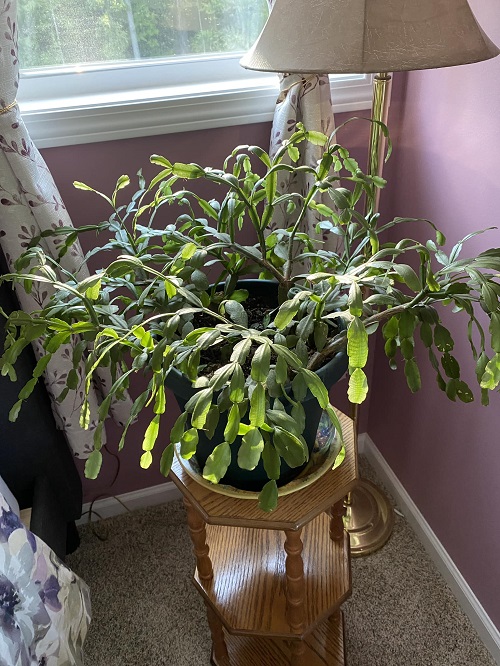
A Christmas cactus needs bright light during the day, but it also needs long, dark nights to form buds. If the plant sits near a lamp or stays in a room with lights on at night, the blooming cycle stops. The plant becomes confused because it cannot tell when the day ends. Place the cactus in a room that stays dark for at least twelve to fourteen hours each night. This dark period helps the plant start its natural blooming process.
2. The Temperature Is Not Right
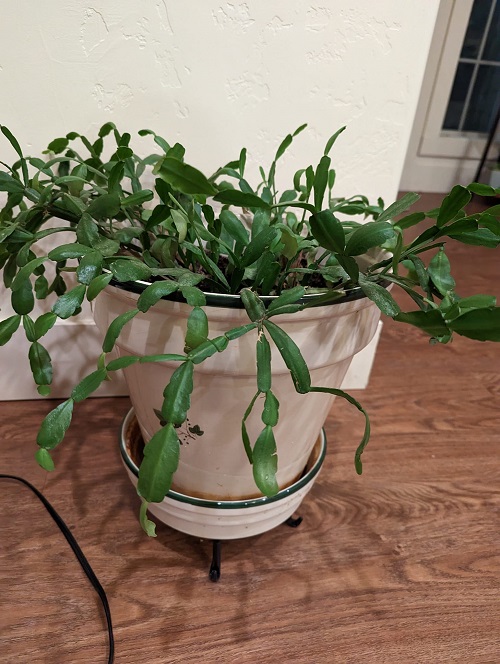
A Christmas cactus forms buds only when the temperature drops for several weeks. Warm rooms delay or completely stop blooming. If your plant stays near a heater or in a kitchen where the temperature stays high, it will not set buds. Keep it in a cooler spot with temperatures between 55 and 65°F. These cooler temperatures encourage the plant to start forming flowers. After buds appear, you can move it to a warmer room.
3. You Are Watering Too Much or Too Little
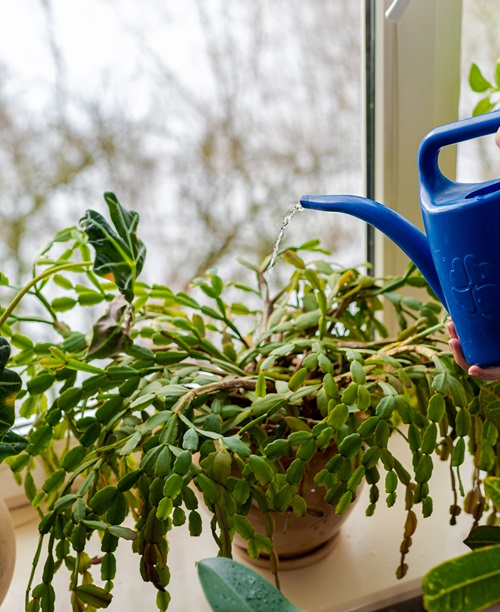
Watering problems are one of the most common reasons a Christmas cactus fails to bloom. If the soil stays soggy, the roots become stressed, and the plant cannot focus on forming buds. If the soil stays too dry, the plant also becomes weak and skips blooming. Water the plant only when the top inch of soil feels dry. Use a pot with drainage holes so that extra water can escape. Steady and moderate watering keeps the plant healthy and ready to bloom when the season arrives.
4. The Plant Did Not Get a Rest Period
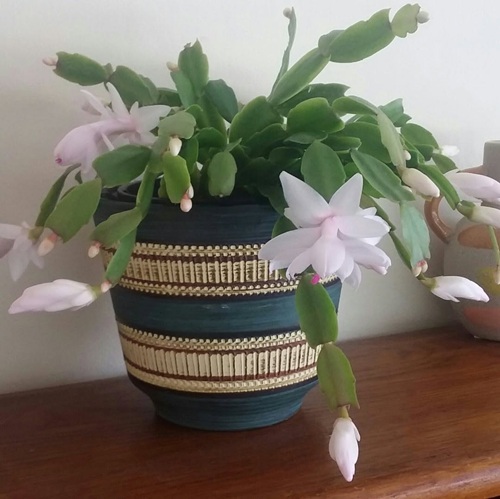
A Christmas cactus needs a short rest period before blooming. If you continue to water and feed it heavily all year, it does not get the signal to start a new cycle. The plant needs a break during late summer and early fall. Keep watering light, reduce feeding, and move the plant to a slightly cooler spot. This rest period helps the cactus prepare for forming buds in winter.
5. The Humidity Is Too Low
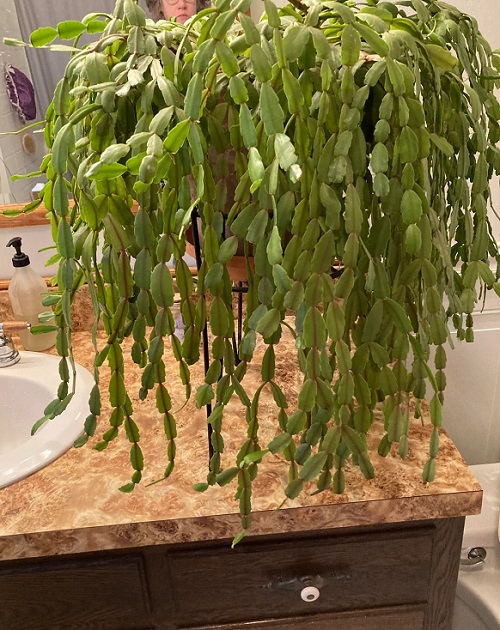
Christmas cactus plants come from humid forests, so dry indoor air can affect blooming. When the air is too dry, the buds may not form at all or may drop off before they open. Place a tray of water near the plant or keep it in a naturally humid room, like a bathroom with good indirect light. Higher humidity supports bud growth and keeps the plant comfortable during the blooming season.
6. The Plant Was Moved Too Often
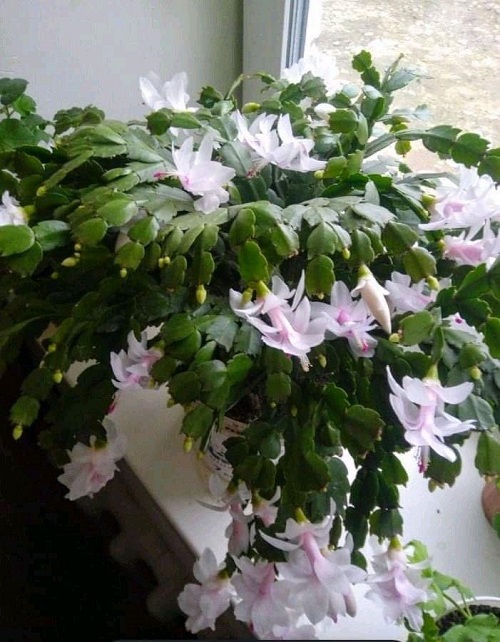
A Christmas cactus does not like sudden changes. Moving the plant often, especially after buds have formed, can cause stress. This stress can make the buds fall off. Even turning the pot can affect blooming because the plant adjusts itself to its position. Once you see buds forming, keep the plant in one place. Try not to change its direction or move it to a different room.
7. It is Repotted
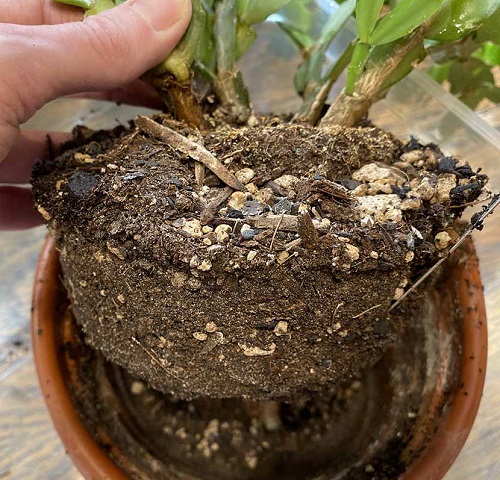
Christmas cacti actually like to be root-bound, which many people do not expect.
Wait until your plant is about three to four years old, or until the roots start coming out of the drainage hole, before you repot it. Choose a pot that is only a little bigger than the old one. Use good-quality potting soil formulated for succulents so the plant stays healthy.
Never repot a Christmas cactus while it is blooming. It is better to wait until the flowers drop or until early spring.
8. You Added Fertilizer at the Wrong Time
Christmas cactus plants need fertilizer, but only at the right time. If you feed the plant too late in the year, it will focus on growing leaves instead of forming buds. Stop feeding the plant by late summer. Fertilize only during the active growing months. When fall arrives, the plant should rest so that it can save energy for blooming in winter.