
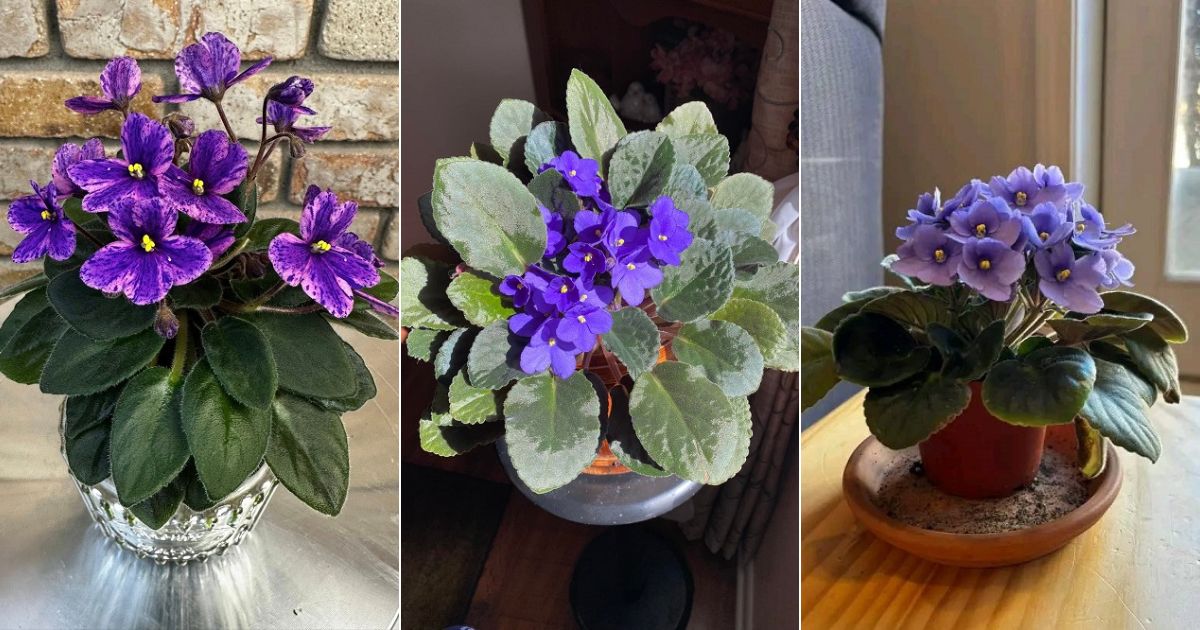
Your African Violet plants look happy, but with no flowers? Don’t worry, it is usually trying to tell you something about its care needs.
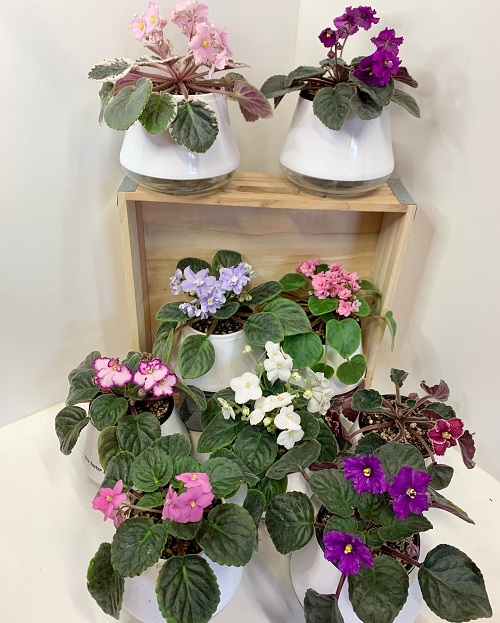
African violets are loved for their bright blooms, but sometimes they refuse to flower indoors. Many small mistakes can stop blooming without you noticing. From daily habits to simple care errors, understanding these reasons can help your plant bloom again and stay healthy.
Reasons Your African Violet Refuses to Bloom Indoors
1. Light
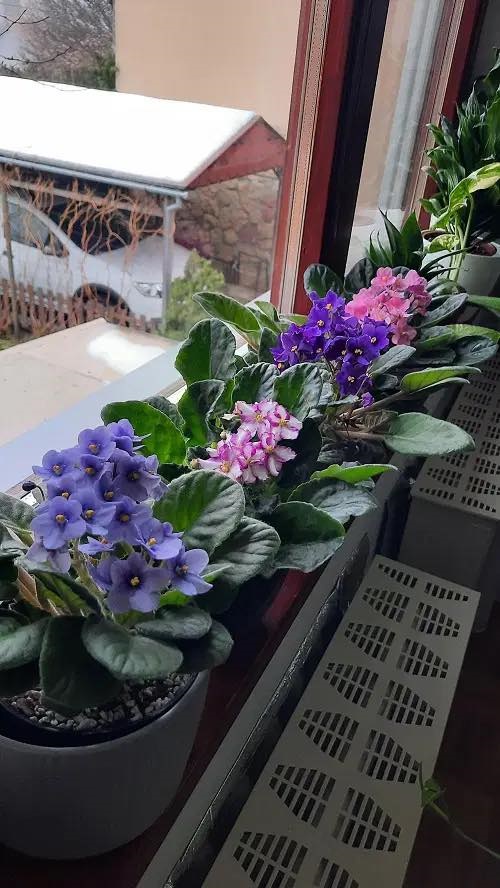
Do African Violets get enough light in your home? Too little light can cause them to stretch for the light, and it will produce few or no flowers; too much sun can burn the leaves. If you notice dark green leaves, long, stretched leaf stems, and healthy leaves but no buds, it’s a sign that they are getting low light. They need bright but indirect light to bloom, so an east-facing window is ideal with a sheer curtain to block the sun’s harsh rays.
They need sufficient light to produce a flowering hormone known as florigen, and they do not trigger blooming until they get darkness, so ensure they get eight hours of darkness every night.
2. Watering it wrong
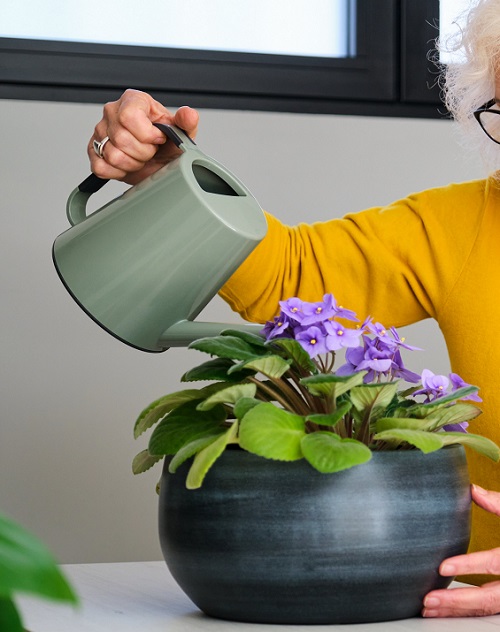
How you water these beauties can be a factor, too. African violets are very sensitive to water; they do not like to dry out completely between waterings, but they do not want to be drenched all the time. Use room temperature water and water only when the top inch of soil feels dry.
Overwatering can cause root rot and let the soil dry out completely. Too much water can lead to root rot. Plants with reduced root systems often sacrifice flowering to survive.
3. Pot and Soil Selection
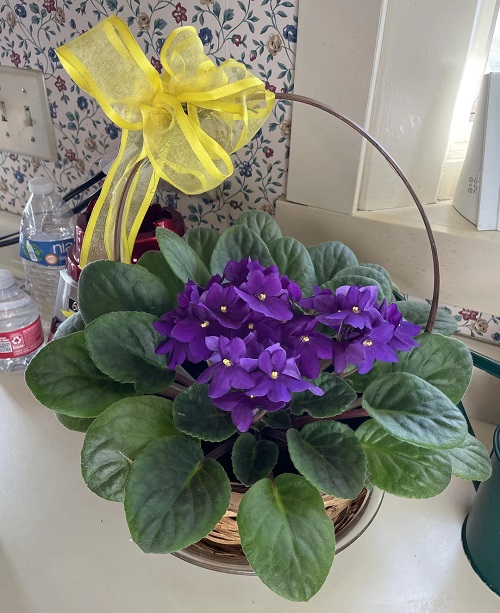
If your African Violet can’t breathe, it is because of heavy or compact soil that blocks its roots. Roots stay wet too long, and nutrients don’t reach the plant properly. For this, use a light, well-draining African violet potting mix and refresh the soil every 10-12 months.
African violets bloom best when they are slightly root-bound. The problem with big pots is more leaf growth and fewer or no flowers. The pot should be one-third the width of the plant. At the same time, smaller pots mean more blooms.
4. Using regular Fertilizer
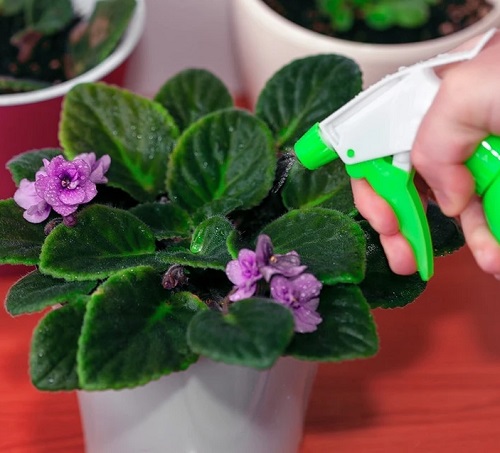
Without nutrients, your plant won’t have the energy to flower. The common mistake is using regular houseplant fertilizer for African Violets. Unlike plants that grow outdoors, houseplants are totally dependent on the grower to apply sufficient nutrients without overdoing it. Use a balanced fertilizer that contains nitrogen, phosphorus, and potassium. Feed lightly every 2–4 weeks.
Nitrogen is essential for the growth and development of leaves and stems. Phosphorus is necessary for healthy roots and flowering. Potassium is required for the accretion and movement of carbohydrates throughout the plant.
5. Temperature Stress
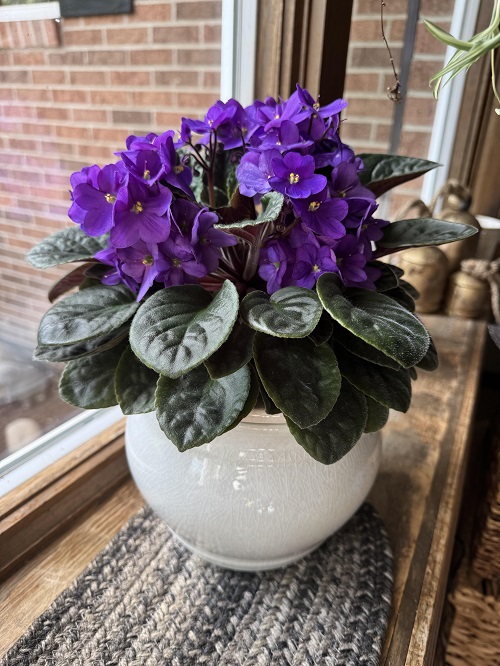
African Violets bloom best between 18–24°C. When nights drop below 15°C indoors, buds may form but never open. If your plant sits near a cold window or drafty spot, it basically goes into “nope, not blooming” mode.
Pull the plant 30–40 cm away from the glass at night, or add a thin insulating layer (like cardboard or cloth) between the pot and the cold surface. No frostbite, more flower-lights.
6. Humidity Imbalance
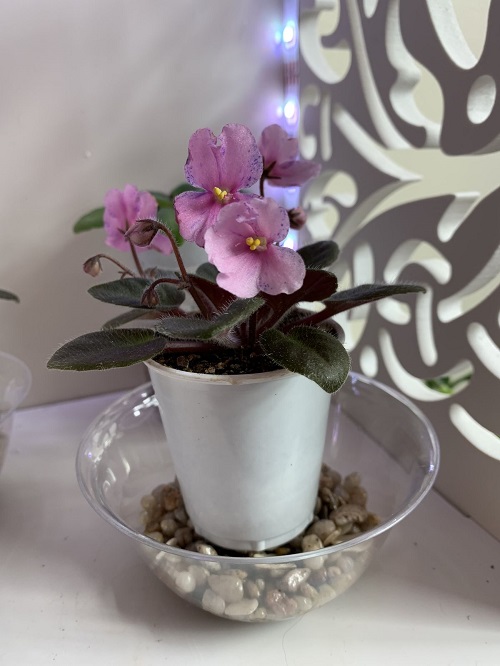
African Violets like 50–60% humidity. Winter heaters and AC dry the air, which makes buds crisp, brown, or drop early.
Solution: Place a bowl of water near the plant or use a pebble tray under the pot. No mist needed—misting leaves can actually cause spots and rot. You need to hydrate the air, not the leaves.
7. Leaf Grooming Mistake
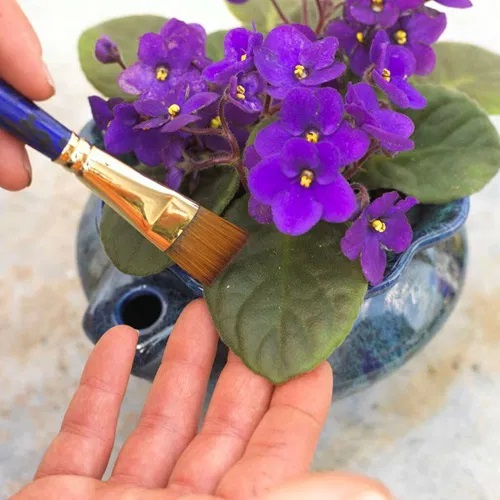
Dust on fuzzy leaves blocks light. Less light equals fewer blooms. You can use a soft makeup brush or a gentle blower to clean leaves every 2–3 weeks. No water wipes, please. They hate it.