
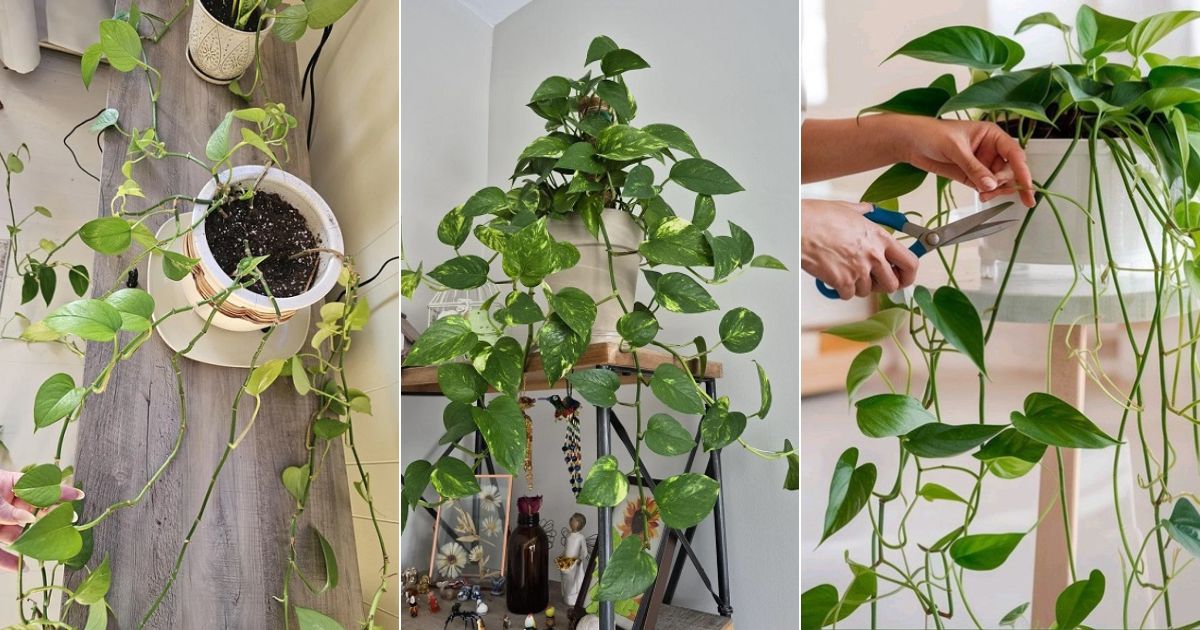
Read about the Reasons Your Pothos refuses to Grow Bushier and what is slowing its growth. Learn mistakes that stop full leaf growth.
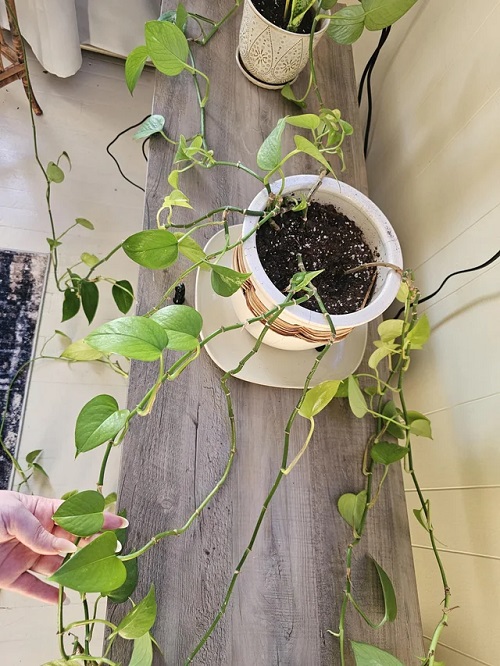
Your pothos may look healthy, but it still grows long and thin. Many small mistakes can stop it from becoming full and bushy. Light, pruning, and growth habits all play a role. Discover the Reasons Your Pothos Refuses to Grow Bushier.
Reasons Your Pothos Refuses to Grow Bushier
1. Not Pruning the Vines

Pothos grows bushier only when you tell it to branch. If you never prune it, the plant puts all its energy into long vines. It keeps stretching instead of filling out. Each vine grows from a single point, so fewer side shoots appear. When you cut a vine just above a leaf node, the plant wakes up dormant buds. These buds turn into new stems. Without pruning, your pothos stays thin and leggy, no matter how healthy it looks.
2. Insufficient Light
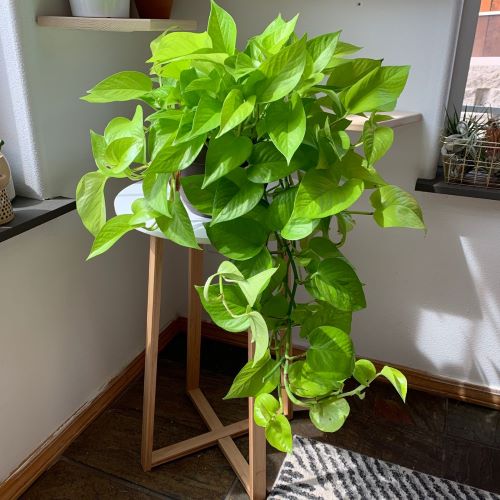
Pothos survives in low light, but survival is not the same as growth. In dim areas, the plant stretches to find light. This causes wide gaps between leaves. New shoots grow slowly or not at all. The plant focuses on length, not fullness. Bright, indirect light tells pothos to grow compact and dense. When light improves, leaf spacing becomes tighter and new side growth appears more often.
3. You Are Skipping Regular Feeding
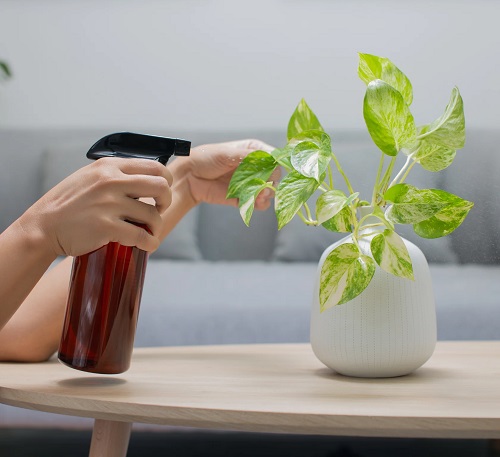
A pothos cannot grow bushy if it lacks nutrients. Old potting soil loses nutrients over time. The plant may look green, but stay slow and thin. Without enough nitrogen, leaf growth stays limited. Without other minerals, new shoots struggle to form. Feeding during active growth helps the plant produce more stems and leaves. If you never fertilize, the plant has no fuel to expand and fill out.
4. Vines Grow Too Long
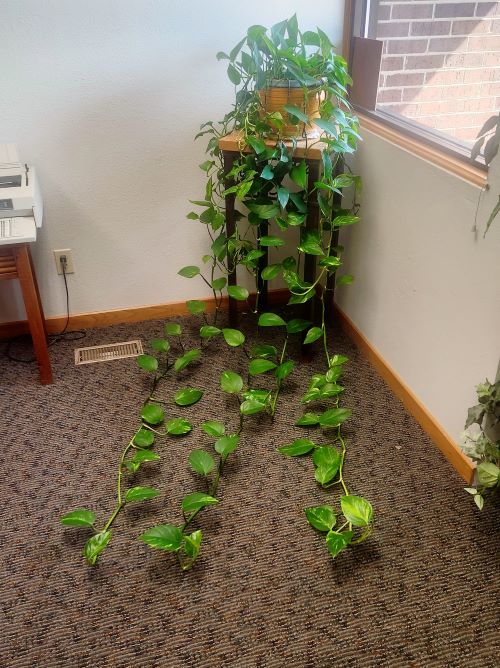
Long vines may look impressive, but they work against bushy growth. When vines get very long, most of the plant’s energy moves to the tips. The base of the plant becomes weak and bare. New leaves stop forming near the soil. This makes the pot look empty. Trimming long vines forces the plant to redirect energy back to the center. Shorter vines also support stronger leaf growth close to the pot.
5. Roots Are Crowded Inside the Pot
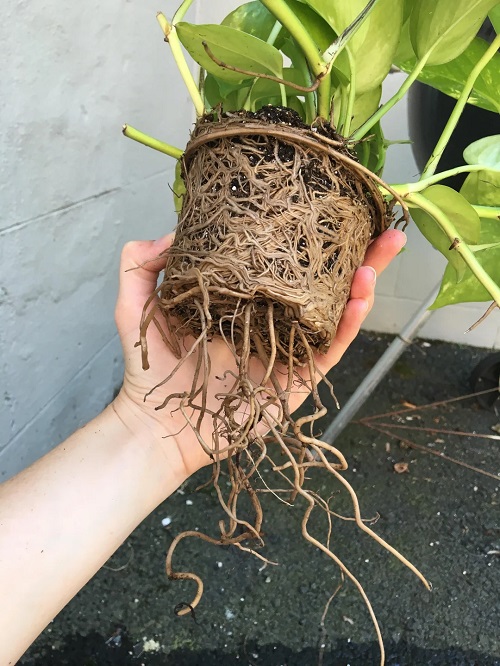
When roots fill the pot, growth slows down. The plant spends energy just surviving. New shoots stop forming. Water runs through too fast or sits too long. Both stress the roots. A rootbound pothos often grows long vines with few leaves. Repotting gives roots fresh space and oxygen. This allows the plant to support more stems and push out fuller growth from the base.
6. You Are Not Using Cuttings Correctly
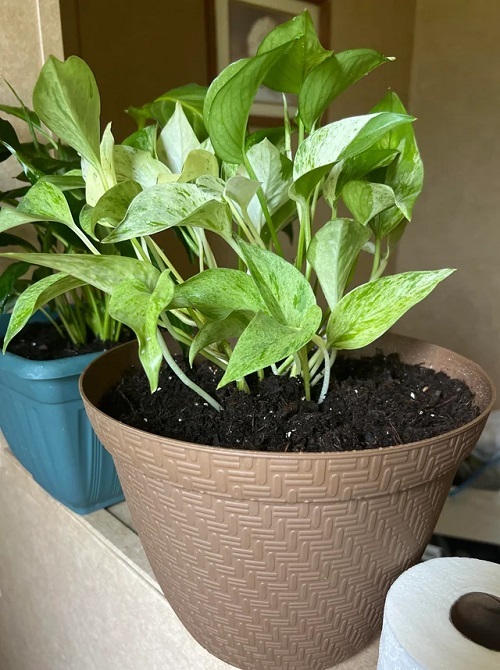
Many people prune pothos but throw away the cuttings. This is a missed chance. A single plant in one pot grows slowly. Adding rooted cuttings back into the same pot increases fullness fast. Each cutting becomes a new growth point. More growth points mean a bushier look. Without adding cuttings, the plant relies only on its original stems to thicken up.
7. Watering Stress Is Slowing Growth
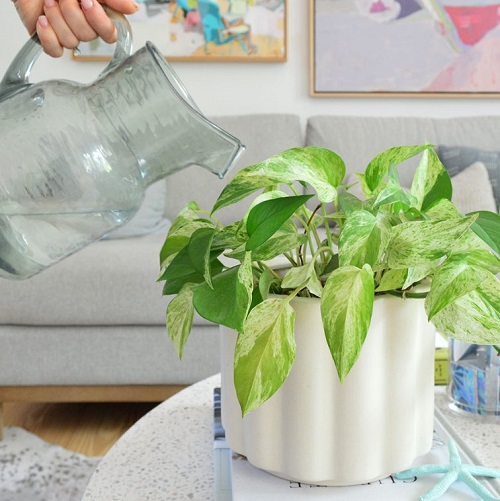
Inconsistent watering confuses the plant. Dry soil for too long slows leaf production. Overwatering damages roots and limits growth. In both cases, the plant focuses on survival, not branching. Healthy roots support active stem growth. When watering stays balanced, pothos grows steadily and densely. Stress-free roots allow the plant to push out side shoots and fresh leaves.
8. The Growing Season Is Being Ignored
Pothos grows fastest in warm months. If you expect bushy growth in cold or dull weather, you may feel disappointed. Growth slows naturally in cooler conditions. Pruning and feeding during active seasons give better results. When the plant rests, it reacts slowly. Timing matters. Working with the plant’s natural rhythm helps it respond with fuller growth.