
Repotting your houseplants? Learn the common mistakes that shock indoor plants and how small changes can keep them healthy and growing well.
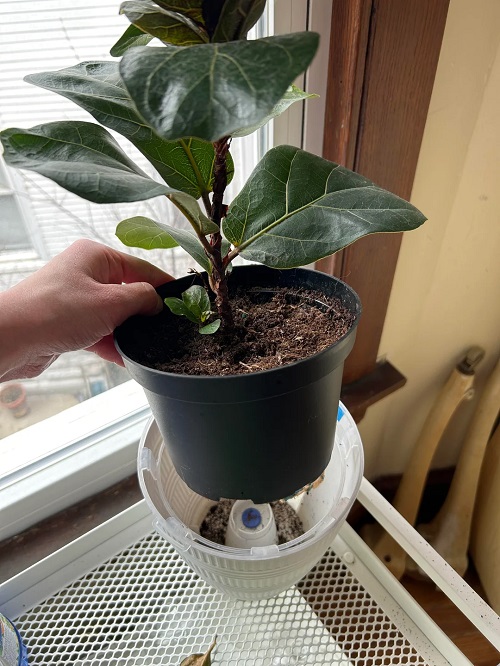
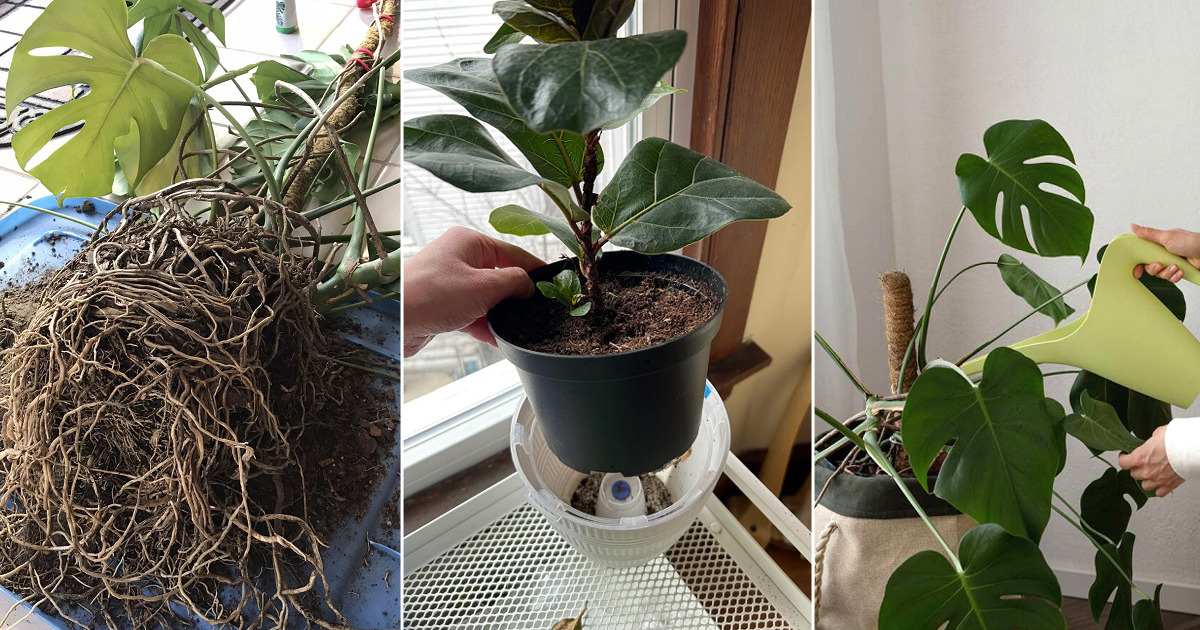
Repotting helps indoor plants grow better, but small mistakes can shock them. Many plants become weak or droopy after repotting because of simple errors. Choosing the wrong pot, handling roots roughly, or watering too much can cause stress. Knowing these Repotting Mistakes that Shock Indoor Plants can help you protect houseplants and keep them healthy.
Repotting Mistakes that Shock Indoor Plants
1. Choosing a Pot that is Too Large
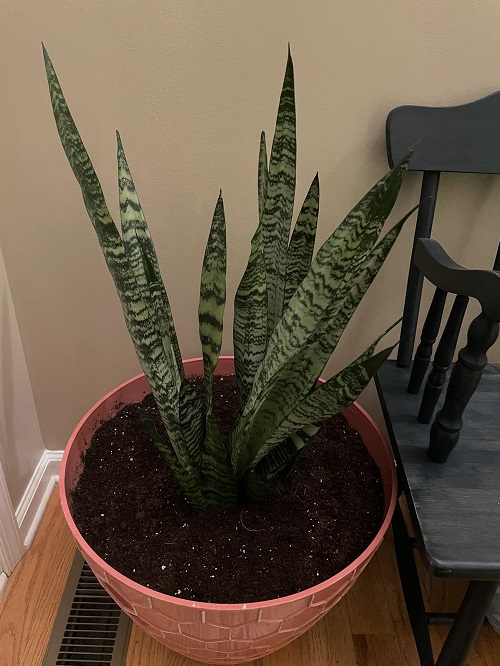
A very large pot may seem like a good idea. People think it will give the plant room to grow for years. But this can create problems. Too much soil around the roots stays wet for a long time. Roots cannot use all the moisture quickly.
Wet soil without enough roots can lead to root stress. The plant may look weak or stop growing. Sometimes leaves begin to droop even though the soil is wet. It is better to choose a pot that is only one or two inches wider than the current pot.
2. Not Paying Attention After Repotting
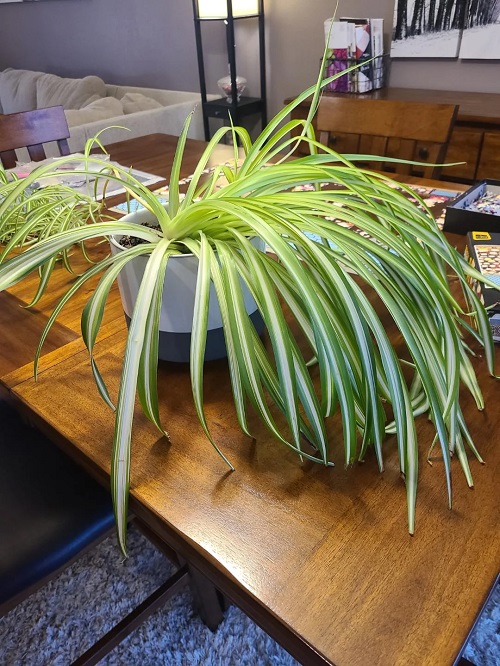
Some people think the work is finished once the plant is in the new pot. But the days after repotting are very important. The plant needs time to recover and adjust. It may show slight drooping or slower growth for a short time.
Keep an eye on the plant during this period. Check the soil moisture and observe the leaves. Avoid disturbing the plant again. With patience and stable conditions, most indoor plants recover and begin growing stronger in their new pot.
3. Too Much Watering After Repotting
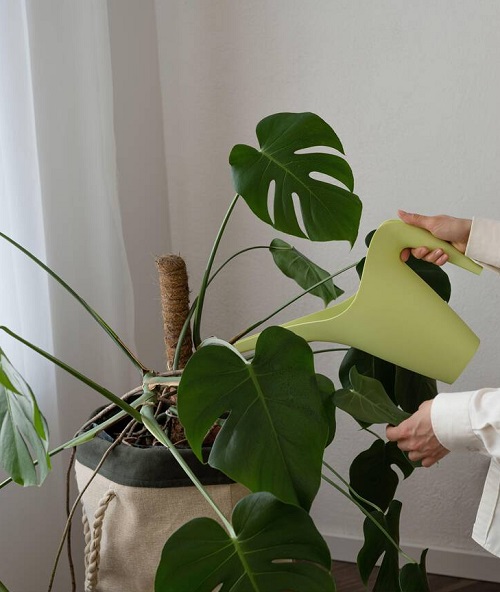
Watering heavily right after repotting is a common mistake. People think the plant needs extra water to settle in the new soil. But too much water can stress the roots. Fresh soil already holds moisture well.
Excess water may sit around the roots and slow their recovery. This can make the plant look weak or droopy. Water the plant gently after repotting. Then allow the top layer of soil to dry slightly before watering again.
4. Moving the Plant Immediately After Repotting
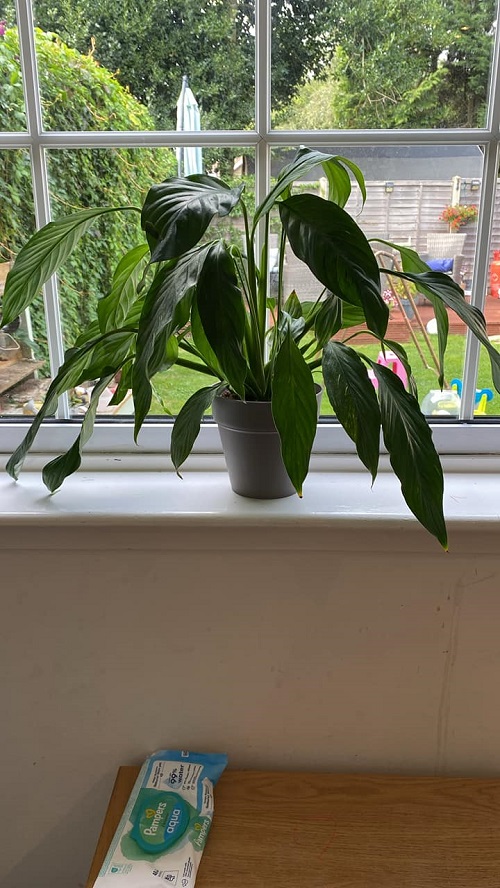
Many people move the plant to a new location right after repotting. Sometimes they place it in a brighter or completely different spot. This sudden change adds extra stress. The plant is already adjusting to new soil and root disturbance.
Keeping the plant in its usual place helps it recover calmly. Familiar light and temperature conditions make the adjustment easier. Once the plant starts showing new growth, you can slowly move it if needed.
5. Repotting a Dry and Thirsty Plant
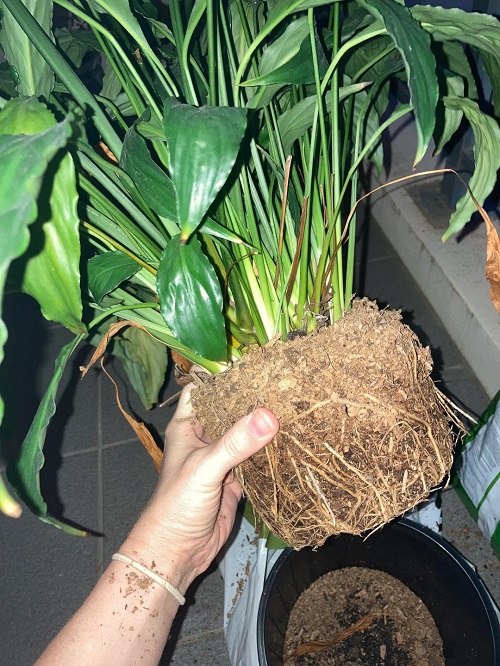
Repotting a plant when the soil is very dry can cause stress. Dry roots are brittle and weak. They break easily when you remove the plant from the pot. Broken roots cannot absorb water properly after repotting.
Water the plant lightly a day before repotting. Slightly moist soil holds together and protects the roots. This also keeps the plant hydrated during the process. A well-hydrated plant experiences less shock and settles faster in the new pot.
6. Pressing the Soil Too Tightly
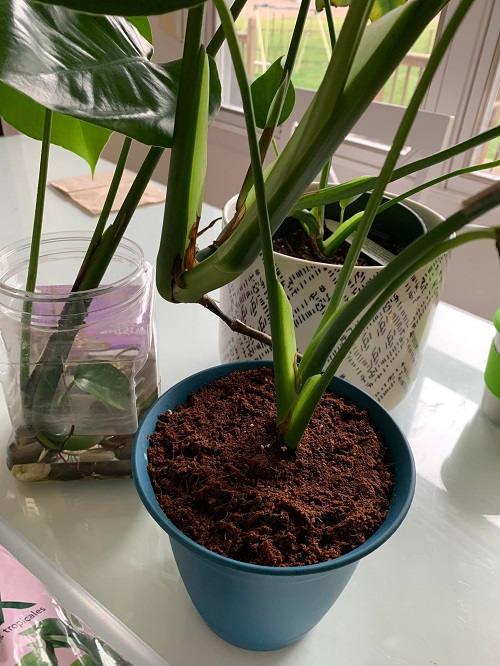
After repotting, some people pack the soil very tightly around the roots. They believe firm soil keeps the plant stable. But compact soil reduces airflow around the roots. Roots need oxygen to stay healthy and grow.
When soil becomes too dense, water cannot drain properly and roots struggle to breathe. The plant may show slow growth or drooping leaves. Always fill the pot gently and press the soil lightly. Loose soil allows air and water to move freely.
7. Damaging the Roots While Removing the Plant
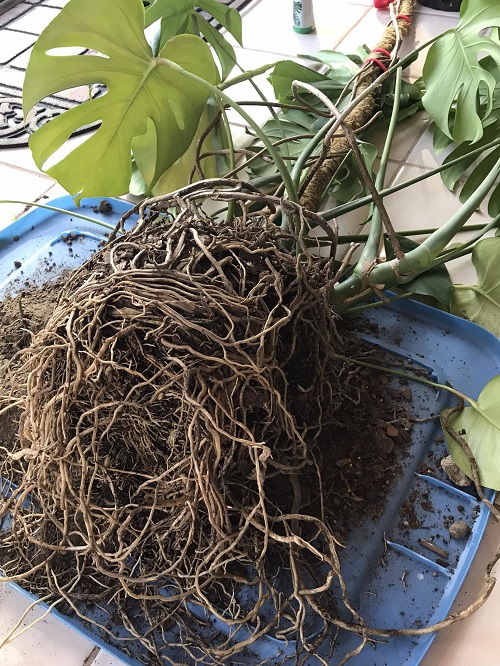
Roots are delicate. Rough handling during repotting can easily damage them. Many people pull the plant out forcefully. This can tear fine roots that absorb water and nutrients. When these roots break, the plant struggles to adjust.
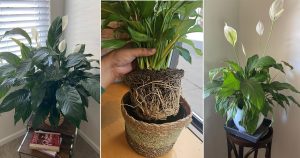
Always remove the plant gently. Tilt the pot and loosen the soil slowly. Support the base of the plant while lifting it out. If roots stay tangled, carefully loosen them with your fingers. Gentle handling reduces shock and helps the plant settle faster in the new pot.
8. Wrong Time to Repot
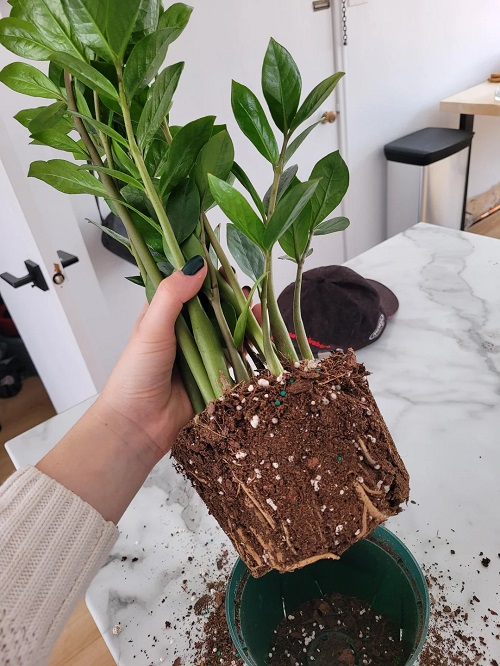
Some plants can go into shock if their roots are disturbed during their active growing period. Because of this, it is often safer to repot plants when they are dormant. Many plants become dormant in winter, which makes this a good time to repot them slowly and carefully.
Before repotting, you should also think about the plant’s growth cycle. The best time to repot depends on when the plant grows the most. This can be different for each plant. It is a good idea to check with a local plant nursery to learn the best time for your specific plant.
If the plant is not dormant when you repot it, handle the roots very gently. Avoid pulling or tearing them. If the roots are tightly wrapped around the soil, loosen the root ball slowly with your fingers so the plant can settle better in the new pot.
9. The Soil and Plant Are Contradictory
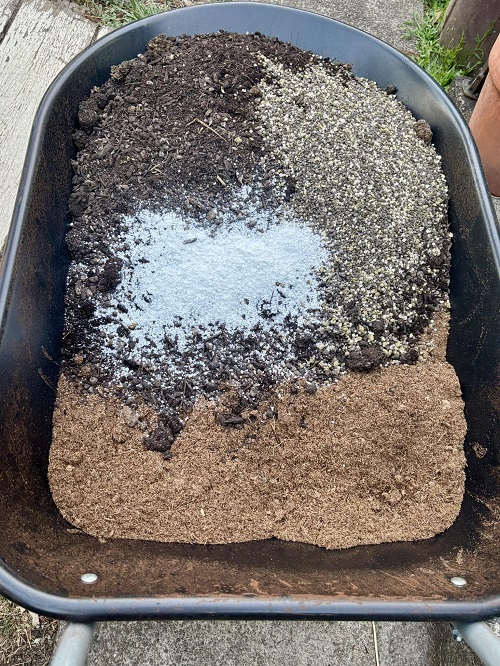
When repotting a plant, always choose the right potting soil. Different plants need different types of soil. Some plants grow well in soil that drains water quickly, while others prefer soil that holds more moisture.
Some plants grow better in sandy soil, while others need soil with more organic matter. This is very important when you repot vegetables.
For most indoor plants, a general potting mix works well. But vegetables usually need a richer potting mix. This type of soil contains more nutrients that help vegetables grow strong and healthy.
If you are repotting vegetables, avoid using dry and sandy mixes that are made for cacti and succulents. These soils drain water too quickly and do not hold enough nutrients. Vegetables need soil that keeps some moisture and provides enough nutrition for good growth.