
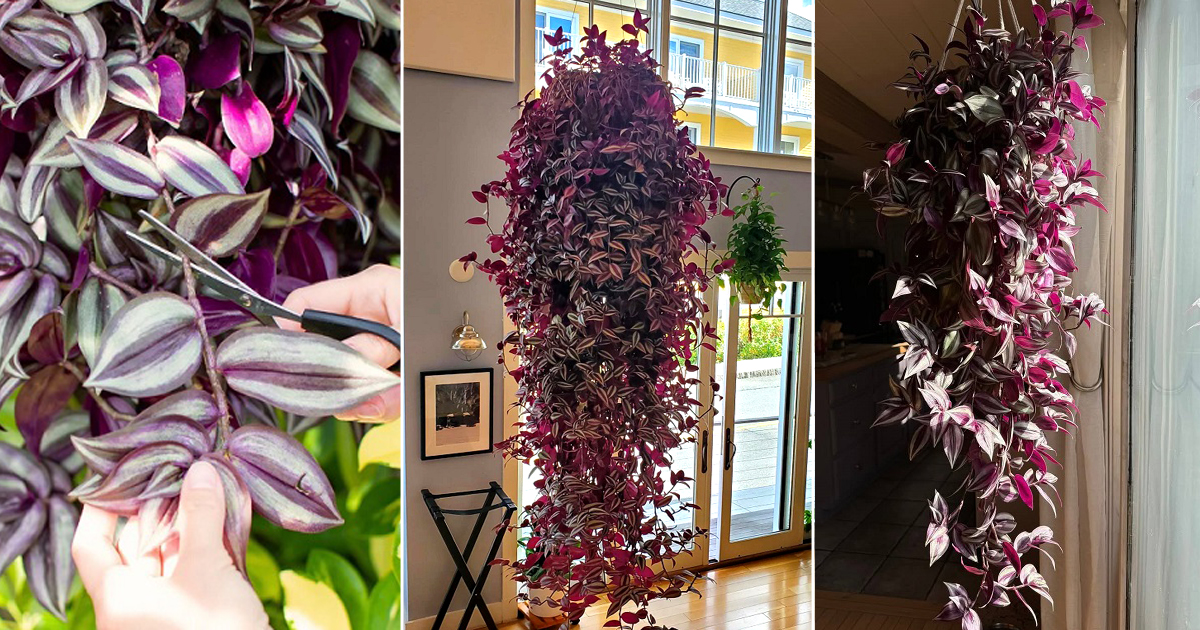
Want a lush and trailing Wandering Jew plant? Learn the simple secrets that help it grow fuller and spill beautifully from every pot.
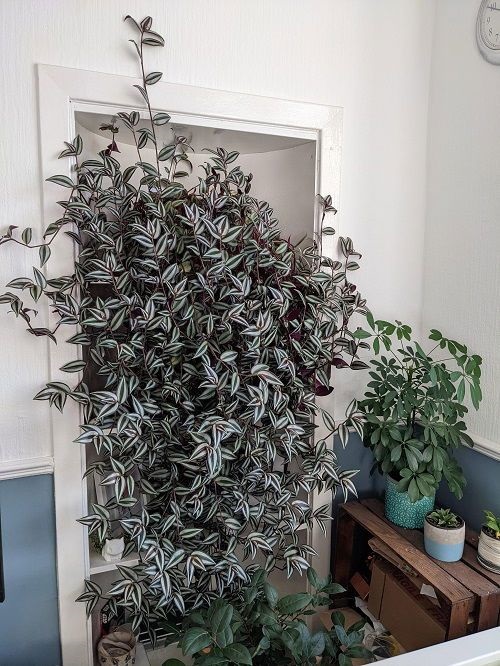
The linear or lanceolate leaves of wandering jew, in purple and green with silver stripes, create a striking effect, and they can transform your shelves, hanging baskets, and window corners. Add a pop of color in your home with the draping growth of them. These Secrets to Grow a Full and Trailing Wandering Jew will produce dense foliage and long, trailing stems, creating an eye-catching effect.
Secrets to grow a Full and Trailing Wandering Jew
1. Provide Right Amount of Light
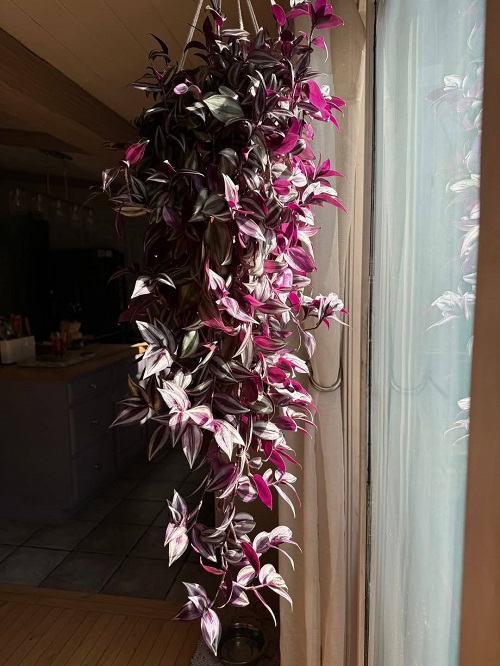
Did you notice leggy vines with large gaps between leaves of wandering jew? This is their way of telling that they have been kept in low light. In their natural habitat, these plants grow under filtered sunlight, which encourages growth and vibrant leaf coloration.
To give them proper light, place them near an east or north-facing window, where they get several hours of indirect sunlight daily. To prevent leaf scorch, keep them out of intense afternoon sunlight. The proper lighting will allow the plant to produce more leaves along the stem, creating a thicker and fuller appearance.
2. Prune for Bushiness
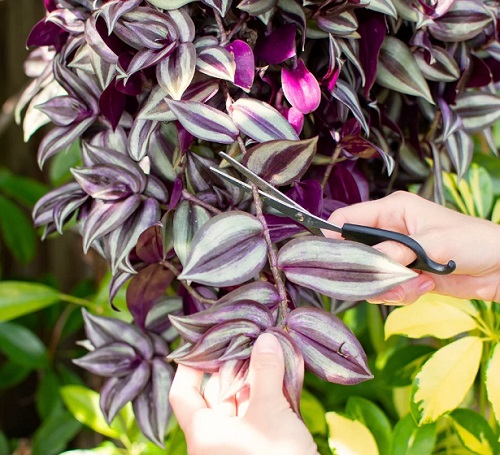
This is the top secret to growing dense wandering jew, and it responds well to trimming as each cut encourages new branching. If your plant is growing in length but not in density, it’s because you just forgot to pick up scissors and prune it. A cut redirects the energy into producing multiple new shoots.
To prune effectively, check for overly long or bare vines and remove them. Trim the stems just above a leaf node and prune every 3-4 weeks during the growing season. Have patience for a while, and you will see two or more new stems form from the cut point, resulting in a fuller plant.
3. Multiple Cuttings in a Pot
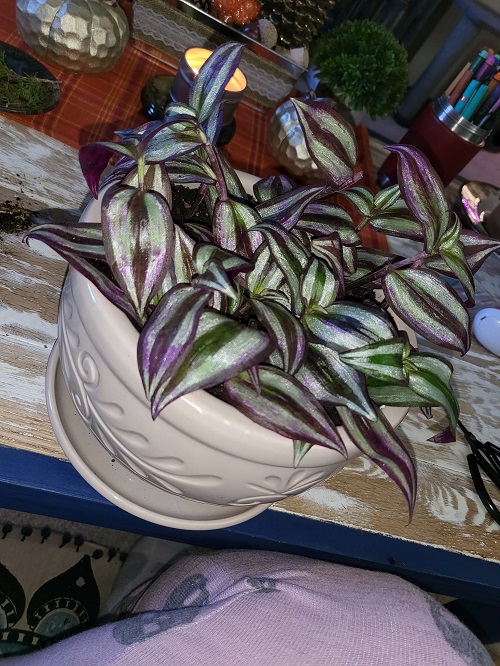
Instead of a secret, it’s a trick to give an illusion of dense wandering jew. A single plant in a pot will look thin, but when more vines are added, it looks denser. And, wandering jews are easiest to propagate.
To propagate, cut a 4-6 inch healthy stem below a node and remove the lower leaves. You can place these cuttings either in water or directly into moist soil. When roots appear, plant them back into the original container to create a dense cluster of trailing vines.
4. The accurate soil recipe
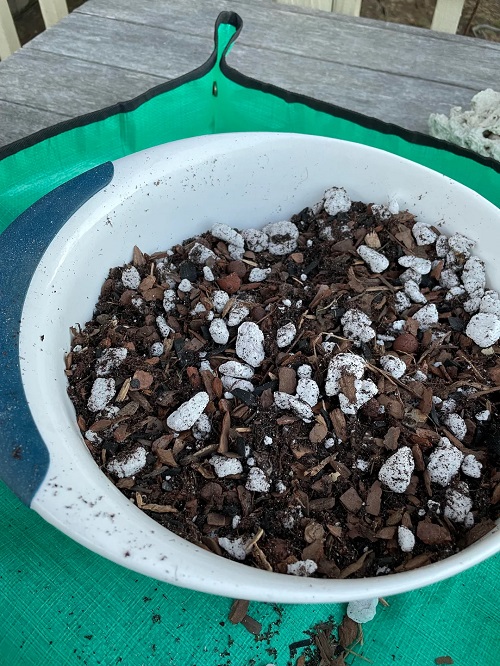
A heavy or compact soil mix can suffocate roots and slow growth, resulting in thin, low-leafed strands. Healthy roots provide healthy foliage, and the main ingredient for this is the soil. Wandering Jew plants thrive in soil that drains quickly while retaining enough moisture for their steady growth.
An ideal soil mix for Tradescantia is 1 part regular potting soil to 1 part perlite or pumice for aeration and a small amount of compost. This combination will promote stronger root systems, which support fuller growth above the soil.
5. Maintain Consistent Watering
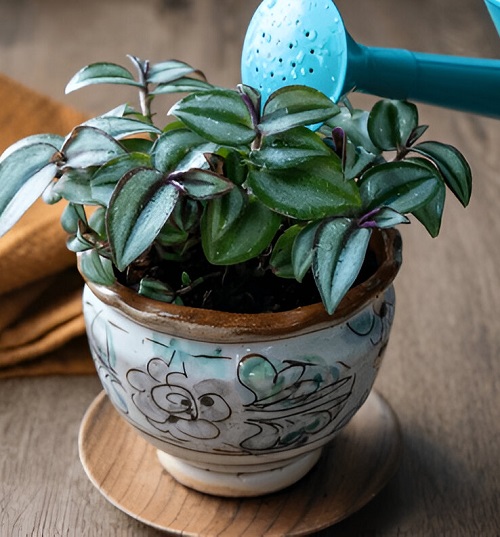
Each plant needs a different amount of water, and wandering jews like to be watered consistently, but overwatering is not what they like. They prefer slightly moist soil but do not tolerate soggy conditions. If the soil has been dried for longer periods, you may see leaf drop and bare stems. Overwatering might lead to root rot.
To avoid any such situations, water only when the top inch of the soil feels dry and check that excess water drains out of the pot. This consistent moisture in the soil will help maintain steady growth and lush foliage. During winter, you need to reduce watering.
6. Feed During Growing Season
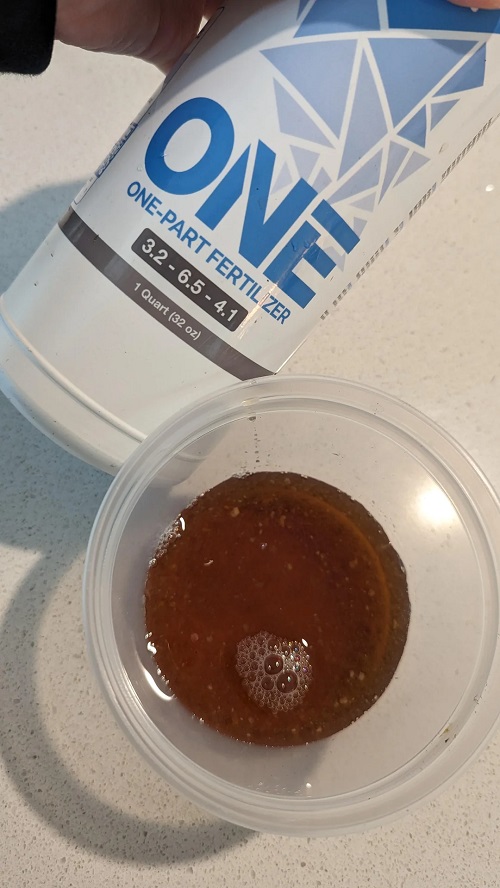
Wandering Jews are fast growers and benefit from regular feeding. Nutrients encourage new foliage and stronger stems, resulting and vigorous growth of these beauties. Proper nutrition allows the trailing vines to flourish, contributing to a fuller appearance.
Feed them with a balanced liquid houseplant fertilizer, but don’t overdo it; too much can actually harm the plant. Once every 3-4 weeks in spring and summer is sufficient for them.
7. Rotate them regularly
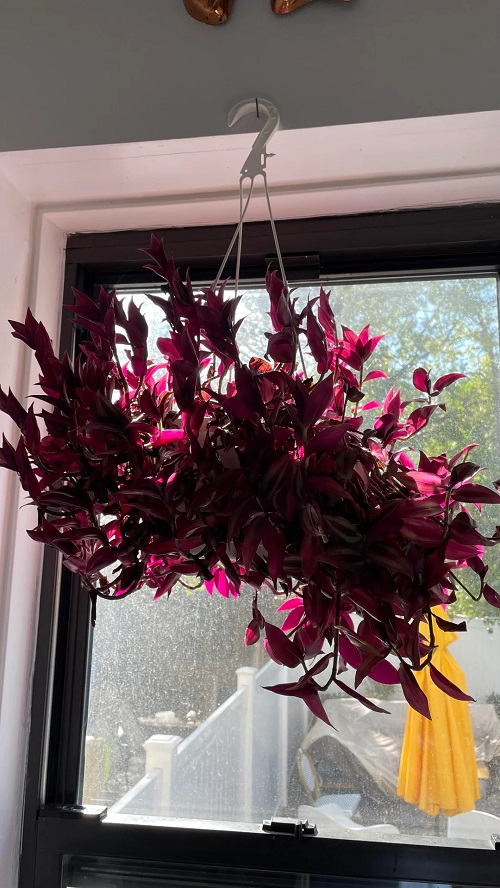
A small but effective technique: rotating your wandering jew helps them maintain an even, full, and attractive growth. They grow towards the strongest light source, a phenomenon known as phototropism. If your wandering jew is dense on one side and sparse on the other, then it’s a sign to rotate them.
Rotate the pot every week to ensure even light exposure and balanced growth on all sides. And as time passes, you will see symmetrical growth. This method also helps with uniform leaf development and reduces the risk of one-sided, leggy growth.
8. Choosing Hanging Planters
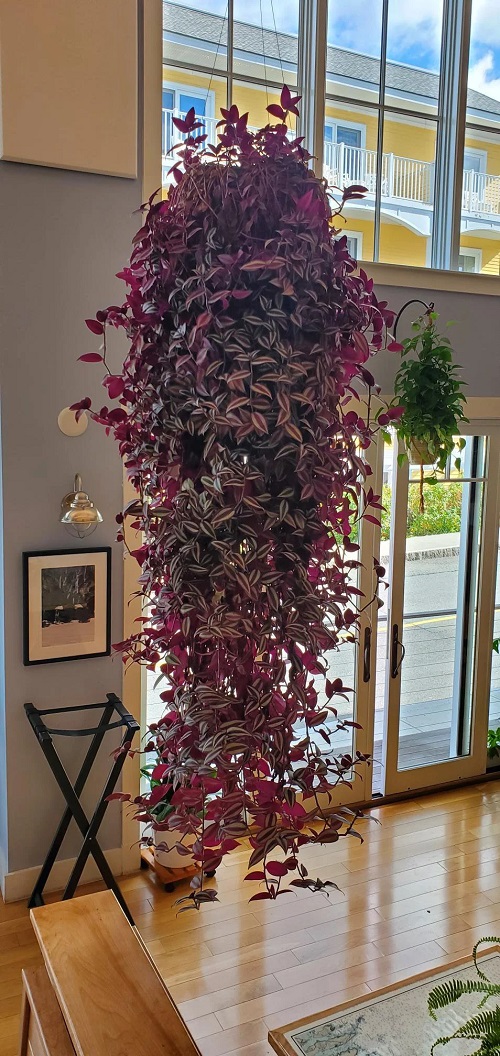
This is the easiest method to have a cascading wandering jew in your home. They produce long, flexible stems that tend to drape downward rather than grow upright, making them the most popular indoor plant. Grow them in a hanging planter or an elevated container, which encourages long vines and forms a curtain of foliage instead of a crowded clump.
Hanging planters are preferred because the vines have space to grow downward naturally, which improves air circulation, reduces fungal issues, and enhances visual appeal. But in the tabletop pots, stems pile up on the soil surface and hang awkwardly over the edges, leading to tangled vines with damaged stems.