
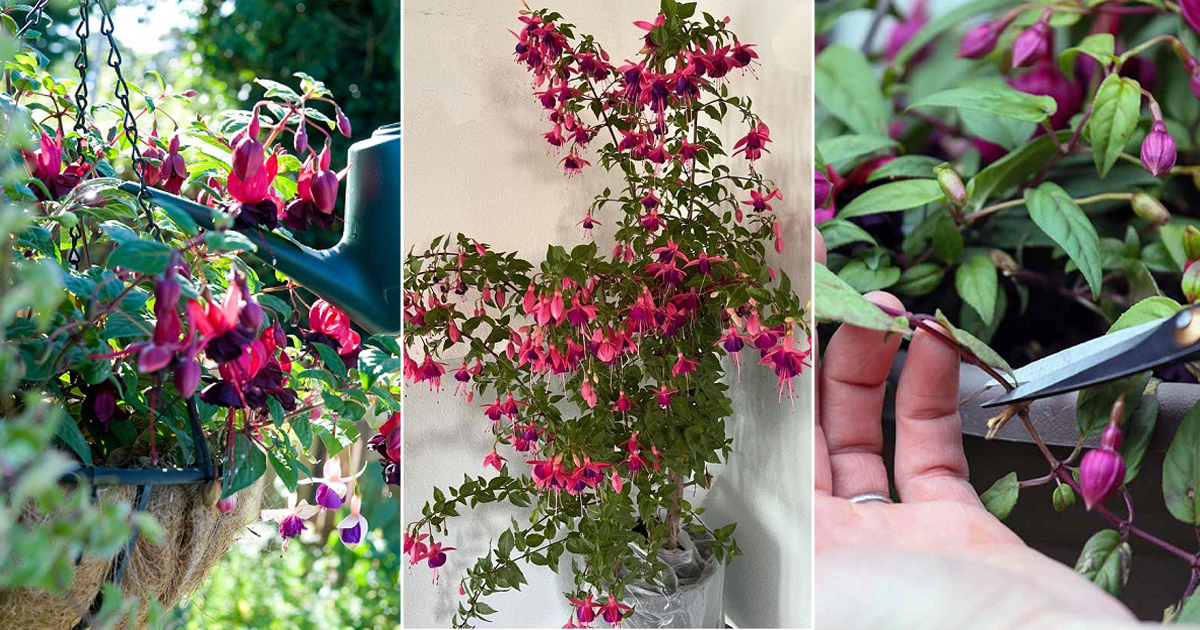
Struggling with fewer fuchsia blooms? Learn simple secrets that keep hybrid fuchsia flowering all year without breaks or dull seasons.
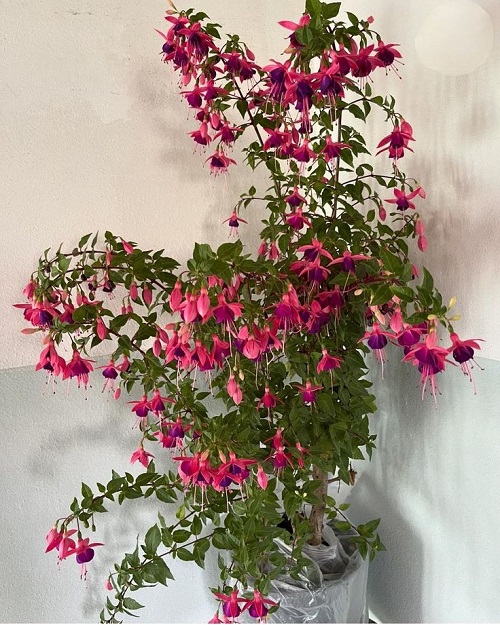
Hybrid fuchsia plants can bloom for long periods when you understand how they grow and respond. Many plants stop flowering due to small mistakes that go unnoticed. This guide shares simple Secrets to Make Fuchsia Hybrid Bloom All Year Round.
Secrets to Make Fuchsia Hybrid Bloom All Year Round
1. Keep a Steady Growing Routine All Year
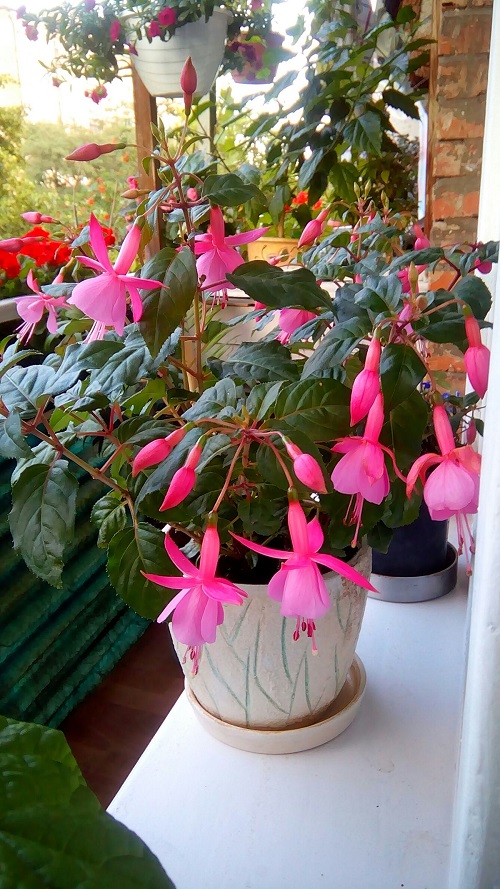
Fuchsia hybrids dislike sudden changes. When watering, feeding, or trimming happens at random times, the plant gets stressed. Stress reduces flowering. Keep a simple routine and follow it weekly. Water when the top soil feels slightly dry. Feed lightly but often during active growth. Avoid long dry spells followed by heavy watering. A steady routine helps the plant stay active and continue forming buds instead of dropping them.
2. Prune in a Way That Encourages Flowers
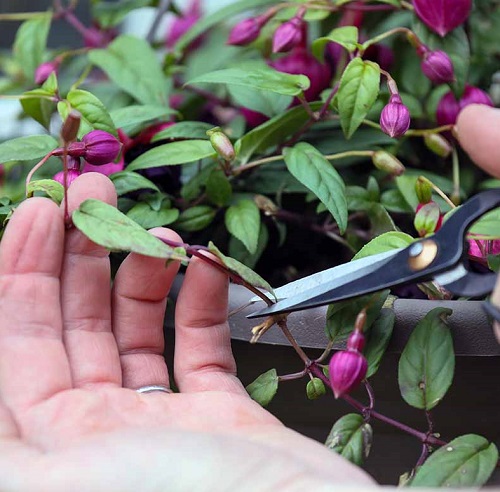
Pruning plays a big role in year-round blooming. Flowers form on fresh growth. When old or weak stems stay on the plant, they use energy but produce few flowers. Trim soft tips regularly to force side shoots to grow. This creates more flowering points. Do not cut hard woody stems unless needed. Gentle, regular pruning keeps the plant compact and full of new growth that supports constant blooming.
3. Manage Rest Without Letting the Plant Shut Down
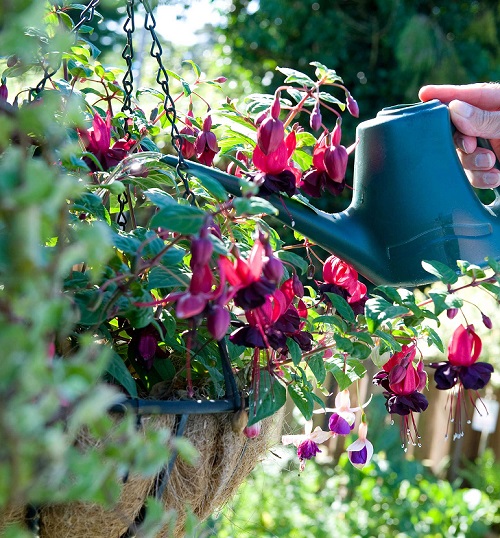
Fuchsia hybrids do not need a full rest like many flowering plants. They need a slow period, not a stop. When growth slows, reduce feeding but do not stop care. Keep light watering going. Avoid heavy pruning during this time. This mild rest helps the plant recover energy. When growth picks up again, buds form faster. Skipping this balance often causes long gaps without flowers.
4. Control Heat Stress to Protect Buds
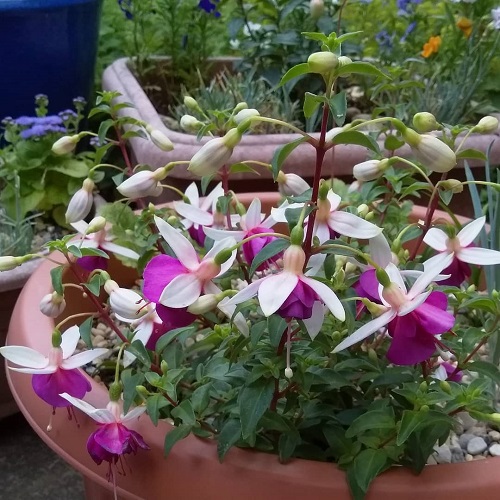
Heat stress is a common reason fuchsia hybrids stop blooming. When temperatures stay high, buds dry or fall before opening. The plant focuses on survival instead of flowers. Keep roots cool and soil slightly moist. Improve air movement around the plant. Avoid letting the pot heat up during the day. Reducing heat stress helps buds stay healthy and open fully instead of dropping early.
Note: Hybrid fuchsia can handle a wide range of temperatures. It can survive cold weather as low as -15℃ (5℉). It can also tolerate heat up to 38℃ (100℉) without serious damage.
5. Feed for Bud Growth, Not Just Leaves
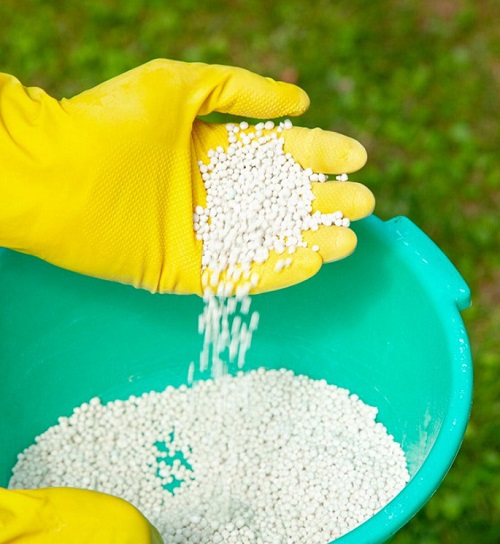
Many fuchsia hybrids grow lots of leaves but few flowers. This happens when feeding is unbalanced. Too much strong feeding pushes leaf growth and delays buds.
To help your hybrid fuchsia produce more flowers during the blooming season, use a balanced fertilizer. For potted plants, fertilize once a week. You can also add fertilizer every time you water by using only a quarter-strength mix. If you plan to move the plant indoors at the end of fall, stop fertilizing about two weeks before bringing it inside.
When feeding is right, new shoots form buds quickly. Balanced feeding supports flowers without forcing weak, soft growth.
6. Watch the Plant and Adjust Slowly
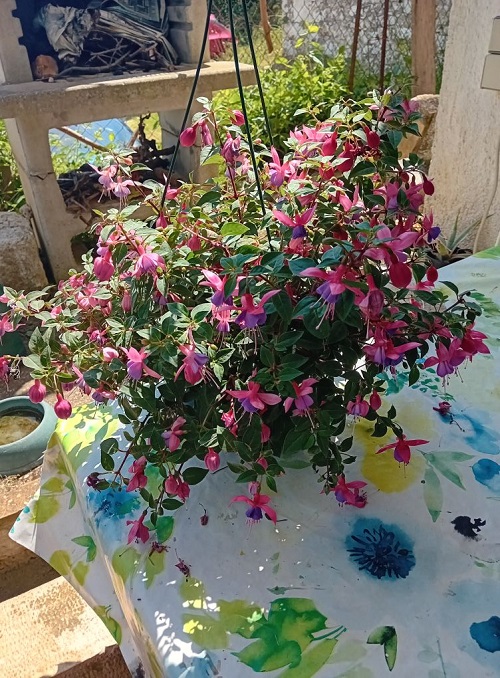
The biggest secret to year-round blooms is observation. Watch how your fuchsia hybrid reacts each week. Dropping buds, slow growth, or weak stems all send signals. Make small changes instead of big ones. Adjust watering, pruning, or feeding slowly. Plants respond better to gentle correction. When you work with the plant’s pace instead of against it, blooming becomes steady and long-lasting.