

Is your spider plant outgrowing its pot? Learn the clear signs your spider plant needs repotting so it can grow fuller, healthier, and stronger again.

Spider plants grow fast and can quickly outgrow their pots. When the roots become crowded, the plant may start showing small warning signs. These signs help you understand when it needs a bigger pot and fresh soil. Learning to notice them early keeps your spider plant healthy and growing strong indoors.
Signs Your Spider Plant Needs Repotting
1. Roots Growing Out of the Drainage Holes

One of the clearest signs that your spider plant needs repotting is when roots start coming out of the drainage holes at the bottom of the pot. This means the roots have filled the container and have no space left to grow. The plant keeps pushing roots outward in search of more room. When this happens, the root system becomes crowded and stressed. Repotting gives the roots fresh soil and extra space so the plant can grow healthy again.
2. The Plant Produces Many Babies but Looks Crowded

Spider plants often produce many small offshoots called babies or spiderettes. While this is a sign of a healthy plant, too many babies in a small pot can make the plant crowded. The main plant may struggle to support all the growth. Repotting allows you to give the main plant more space. You can also separate some babies and grow them in new pots.
3. The Soil Level Keeps Rising

In some cases, the root mass slowly pushes the soil upward in the pot. You may notice the soil sitting higher than before or even lifting the plant slightly. This happens when the roots expand and fill every part of the container. It is a clear sign that the plant has no more room left. Repotting solves this problem and restores balance in the pot.
4. The Soil Looks Very Compact

Old potting soil can become hard and compact over time. When this happens, air cannot move easily through the soil. Roots struggle to breathe and grow. You may notice that water sits on the surface before slowly soaking in. This is a sign the plant may need fresh soil. Repotting helps replace the old compacted soil with loose and fresh potting mix.
5. The Pot Looks Too Small for the Plant

Sometimes the plant simply outgrows its container. The leaves may look large and full while the pot looks small and crowded underneath. The plant may also tip over easily because the top growth becomes heavier than the pot. This imbalance shows that the root system needs more space. A larger pot will support both the roots and the growing leaves.
6. Roots Form a Tight Circle Inside the Pot

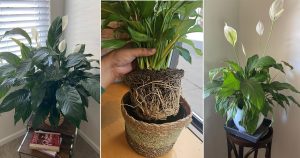
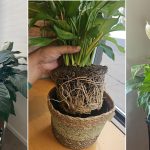
When you remove the plant from its container, you might see roots wrapped tightly around the soil in a circular shape. This is called a root-bound plant. The roots grow in circles because they have no space to spread out. Over time, this tight root mass stops the plant from absorbing enough water and nutrients. Repotting breaks this cycle and allows the roots to grow normally again.
7. The Plant Stops Growing

A spider plant usually grows quickly and produces new leaves often. If your plant suddenly stops growing for a long time, the pot may be too small. When the roots take up all the available space, the plant cannot support new growth. It focuses only on surviving. Repotting the plant into a slightly larger container gives it the room it needs to grow fresh leaves again.
8. The Plant Dries Out Very Quickly

If the soil dries out much faster than before, your spider plant may be root bound. When roots fill the pot, there is very little soil left to hold moisture. Water runs through the pot quickly and the plant becomes thirsty again soon after watering. You may notice the leaves looking dull or slightly droopy. Moving the plant to a bigger pot with fresh soil helps it hold moisture better.
9. Leaves Start Looking Weak or Smaller

When a spider plant becomes root bound, it cannot take in enough nutrients. Over time, the leaves may grow smaller than usual. They may also look thinner or slightly pale. The plant does not have the resources it needs to stay strong. Repotting with fresh soil gives the roots better access to nutrients and helps the plant recover.
10. The Plant Has Been in the Same Pot for Years

Even if the plant still looks healthy, staying in the same pot for many years can limit its growth. Over time the soil loses nutrients and the roots slowly fill the container. Many spider plants need repotting every one to two years. Refreshing the soil and giving the plant a slightly bigger pot keeps it growing well for a long time.