

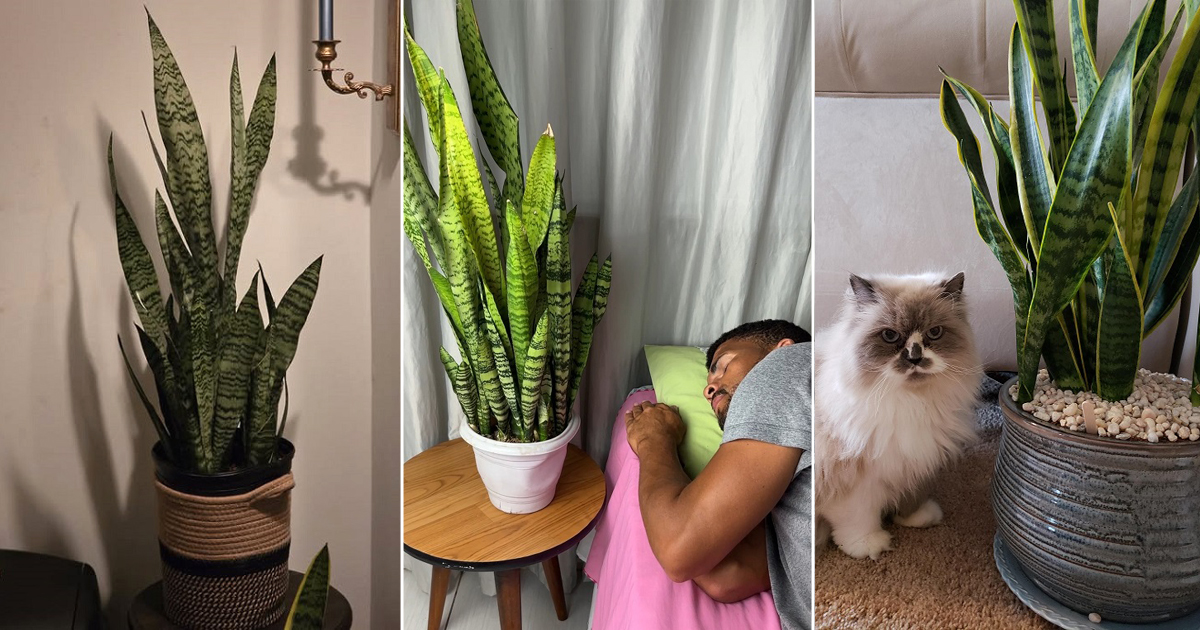
Find out if Snake Plant Releases CO2 at Night- Is It Dangerous to Keep in Bedroom? And what really happens while you sleep.
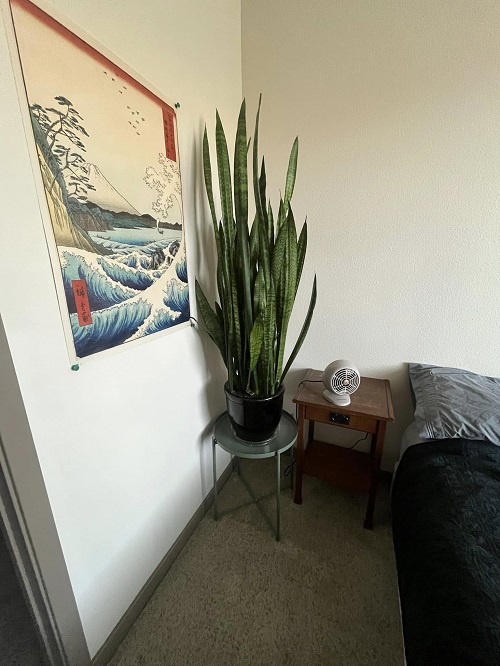
Many people hear that snake plants release oxygen at night. This makes them popular bedroom plants. At the same time, some worry that the plant may release carbon dioxide instead. This raises fear about safety while sleeping. The truth is simple and not dangerous. Like most plants, snake plants do release a small amount of CO₂ at night. The amount is very low. It does not affect human breathing in any harmful way. In this post, you will find in detail that do Snake Plant Releases CO2 at Night- Is It Dangerous to Keep in Bedroom?
Snake Plant Releases CO2 at Night- Is It Dangerous to Keep in Bedroom?
Snake Plant and the CO₂ Question at Night
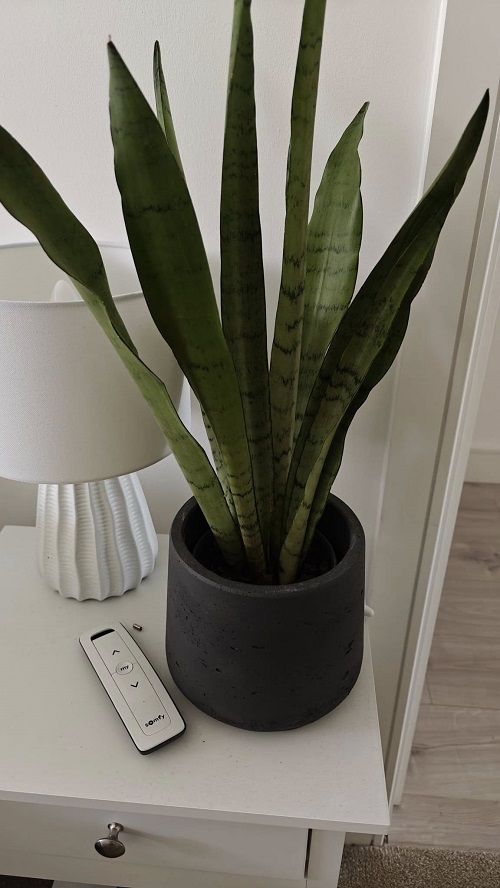
Many people hear that snake plants release oxygen at night. This makes them popular bedroom plants. At the same time, some worry that the plant may release carbon dioxide instead. This raises fear about safety while sleeping. The truth is simple and not dangerous. Like most plants, snake plants do release a small amount of CO₂ at night. The amount is very low. It does not affect human breathing in any harmful way. Understanding how plant respiration works helps remove this fear.
Why Snake Plants Release CO₂ After Dark
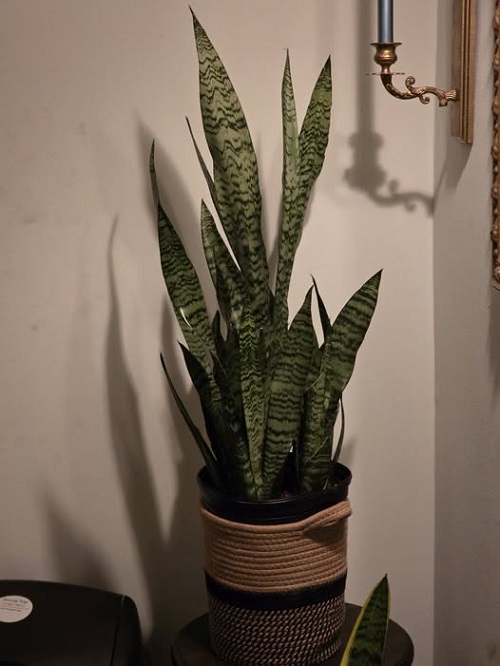
Snake plants use a special process called CAM respiration. During the night, the plant opens its pores to take in carbon dioxide. It stores this gas and uses it the next day to make food. During this process, the plant also releases a tiny amount of CO₂. This happens naturally. Every living plant does this. The amount released is extremely small. It is far less than what one sleeping person releases while breathing. So this night activity does not create danger.
How Much CO₂ Does a Snake Plant Actually Release

The amount of CO₂ released by a snake plant is very low. One adult human releases much more carbon dioxide in a single night than several large snake plants combined. A bedroom usually has windows, doors, or small air gaps. These allow air movement. Because of this, CO₂ does not build up. Even in a closed room, one or two plants cannot change the air quality. The plant’s size also matters. Common indoor snake plants stay small and slow-growing.
Is It Dangerous to Sleep With a Snake Plant in the Bedroom
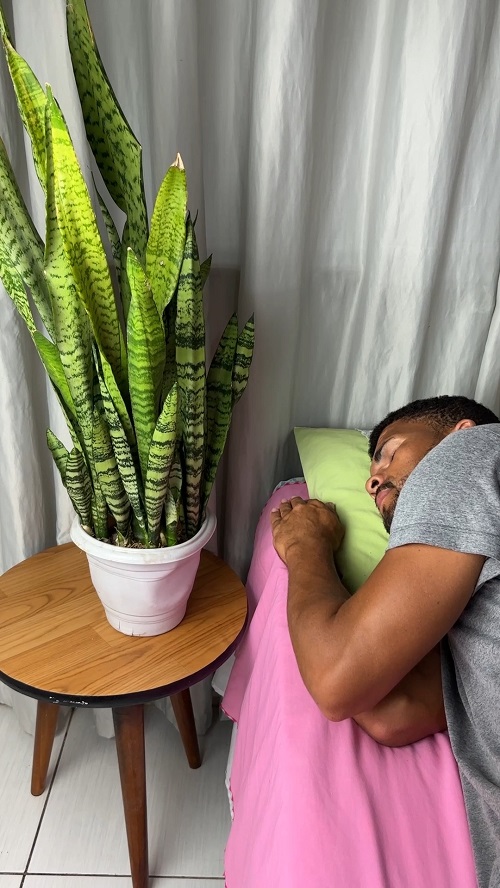
Keeping a snake plant in the bedroom is not dangerous. The CO₂ released at night does not reduce oxygen levels in the room. It does not cause headaches, breathing trouble, or poor sleep. Many people sleep with snake plants for years without any issue. The fear comes from misunderstanding plant biology. In reality, the plant’s effect on indoor air is minimal. Normal household activities like breathing, cooking, or using candles release far more CO₂ than a plant ever could.
Snake Plant Oxygen Myths and Common Confusion
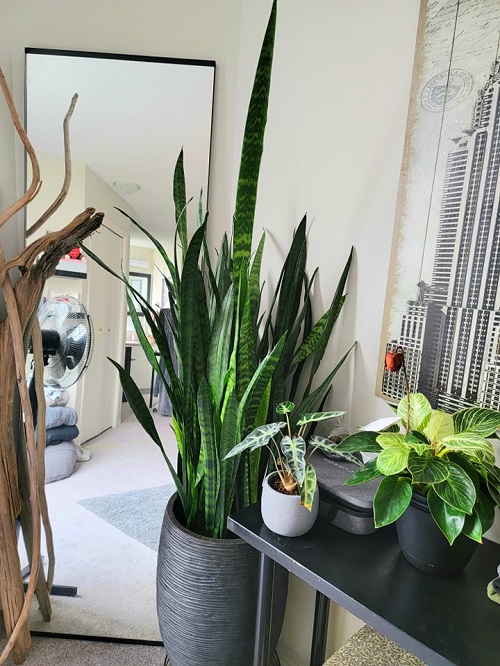
Some articles say snake plants give off oxygen at night. Others say they release CO₂. Both statements confuse people. The truth sits in between. Snake plants take in CO₂ at night, not oxygen. They still release a small amount of CO₂ due to respiration. This does not cancel their overall benefit. During the day, they help improve air quality slightly. At night, they remain harmless. No plant can fully clean indoor air alone. Plants only support a healthy space, not control it.
Bedroom Air Quality and Real Factors That Matter
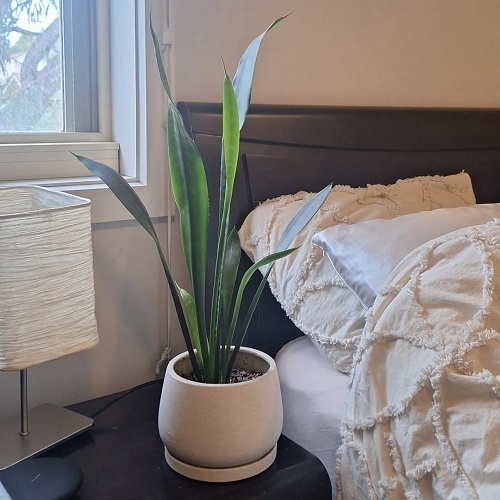
Bedroom air quality depends more on ventilation than on plants. Closed windows, heavy curtains, and crowded rooms affect airflow. Humans and pets affect oxygen and CO₂ levels far more than plants. Dust, humidity, and mold also matter. A snake plant does not worsen air quality. In fact, it can help control humidity slightly. It also traps dust on its leaves. These small benefits add comfort. But fresh air from windows or fans plays the biggest role in healthy sleep.
Who Should Be Extra Careful With Bedroom Plants
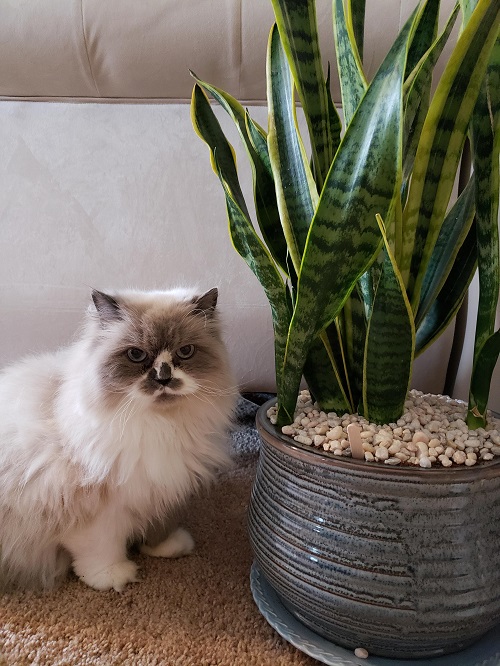
Most people can safely keep snake plants in the bedroom. However, pet owners should take care. Snake plants are mildly toxic to cats and dogs if chewed. The issue is not air quality but plant safety. People with plant allergies may also react to dust on leaves. This is rare. The plant itself does not release harmful gases. Placing the plant out of reach solves most concerns. Regular leaf cleaning also helps reduce dust buildup.
Snake Plant Releases CO2 at Night- Is It Dangerous to Keep in Bedroom?
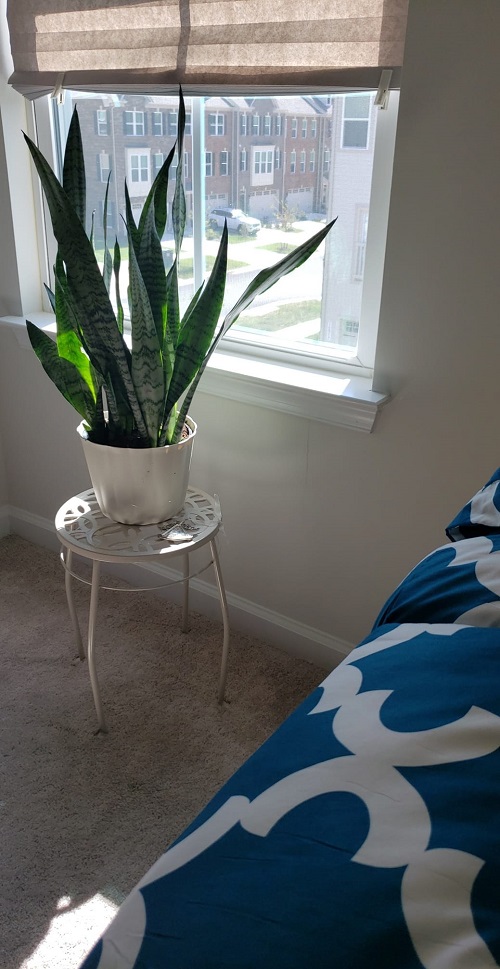
Snake plants do release a tiny amount of CO₂ at night. This is normal and harmless. The amount is too small to affect sleep or breathing. Keeping a snake plant in the bedroom is safe for most homes. The fear around nighttime CO₂ comes from misunderstanding plant science. Have normal ventilation, so there is no risk at all. Snake plants remain one of the easiest and safest houseplants to grow, even in bedrooms.