
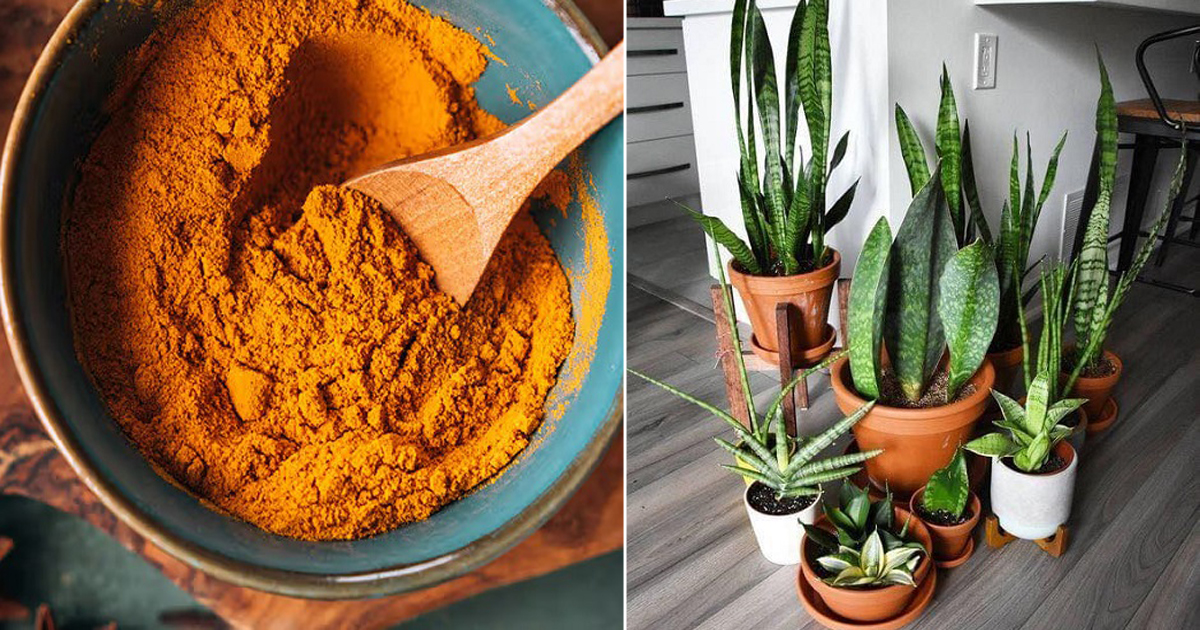
Sprinkling turmeric in snake plant soil sounds helpful—but does it really work? Learn what happens, the benefits, and the risks before trying this garden tip.
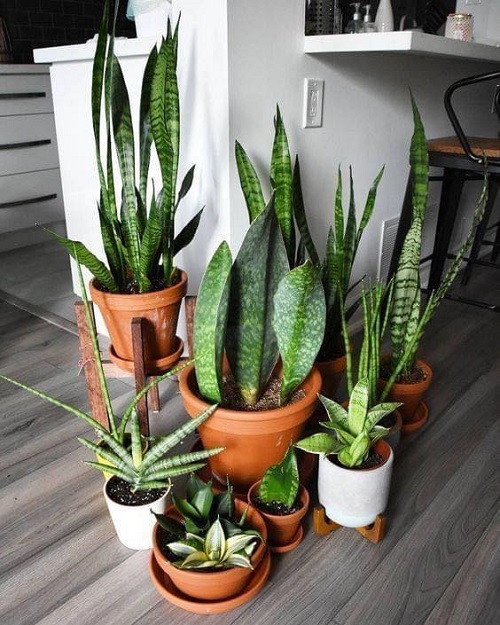
Sprinkling turmeric in a snake plant usually means adding a small amount of turmeric powder on the soil surface. Some people also mix it lightly into the top layer of soil. This idea comes from turmeric’s natural antibacterial and antifungal properties. Gardeners believe it may protect roots and soil from problems. But this practice is not a standard plant care method.
Sprinkling Turmeric in Snake Plant: Good Idea or Gardening Myth?
Why Turmeric Feels Like a Natural Solution
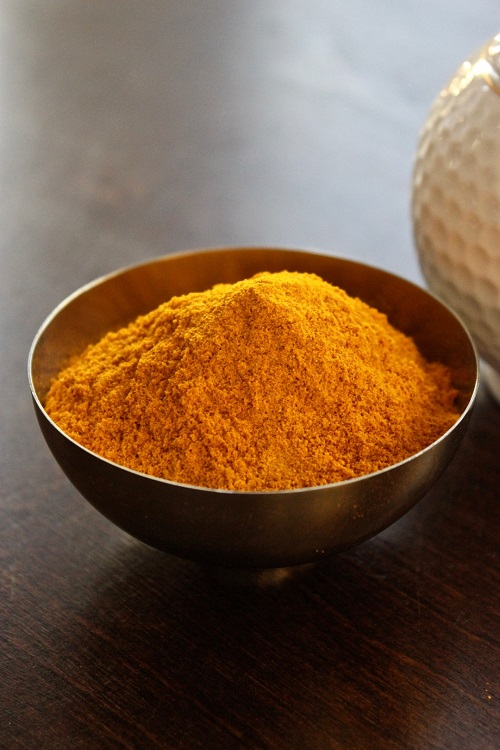
Turmeric is well known for its use in homes and kitchens. It is often linked with healing and protection. Because of this, many plant lovers try it on houseplants. Snake plants are tough and low-maintenance, so people feel safe experimenting with them. Turmeric feels gentle and natural. This makes it popular as a home remedy, even without strong gardening proof.
How Turmeric Acts in Soil
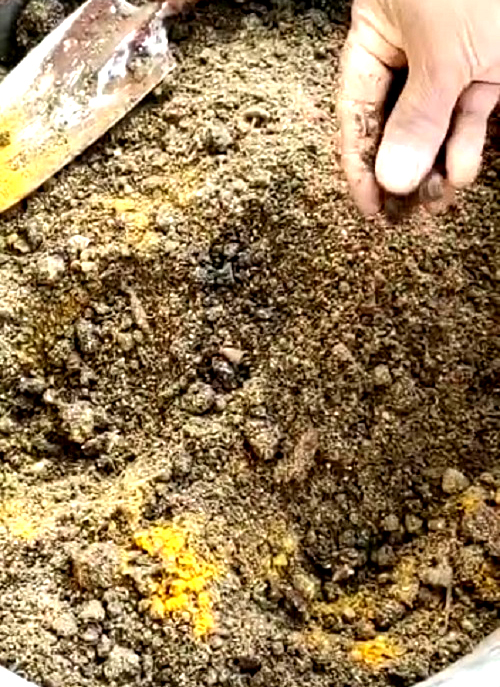
Turmeric contains compounds that slow down bacteria and fungi. When sprinkled on soil, it may reduce harmful microbes near the surface. This can help in cases of minor root stress or early signs of rot. However, turmeric does not feed the plant. It does not improve growth directly. Its role is more about soil balance, not nutrition or leaf development.
Benefits for Snake Plant Health
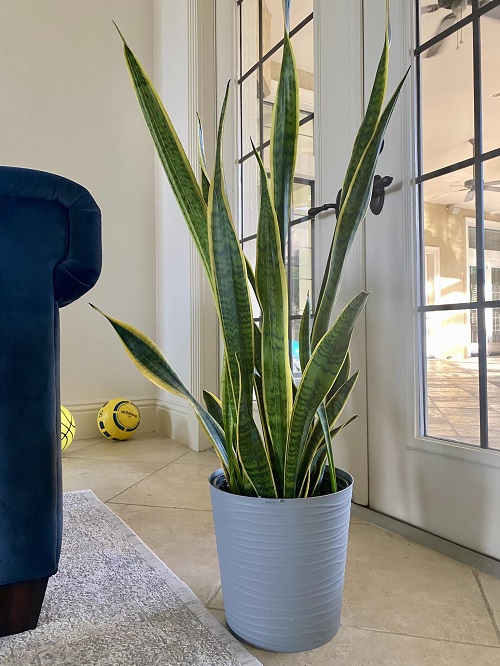
In small amounts, turmeric may help keep soil cleaner. It can slow fungal growth in damp conditions. This matters because snake plants dislike wet soil. If overwatering happens, turmeric might reduce damage for a short time. It may also deter some insects. These benefits are mild and temporary. They do not replace proper watering habits.
Risks of Using Too Much Turmeric

Using too much turmeric can cause problems. Thick layers may block air flow in the soil. This can trap moisture near roots. Snake plants hate soggy soil. Turmeric can also stain pots and soil. Overuse may change soil texture. In some cases, it can attract mold instead of stopping it. Balance matters when trying any home remedy.
Turmeric Is Not a Fertilizer
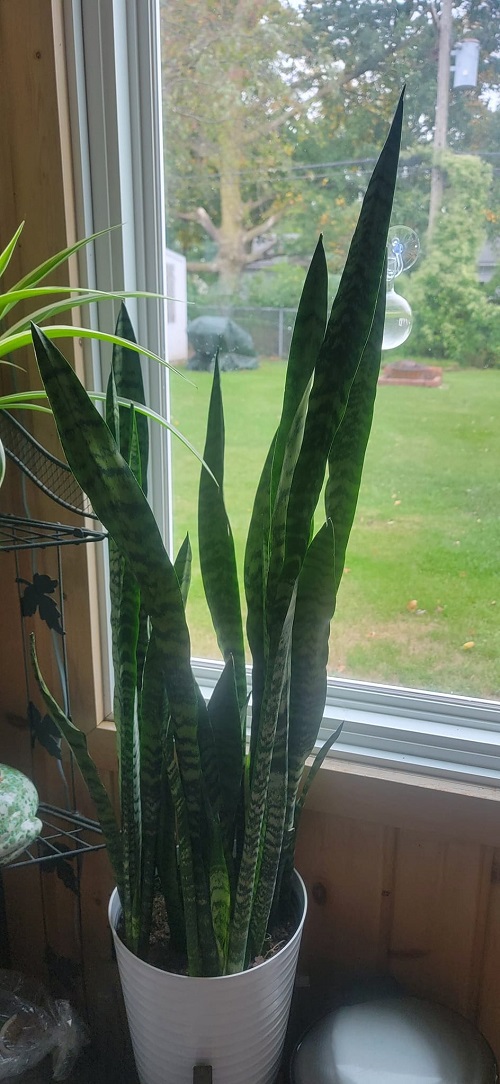
Keep in mind that turmeric does not provide nutrients like nitrogen or potassium. It does not help leaves grow taller or greener. Snake plants grow slowly by nature. Turmeric cannot change that. If someone expects fast growth, they may feel disappointed. Proper light and watering still matter more. Turmeric only plays a small support role, not a growth role.
When Turmeric Makes Sense to Use
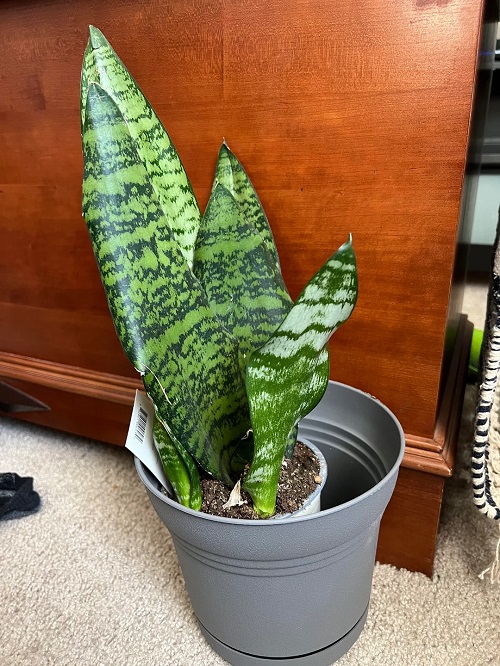
Turmeric may help after repotting or when the soil smells bad. A light sprinkle can reduce early microbial issues. It works best as a short-term aid. It should not be used often. Once every few months is enough. Always use a very small amount. Mix it lightly with dry soil to avoid clumping.
Is This Practice a Gardening Myth?
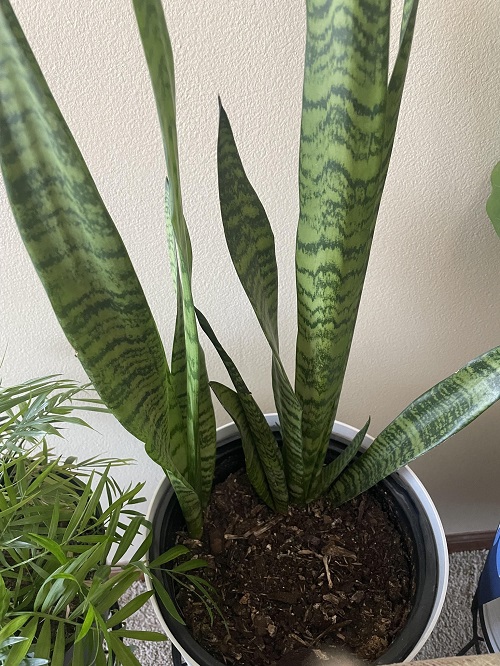
Sprinkling turmeric in snake plant is partly true and partly a myth. It can help with minor soil issues. But it does not fix poor care habits. It cannot save a badly rotting plant. Many benefits come from turmeric’s reputation, not strong plant science. Used carefully, it can support soil health. Used blindly, it does little.
Turmeric and Snake Plants
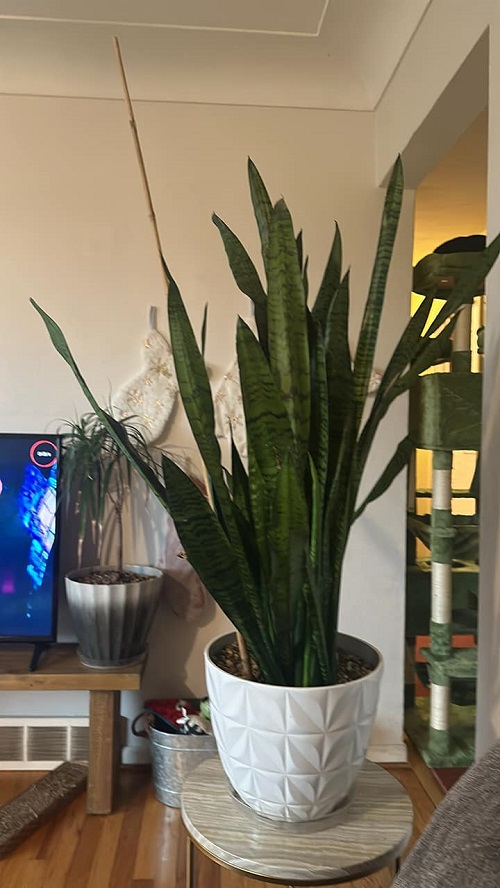
Turmeric is not magic for snake plants. It works as a gentle soil helper, not a growth booster. When used in small amounts, it may reduce fungal risk. When overused, it can cause new issues. Good care always matters more. Think of turmeric as an optional support, not a solution.