
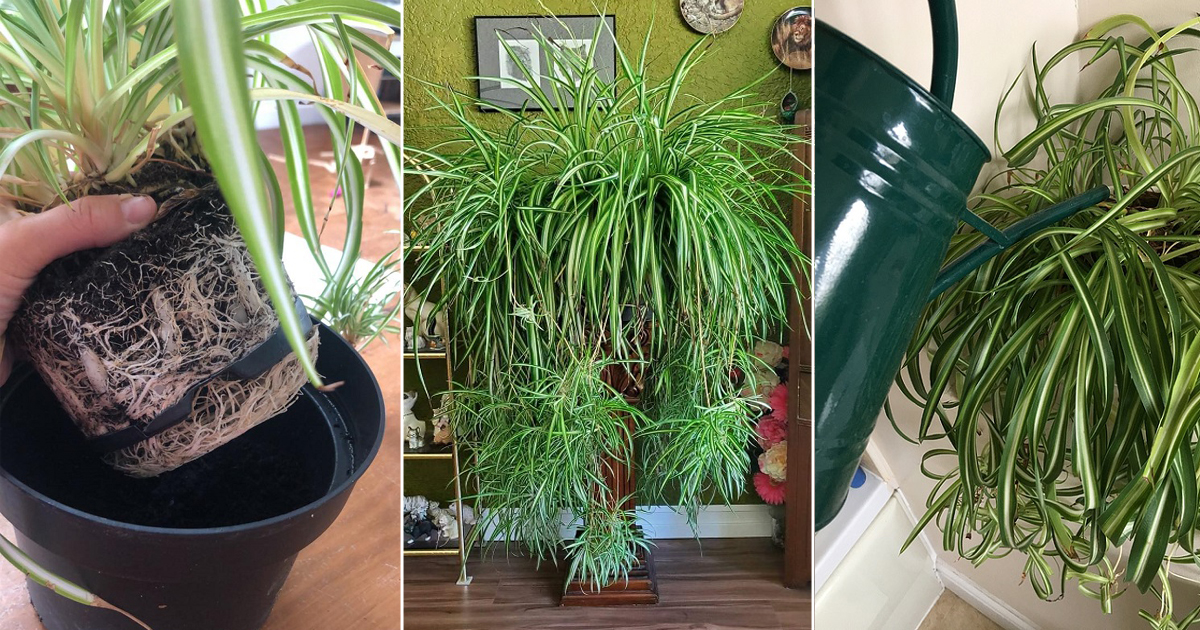
Want fuller spider plants this spring? Learn what to do with spider plant in March for a lush growth all season long.
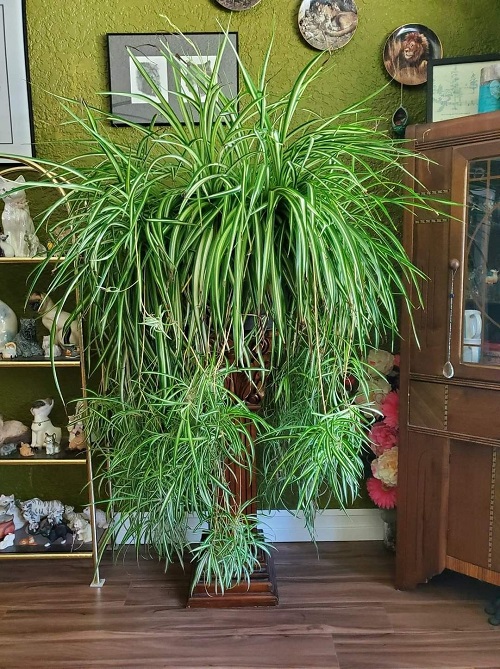
Spider plants are easy to care for and look very nice, but you still need to do a few important things this month to keep them healthy. In March, they start growing faster, so you should water them more often. Make sure the soil drains well so the plant does not sit in too much water. This is also a good time to clean the leaves, check the roots, and repot if needed. Place your plant where it gets bright but indirect light as the days become sunnier.
What to Do with Spider Plant in March for a Lush Growth All Spring
1. Start with a Gentle Clean-Up
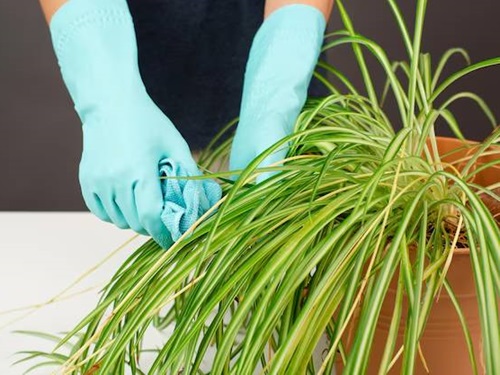
March is a good time to refresh your spider plant after winter. Check the leaves closely. Remove any dry, yellow, or damaged parts using clean scissors. This helps the plant focus on new growth instead of wasting energy. Wipe the leaves with a soft, damp cloth to remove dust. Clean leaves can absorb light better. This simple step makes a big difference in how fresh and healthy your plant looks.
2. Propagate Baby Plants
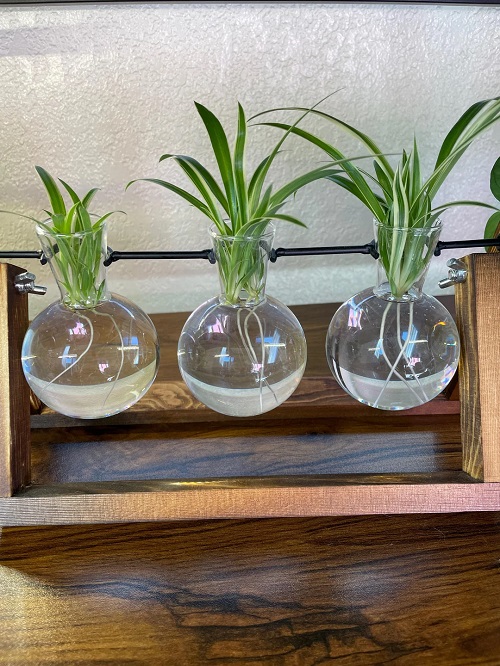
Spider plants produce small baby plants called “spiderettes.” March is a great time to propagate them. You can place these babies in water or soil to grow new plants. This not only helps you multiply your collection but also reduces stress on the parent plant. Healthy propagation leads to stronger and more active growth in spring.
3. Watch for Early Pest Signs
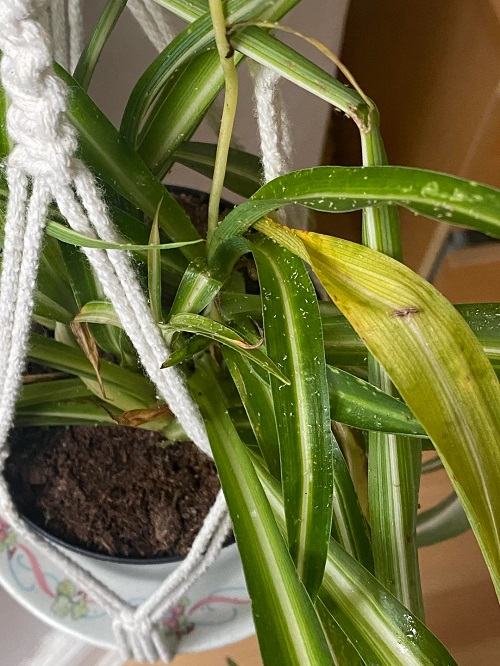
As the weather warms up, pests may appear. Check under the leaves and along stems for tiny insects or sticky spots. If you notice anything unusual, clean the plant and treat it early. You can use mild soap water or neem-based solutions. Acting early prevents bigger problems and keeps your plant healthy.
4. Set the Stage for Spring Growth

March is the transition month that prepares your spider plant for active growth. Small changes now lead to big results later. Focus on cleaning, feeding, watering, and light adjustments. When done right, your plant will grow lush, full, and vibrant all through spring. A little care in March makes your spider plant thrive for months ahead.
5. Improve Airflow Around the Plant

Good airflow is important as growth increases in March. Do not place your spider plant in a crowded corner. Leave some space around it so air can move freely. This reduces the risk of pests and fungal issues. Fresh air also helps the plant stay strong and active during the growing season.
Trim for a Fuller Look
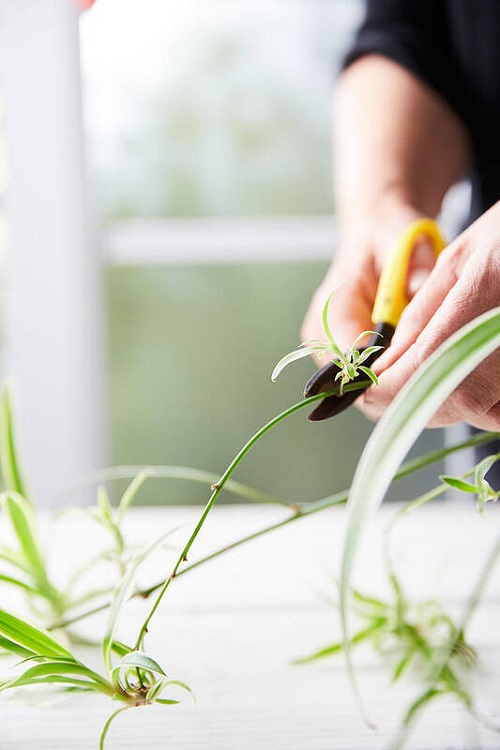
If your spider plant looks thin or uneven, trimming can help. Cut back long or leggy leaves to shape the plant. This encourages new shoots to grow from the base. A well-trimmed plant looks fuller and more balanced. Do not remove too many leaves at once. Light pruning in March supports healthy growth throughout the season.
Propagate Baby Plants
Spider plants produce small baby plants called “spiderettes.” March is a great time to propagate them. You can place these babies in water or soil to grow new plants. This not only helps you multiply your collection but also reduces stress on the parent plant. Healthy propagation leads to stronger and more active growth in spring.
Feed for Fresh Growth
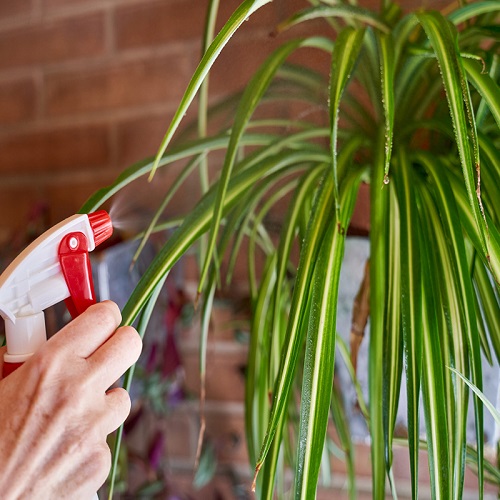
March is the right time to begin feeding your spider plant. Use a balanced liquid fertilizer once every two to three weeks. Do not overfeed, as it can damage the roots. Feeding gives the plant the nutrients it needs for strong and healthy growth. You will notice greener leaves and faster development when feeding is done correctly.
Give More Light Exposure
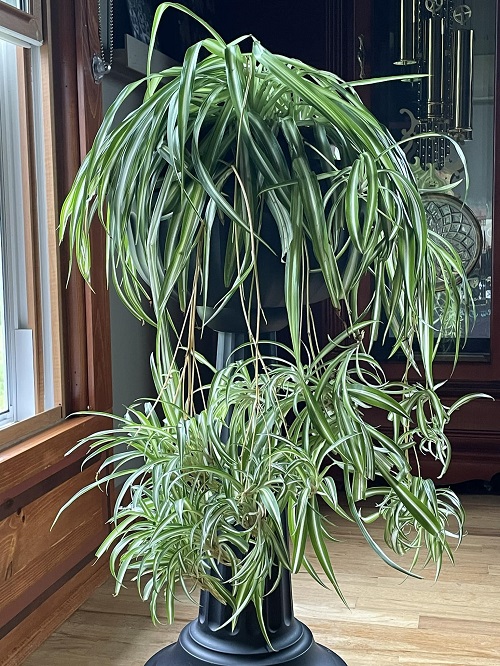
Your spider plant needs bright, indirect light to grow lush. In March, days get longer, so move your plant closer to a window if needed. Avoid harsh direct sunlight, as it can burn the leaves. A bright spot encourages faster growth and helps maintain the plant’s natural color. Rotate the pot every few days so all sides get equal light.
Check if Repotting is Required
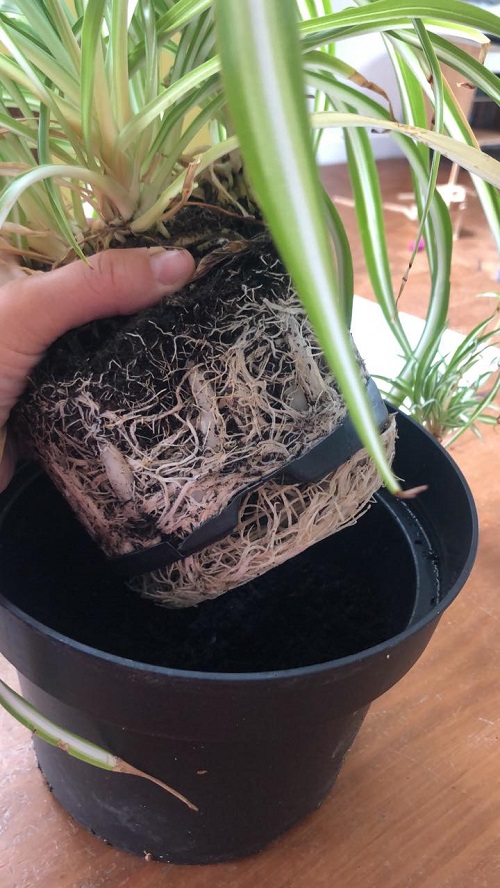
Spider plants grow fast and can become root-bound. Slide the plant out of its pot and inspect the roots. If roots are tightly packed or circling, repot into a slightly bigger pot. Choose a pot with drainage holes. Do not go too large, as excess soil can hold too much water. Repotting in March gives the plant enough time to settle and grow well in spring.
Increase Watering Slowly
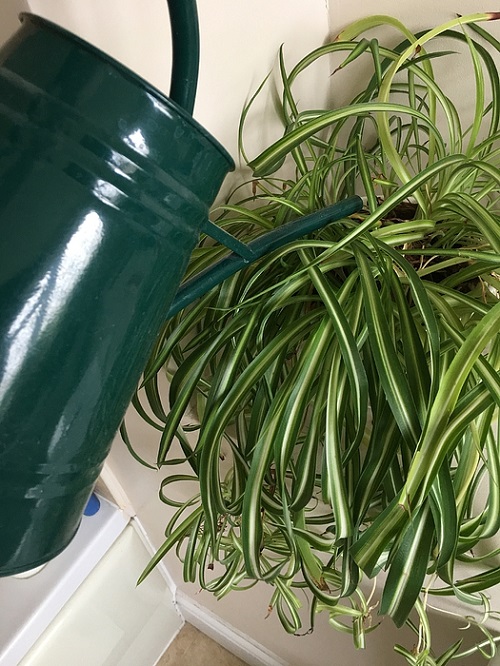
As temperatures rise, your spider plant will need more water. Start increasing watering gradually in March. Keep the soil slightly moist but not soggy. Always check the top inch of soil before watering. If it feels dry, then water deeply. Avoid overwatering, as it can cause root rot. A steady watering routine helps the plant grow fuller and produce more leaves.
Refresh the Soil if Needed
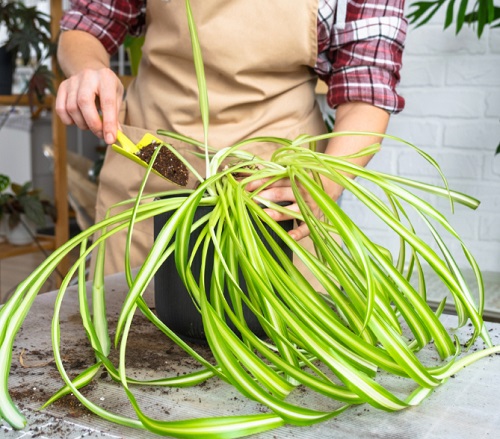
Look at the soil condition in early March. If it feels compact or drains poorly, it is time to refresh it. Gently loosen the top layer or replace some of the old soil with fresh, well-draining mix. You do not always need full repotting. A partial refresh can improve airflow and root health. Good soil helps the plant take up water and nutrients more easily during active growth.