
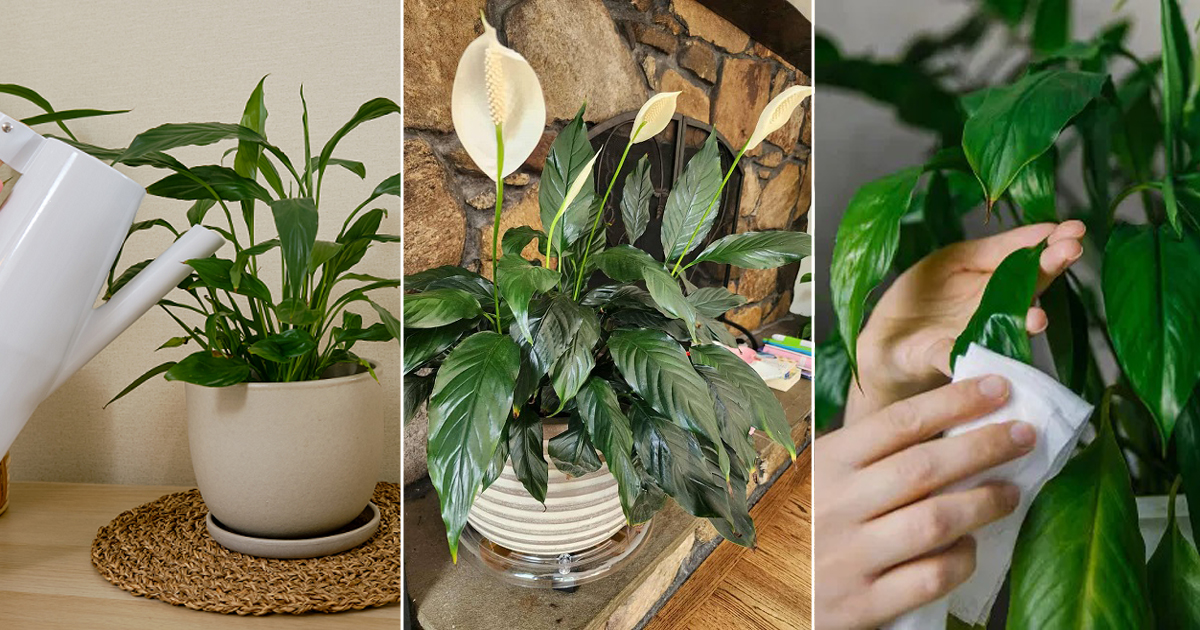
Want more blooms from your peace lily this March? Learn what it truly needs now to grow stronger and start flowering again.
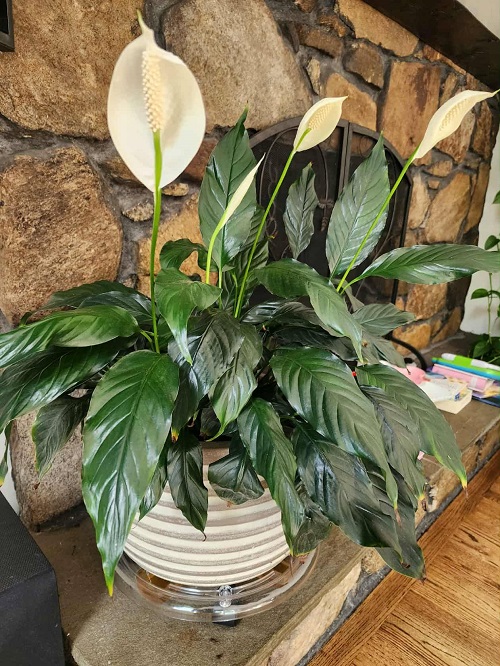
What Your Peace Lily Actually Needs in March for More Blooms is something many plant owners want to understand. March is an important time when your plant starts growing again after winter. Small changes now can make a big difference. With the right steps, you can help your peace lily produce more healthy and long-lasting blooms.
What Your Peace Lily Actually Needs in March for More Blooms
1. Understand the Plant’s Growth Phase in March
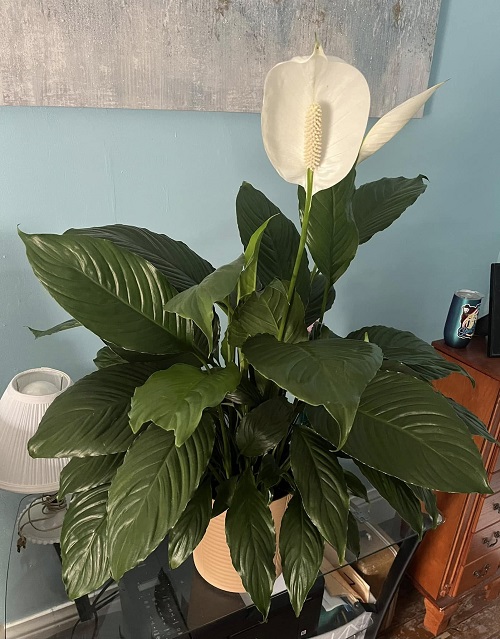
March is a time when your peace lily starts waking up from a slower winter phase. The plant begins to grow more actively as days become longer and slightly warmer. You may notice new leaves forming and a slight increase in energy. This is the right time to support healthy growth. If you ignore this phase, your plant may stay green but produce fewer blooms.
2. Start Light Feeding for Better Blooms
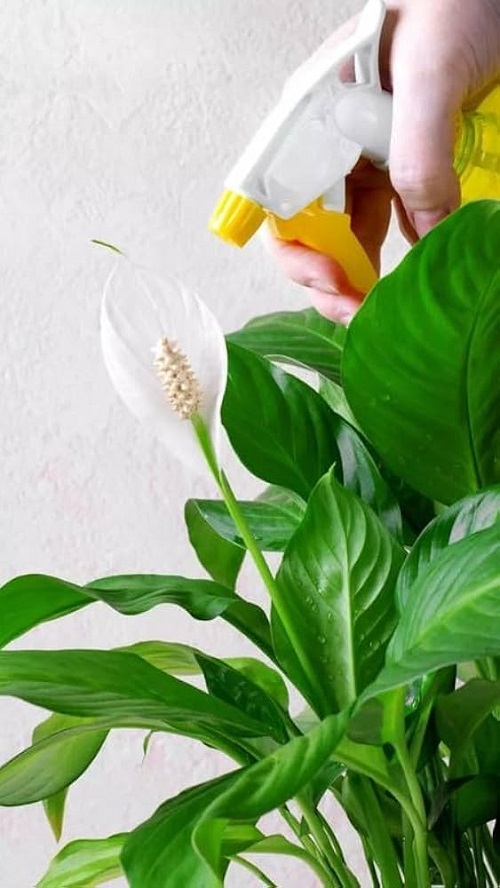
March is a good time to begin feeding your peace lily again. Use a balanced liquid fertilizer once every few weeks. This gives the plant the nutrients it needs to produce flowers. Do not overfeed, as too much fertilizer can harm the roots. A steady and light feeding routine works best for healthy blooms.
3. Remove Old or Yellow Leaves
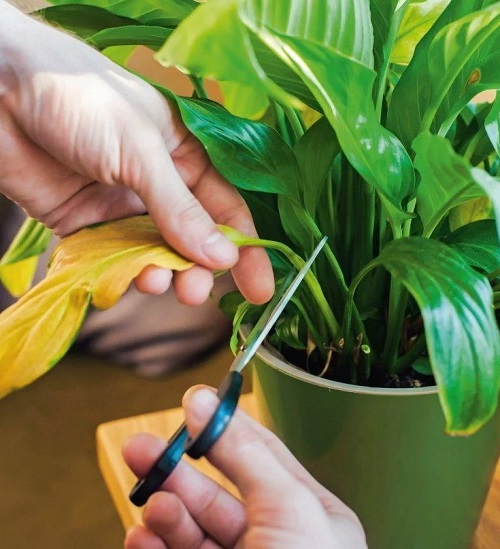
Old or yellow leaves take away energy from the plant. In March, trim these leaves using clean scissors. This helps the plant direct its energy toward new growth and flowers. Regular pruning keeps the plant neat and encourages stronger blooming during the growing season.
4. Be Patient and Consistent
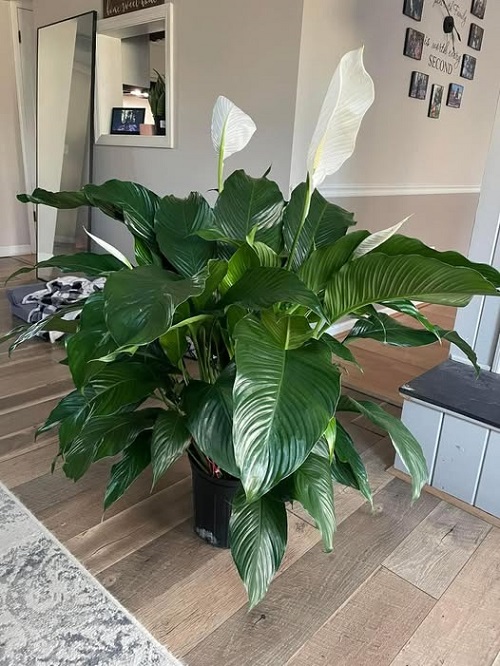
Your peace lily will not bloom overnight. It needs steady care and the right conditions. March is the starting point for better blooms, but results take time. Stay consistent with watering, light, and feeding. Small daily care steps can lead to more flowers in the coming weeks.
5. Check for Root Bound Conditions
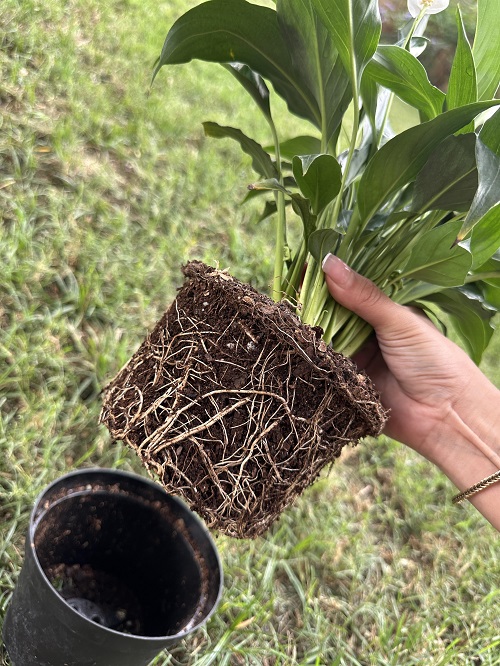
If your peace lily has not been repotted for a long time, March is a good time to check the roots. If roots are crowded and circling inside the pot, the plant may struggle to bloom. Move it to a slightly larger pot with fresh soil. This gives the roots more space and improves overall growth.
6. Maintain a Stable Temperature
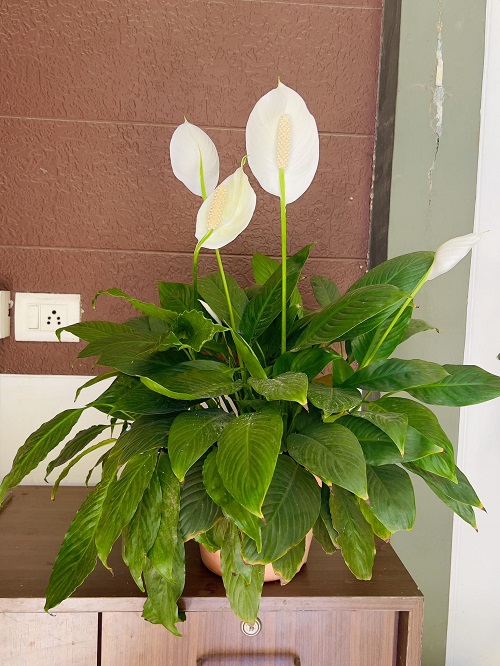
Peace lilies grow best in a stable indoor temperature. In March, avoid placing the plant near cold drafts or sudden temperature changes. Keep it away from air conditioners or open windows at night. A steady temperature helps the plant focus on growth and blooming instead of stress.
7. Clean the Leaves for Better Growth
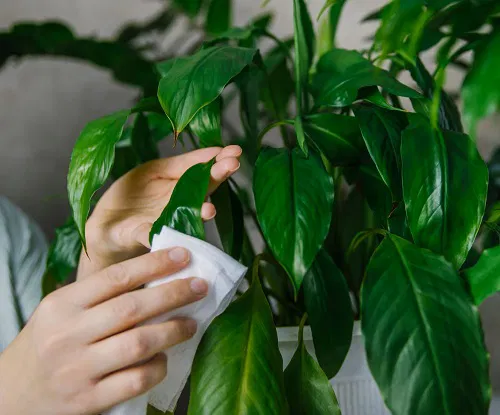
Dust can collect on the leaves during winter. This blocks light and slows down growth. In March, take time to wipe the leaves with a soft, damp cloth. Clean leaves help the plant absorb more light. This improves energy and supports flowering. It also keeps the plant looking fresh and healthy.
8. Adjust Your Watering Routine
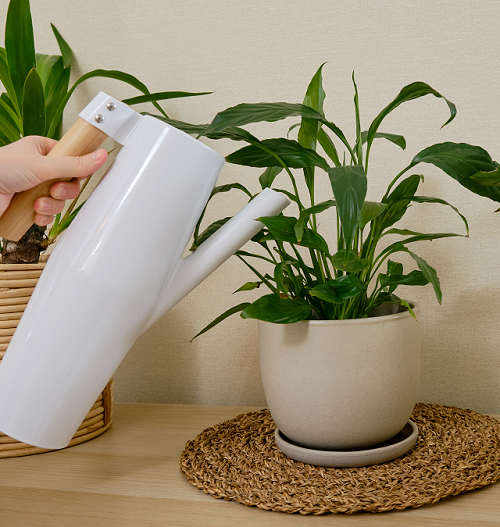
In March, your plant needs a bit more water than in winter. The soil should stay slightly moist but not wet. Check the top layer of soil with your finger. If it feels dry, water the plant slowly. Avoid overwatering because it can cause root problems. Always use a pot with good drainage to remove excess water.
9. Increase Humidity Around the Plant
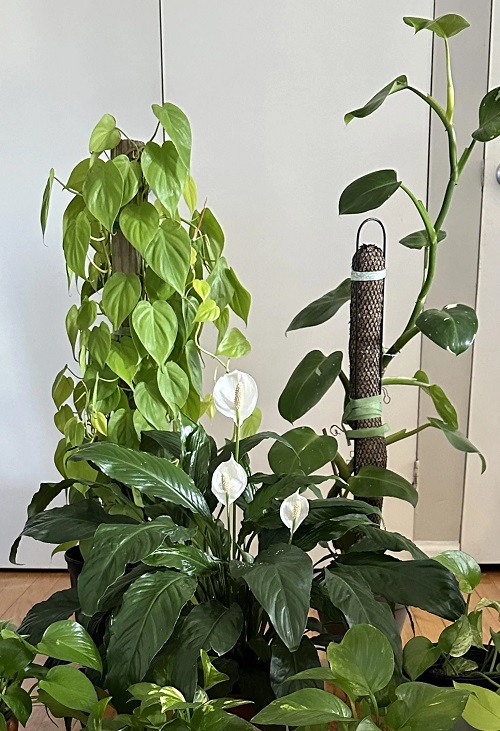
Peace lilies enjoy a humid environment. In March, indoor air can still feel dry in many homes. This can affect blooming. You can mist the leaves lightly or place a tray of water near the plant. Grouping plants together can also help raise humidity. These small changes support better leaf and flower growth.
10. Give the Right Amount of Light
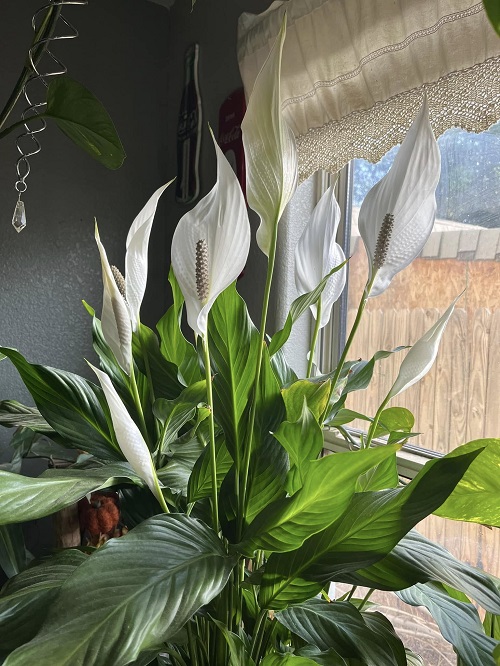
Your peace lily needs bright but indirect light in March. Place it near a window where it gets filtered sunlight. Direct sun can burn the leaves and slow down blooming. Low light can also reduce flower production. Adjust the position if needed. Rotate the pot every few days so all sides get equal light and grow evenly.