
Find out What’s Preventing Your Coleus From Becoming Bushier Indoors? Learn the mistakes that cause thin growth and weak side branches.
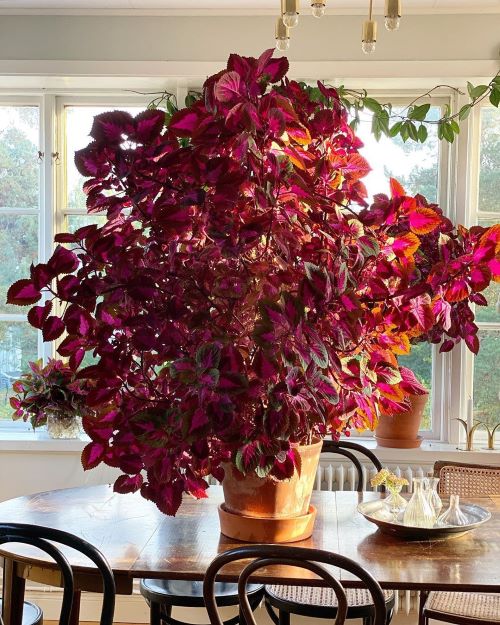
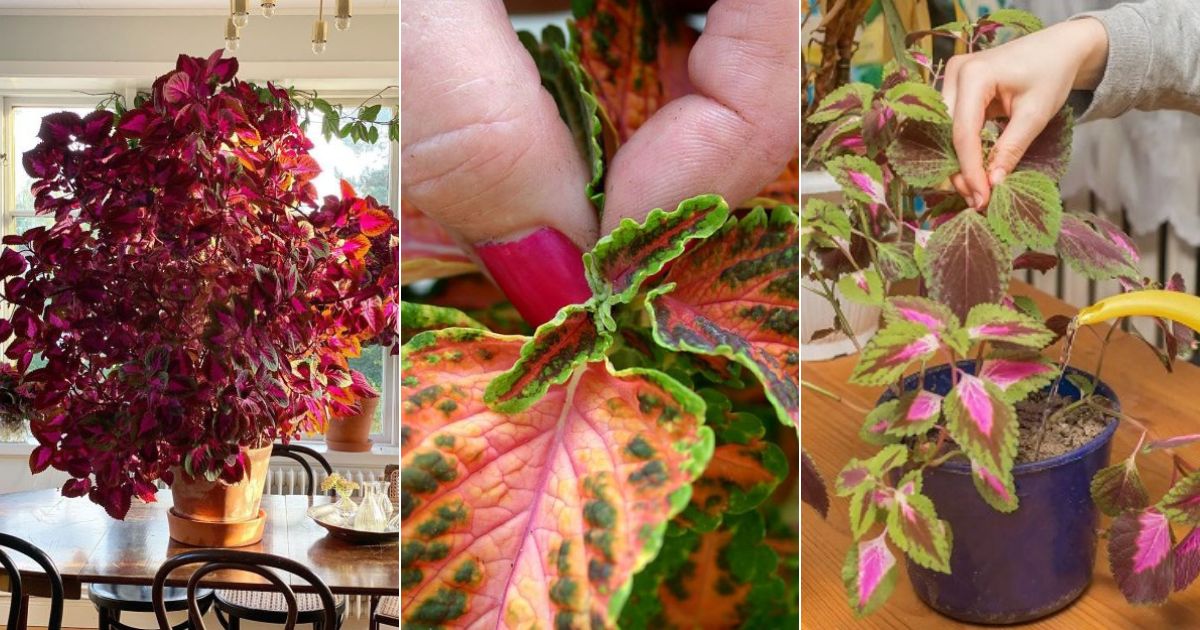
Coleus is known for its bright leaves and full shape. Many people expect it to grow thick and wide indoors. Instead, the plant often grows tall and thin. This can be disappointing. This plant usually reacts strongly to its indoor environment. Small mistakes can slow side growth. When this happens, the plant puts energy into height, not fullness. Here you will learn what’s Preventing Your Coleus From Becoming Bushier Indoors.
What’s Preventing Your Coleus From Becoming Bushier Indoors
1. Lack of Regular Pinching Slows Side Growth
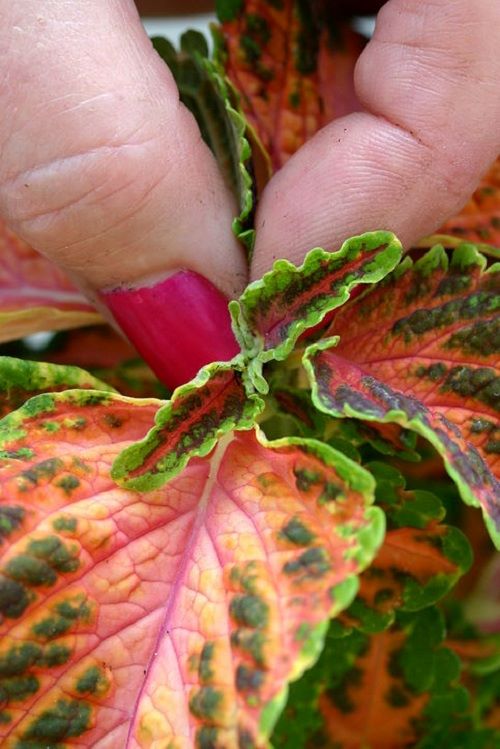
Coleus needs regular pinching to grow bushier. When you let the main stem grow without trimming, the plant focuses on upward growth. Side shoots stay weak or do not form at all. This causes a leggy look. Pinching removes the top growth point. This forces the plant to send energy to the side stems. Without this step, coleus will never grow thick indoors. Even healthy plants stay thin if pinching is ignored.
2. Excessive Heat Pushes Vertical Growth
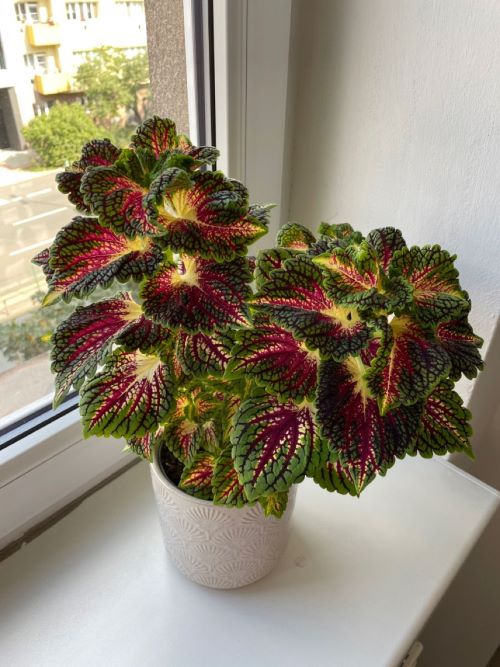
Warm indoor temperatures can cause coleus to stretch. When the heat stays high all day, the plant grows fast but weak. Rapid growth leads to long stems and wide gaps between leaves. Side branches do not get enough time to form. This makes the plant look sparse. Indoor heating, especially in small rooms, often creates this problem. Coleus prefers steady conditions to grow bushier.
3. Old Growth Dominates the Plant
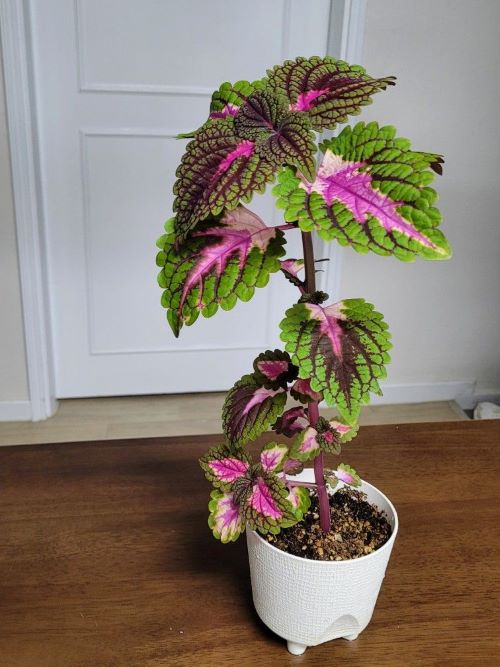
Older coleus plants often slow down side growth. The main stems become woody over time. New branches struggle to develop from hard stems. This keeps the plant thin even when it looks healthy. Indoor coleus ages faster due to limited space. Without cutting back old growth, the plant keeps its tall shape. Fresh growth stays limited and weak.
4. Uneven Watering Affects Stem Development
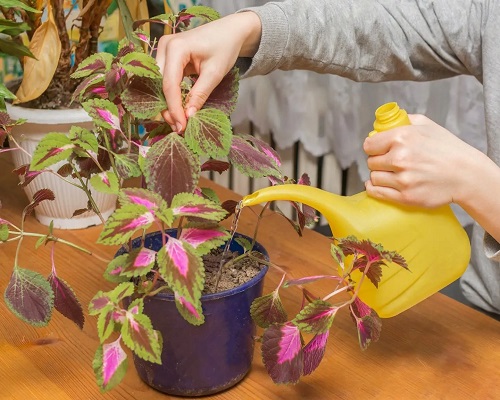
Coleus reacts quickly to watering problems. Dry soil for long periods weakens new shoots. Too much water causes root stress. Both issues affect side growth. When water levels change often, the plant struggles to grow evenly. This leads to long stems with few leaves. Indoor conditions make soil dry more slowly or more quickly than expected. Inconsistent watering keeps coleus from developing a full shape.
5. Low Indoor Air Movement Weakens Growth
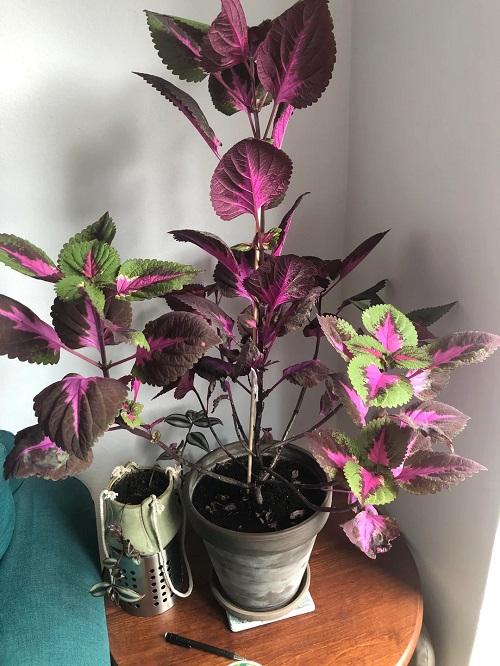
Still, indoor air can affect coleus growth. Without airflow, stems grow softer and longer. Weak stems stretch toward light instead of thickening. Poor air movement also keeps moisture around leaves for too long. This slows healthy growth. Coleus indoors needs gentle air movement to stay strong. When air stays trapped, the plant grows thin and less balanced.
6. Overcrowded Roots Limit New Branches
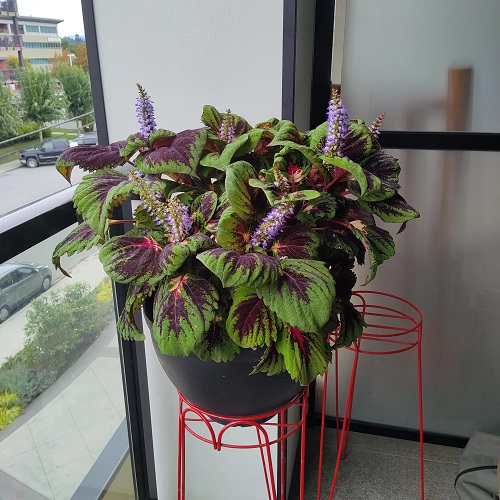
Coleus can stop branching when roots feel crowded. A tight pot limits water and air movement. This stresses the plant. When stress builds, coleus focuses on survival instead of growth. Side branches grow slowly or stop forming. The plant may still look green, but stay narrow. Indoor coleus often outgrows its pot faster than expected. When roots lack space, bushy growth becomes difficult.
7. Stress From Frequent Moving Disrupts Growth
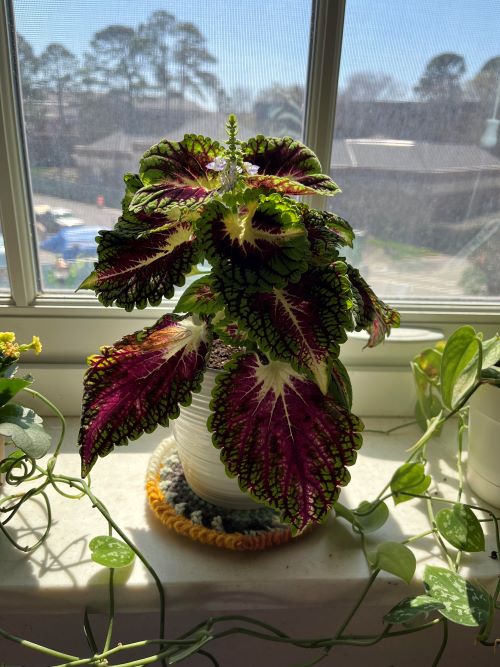
Coleus does not like frequent changes. Moving the plant often causes stress. Each move changes temperature, airflow, and humidity. The plant takes time to adjust. During this time, growth slows. Side branching pauses first. The plant focuses on adapting instead of filling out. Indoor coleus needs a stable spot to grow evenly and become bushier.