
Lots of leaves but no flowers on your African violet? Find out why blooming stops and how small signals from the plant explain it.
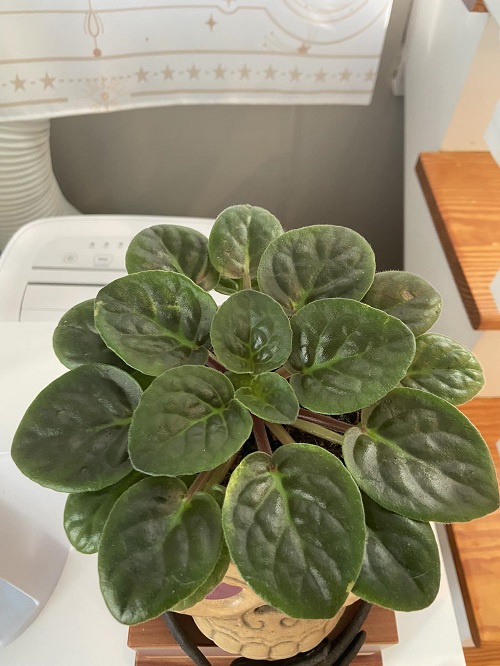
African violets often look healthy but refuse to bloom. If you are worried Why Your African Violet Grows Leaves but No Flowers. This problem usually means something small is missing in its daily routine. The plant is alive and active, but flowering needs extra signals. When you understand these signals, you can fix the issue without stress.
Why Your African Violet Grows Leaves but No Flowers
1. Too Much Nitrogen Pushes Leaf Growth Only
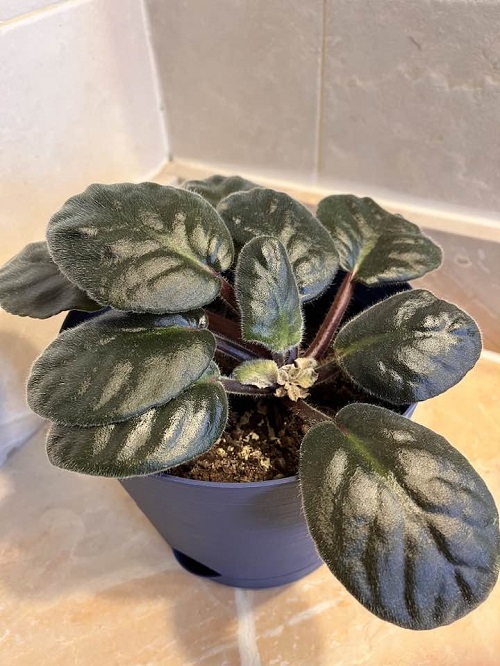
African violets respond fast to nitrogen. When nitrogen levels stay high, the plant focuses on leaf production. Leaves grow large, soft, and dark green. Flowers stop forming because the plant feels no need to bloom. Many regular houseplant fertilizers cause this issue. Even healthy-looking plants may stay flower-free for months if nitrogen stays dominant.
2. Light Is Bright but Not in the Right Way
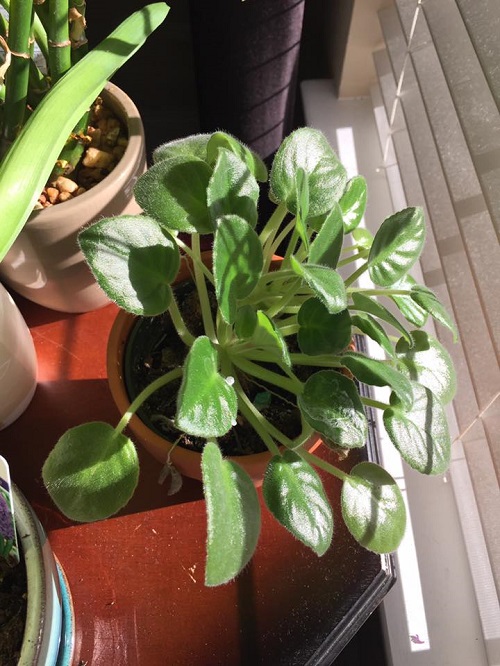
African violets need steady light to bloom. Weak light slows flower bud formation. Very harsh light stresses the plant and damages leaves. The plant may survive but will not bloom. When light stays uneven, the plant keeps growing leaves to store energy. Flowering only starts when light feels stable and gentle for long hours.
3. Crowded Roots Can Stop Flowering
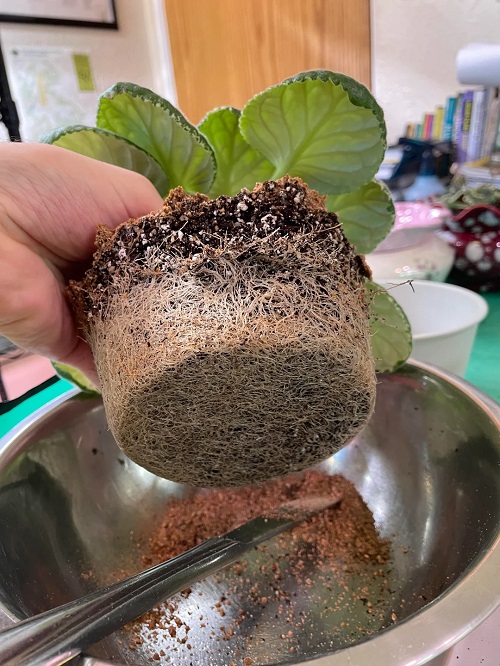
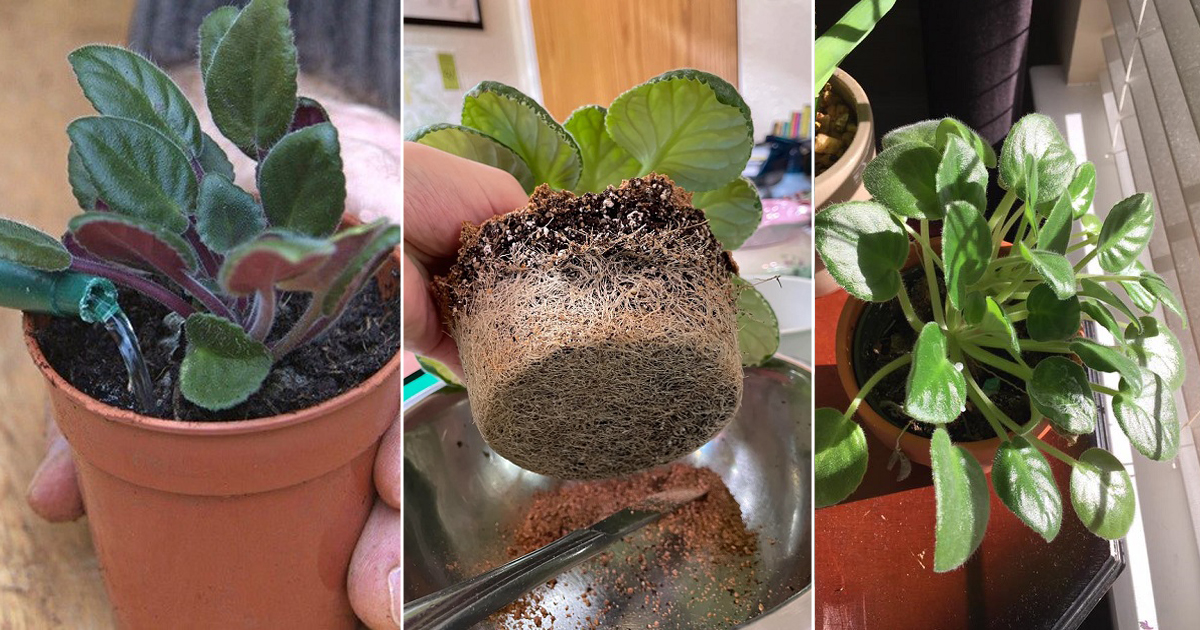
African violets like slightly snug pots, but extreme crowding causes stress. Roots circle tightly and lose space to breathe. Water and nutrients stop moving freely. The plant responds by growing leaves only. Flower buds need steady root support. When roots struggle, blooming becomes a low priority for the plant.
4. Old Leaves Steal Energy from Flowers
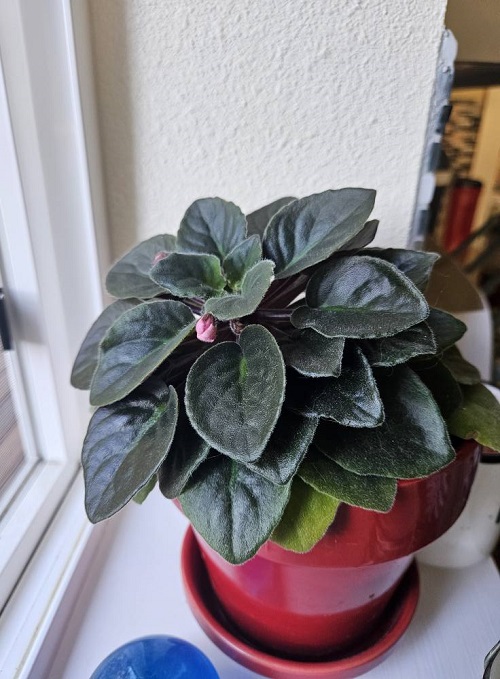
African violets hold onto old leaves for too long. These lower leaves continue to draw energy. Flower buds near the center receive less support. The plant looks full but feels tired inside. When energy spreads too thin, blooming slows down. Leaf growth feels easier for the plant than pushing out flowers.
5. Inconsistent Watering Confuses the Plant
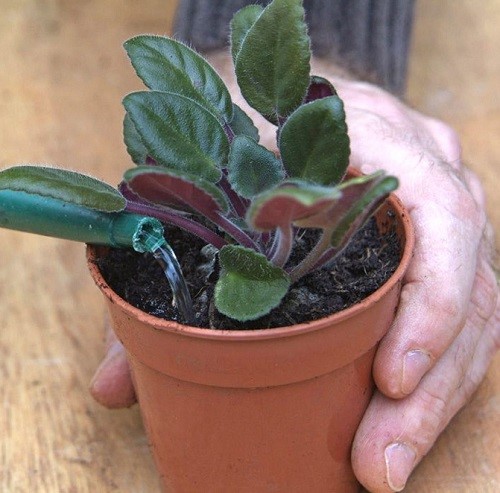
African violets dislike surprise changes. Dry soil followed by heavy watering shocks the roots. Wet roots followed by dryness causes stress. The plant reacts by focusing on survival. Leaf growth continues because it needs less effort. Flowering stops because the plant does not feel safe enough to bloom regularly.
6. Temperature Swings Block Flower Buds
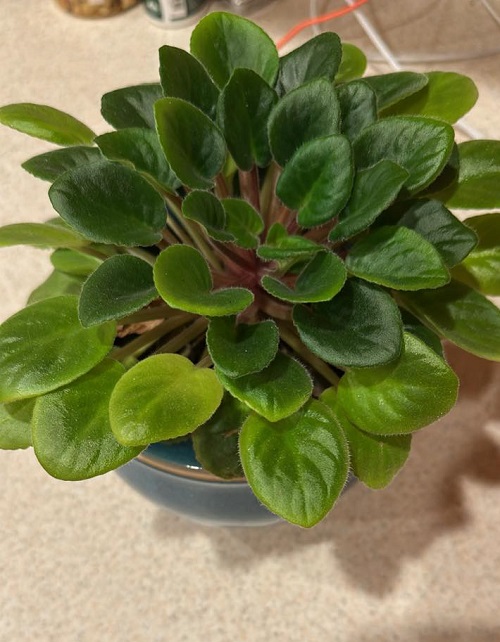
African violets prefer stable warmth. Cool nights or sudden heat changes interrupt flower development. Buds may form but never open. Leaves still grow because they tolerate change better. Repeated temperature shifts send mixed signals to the plant. It delays blooming until conditions feel calm and predictable again.
7. Wrong Fertilizer Timing Delays Blooms
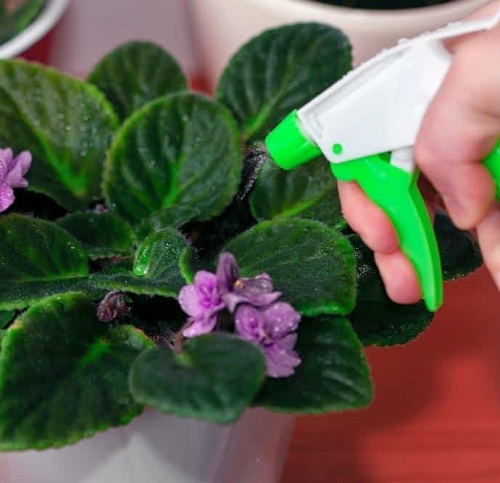
Even the right fertilizer can fail if timing stays wrong. Feeding during stress periods pushes leaf growth instead of flowers. The plant uses nutrients to repair itself first. Blooming only starts when the plant feels balanced. Overfeeding or feeding too often keeps the plant busy growing leaves without resting.
8. Lack of Rest Period Affects Flowering Cycle
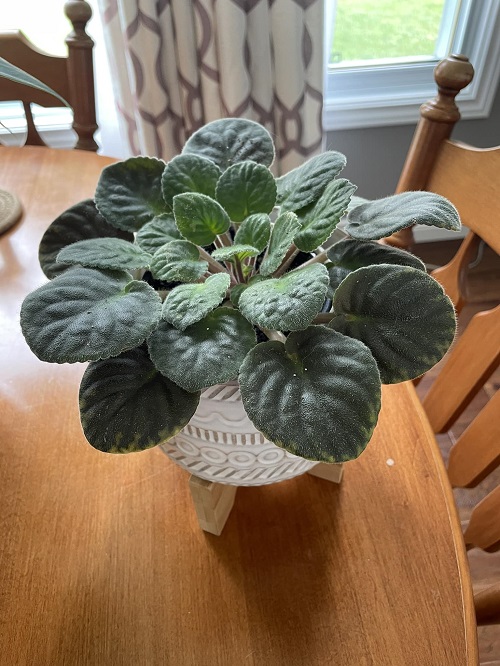
African violets need short rest phases. Constant feeding, watering, and shifting conditions prevent rest. Without rest, the plant never prepares for blooming. Leaves keep forming because growth feels continuous. Flower buds usually appear after a calm phase. When rest disappears, flowers stay absent even in healthy plants.
9. How to Encourage Flowers Again
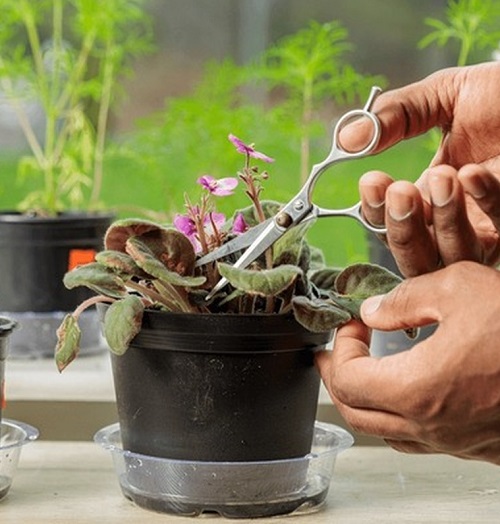
To restart blooming, focus on balance. Reduce excess nitrogen. Keep light steady and soft. Maintain even watering habits. Allow the plant short calm periods. Remove weak older leaves when needed. Once conditions feel stable, African violets often respond quickly. Flowers return as the plant regains confidence.