
Best Flowers to Sow in February for Spring Blooms. Start early and enjoy colorful flowers filling your garden as spring arrives.
February is the perfect time to start sowing flowers for a bright spring garden. Planting seeds now gives them time to grow strong and bloom early. From cheerful classics to easy growers, these flowers will reward you with colorful blooms just as spring begins. Check out the Best Flowers to Sow in February for Spring Blooms in this post.
Best Flowers to Sow in February for Spring Blooms
1. Black Eyed Susan
USDA zones: 3-9
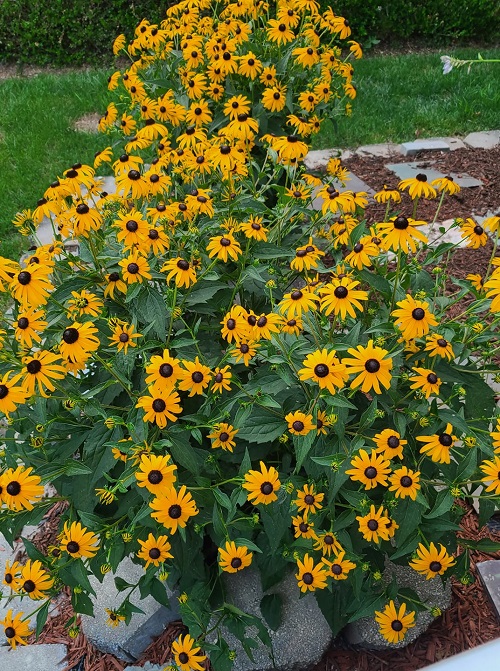
Rudbeckia, also called black-eyed Susan, is a cheerful plant that keeps blooming well into fall. Its bright petals surround a dark center, giving the flowers a bold and lively look. These plants are native to North America and can grow up to about 36 inches tall. They spread easily and can cover an area with lots of colorful blooms.
Black-eyed Susan grows well in USDA zones 3 to 9. The flowers drop seeds on their own, so new plants often come back every year. Birds, especially American goldfinches, love the small black seeds. The flowers also attract many pollinators like bees and butterflies.
To grow from seed, start them in trays filled with seed-starting mix. Place the seeds on top of the soil and lightly cover them with a thin layer of mix. Gently moisten the soil and keep the tray in a warm place. After the seedlings appear, move them to a bright spot so they can grow strong.
2. Bachelor Buttons
USDA zones: 2 to 11
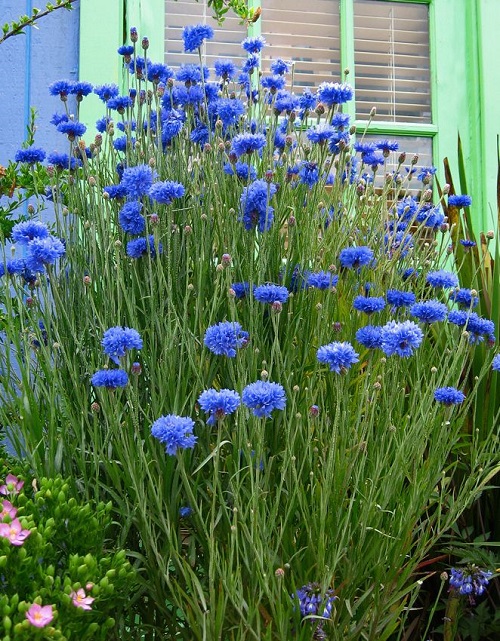
Bachelor buttons, also called cornflowers, have a lovely old-fashioned look and are easy to grow in most climates, from USDA zones 2 to 11.
These flowers are common in cottage and wildflower gardens. They grow as annuals but often drop seeds and grow again on their own. Bachelor buttons attract bees, butterflies, and birds. Birds enjoy the seed heads, while deer usually leave the plants alone.
To grow them from seed, lightly sprinkle the seeds on top of moist seed-starting soil. Gently cover the seeds with a thin layer of soil. Place a plastic cover or lid over the tray to keep moisture in. Set the tray in a warm spot and wait for the seeds to sprout. Once seedlings appear, remove the cover. Keep the soil warm and slightly moist until the plants are ready to be moved outdoors.
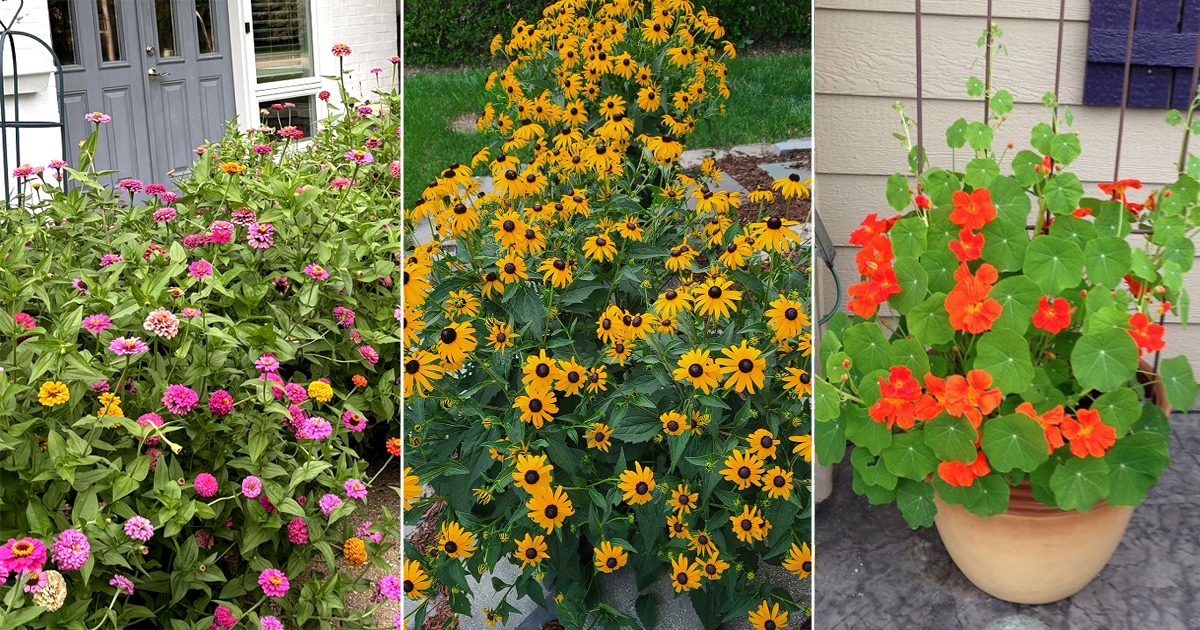
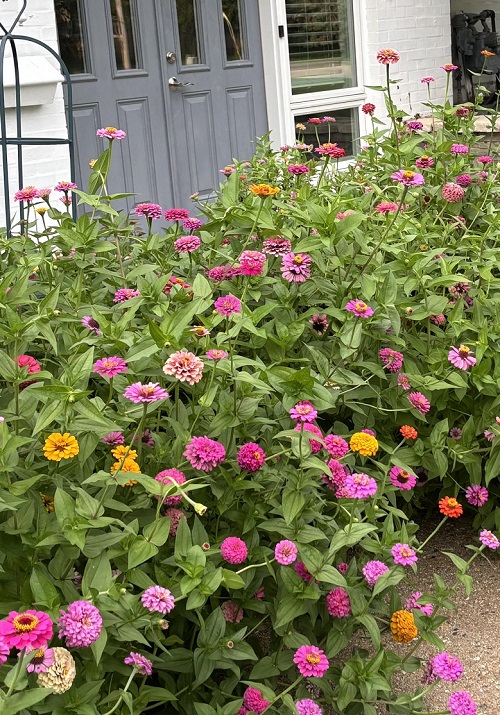
3. Zinnia
USDA zones: 2-11
These are very popular summer flowers and are easy to grow. They come in many bright, rich colors. Depending on the type, zinnias can grow as small as 6 inches or as tall as 4 feet.
Zinnia seeds are very easy to save. Let the flower heads dry on the plant. Once dry, remove them and gently pull out the seeds. Place the seeds in a plastic bag, write the date and name on it, and store them in a cool, dry place for next year.
To grow zinnias from seed, plant them in small pots with well-draining soil. Press 3 to 4 seeds into each pot. After the seedlings come up, thin them so they are about 1 inch apart. Keep the soil slightly moist and place the pots in a warm, sunny spot. Move the plants outside after all risk of frost is gone, either into the garden or into containers.
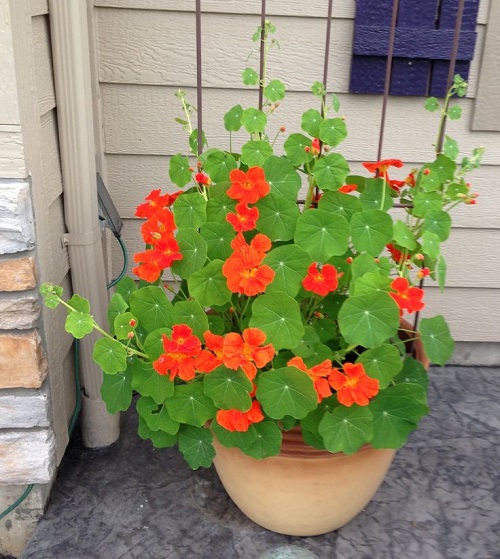
4. Nasturtium
USDA zones: 9-11
Nasturtium is a popular edible flower that adds color and flavor to salads and meals. The flowers come in many colors, including red, orange, white, yellow, and soft pastels.
Starting the seeds indoors gives you lots of flowers once the plants are moved outside. Nasturtiums grow well in garden beds and containers. They trail over the edges of pots and look great mixed with other annual plants.
Nasturtiums grow best in USDA zones 9 to 11. In warm areas, you can plant the seeds directly in the garden. To grow them indoors, plant the seeds about half an inch deep in well-draining potting soil. Lightly press the soil down and water gently. The seeds need temperatures above 55°F to sprout. They usually germinate within two weeks. After that, place the seedlings in bright light and keep the air slightly humid.
5. Marigolds
USDA zones 2-11
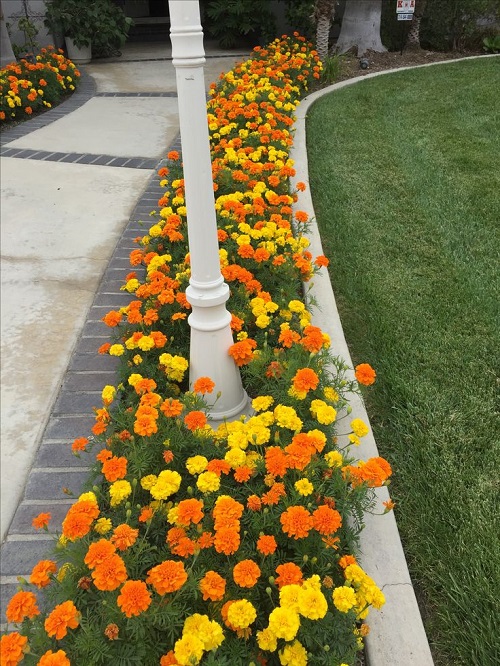
Marigolds are loved for their long bloom time and their usefulness in vegetable gardens. They are very common, but there are many different types to choose from.
Most people know marigolds for their bright orange and yellow flowers, but they also come in bronze, white, and red shades. Super Hero Spry Marigold is a deep red variety with a bright yellow center.
Marigolds love warm weather and need full sun to grow well. They can be grown in USDA zones 2 to 11. They look best when planted in groups or mixed with other colorful flowers in containers. Marigolds have a strong scent that helps keep insects away, which is why many gardeners plant them near vegetables.
To grow marigolds from seed, plant the seeds in trays filled with potting soil. Cover the seeds with about a quarter inch of soil and water gently. Place a lid or plastic cover over the tray to keep moisture in and set it in a sunny spot. Seeds usually sprout within a week. Remove the cover once seedlings appear and plant them outdoors after the last frost has passed.
6. Sunflowers
USDA Zones: 2-11
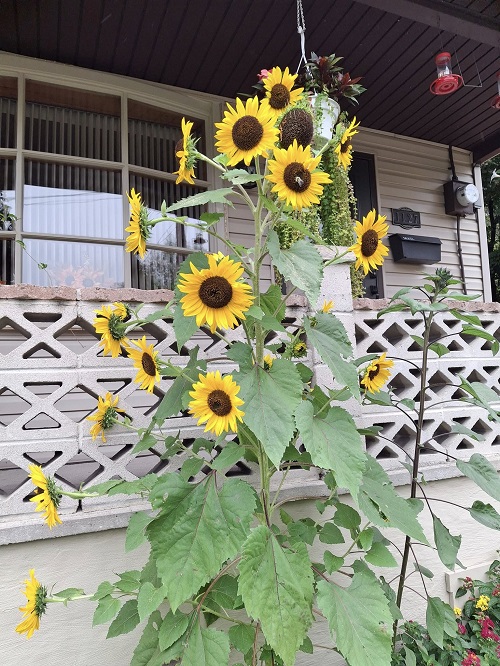
Sunflowers are a true sign of summer. Their bright, cheerful flowers bring a warm, golden look to any garden. They also help birds and other animals by providing food. Another bonus is that you can roast the seeds and enjoy them as a snack. If you want large, tasty seeds, the Giganteus variety is a great choice.
Sunflowers grow in many sizes and styles. Some grow very tall, while others stay small and compact. Flowers can have single petals or full, fluffy blooms. Colors are not only yellow. You can also find shades of red, bronze, and soft sunset tones. Italian White and Velvet Queen are good options if you want something different from the usual yellow.
Start sunflowers in small pots instead of seed trays. Use well-draining soil and place 1 or 2 seeds in each pot. To help seeds sprout faster, soak them in water for about eight hours before planting. Keep the soil slightly moist and place the pots in a warm spot, such as on top of the refrigerator. Seeds usually sprout within a week. Once they do, move the seedlings to a bright place or under a grow light.
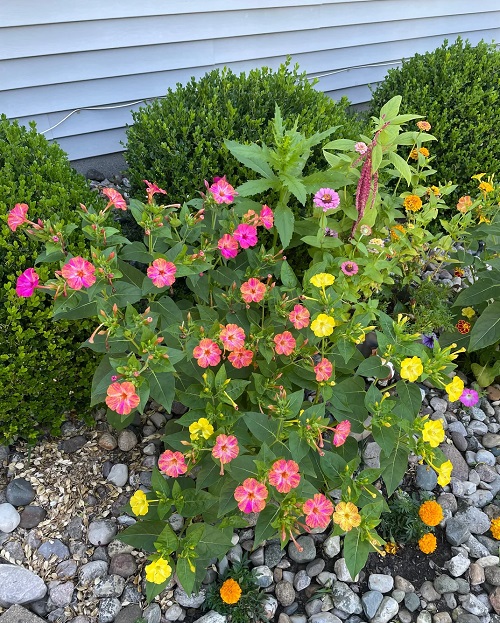
7. Four O-Clocks
USDA zones 9-11
Four o’clocks are bushy flowering plants that come from South America. They are great filler plants in the garden and can grow up to about 3 feet tall.
Four o’clocks love warm weather. They grow as perennials in USDA zones 9 to 11, but in cooler areas, they grow fast and are treated as annuals. Their seeds have a very hard outer shell, so soaking them in water overnight helps them sprout faster. Plant the seeds about ¼ inch deep in well-draining soil and water well.
To make the plants fuller, pinch off the top leaves just above a growth point. After the danger of frost is over, slowly get the plants used to outdoor conditions. Then plant them in full sun or light shade.