
Is your begonia slowly fading indoors? Learn the common mistakes that may be harming your plant and what signs you should never ignore.
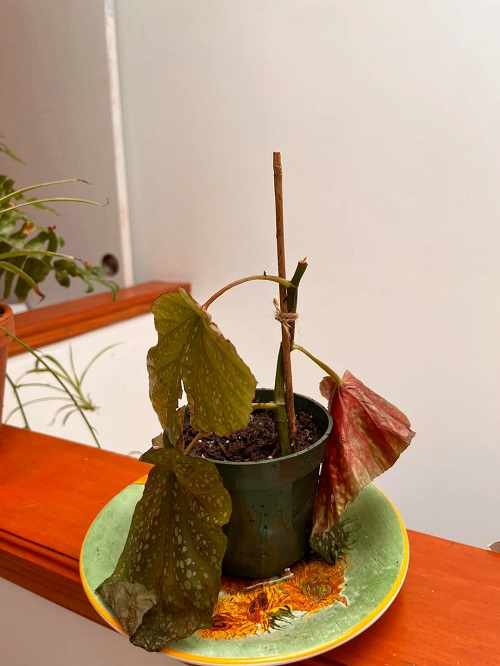
Begonias are indoor plants that can beautify your home, but these small mistakes can slowly damage them. Many people do not notice the problem until the plant begins to look weak or unhealthy. If you practice these simple habits at home, they can affect your growth. Knowing these common mistakes can help you understand why your begonia may be struggling indoors.
Mistakes That are Killing Your Begonia Indoors
1. Keeping the Plant in a Dark Corner
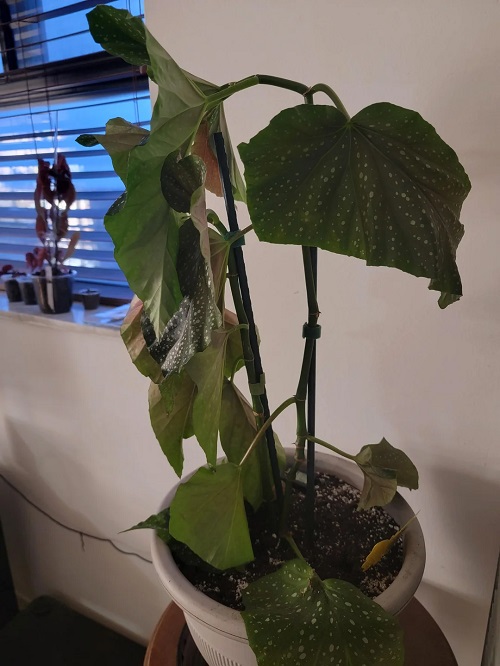
If you have noticed pale and weak leaves with thin, stretchy stems, then your begonia has not received enough light, resulting in slow growth. They struggle when placed in very dark areas, such as corners or shelves, just to adorn your home.
Indoor begonias need a bright space in the room to stay strong. When the plant sits in a dark corner for weeks, it cannot produce enough energy to support healthy leaves, and the plant becomes dull and lifeless. This slow decline often goes unnoticed until the plant looks very unhealthy.
2. Ignoring Temperature Changes
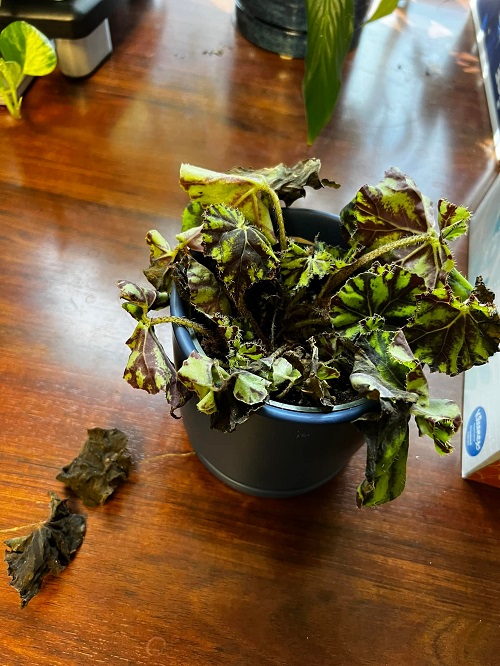
Beautiful begonias prefer stable indoor conditions. A sudden temperature change can stress the plant. If you have placed them near air conditioners, heaters, or drafty windows, then you might notice leaf drop. These areas often have quick temperature shifts.
When the plant undergoes constant changes, it becomes weak and growth slows. In some cases, the plant stops producing new leaves completely. To avoid these, keep the begonia in a steady environment, and this will prevent the problem.
3. Not Cleaning Dust from Leaves
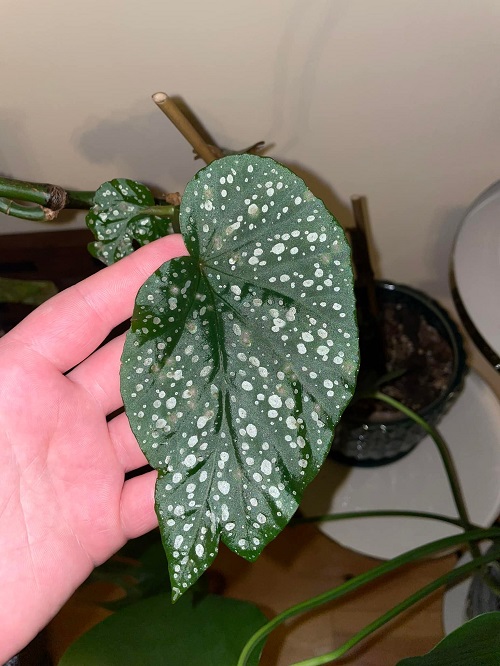
A dull and tired plant needs a wipe day! Indoor plants collect dust in the long run, and the broad leaves of begonia attract dust, which easily settles on them. If you forget to clean the leaves regularly, then you may see a gloomy begonia plant.
Dust blocks the surface of the leaf and reduces the plant’s ability to function properly. When dust stays for weeks or months, it slowly affects plant health. Gently wiping the leaves with a soft cloth can help the plant stay fresh and active.
4. Using a Pot Without Drainage
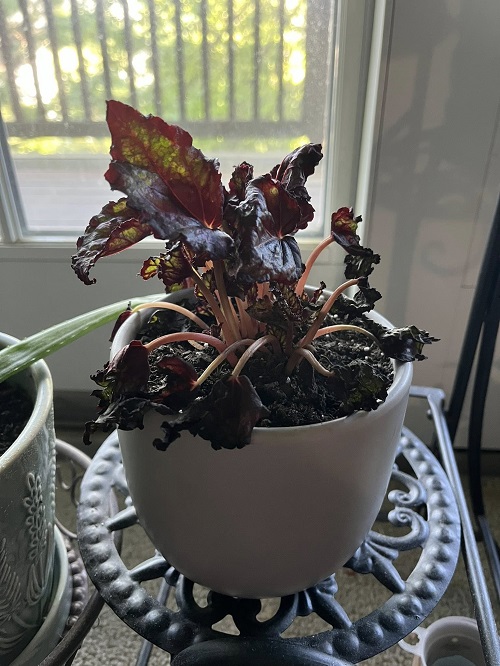
Crazy about decorative pots, but didn’t check the drainage holes, and you made a mistake. Many decorative indoor pots lack drainage holes. While these containers look attractive, they can harm your pretty begonias. Water has no place to escape, and it collects at the bottom of the pot.
Standing water keeps the roots constantly wet and thus creating a perfect environment for root problems. Many Indoor begonias have died because of trapped water in the pot. Sometimes, watering seems normal, but improper drainage can slowly damage the roots.
5. Allowing the Soil to Stay Dry for Too Long
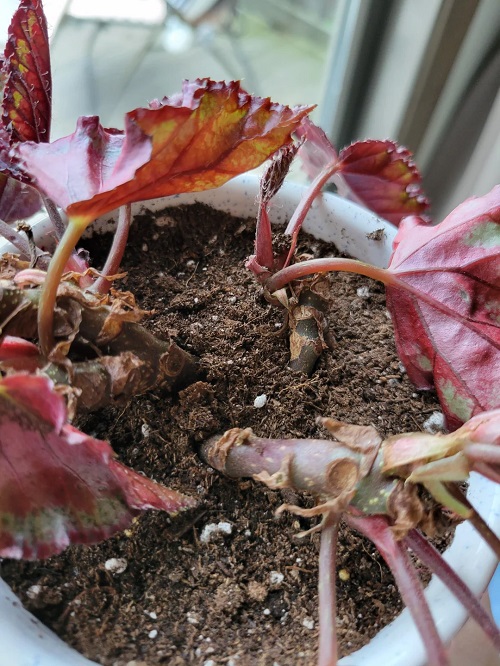
The droopy and curly leaves of the begonia are screaming to you that it needs water. Just like too much water is harmful, very dry soil can also damage these beauties. They have soft stems and leaves, so they react quickly to dry conditions.
When the soil stays dry for a long time, the plant begins to lose moisture, and the edges may turn brown. If this continues, the plant becomes weak and stops producing new growth. Repeated drying can slowly kill the plant. So, please water them on time, after checking the soil if it is dry at least an inch.
6. Watering Too Frequently
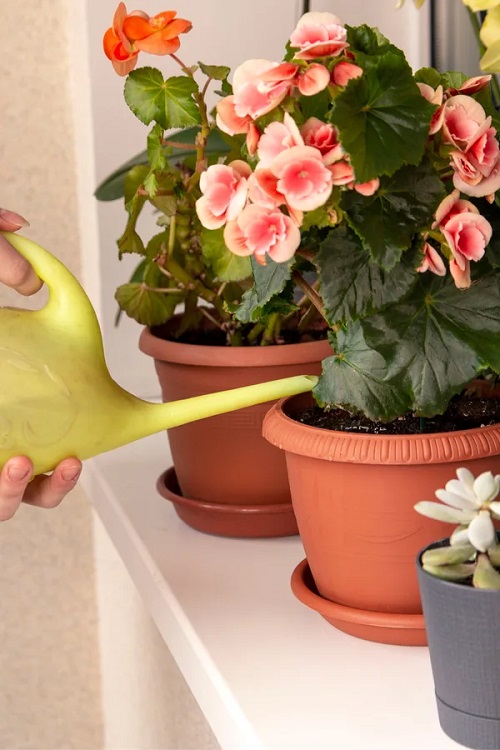
Watering is considered a sign of love for your plant, but overwatering it can slowly kill it. Many begonias have sacrificed to come to this point that they don’t like constantly wet conditions. Don’t think watering will multiply your begonia’s growth.
When water is added too often, the roots remain wet for long periods, and they cannot breathe properly. This leads to root damage and, eventually, the most common problem: root rot. Once it happens, the plant struggles to absorb water and nutrients. Leaves may start turning yellow or soft, and the plant may also begin to collapse.
7. Allowing the Plant to Become Too Crowded
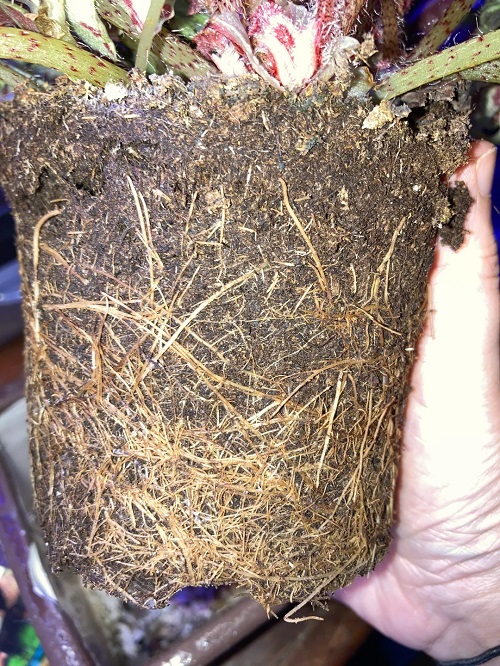
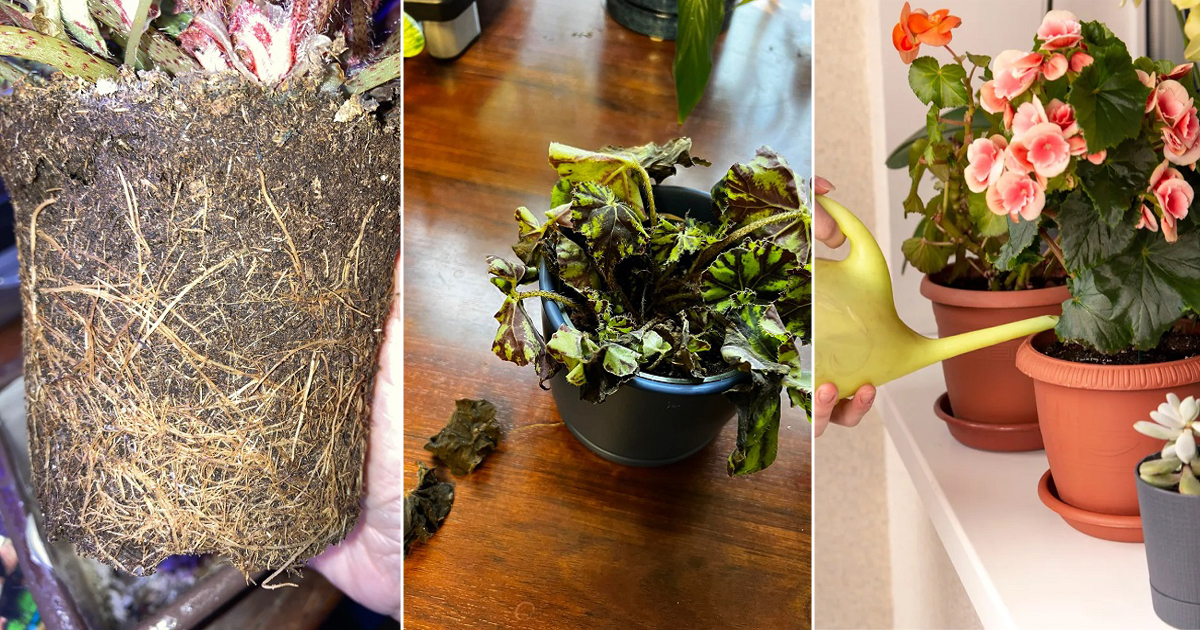
You need to check the begonia’s root space after months of their growth because their root slowly fill the pot, which might go unnoticed. Begonias grow gradually, and the roots begin to circle tightly inside the pot. And the crowded roots struggle to absorb enough water and nutrients.
The plant may stop growing even though everything looks normal to you. Their leaves may become smaller and weaker. Give the plant enough space when needed to help it maintain healthy growth.
8. Ignoring Early Warning Signs
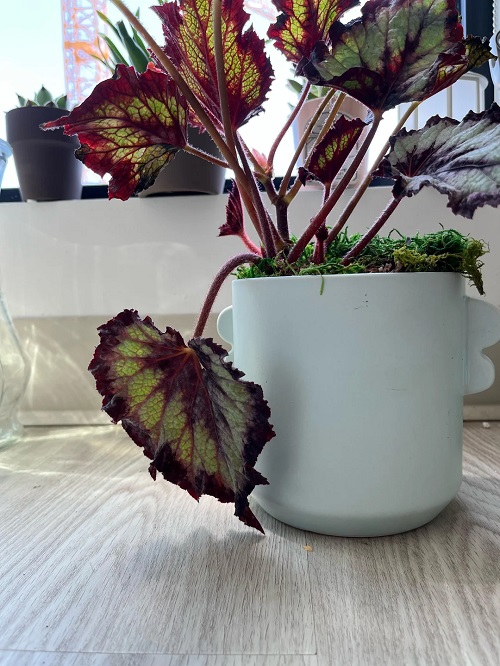
IF you keep an eye on the early signs, then your begonia will get the immediate medicine. They usually show small warning signs before serious damage occurs. Their leaves may slightly droop, turn pale, or develop small spots. And these signs need your immediate attention, which many people ignore and continue their usual routine.
When early signs are ignored, the problem becomes worse. The plant slowly weakens, and recovery becomes harder. Quick action can save the plant before any serious damage occurs. So, just a quick scan while watering or wiping off the dust will help you give your plant a healthy look.