

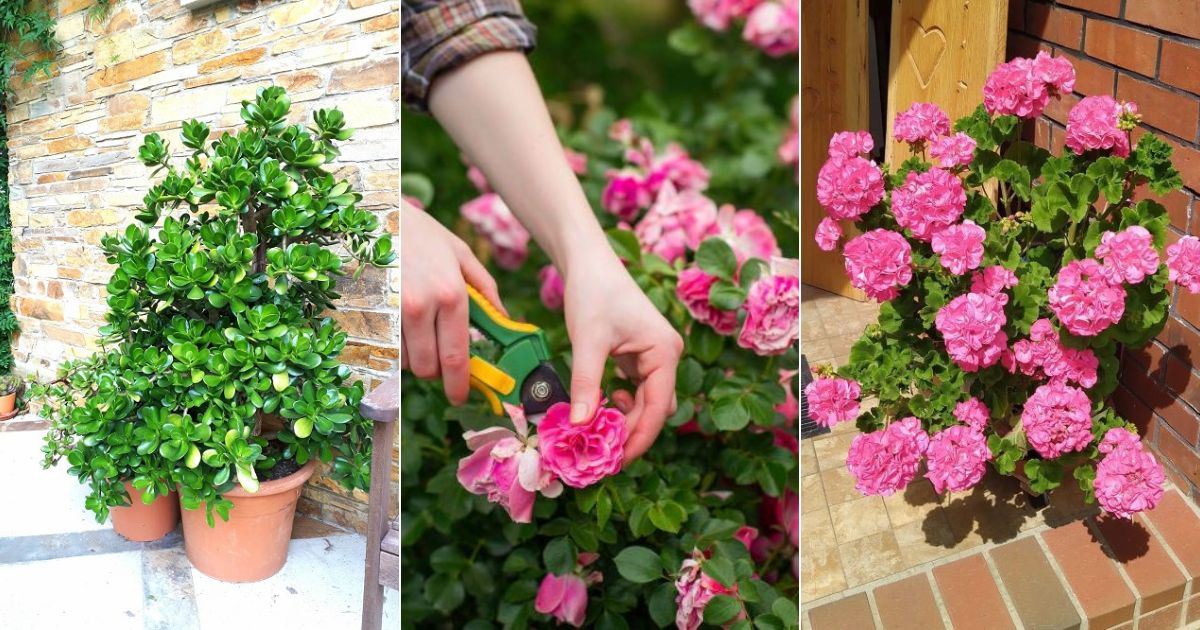
Read about the Plants that explode with New Growth If You Prune Them Timely for bushier and healthier growth.
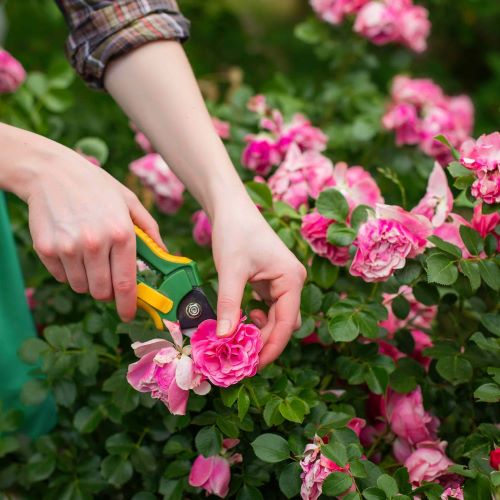
Pruning works best when done at the right time. Cutting too late can slow growth. Also, cutting too early can stress the plant. Timely pruning removes old growth and wakes up dormant buds. This triggers fast and healthy new growth. Plants use stored energy to replace what was removed. This is why growth feels sudden and strong.
Plants that Explode with New Growth If You Prune Them Timely
1. Hibiscus
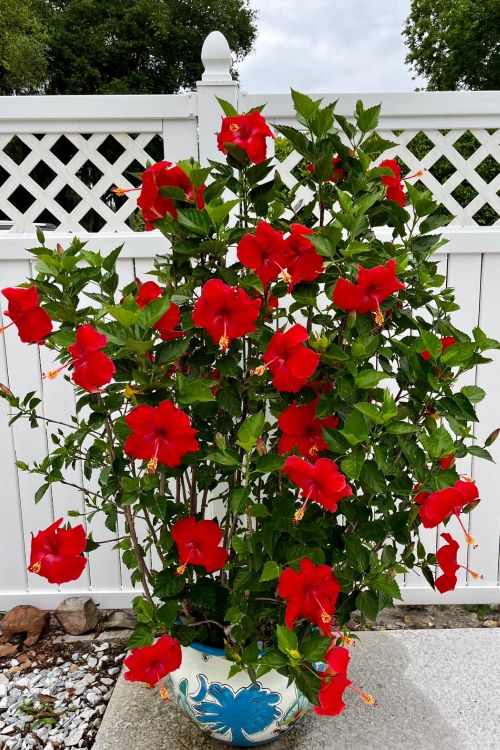
When you prune depends on where you live and your local weather. The best time is just before the weather starts to warm up. This helps hibiscus grow fast and produce lots of new leaves. Pruning before very cold weather can stress the plant and cause heavy damage. Pruning during extreme heat can also harm it. Mild, sunny days are ideal. In warm regions, pruning can be done through summer. In cooler areas, spring or early fall works best.
2. Basil
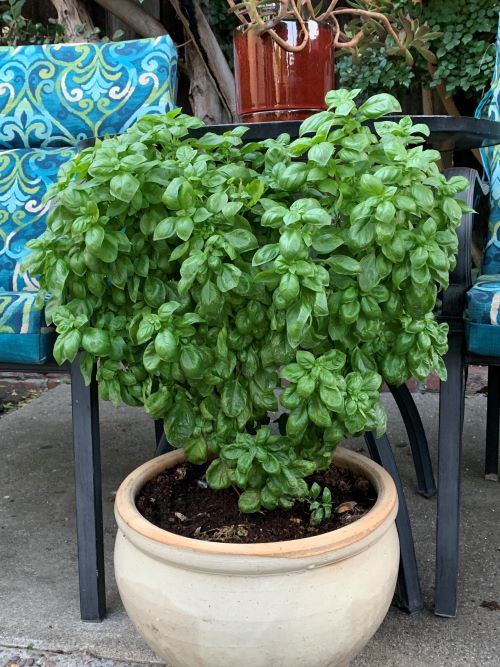
Once you can see the true leaves on your basil plant, pruning is simple. Use clean pruning shears and make a slanted cut about ¼ to ½ inch above the first set of true leaves. Always leave at least one set of leaves on the plant. This helps the basil keep making food and growing.
Do not let basil form buds or flowers. Flowering makes the leaves hard and changes the taste. Regular pruning prevents this. Basil grows fast, so you can prune or harvest every two weeks. If the plant has two or more sets of leaves, it is ready to prune.
You also do not need to prune everything at once. You can cut only what you need and leave the rest to keep growing.
3. Roses
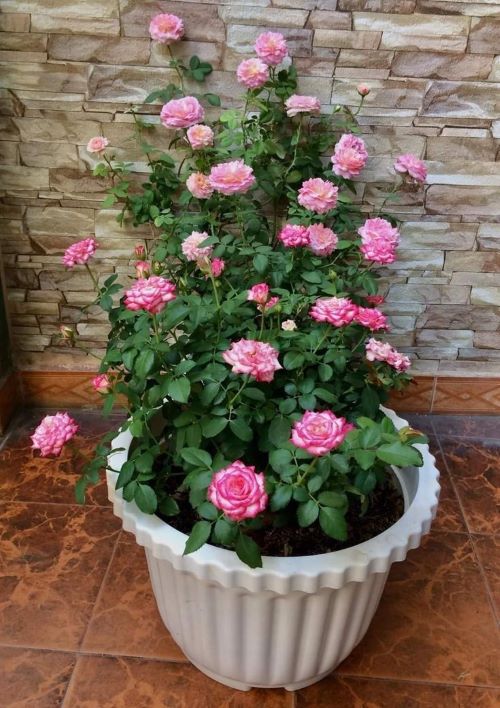
A simple way to know when to prune roses is to watch for forsythia blooms in your area. This usually happens in late winter in warm regions and early spring in cooler ones. This is the right time to cut roses back to control size, refresh the plant, and support strong spring growth. During the growing season, remove faded flowers to help roses bloom longer. You can remove dead or diseased branches at any time. Avoid heavy pruning from late summer to early winter, because it can cause new growth when roses should be resting.
Climbing roses need special care and are often pruned the wrong way. Repeat-blooming climbers should be pruned in very early spring. Older or heirloom climbers bloom on old wood, so prune them only after flowering. For all climbing roses, remove branches that cross or rub. Cut a few of the oldest thick stems down to the ground, keeping no more than six strong stems. Trim side shoots back to about 2–3 inches.
4. Lavender
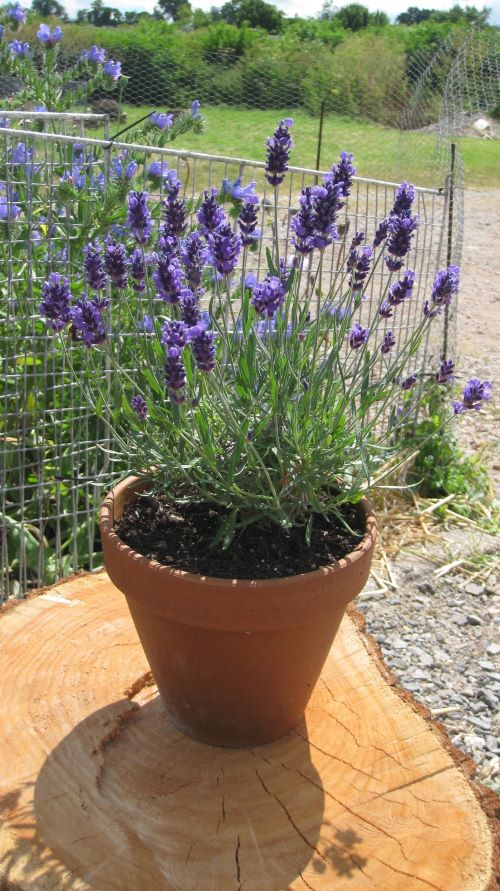
Lavender grows woody if not pruned properly. Timely pruning keeps the plant soft and productive. Cutting after flowering encourages new green growth. This new growth forms quickly and improves shape. Pruning also prevents the plant from splitting. Healthy stems grow faster when old woody parts are removed on time.
5. Geraniums
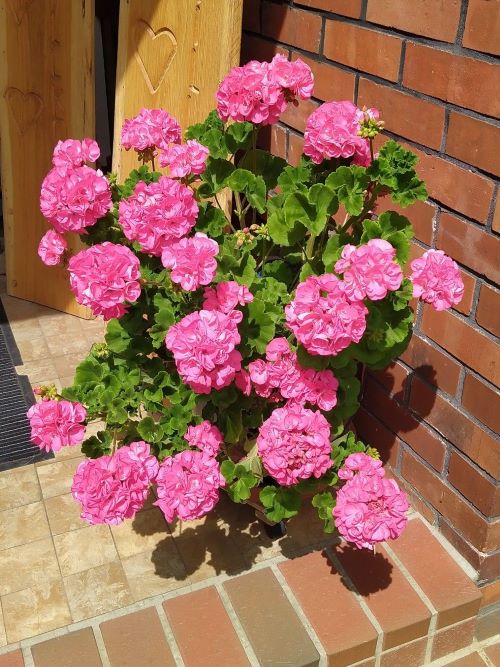
After a perennial geranium finishes blooming and starts to die back, it is time to prune it. This helps the plant rest during winter and save energy for spring growth. Depending on your climate, this is usually done between August and late October. Use sharp, clean shears and cut the plant back to about 2 or 3 inches above the soil. Try to cut near nodes or small new growth spots. Remove any leftover leaves or flowers.
Once pruned, the plant may look rough with short, thick stems. This is normal. In spring, it will grow back and bloom again. If you have annual geraniums, you can remove and throw them away at this time. If your geraniums are in pots and you plan to keep them indoors for winter, this is also the right time to bring them inside.
6. Coleus
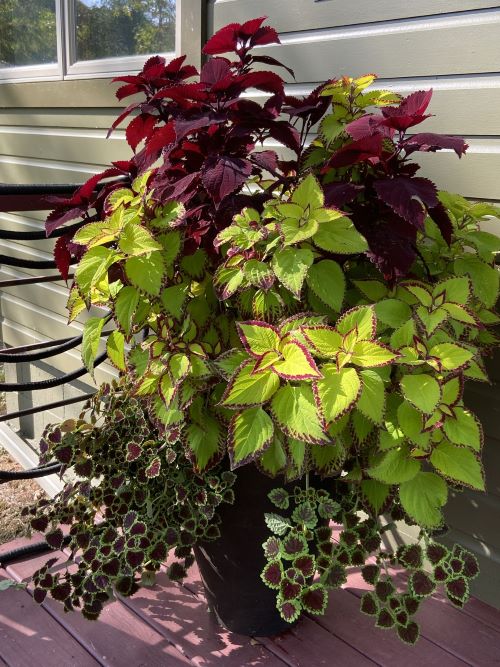
Coleus is known for its colorful leaves. But it can become tall and weak if left unpruned. Cutting back the tips at the right time encourages side branches. These branches grow fast and carry more leaves. Pruning also stops flowering, which helps the plant focus on foliage. Timely pruning keeps coleus dense and vibrant.
7. Pothos
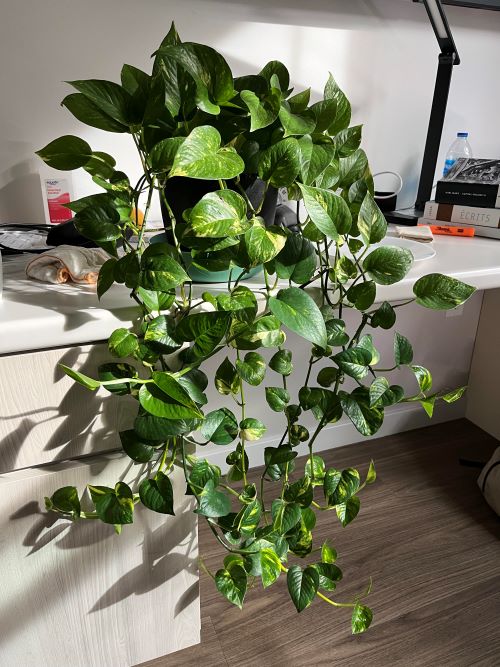
Pothos grows long vines that can look thin over time. Pruning helps control length and improves fullness. When you cut a vine above a node, new shoots form near the cut. This makes the plant look thicker. Timely pruning also helps redirect energy to healthy growth. New leaves appear faster, especially during warm months.
8. Bougainvillea
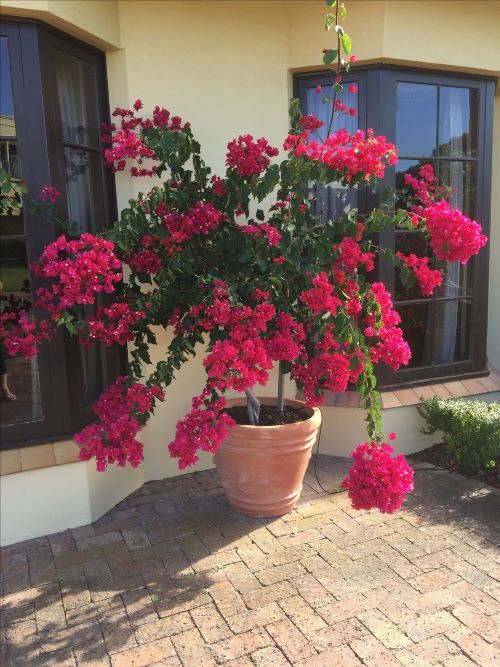
Bougainvillea grows aggressively when pruned correctly. Cutting back after a bloom cycle encourages new shoots. These shoots grow fast and carry more color bracts. Timely pruning keeps the plant manageable. It also improves flowering. Without pruning, growth becomes tangled and less productive.
9. Jade Plant
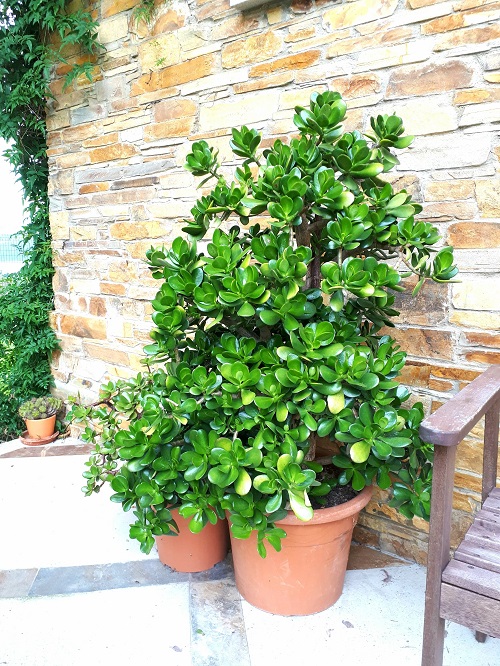
Jade plants respond slowly but strongly to pruning. When you cut a stem during active growth, new branches form near the cut. This creates a fuller plant. Timely pruning helps control height and shape. It also strengthens the trunk. New leaves appear within weeks when conditions are warm and bright.
10. Mint
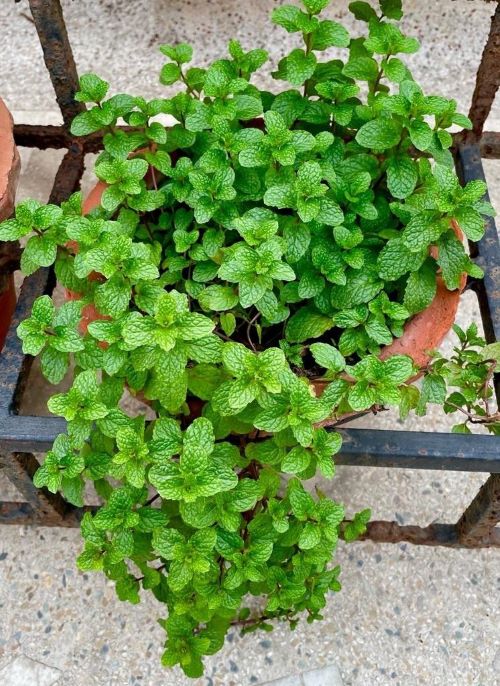
Mint spreads quickly but grows better with pruning. Cutting stems often forces the plant to branch. New leaves appear fast after each cut. Timely pruning keeps the plant fresh and leafy. It also prevents flowering, which slows growth. Regular cuts lead to constant new growth and better flavor.