

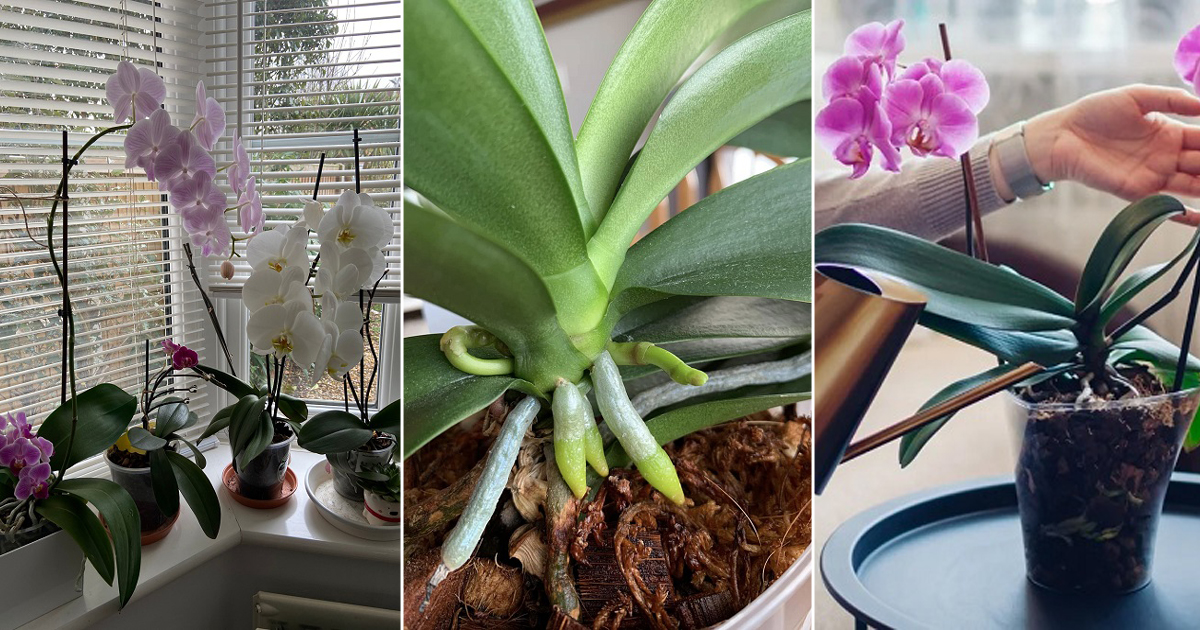
Learn things you must do in February to trigger orchid spikes and help your orchids prepare for strong, lasting blooms.
February is an important month for orchids. Small changes made now can help trigger flower spikes in the coming weeks. By adjusting care at the right time, you support healthy growth and prepare your orchid for blooming. These simple February steps can make a big difference indoors.
Things You Must Do in February to Trigger Orchid Spikes
1. Create a Gentle Day and Night Temperature Gap
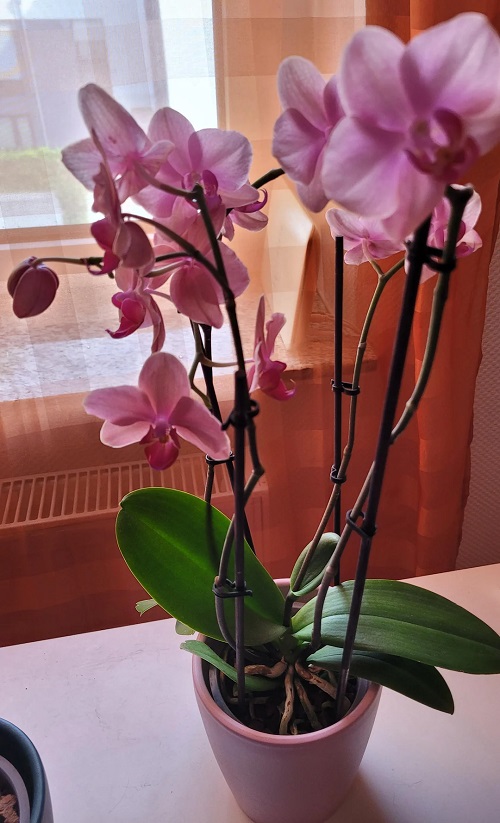
Orchids need a small drop in temperature at night to start spike formation. The weather in February often helps with this naturally. Keep the plant warmer during the day and slightly cooler at night. A difference of about 8 to 10 degrees helps signal the plant to bloom. Do not expose orchids to cold drafts. Keep the change slow and steady.
2. Adjust Watering Without Letting Roots Dry Out

In February, orchids still need regular watering, but excess moisture can stop spike growth. Water only when the potting mix feels slightly dry. Roots should stay firm and green, not soggy. Too much water keeps the plant focused on survival instead of flowering. Always drain extra water fully. Never let the pot sit in standing water.
3. Increase Brightness Without Direct Sun Exposure
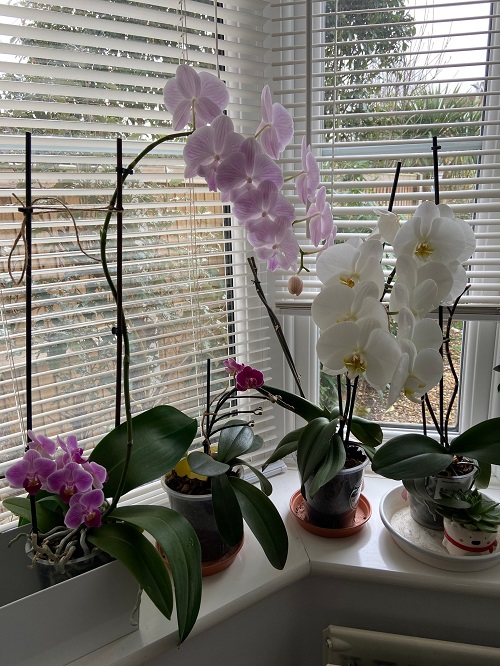
Light plays a big role in spike development. The light is softer in the month of February, but days slowly grow longer. In this situation, move orchids closer to a bright window where they receive filtered light. Avoid keeping the plant in harsh direct sun, which can burn leaves. Leaves should look light green, not dark. Healthy light levels tell the orchid that blooming season is near.
4. Support Energy With Light Feeding
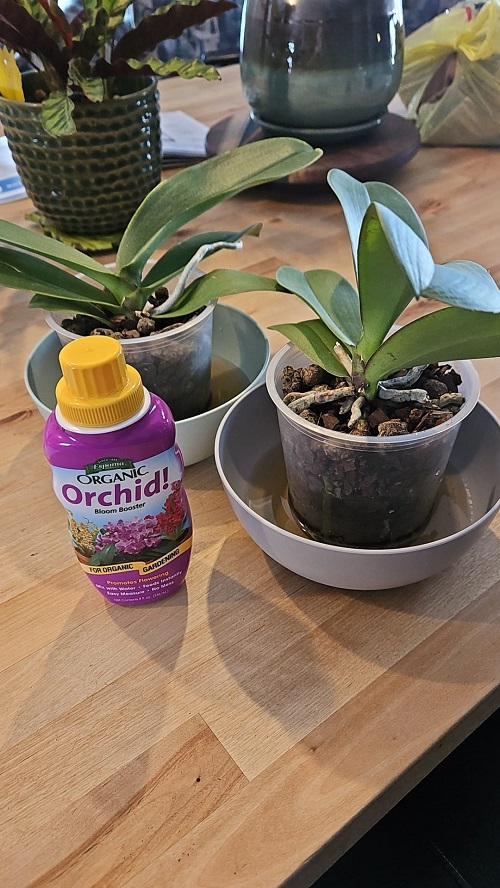
Orchids use stored energy to grow spikes, so gentle feeding helps. In this month, use a balanced orchid fertilizer at half strength. Apply it once every two weeks. Do not overfeed. Too much fertilizer pushes leaf growth instead of spikes. Always water lightly before feeding to protect roots from damage.
5. Keep Plants Stable and Avoid Stress
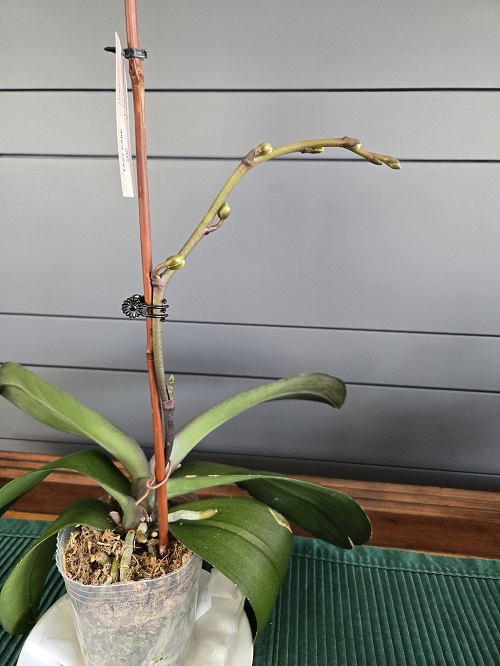
Keep in mind that orchids dislike sudden changes. Avoid moving the plant from place to place in February. Do not repot, heavy pruning, or root disturbance. Stress can stop spike growth completely. Maintain airflow gently and consistently. A calm, steady environment allows the orchid to focus on forming strong flower spikes.
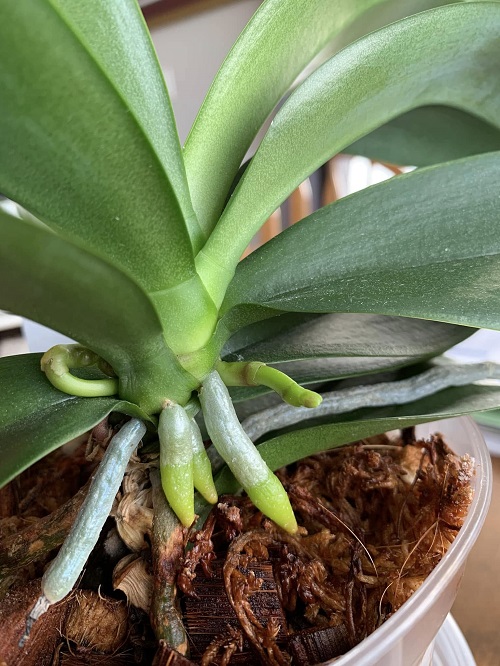
6. Watch for Early Spike Signs
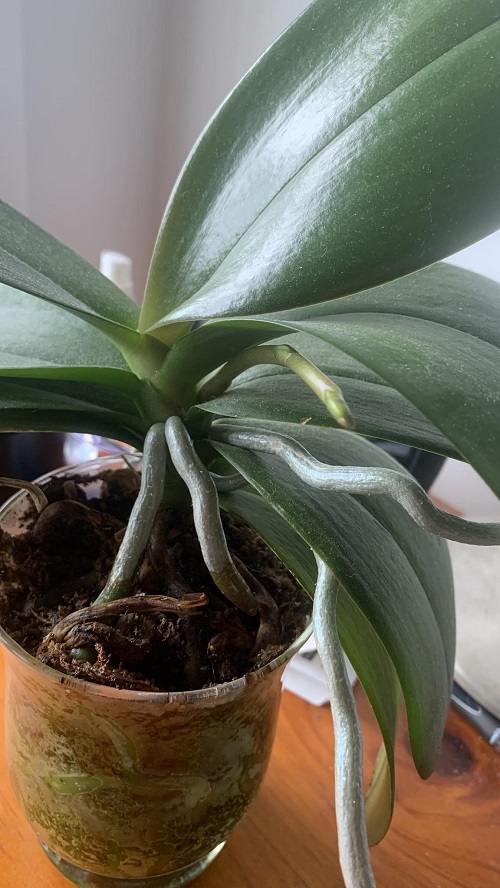
By late February, look closely near the base of the plant. Spikes appear as firm, pointed growths, not round like roots. Once you see a spike, keep care consistent. Do not increase watering or feeding suddenly. Let the spike grow at its own pace. Patience during this stage leads to longer-lasting blooms.