
Read about Things You Should Never Do to Poinsettia Indoors for a colorful, festive vibe in your indoor garden.
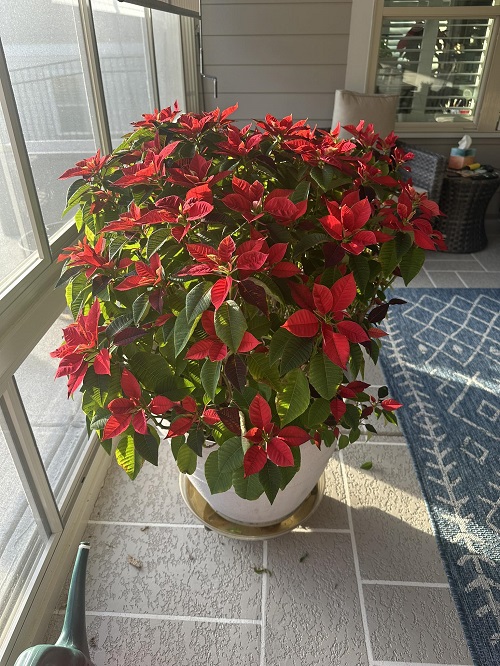
Poinsettias look bright and healthy when you first bring them home. Many people lose them within weeks. This usually happens because of common indoor mistakes. Poinsettias are not difficult plants, but they react fast to stress. Knowing what not to do helps the plant stay green and colorful for much longer.
Things You Should Never Do to Poinsettia Indoors
1. Exposing to the Freezing Cold
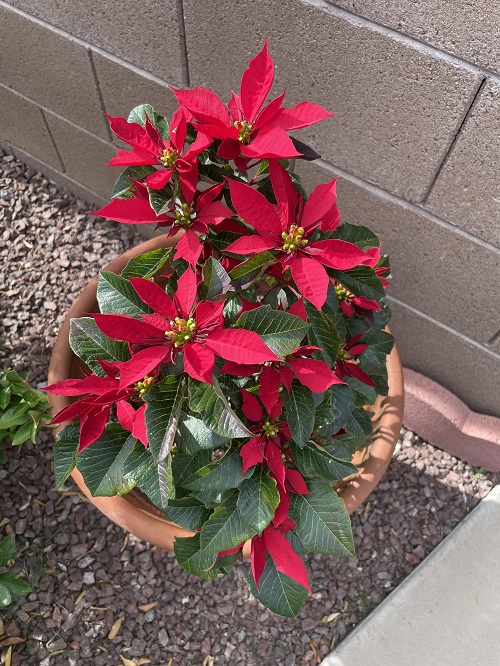
Poinsettias are delicate tropical plants grown in greenhouses. Their bright colors are ready just in time for the holidays. You can buy them in pots or plant arrangements. When these plants move from a warm store to cold outdoor air, the sudden change can cause leaf drop. To avoid this, cover your poinsettia with a bag or paper if it will be outside in cold weather, even for a short time.
2. Keeping It Near Heaters or Hot Air Vents
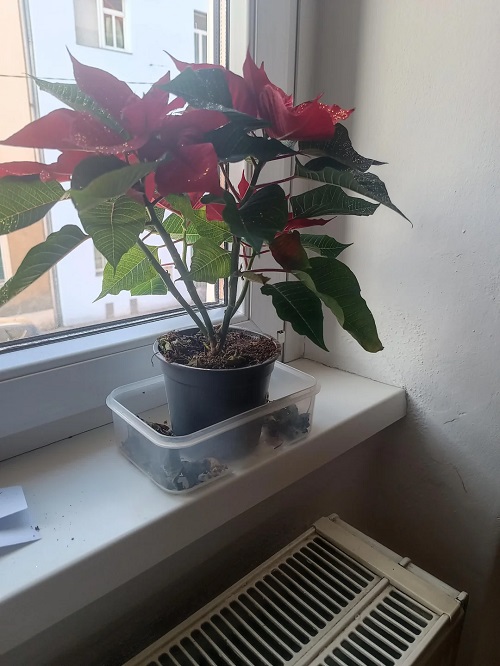
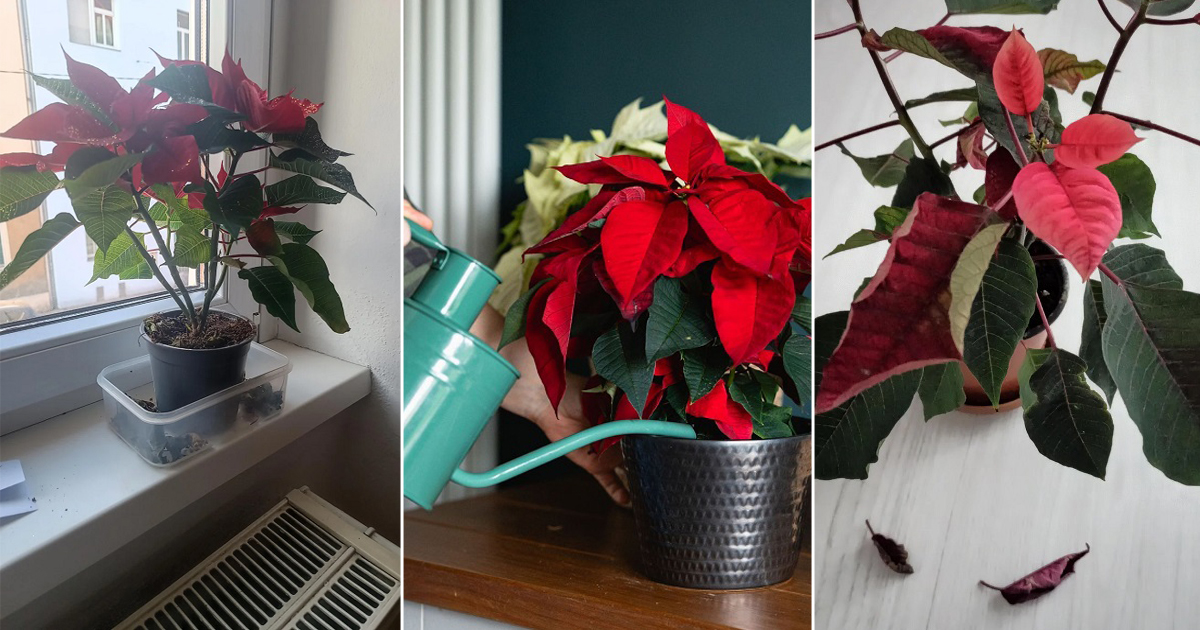
Hot, dry air damages poinsettias just like cold air. Do not place the plant near heaters, radiators, or heating vents. Constant warm air dries the soil too fast. Leaves curl and turn yellow. The colorful bracts fade early. The plant becomes weak and stops growing. Balanced room temperature helps it stay healthy.
3. Do Not Overwater the Plant
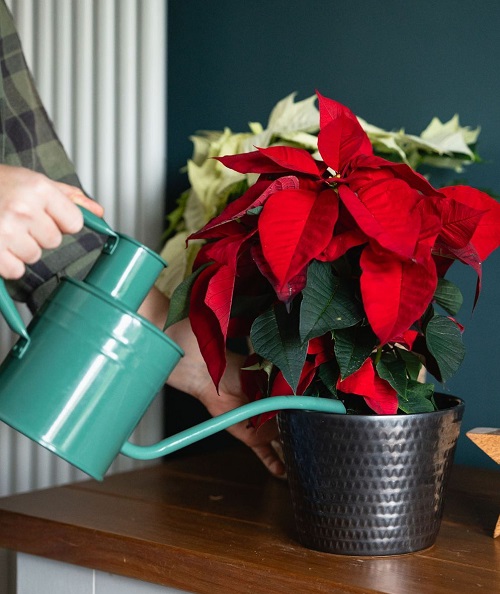
Using pots without drainage holes traps extra water around the poinsettia roots. This keeps the roots wet for too long. It can cause yellow leaves, root rot, and even kill the plant. Always use a pot with drainage holes so extra water can escape. If your pot has no holes, move the plant to a better container. Empty any water that collects in saucers or decorative pots. You can also poke holes in the pot sleeve and place a waterproof saucer under it to catch extra water and protect your table.
4. Avoid moving the Plant Too Often
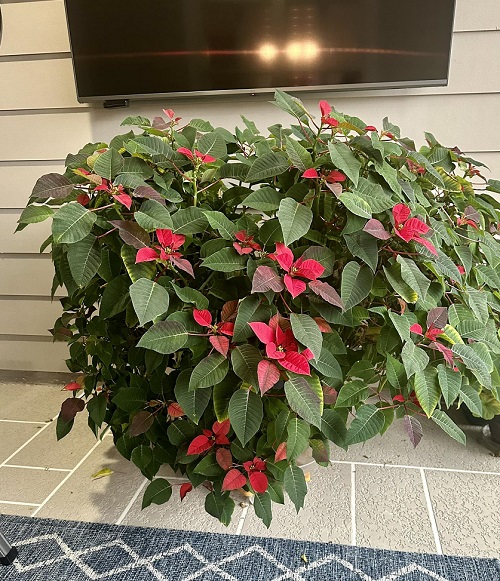
Poinsettias dislike frequent changes. Moving the plant from one room to another causes stress. Changes in light, temperature, and air confuse the plant. Leaves may drop without warning. Choose one good spot and keep it there. A stable environment helps the plant adjust and stay attractive for longer.
5. Never Keep It in Dark Corners
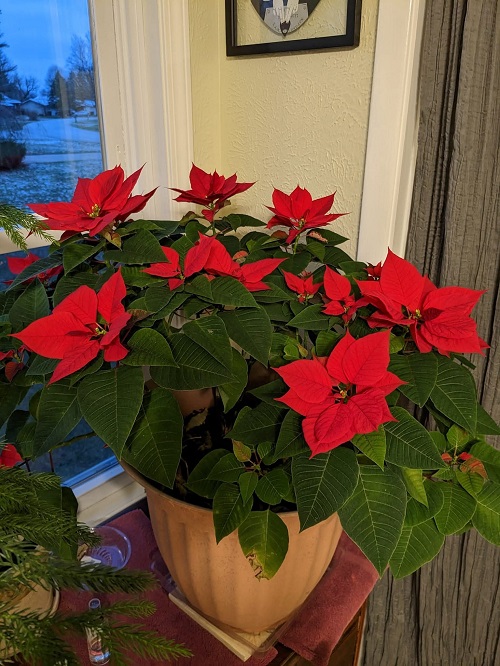
Low light weakens poinsettias. Do not keep the plant in dark rooms or shaded corners. Without enough light, the plant loses color. Leaves become pale and thin. Growth slows down. Bright indoor light helps the plant stay strong. Light keeps the bracts colorful and the stems firm.
6. Never Let the Pot Sit in Standing Water
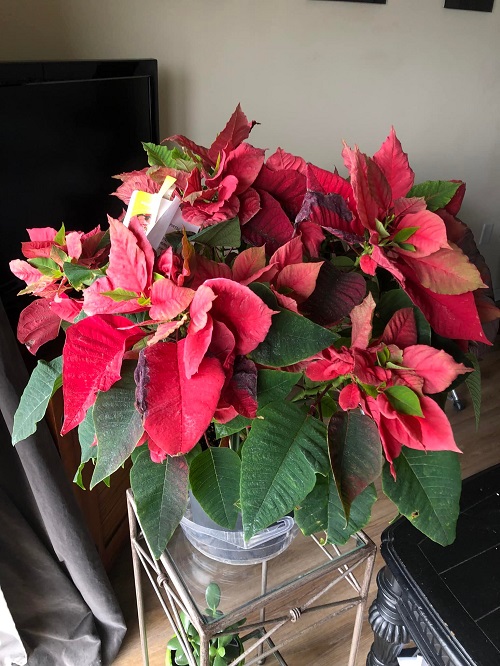
Poinsettias hate soggy roots. If water stays in the tray or cover pot, roots remain wet for hours. This leads to root damage and fungal problems. Leaves turn yellow and fall fast. Always empty the saucer after watering. Make sure excess water drains out fully every time you water the plant.
7. Avoid Using Pots Without Drainage Holes
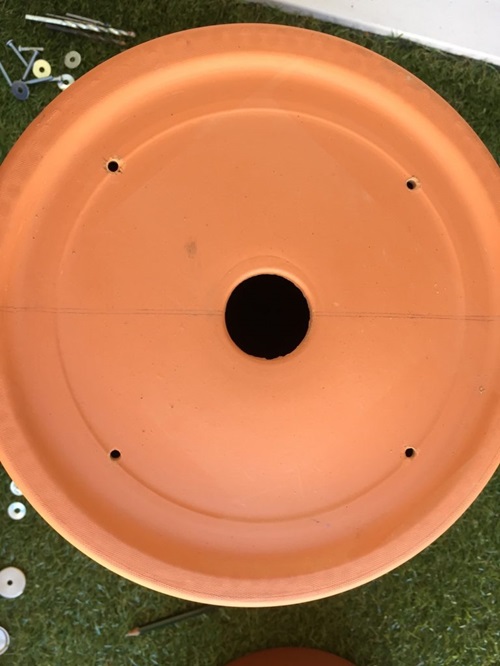
A pot without drainage traps water at the bottom. This slowly kills the roots. Even careful watering will not help. Poinsettias need good drainage to stay alive indoors. If your plant comes wrapped in decorative foil, remove or punch holes in it. Drainage keeps the roots healthy and strong.
8. Not Ever Ignore Sudden Leaf Drop
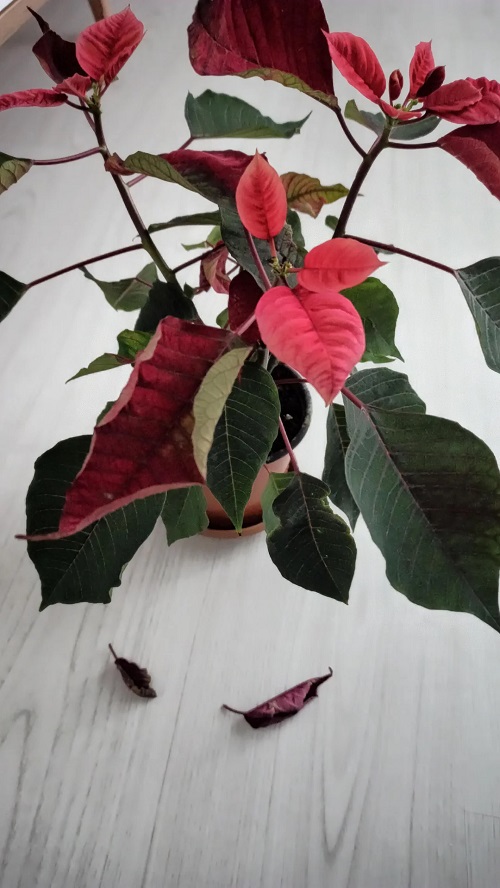
Leaf drop is a warning sign. Do not ignore it. Something is wrong with temperature, watering, or placement. Poinsettias react fast to stress. Fixing the problem early can save the plant. Check for drafts, dry soil, or standing water. Quick action often stops further damage.
9. Feeding at the Wrong Time
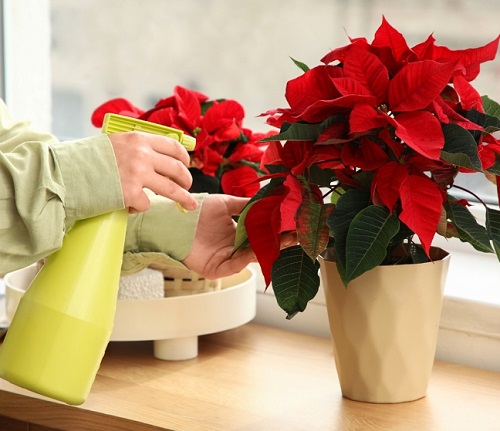
Do not fertilize poinsettias while they are in bloom. Their color usually fades by February. If you want to keep the plant green or help it bloom again, start fertilizing in May. Always follow the instructions written on the fertilizer package.
10. Do Not Treat Poinsettia as a Short-Term Plant
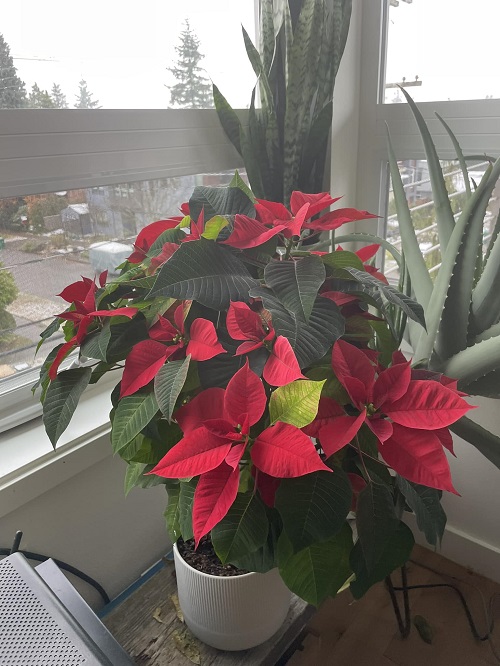
Many people throw poinsettias away after the holidays. This is not necessary. The plant can live for years indoors with proper care. Poor handling makes it look temporary. Gentle watering, stable temperature, and good light help it survive long term. Respecting its needs makes a big difference.