
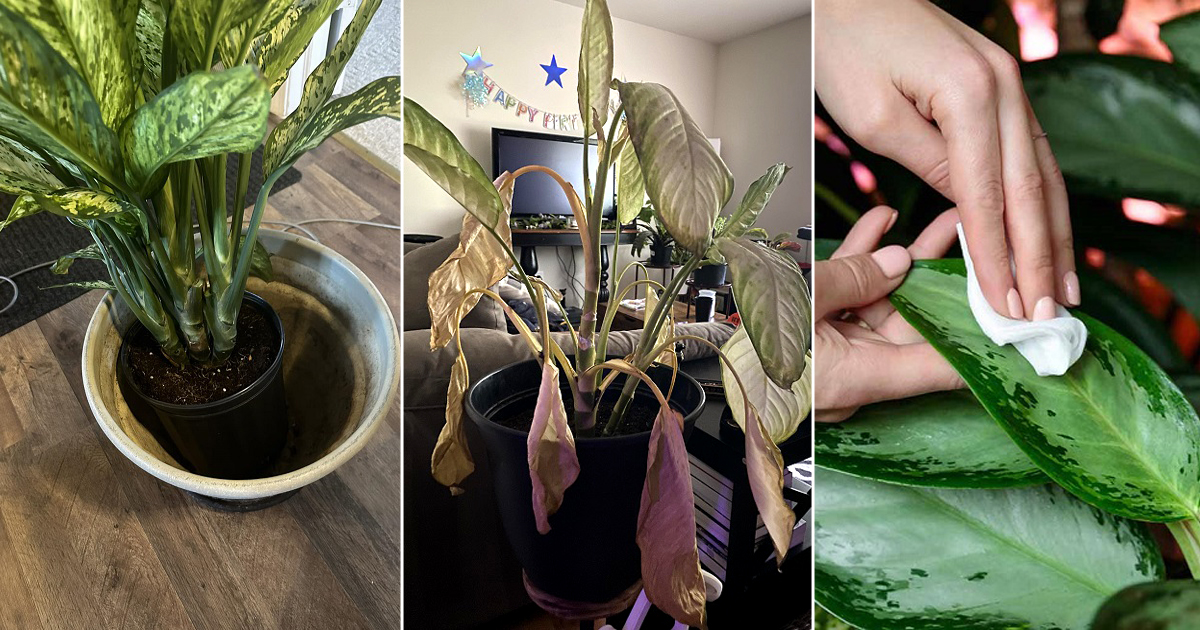
Struggling with a dying Dieffenbachia? Find out what’s going wrong and follow quick, easy steps to bring your plant back to life again.
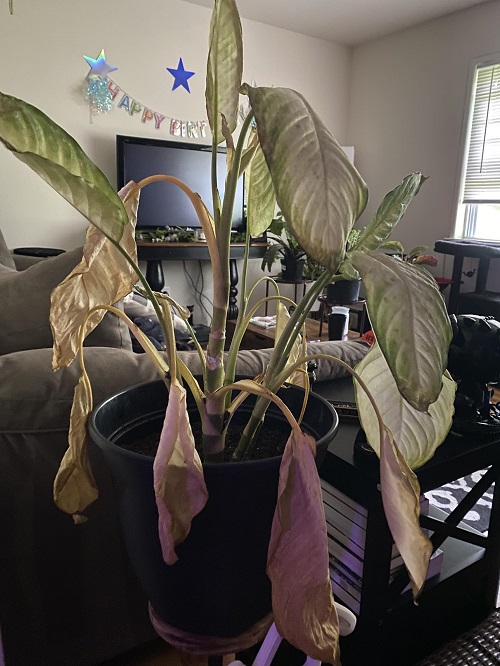
If you are wondering Why Your Dieffenbachia is Dying and How to Save It Fast, you are not alone. This plant can show problems quickly if care is not right. Yellow leaves, drooping, or slow growth are common signs. The good news is you can fix these issues with simple and quick steps.
Why Your Dieffenbachia is Dying and How to Save It Fast
1. Underwatering Causes Dry and Droopy Leaves
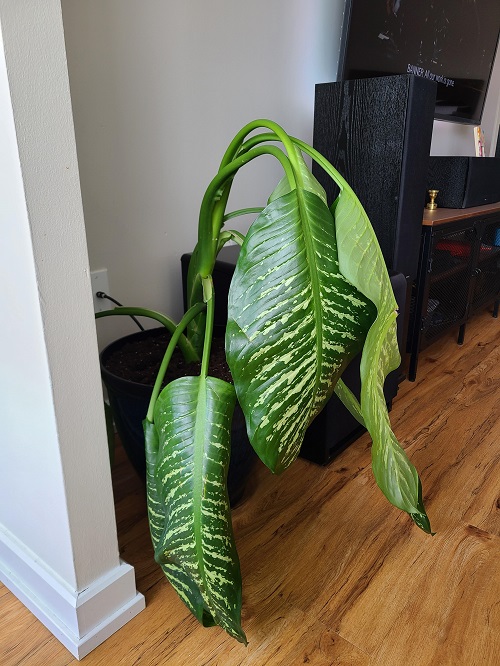
If you forget to water your Dieffenbachia regularly, it will show clear signs. The leaves become dry, crispy, and start drooping. The plant may look weak and lifeless. Dry soil pulls moisture away from the roots, which stops healthy growth. To save it, water the plant deeply until water drains out from the bottom. Then keep a regular watering routine to maintain moisture.
2. Nutrient Deficiency Slows Down Growth
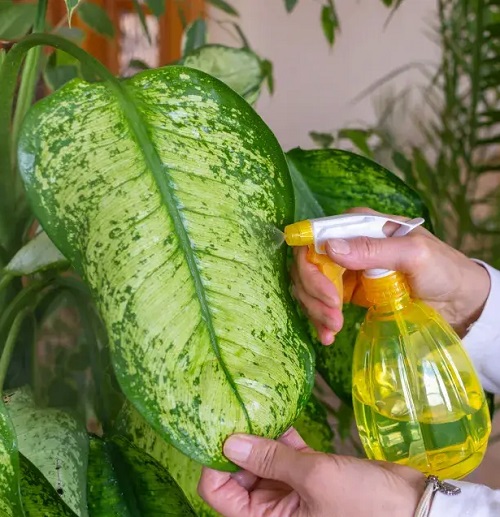
If your plant lacks nutrients, it will not grow properly. Leaves may turn pale, small, or weak. The plant may look dull and unhealthy. This usually happens when the soil loses its nutrients over time. Feed your Dieffenbachia with a balanced liquid fertilizer once a month during the growing season. This helps restore strength and color.
3. Root Bound Plant Stops Growing
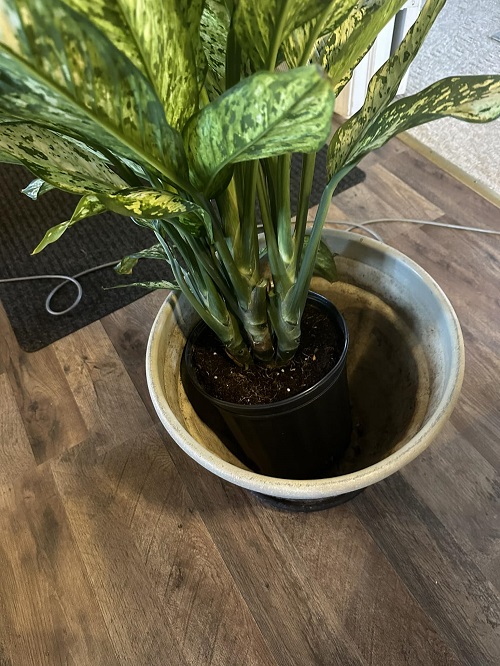
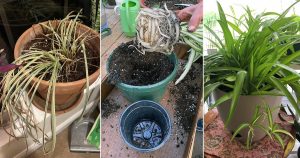
When the roots outgrow the pot, they become crowded and tangled. This blocks proper water and nutrient absorption. The plant may stop growing and start showing signs of stress. You may see roots coming out from the bottom of the pot. Repot the plant into a slightly bigger container to give roots more space to grow.
4. Too Much Direct Sunlight Burns the Leaves
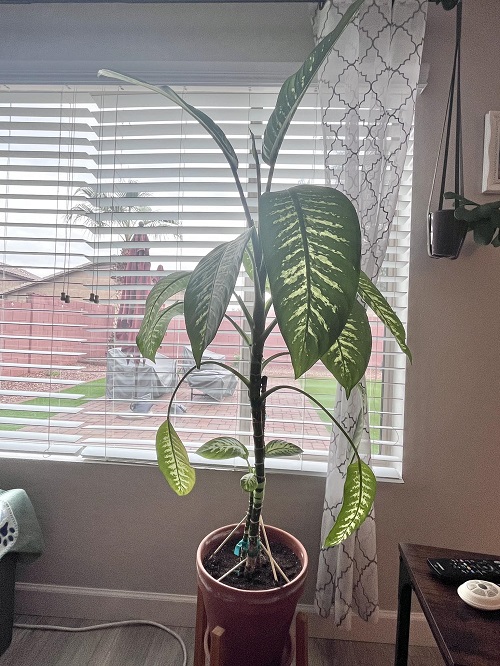
Dieffenbachia prefers bright but indirect light. Direct sunlight can burn the leaves and leave brown patches. The leaves may also fade or lose their color. This weakens the plant over time. Move your plant to a place where it gets filtered light. A spot near a window with a curtain works well for healthy growth.
5. Pest Attacks Make the Plant Weak
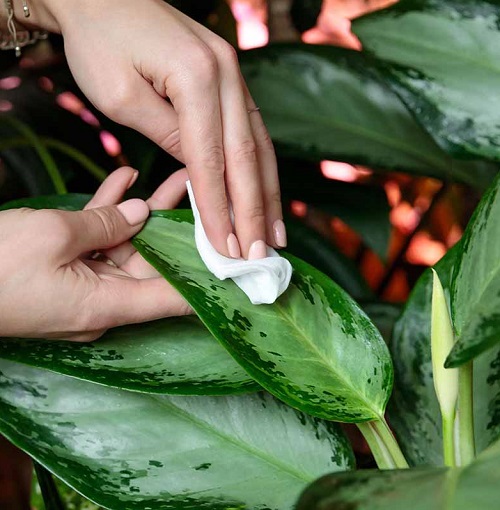
Pests like spider mites and mealybugs can attack Dieffenbachia and suck sap from the leaves. This causes yellow spots, curling, and slow growth. If left untreated, the plant may start dying. Check the leaves regularly, especially under them. Clean the plant with a damp cloth or use a mild soap spray to remove pests quickly.
6. Sudden Temperature Changes Stress the Plant
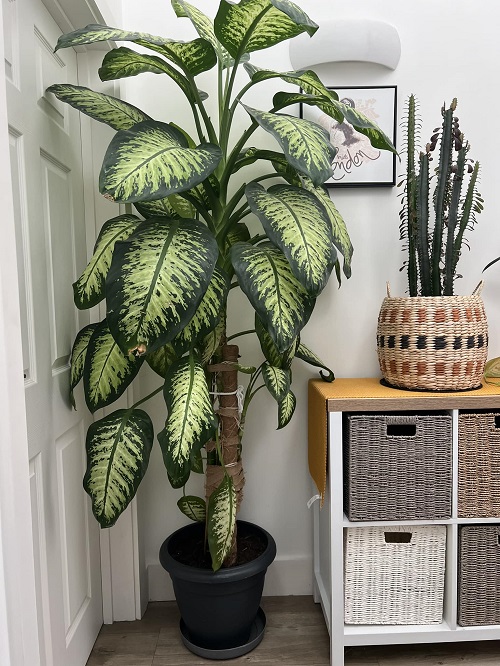
Dieffenbachia does not like sudden changes in temperature. If you place it near air conditioners, heaters, or open windows, it may suffer stress. Leaves can turn yellow or develop brown edges. Cold drafts or extreme heat slow down growth and damage the plant. Keep your plant in a stable, warm spot with consistent temperature to help it recover.
7. Low Humidity Leads to Browning Leaves
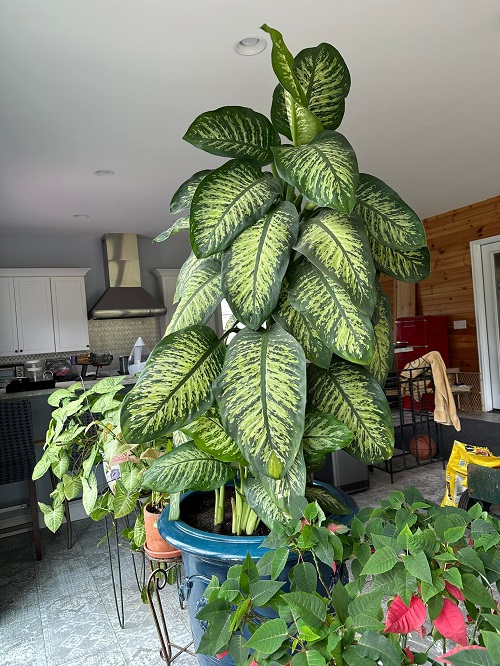
This plant loves humidity. Dry indoor air can cause the leaf edges to turn brown and crispy. This is common in rooms with fans or air conditioning. Low humidity makes it hard for the plant to retain moisture. To fix this, mist the leaves lightly or place a bowl of water nearby. You can also group plants together to increase humidity naturally.
8. Poor Drainage Damages the Roots
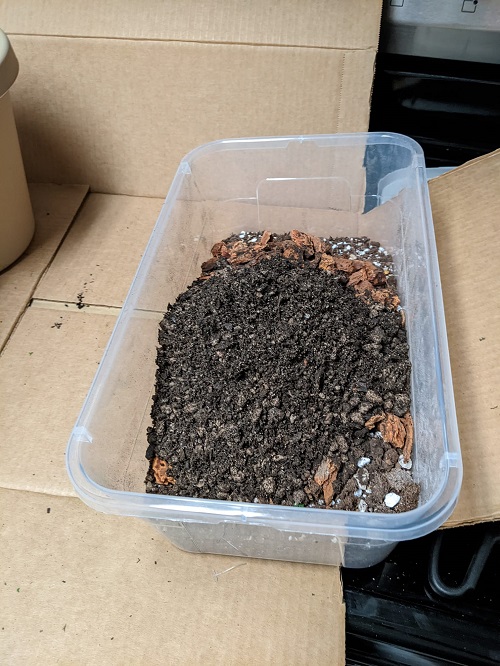
Even if you water correctly, poor drainage can still harm your plant. Heavy soil or pots without holes trap water around the roots. This creates a soggy environment where roots begin to rot. Over time, the plant becomes weak and starts dying. Use a well-draining potting mix and a pot with proper drainage. This simple change can quickly improve plant health.
9. Overwatering is Slowly Killing Your Plant
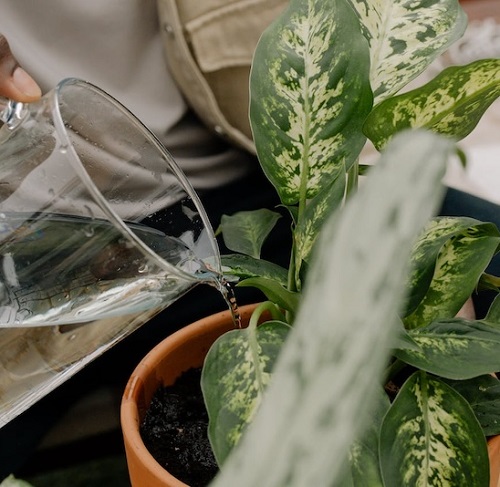
Overwatering is one of the most common reasons your Dieffenbachia starts dying. When the soil stays wet for too long, the roots cannot breathe. This leads to root rot, which makes the leaves turn yellow and soft. You may also notice a bad smell from the soil. To fix this, let the top soil dry before watering again. Always use a pot with drainage holes to avoid water buildup.
How to Save Your Dieffenbachia Fast
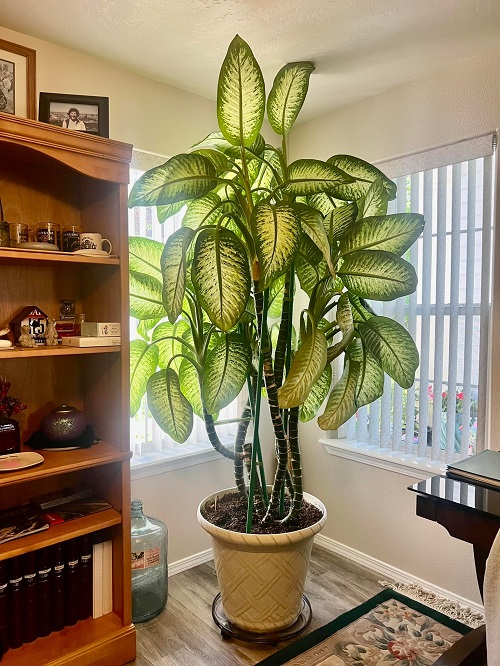
Start by checking the soil condition and roots. Remove any rotten roots and change the soil if needed. Adjust your watering schedule and make sure the pot drains well. Move the plant to a bright spot with indirect light. Keep the environment warm and slightly humid. With quick action and proper care, your Dieffenbachia can recover and grow healthy again.