
Why your fishbone cactus isn’t getting bushier over time and how its slow, uneven growth pattern can make it look thin for a long time.
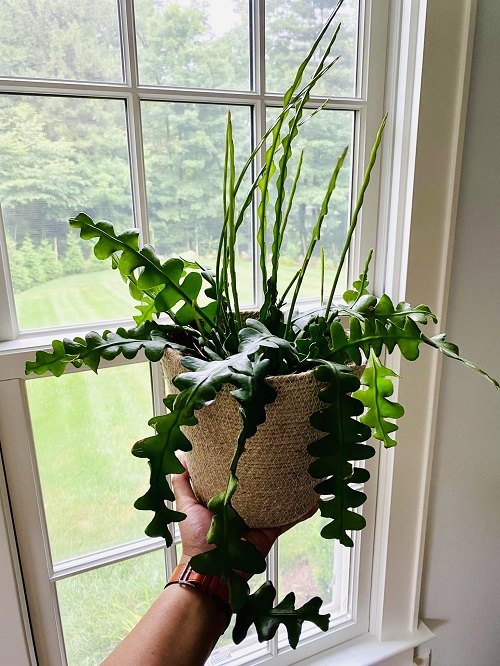
Many fishbone cactus plants grow long flat stems but stay thin and open. This happens when the plant puts its energy into reaching outward instead of branching. The cactus grows from the tips first. If the tips stay healthy and untouched, side growth stays slow. A young plant also needs time before it starts producing extra arms. This makes the plant look leggy for many months.
Why Your Fishbone Cactus Isn’t Getting Bushier Over Time
1. The Plant Is Still Too Young
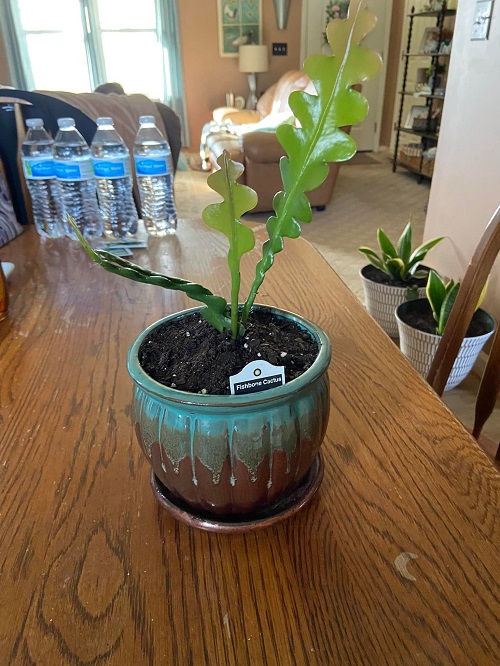
Fishbone cactus does not become bushy quickly. In its early stage, it focuses on building strong main stems. Side shoots usually appear only after the plant feels stable. This can take a year or more. If your plant is less than two years old, slow branching is normal. Patience plays a big role in how full this cactus becomes over time.
2. Pruning Has Not Been Done Yet
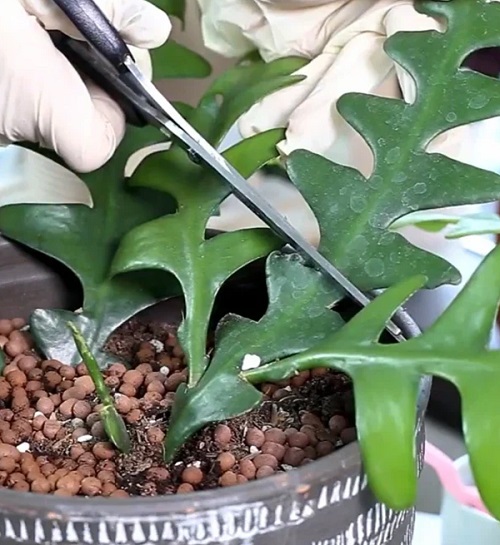
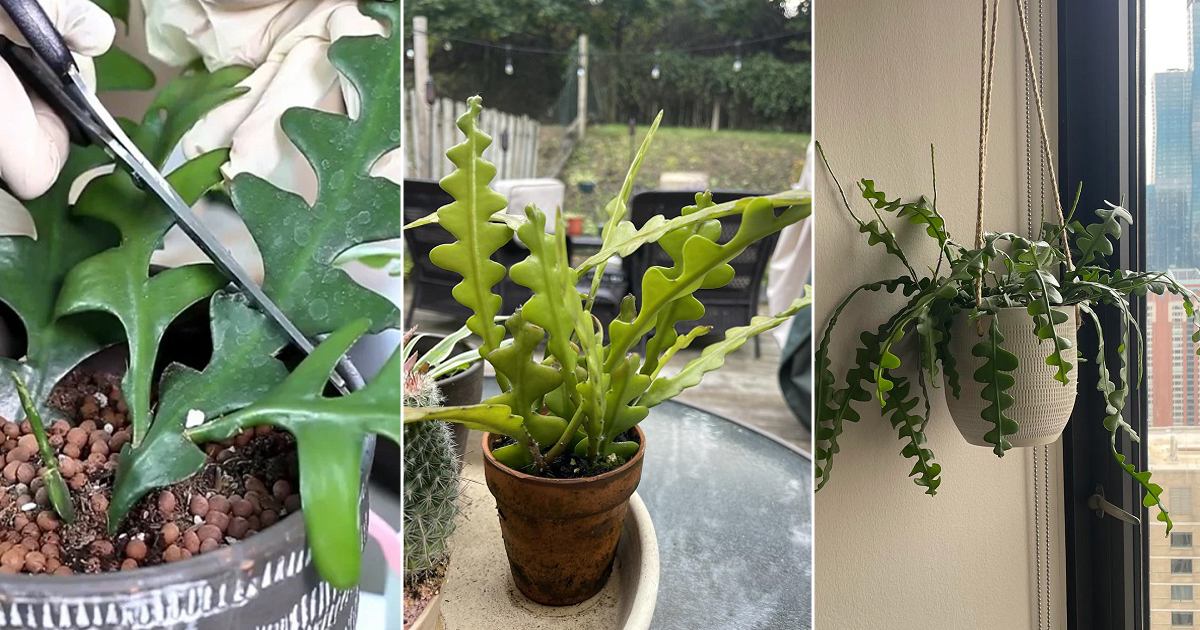
This cactus responds well to pruning. When you never trim the stems, the plant keeps growing longer instead of fuller. Cutting a stem sends a signal to produce new growth near the cut area. Without pruning, the cactus has no reason to branch. Even one small trim can encourage two or more new stems to form from the same point.
3. The Pot Size Limits Side Growth
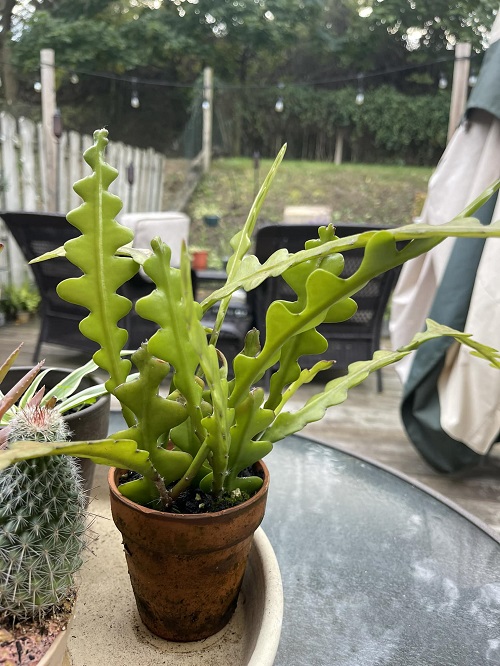
A fishbone cactus that feels cramped may stop producing new stems. When roots have no space to spread, the plant shifts into survival mode. It focuses on staying alive instead of growing bushy. A slightly larger pot allows the roots to breathe. This helps the plant support more stems and grow fuller over time.
4. The Plant Lacks Energy to Branch
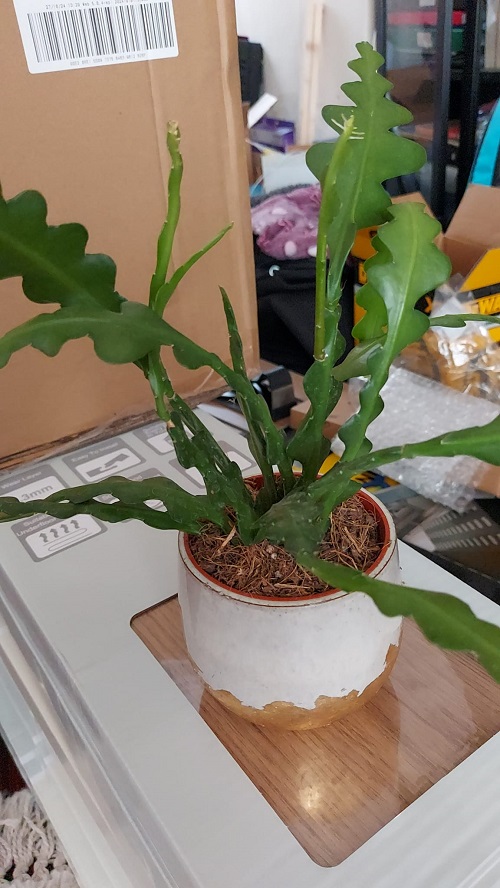
Branching needs extra energy. If the cactus grows but never thickens, it may not have enough stored strength. Weak growth often looks thin and pale. The plant uses most of its energy to maintain existing stems. When energy stays low for long periods, new side shoots fail to appear.
5.Growth Happens in Short Seasons
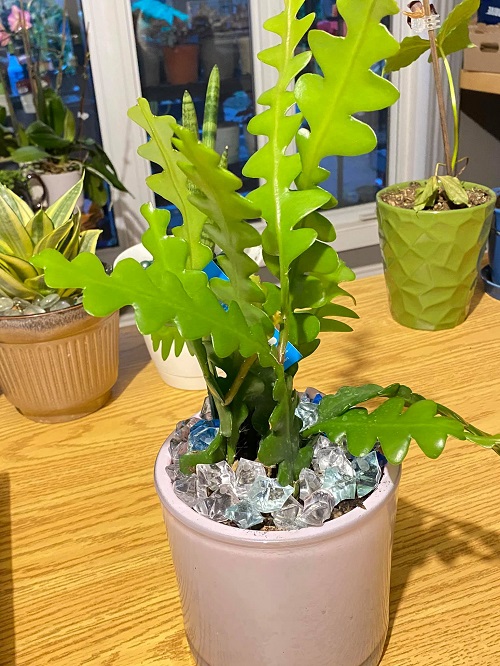
Fishbone cactus does not grow evenly all year. It has active and resting phases. During slow periods, no new stems appear. This makes the plant look unchanged for months. Many owners think something is wrong. In reality, the cactus is resting. Bushy growth usually starts only during active growth phases.
6. Hanging Position Affects Shape
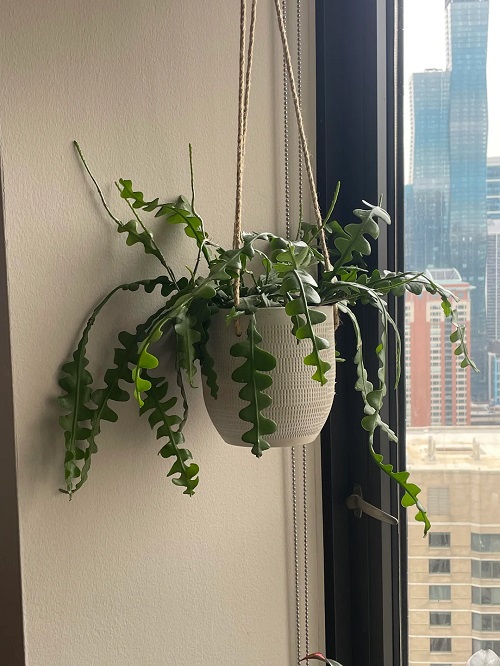
When the cactus hangs down, gravity pulls the stems straight. This reduces side branching. The plant focuses on length instead of width. A hanging plant can still be healthy, but less bushy. Placing it flat or allowing some stems to rest on support can change how it grows and encourage more branching.
7. Old Growth Needs a Reset
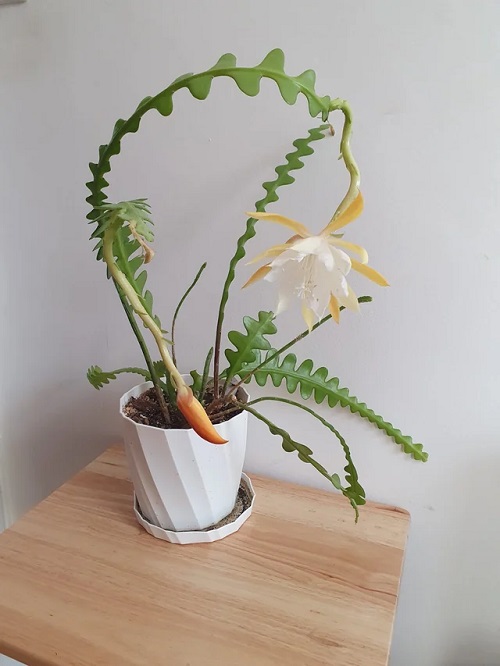
Older fishbone cactus plants sometimes stop branching. The stems grow long and woody at the base. This slows new growth. Cutting back older stems can refresh the plant. New shoots often appear from lower points after pruning. This reset helps the cactus regain a fuller and more balanced look.
8. Stress Slows Bushy Growth
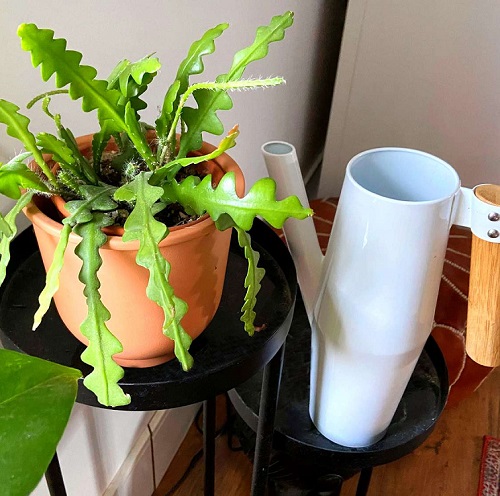
Any form of stress can reduce branching. This includes sudden changes in temperature, irregular watering, or frequent moving. When stressed, the cactus protects existing growth. It avoids producing new stems. A stable environment helps the plant relax. Once stress reduces, bushier growth becomes more likely over time.
9. Time and Consistency Matter Most
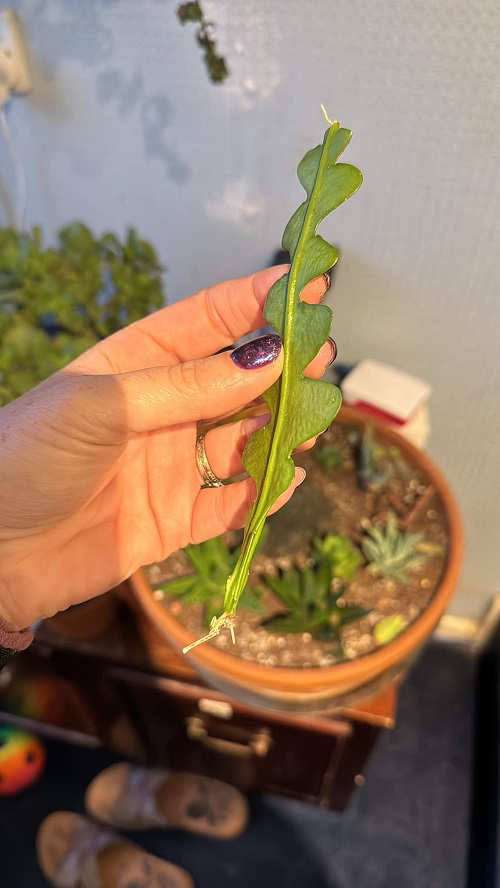
Fishbone cactus becomes bushy slowly. There is no quick fix. Regular care, light pruning, and steady conditions help the plant build strength. Each new stem adds fullness. With time, the cactus naturally fills out. Consistency matters more than frequent changes. A calm and steady approach brings the best results.