
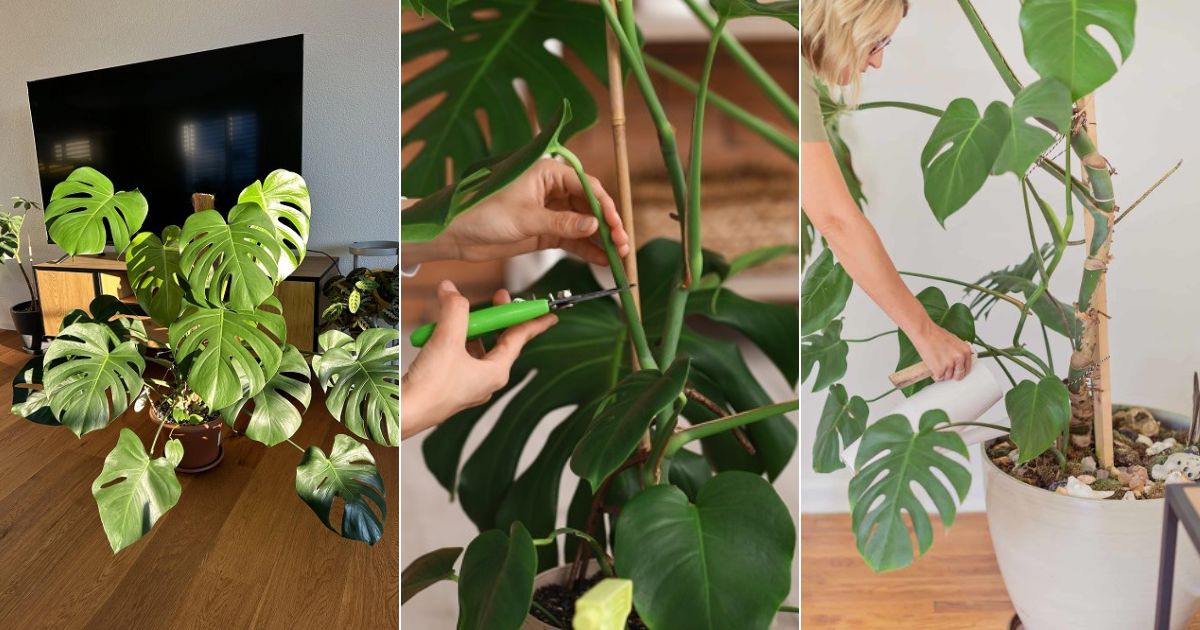
Learn why your Monstera isn’t growing bushier indoors. Discover the reasons behind leggy stems, slow leaf growth, and uneven plant shape.
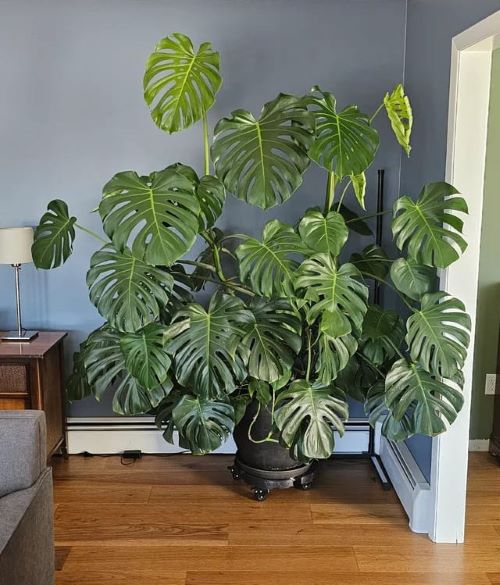
A Monstera can look healthy but still fail to grow bushy indoors. Many plants grow tall with wide gaps between leaves. This often leaves owners confused and disappointed. Find out Why Your Monstera isn’t Growing Bushier Indoors, and it helps you set the right expectations and avoid common indoor growth problems.
Why Your Monstera Isn’t Growing Bushier Indoors
1. Not Enough Light Reaches the Plant
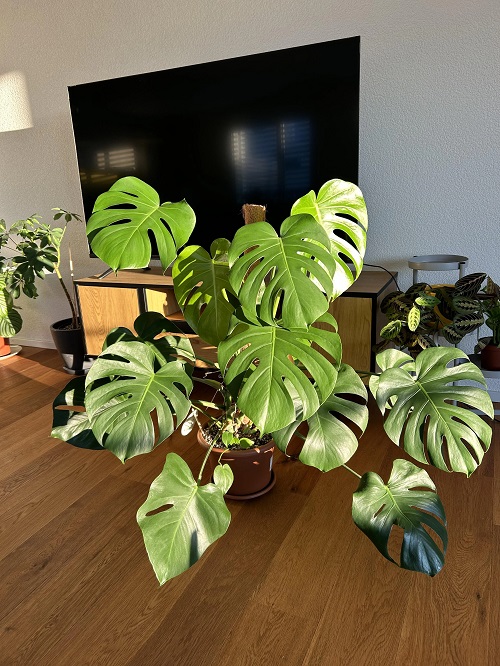
Monsteras need bright light to grow bushy indoors. Low light makes the plant stretch instead of filling out. The stems grow long and thin. New leaves appear far apart. This gives the plant a leggy look. Indoor corners and shaded rooms often cause this issue. Place the plant near a bright window. Use filtered sunlight. Avoid dark spots. Better light helps the plant grow more side shoots and fuller leaves.
2. Roots Are Crowded Inside the Pot
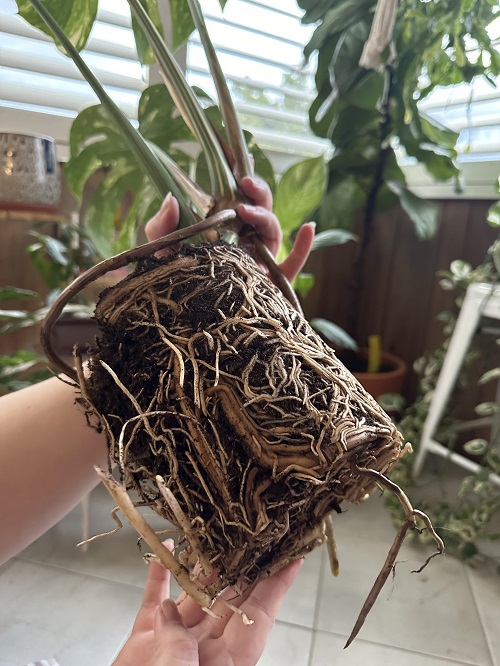
A root-bound Monstera focuses on survival, not growth. When roots fill the pot, they lack space. Water drains poorly. Nutrients become limited. This slows new leaf growth. Bushy growth stops first. Check the pot regularly. Roots circling the bottom signal trouble. Repot into a slightly larger container. Fresh soil improves airflow and nutrition. Healthy roots support fuller top growth.
3. No Support for Vertical Growth
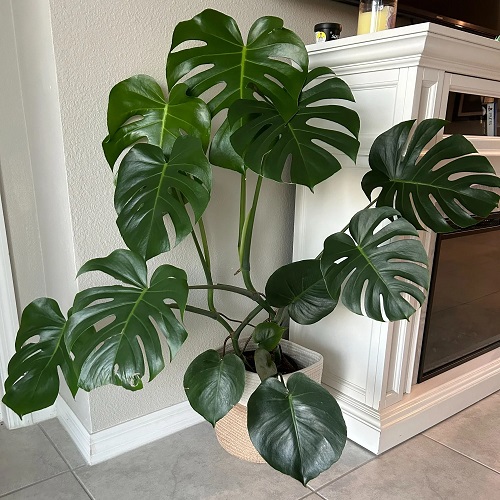
Monstera grows bushier when supported correctly. Without support, stems sprawl outward. Energy goes into survival, not branching. A moss pole or stake helps guide growth. A supported plant grows stronger stems. Strong stems produce more leaves. Indoor Monstera need structure. Tie stems gently. This improves leaf size and overall shape. Better structure often leads to fuller growth.
4. The Plant Is Still Young
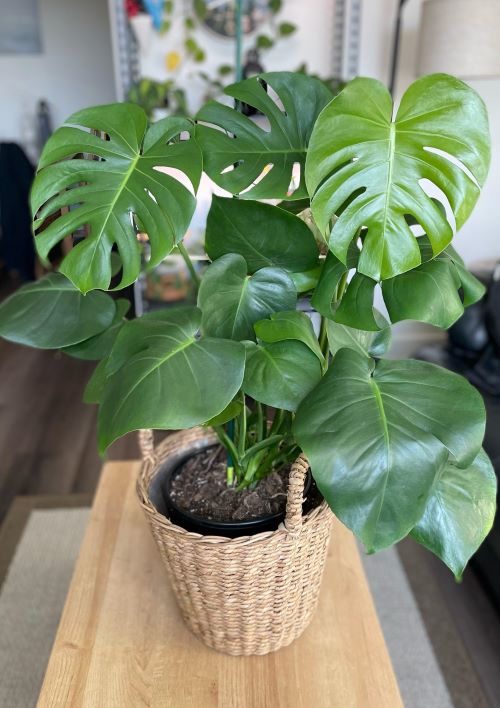
Young Monsteras do not look bushy yet. They focus on root and stem growth first. Leaf gaps are common early on. Indoor growth is slower than outdoor growth. Patience matters. Provide stable care. Avoid frequent changes. With time, the plant matures. Mature plants naturally produce more leaves and side growth when conditions remain steady.
5. Stress From Frequent Moving
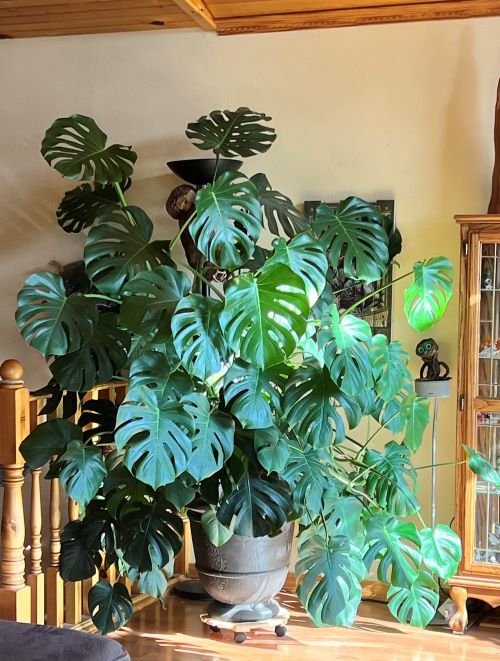
Monsters dislike constant relocation. Moving changes light, temperature, and airflow. Each change stresses the plant. Stress slows growth. Bushy growth stops first. Choose one good spot and keep it there. Let the plant adjust. Stable conditions help it settle. A settled plant grows more evenly. Consistency is key for fuller indoor growth.
6. Indoor Air Is Too Dry
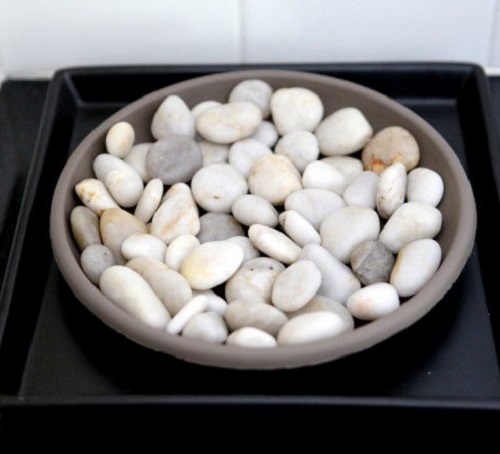
Dry indoor air affects leaf development. Monsteras prefer moderate humidity. Dry air causes slow leaf expansion. New leaves may stay small. Growth becomes uneven. Heating and air conditioning reduce humidity. Group plants together. Mist occasionally. Use a humidity tray if needed. Better humidity supports steady growth. Healthy leaves help the plant appear fuller over time.
7. Watering Is Either Too Much or Too Little
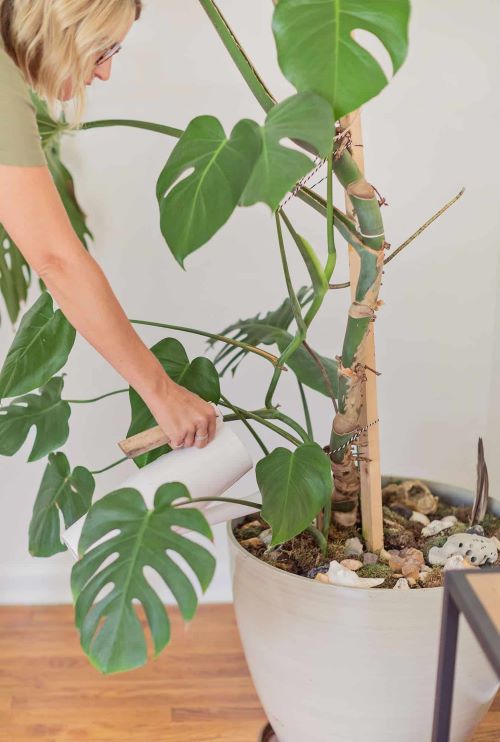
Incorrect watering affects bushiness. Too much water causes root stress. Too little water dries growth tips. Both slow leaf production. Indoor conditions change watering needs. Always check the soil before watering. Water only when the top layer feels dry. Deep watering works better than small sips. Proper moisture keeps roots active. Active roots support new stems and side leaves.
8. Lack of Nutrients Slows Side Growth
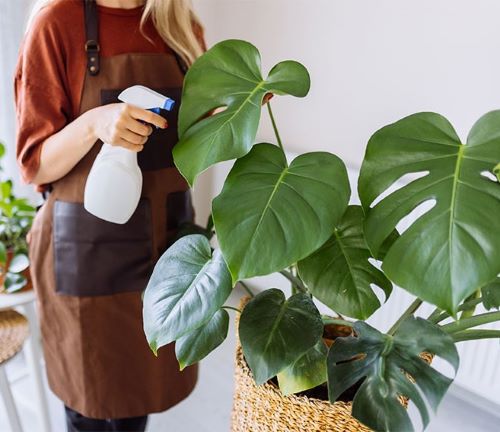
Monsteras need regular feeding indoors. Potting soil loses nutrients over time. Without food, the plant prioritizes existing leaves. New growth slows down. Side shoots stay weak. Use a balanced liquid fertilizer. Feed during spring and summer. Avoid overfeeding. Too much fertilizer burns roots. Consistent feeding supports stronger stems and more leaves, which leads to a bushier plant.
9. Poor Soil Quality Limits Growth
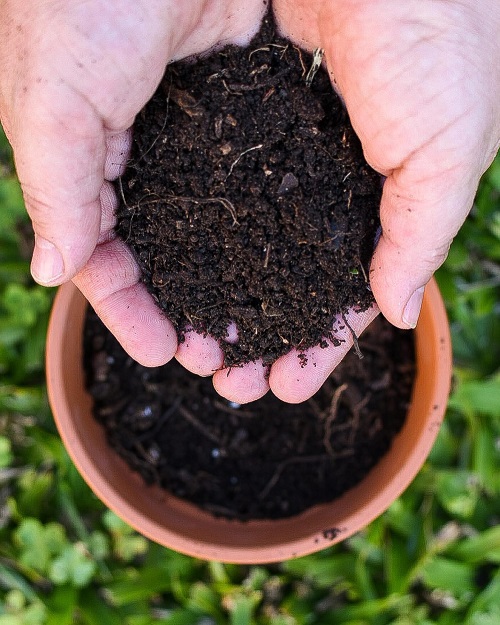
Heavy or old soil restricts oxygen. Monstera roots need air to stay active. Dense soil stays wet for too long. This leads to weak roots. Weak roots produce slow growth. The plant saves energy instead of branching. Use loose soil that drains well. Add perlite or bark. Refresh soil every one to two years. Good soil helps steady and bushy growth indoors.
10. The Plant Is Not Pruned Properly
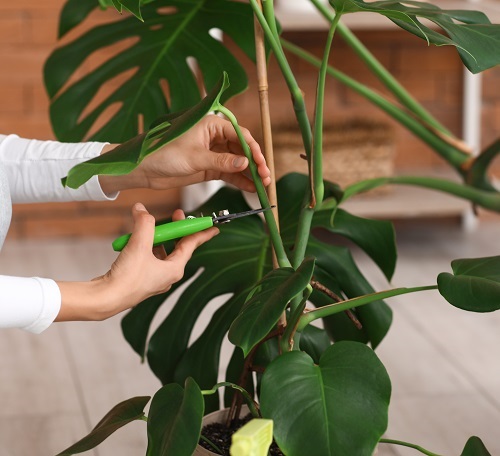
Monstera do not grow bushy on their own indoors. They need pruning to push new growth. If you never trim the plant, it grows upward only. The main stem becomes dominant. Side growth stays weak. Cutting above a node encourages new shoots. This helps the plant branch out. Pruning also controls size. Always use clean tools. Prune during active growth seasons for best results.