
Find out Why Your Plants Look Healthy but don’t grow in Spring and what signals plants need to finally start growing.
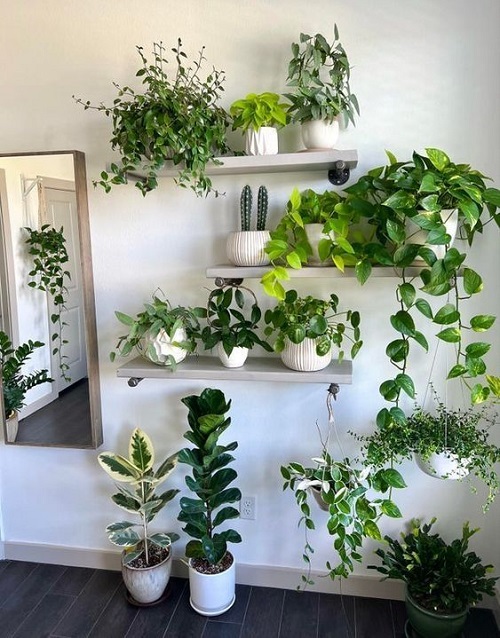
Many plants look green and fresh in spring. Leaves appear firm. Stems look strong. Still, new growth feels slow or completely missing. This often happens because plants wake up slowly after winter rest. Roots need time to become active again. The plant focuses on internal recovery first. Remember that visible growth comes later. This delay is normal and does not always mean a problem. Read more details about Why Your Plants Look Healthy but Don’t Grow in Spring.
Why Your Plants Look Healthy but Don’t Grow in Spring
1. Cold Soil Keeps Roots Quiet
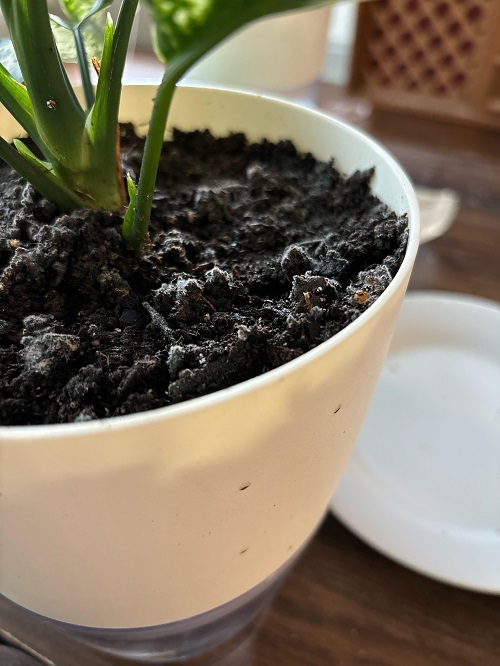
Even when air temperatures rise, soil stays cold for longer. Cold soil slows root activity. Roots cannot absorb water and nutrients well. The plant stays healthy but does not push new growth. Leaves remain green because stored energy supports them. Growth begins only after the soil warms. This is common in early spring, especially in pots and shaded garden areas.
2. Plants Are Using Stored Energy First
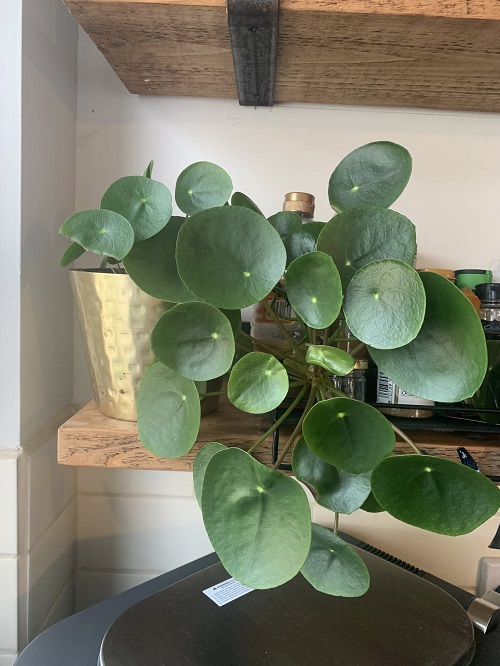
Plants store energy in roots and stems during winter. In early spring, they use this energy to repair tissues and support existing leaves. This work happens inside the plant. You cannot see it. New shoots appear only after this stored energy cycle finishes. The plant looks fine because it is stable. Growth waits until energy balance improves.
3. Day Length Changes Matter More Than Temperature
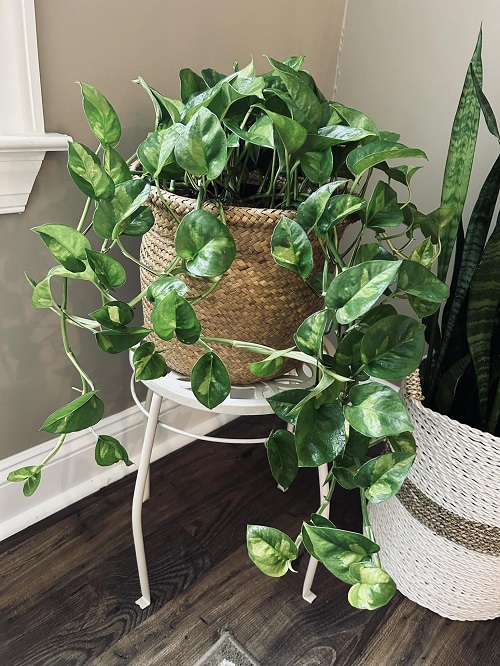
Many plants respond to longer days, not just warmth. Early spring days may still be too short. The plant senses light duration and waits. Even if temperatures feel pleasant, growth signals stay weak. Leaves remain healthy because the plant is not stressed. Once the days grow longer, growth hormones increase. New leaves and stems then start to appear.
4. Root-Bound Plants Pause Growth
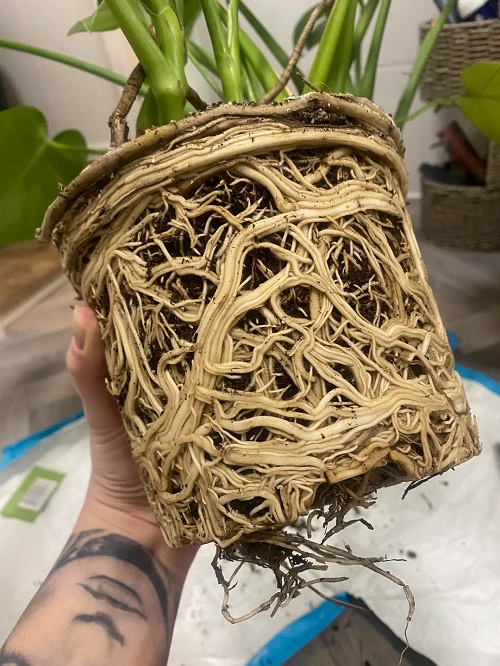
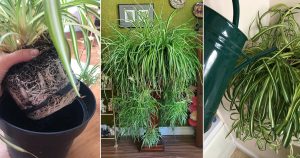
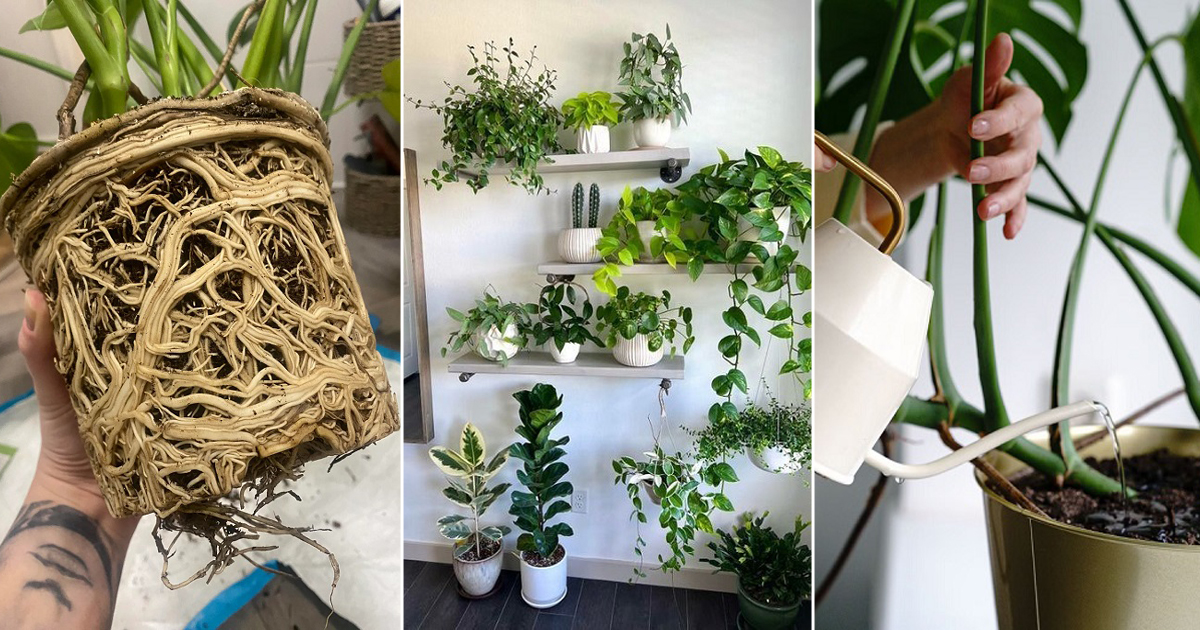
Plants growing in containers may become root-bound over time. Roots circle the pot and have no space to expand. The plant stays green but stops growing taller or fuller. Spring exposes this issue because growth demand increases. The plant cannot respond due to limited root space. Healthy leaves hide the problem until growth fails to start.
5. Recent Repotting Slows Visible Growth
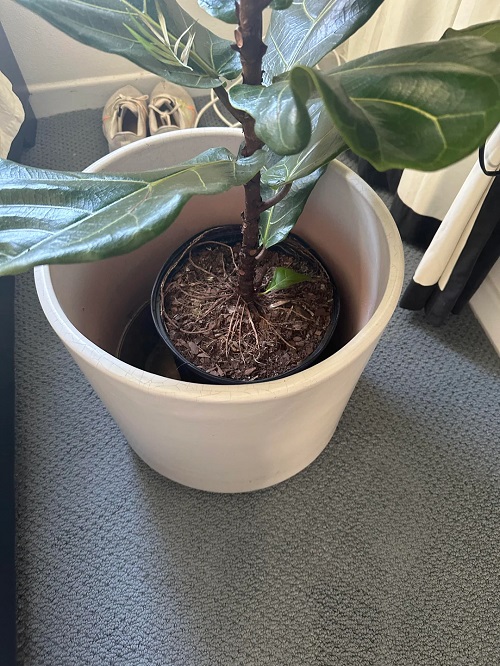
After repotting, plants often pause top growth while roots settle into the new soil. This process takes time. During this phase, the plant looks healthy but stays still. Leaves remain firm and green. Growth resumes once roots establish contact with the soil. Spring repotting can delay visible growth for a few weeks.
6. Overwatering After Winter Causes Growth Delay
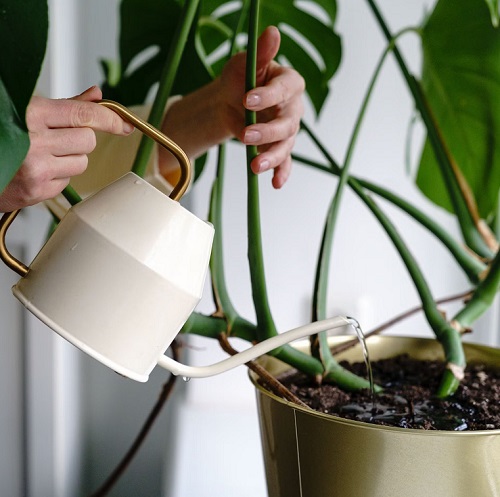
Spring watering habits often increase too fast. Roots that stayed inactive in winter may struggle with excess moisture. This reduces oxygen in the soil. The plant survives but avoids pushing new growth. Leaves stay green because the damage is mild. Growth improves once roots regain balance and soil conditions stabilize.
7. Stress From Temperature Swings
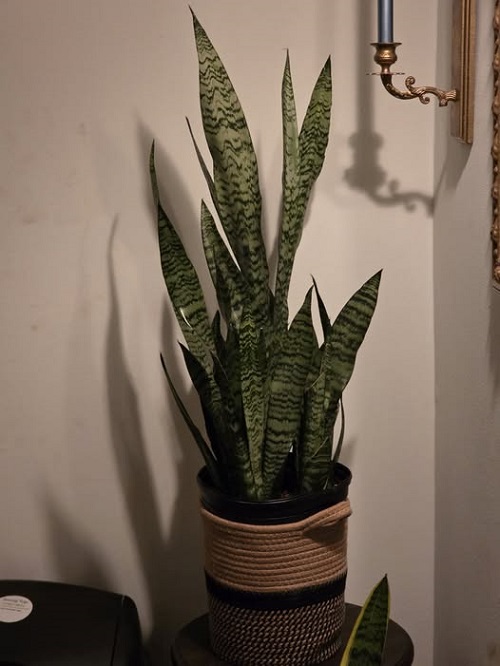
Spring weather changes quickly. Warm days and cold nights confuse plants. Growth hormones slow down during stress. The plant protects itself instead of growing. Leaves remain healthy because survival systems stay active. Once temperatures become stable, the plant feels safe to grow again. This delay is common and usually temporary.
8. Some Plants Simply Start Late
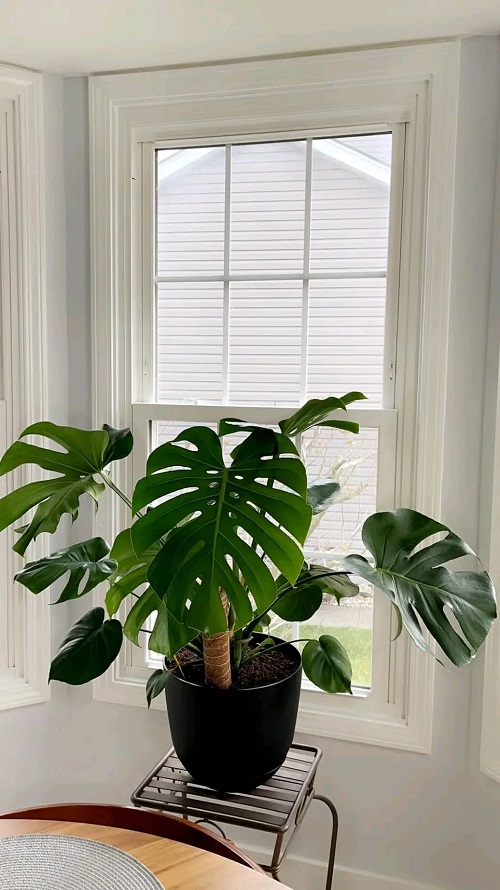
Not all plants wake up early. Some species naturally grow later in spring. They stay green and firm while waiting for the right signal. This is part of their growth cycle. Comparing them with early growers causes confusion. Patience is often the only requirement. Growth will begin when the plant’s internal clock allows it.