
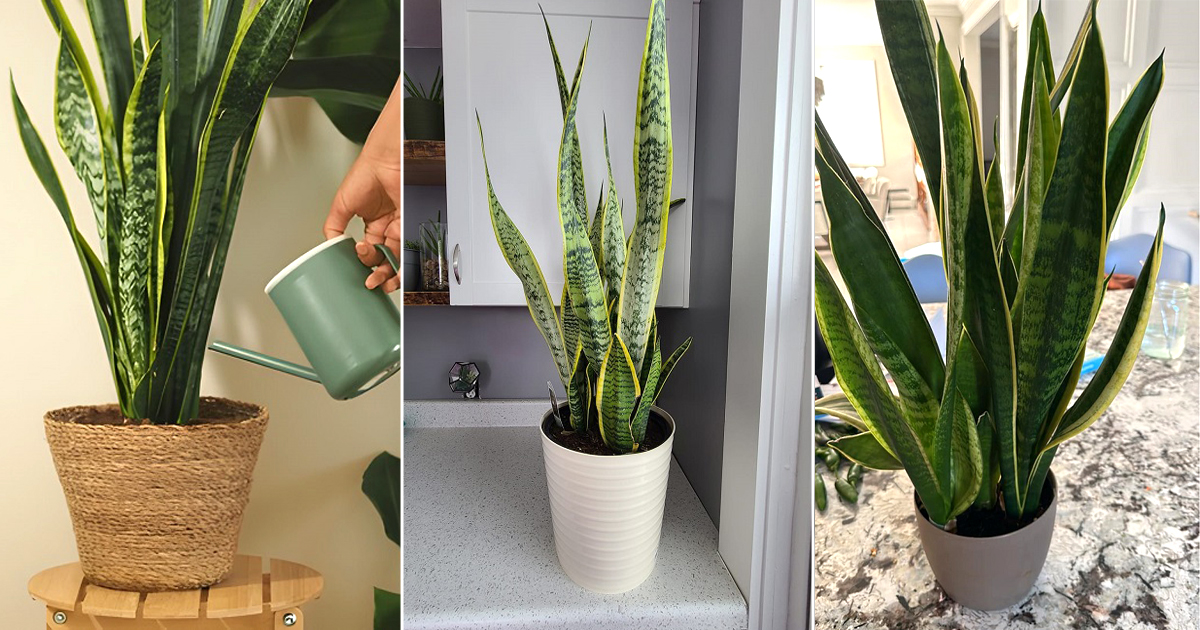
Why your snake plant stays green and strong yet shows very slow growth, and the natural reasons behind this steady pace.
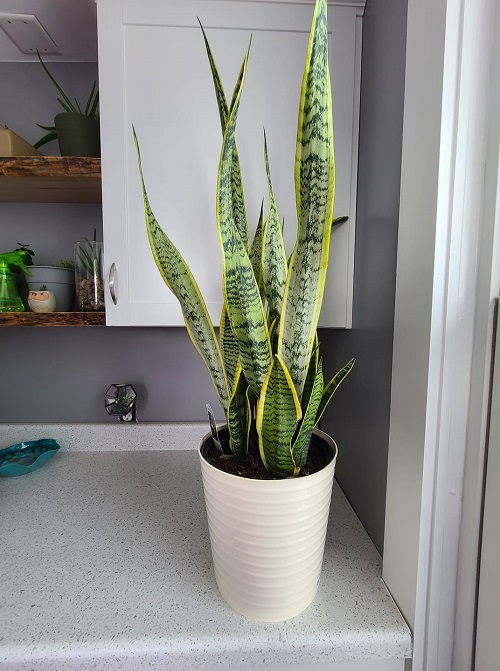
Snake plants are slow growers by nature. This often confuses plant owners because the leaves look firm, green, and upright. A healthy appearance does not always mean fast growth. Snake plants focus more on survival than speed. They store energy in their thick leaves and roots rather than pushing out new growth often. Even in good indoor conditions, new leaves may take months to appear. This slow pace is normal and not always a problem.
Why Your Snake Plant Looks Healthy But Grows Very Slowly
1. Energy Goes Into Roots Before New Leaves
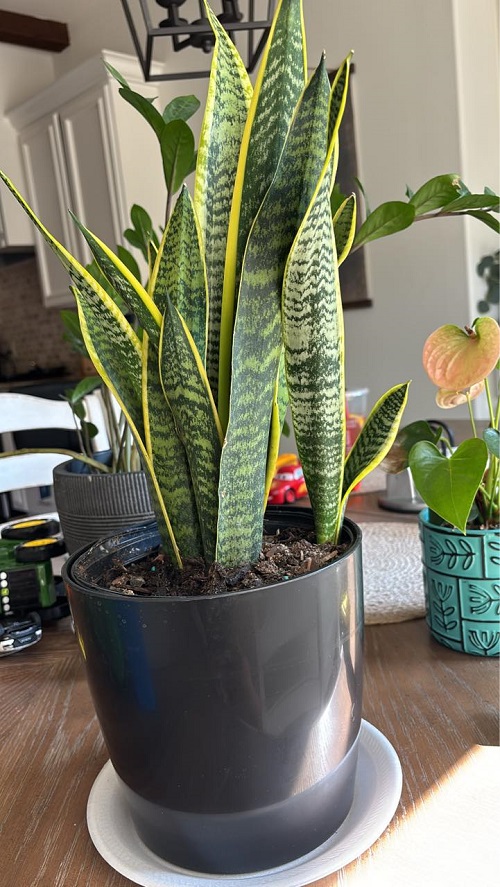
When a snake plant looks healthy but shows no new leaves, it may be building its root system. Strong roots help the plant stay upright and store water. During this phase, visible growth stays limited. The plant uses its energy below the soil surface rather than above it. This often happens after repotting or when the plant adjusts to a new space. Once the roots have settled, leaf growth follows slowly.
2. Limited Pot Space Slows Visible Growth
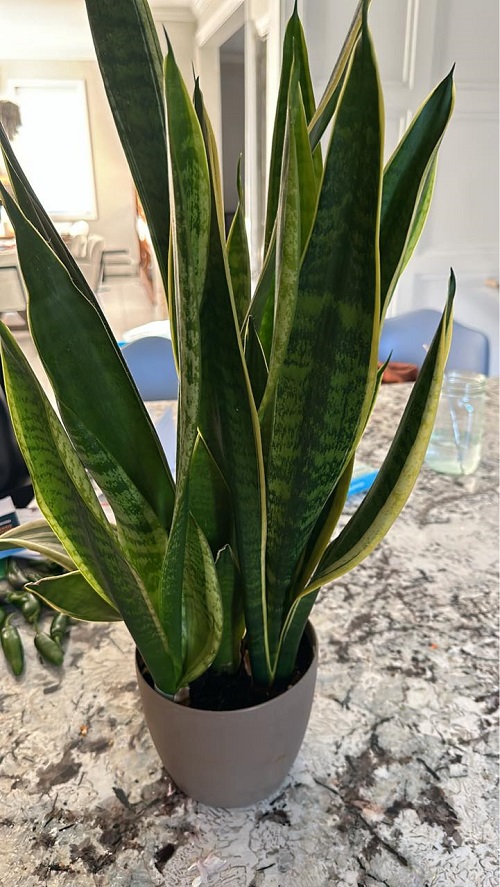
A snake plant can live in a tight pot for a long time. While this helps it survive, it also slows growth. When roots run out of space, the plant limits new leaf production. It stays healthy but does not expand much. The leaves remain stiff and green, which gives the impression that everything is fine. In reality, the plant has little room to grow further until conditions change.
3. Indoor Temperatures Affect Growth Speed
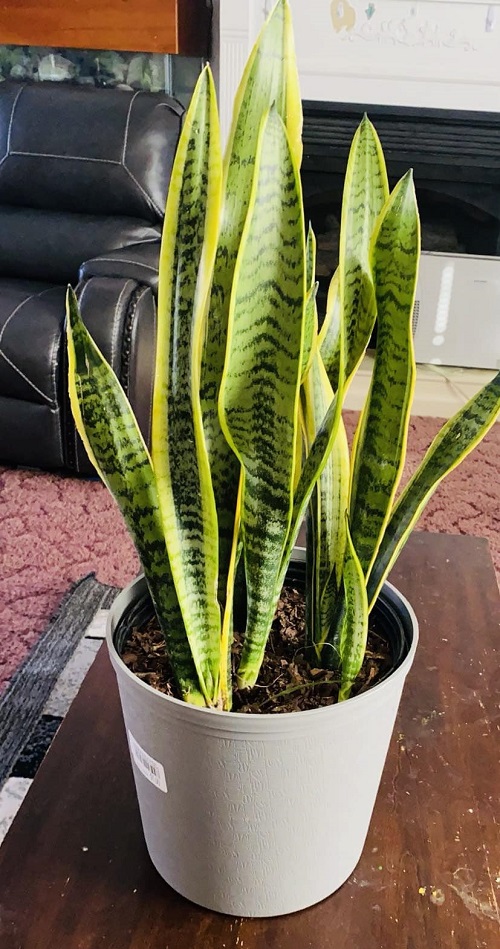
Snake plants prefer warm and stable temperatures. When indoor temperatures stay cool for long periods, growth slows down. The plant protects itself by reducing activity. It does not show signs of stress, such as yellowing or drooping. Instead, it simply pauses growth. This often happens during winter or in air-conditioned rooms. Even though the plant looks healthy, it waits for warmer conditions to grow again.
4. Low Light Keeps the Plant Alive, Not Growing Fast
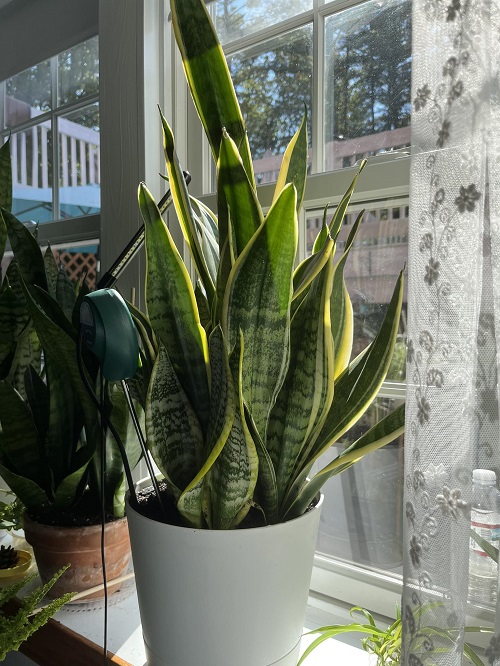
Snake plants tolerate low light very well. This makes them popular indoor plants. However, low light supports survival, not fast growth. The plant produces enough energy to stay green, but not enough to push out new leaves often. Leaves stay firm and upright, which hides the slow progress. In brighter indirect light, growth improves, but in dim spaces, patience becomes necessary.
5. Water Storage Reduces Growth Urgency
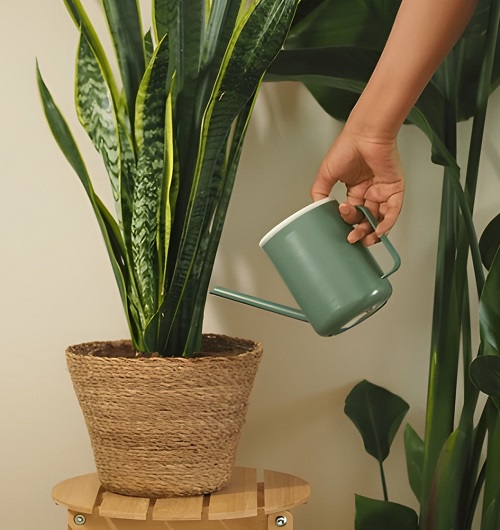
Snake plants store water in their thick leaves. Because of this, they do not rush to grow. The plant already has what it needs to survive dry periods. This reduces the need for fast leaf production. Even with proper watering, growth stays slow. The plant prefers stability over speed. As long as the leaves look healthy, the plant feels no pressure to grow quickly.
6. Seasonal Growth Cycles Play a Big Role
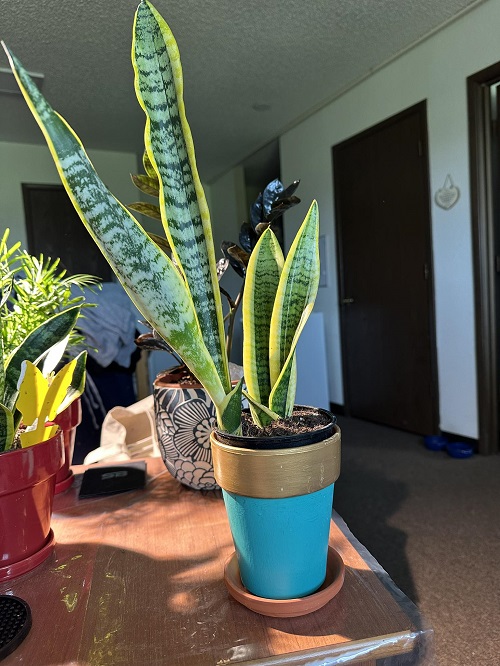
Snake plants follow seasonal growth patterns, even indoors. During spring and summer, growth slowly increases. During fall and winter, growth almost stops. The plant rests while conserving energy. Leaves stay green and firm, which makes the slowdown easy to miss. This cycle is natural. When the season changes, new growth often resumes without any special effort.
7. Healthy Appearance Can Be Misleading
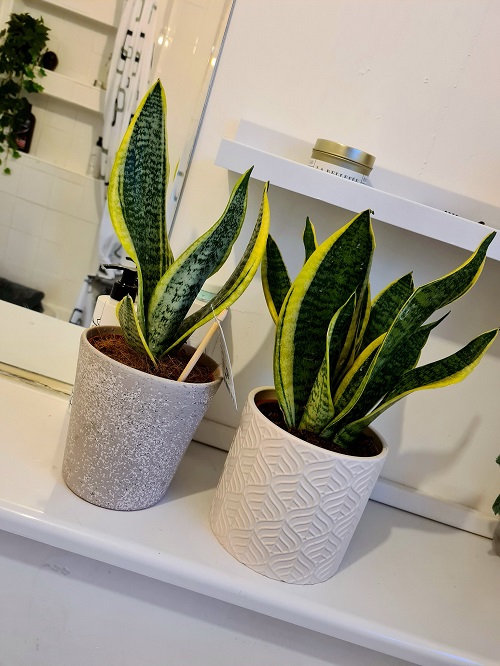
A snake plant can look perfect and still grow very slowly. Thick leaves, deep color, and upright posture show good health, not fast development. Many plant owners expect visible changes often. Snake plants do not work that way. They reward patience over time. Slow growth does not mean poor care. It often means the plant feels stable and has no reason to rush.