
As an Amazon Associate, we earn a small commission from qualifying purchases — at no extra cost to you.
Going away for the holidays? Find the best automatic watering system to keep your plants watered while you enjoy your festive break.
Planning a holiday or festive break? You don’t want to worry about watering your plants while you’re away. The Best Automatic Watering System for Holidays and Festive Season can keep your plants watered and help you avoid dry soil when you return home.
Best Automatic Watering System for Holidays and Festive Season
Love indoor greenery all year? Grow beautiful herbs and plants effortlessly with this best-selling indoor garden. For more supplies like this, check out our Amazon storefront.
1. Automatic Drip Irrigation System – Best for Multiple Plants
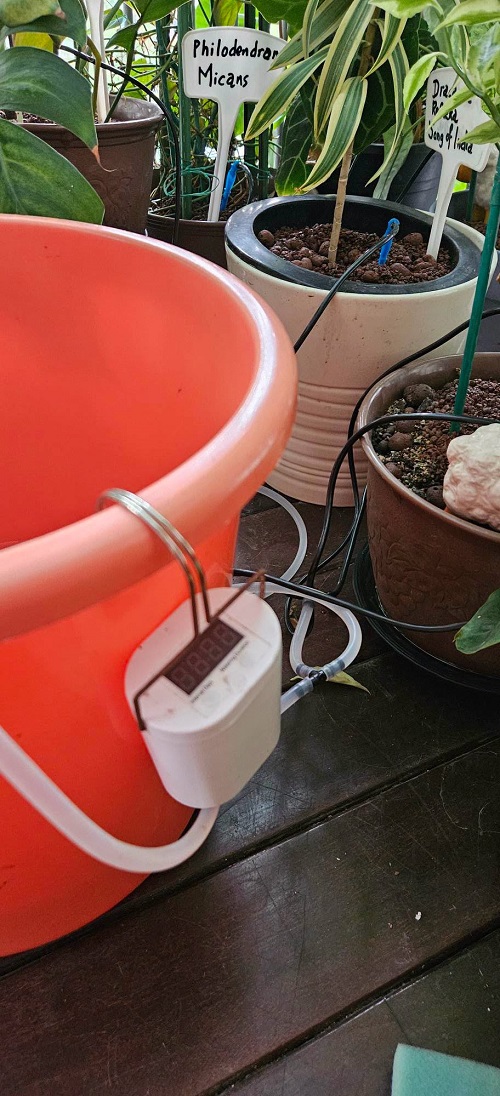
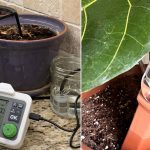
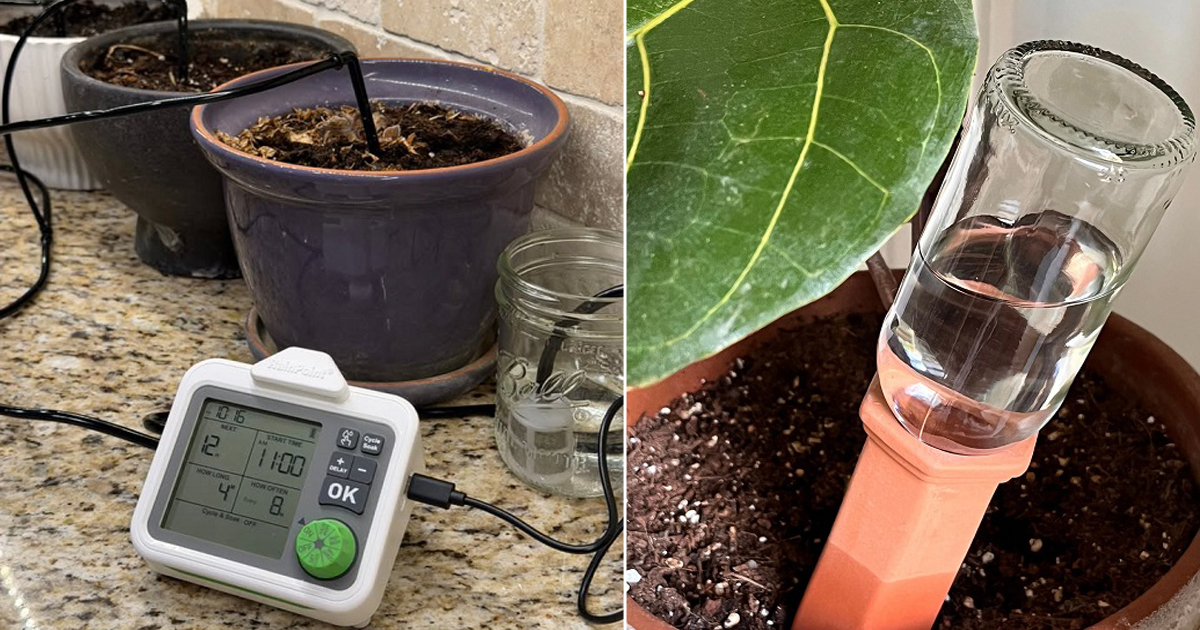
When you keep ten or more houseplants, watering every pot before a holiday can take quite a while. An automatic drip irrigation kit can handle several pots at once. You connect the tubes to a water container, place a dripper in each pot, and let the timer control the pump.
Most kits include a small pump, flexible tubes, connectors, and drippers. You place the pump in a bucket or another water container. Then you run the tubes to your plants and position each dripper near the soil.
Pay close attention to the drippers when choosing a kit. Your Monstera and ZZ plant don’t need the same amount of water. An adjustable dripper lets you give each pot a different supply instead of watering every plant at one rate.
Count your pots before ordering. Check the number of outlets, tube length, pump capacity, and timer settings. Some kits include only a few drippers, so you may need extra parts for a larger collection.
For ten or more plants, choose one complete kit rather than buy individual watering spikes for every pot. The setup takes some work, but you can keep it ready for future holidays.
Keep all your plants watered with one setup. Check out this automatic drip irrigation kit!
2. Smart Automatic Plant Watering System – Best for Frequent Travellers
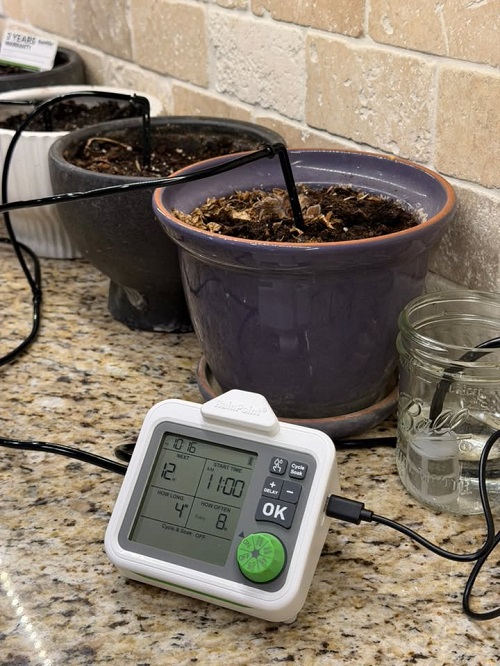
Do you travel several times a year? A smart watering system can help you manage your plants without asking someone to visit your home every few days. You set the watering schedule before leaving, and the pump supplies water through the connected tubes.
Some models also connect to a smartphone app. You can use the app to change watering times or check certain system settings while you are away.
A basic timer-controlled pump may suit your needs if you only want to water plants at fixed intervals. You don’t have to pay extra for app controls that you may rarely use.
Check one more thing before ordering. Find out if the system keeps its schedule when your Wi-Fi stops working. Some systems may continue running their saved programme, but you should confirm this in the product instructions. You don’t want an internet problem to interrupt watering while you are away.
Check WiFi Automatic Watering System . Don’t choose one based on its smart features alone. Check how many plants it supports, how you adjust the water flow, and how often you can schedule watering.
3. Self-Watering Planters – Best for Indoor Houseplants
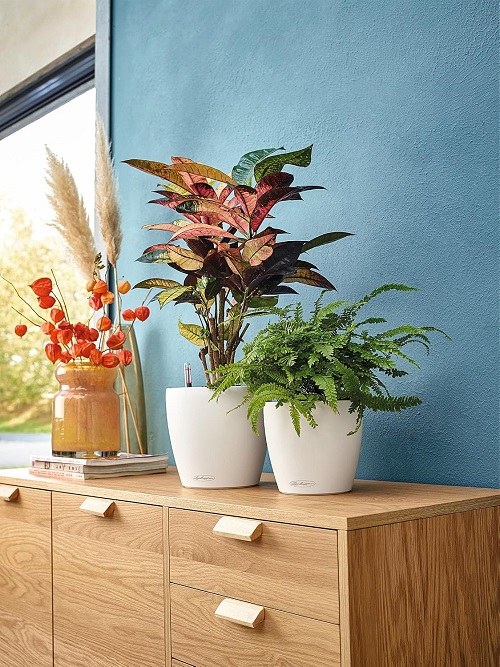
A self-watering planter can help you look after plants that prefer moist soil. It has two sections: the upper part holds the plant and potting mix, while the lower part stores water.
A wick or capillary system carries water from the reservoir into the soil. As the mix dries, it draws up more moisture. You refill the reservoir when the water level drops.
Peace lilies and some ferns can grow well in these planters because they prefer regular moisture. Some tropical foliage plants may also suit this setup.
Check the reservoir capacity before you buy. A small reservoir may not hold enough water for a long trip. A water-level indicator also helps because you can see when the planter needs a refill.
The Self-Watering Round Planter is one model you can compare. It has an integrated reservoir and a water-level indicator. Check the available sizes and choose one that fits your plant.
TIP: Don’t move every houseplant into a self-watering pot. Snake plants, ZZ plants, cacti, and succulents need the potting mix to dry between waterings. A constant supply of moisture can keep their roots too wet and lead to rot.
4. Plant Watering Globes – Best for a Few Small Pots
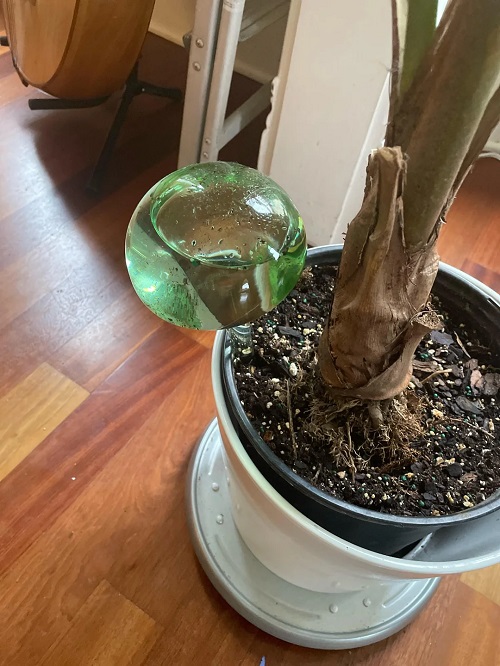
If you have just two or three houseplants, you may not need a pump or timer. A watering globe offers a simple way to supply water to an individual pot.
Most watering globes have a glass or plastic bulb with a narrow stem. You fill the bulb with water, turn it upside down, and push the stem into the potting mix. The globe then releases water as the soil dries.
You don’t need electricity or batteries to use one. You also don’t have to connect tubes or set a watering schedule.
Check the bulb capacity before buying. A small globe may empty quickly in a large pot, while a larger one may suit a bigger container. Measure the stem too. It should reach far enough into the potting mix to stay in place.
Don’t assume that a filled globe will last throughout your holiday. A plant in a warm room may use water faster than one in a cooler spot. The pot size and potting mix also affect how quickly the globe empties.
Set up the globe such as Self Watering Globes, several days before your trip. Watch the water level and check the soil. This will give you a better idea of how long it can supply water to that particular plant.
5. Adjustable Watering Spikes – Best Budget Option
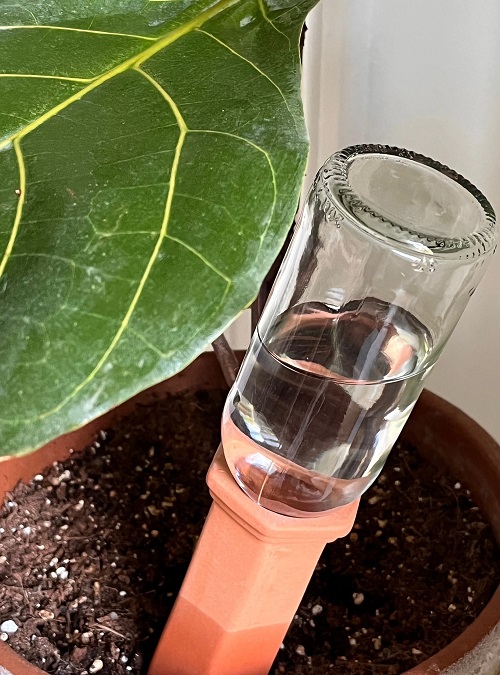
You can make a simple watering setup with plastic bottles and adjustable watering spikes. These small attachments release water into the potting mix and usually cost less than a complete automatic irrigation kit.
Fill a bottle with water, attach the spike, and push it into the soil. Some models include a valve that controls the flow. You can open or close it to change how quickly the bottle releases water.
These spikes often come in multipacks, so you can use them for several small and medium-sized pots. They also work without electricity, batteries, or a timer.
Test the setup before leaving. Fill the bottles, place the spikes in the pots, and check the soil over the next few days. If water runs out too quickly, reduce the flow. If the soil stays soaked, adjust the valve again. A bottle that empties in a day won’t help much during a week-long holiday.
Before buying, check the bottle opening size that each spike accepts. Not every model fits every bottle. Choose a spike such as Terracotta Plant Waterers – Self Watering Spikes and Watering Stakes with an adjustable valve because it gives you more control over the water supply.
6. Ceramic Self-Watering Spikes – Best for Slow Water Release
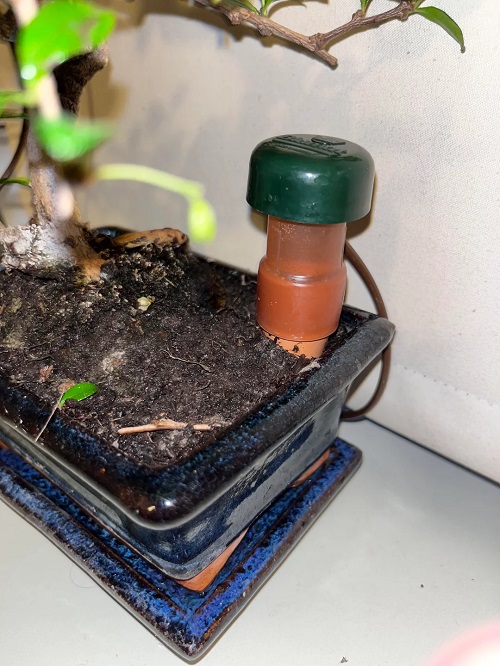
Ceramic watering spikes use a porous cone to move water into the soil. You push the cone into the potting mix and connect it to a separate water container with a tube.
The ceramic material allows water to pass through its tiny pores. As the soil around the cone dries, the system supplies more moisture. You don’t need an electric pump or a timer for this type of setup.
Check the number of cones in the package before ordering. Also check the recommended pot sizes. A large plant may need more than one cone to supply water across its root area.
Don’t wait until the day before your trip to test ceramic spikes. Push the cone into your usual potting mix and connect the tube to the water source. Check that the cone sits firmly in the soil and that the tube stays connected. Make sure the reservoir can hold enough water for the time you plan to spend away.
The Classic Plant Watering Stakes is one product you can compare. It uses a ceramic sensor cone connected to a separate water supply.
7. Automatic Sprinkler System with a Timer – Best for Outdoor Gardens
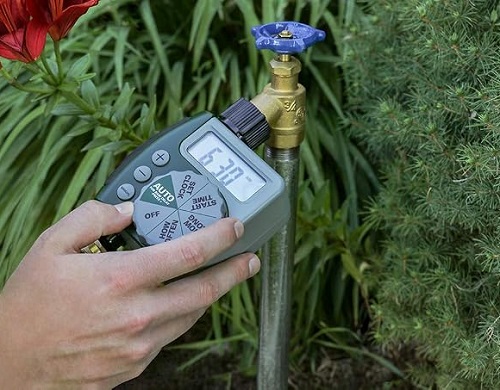
Your outdoor garden may need a different watering setup from your indoor plants. If you have a lawn, vegetable patch, or several garden beds, an automatic sprinkler system with a timer can take care of regular watering while you travel.
You connect the sprinkler to an outdoor tap and attach a timer. Then you choose the watering days and set the running time. Some timers let you create separate schedules for different areas.
Check the tap connection and water pressure requirements before buying a timer. Look at its schedule settings and power source too. If you water several garden areas, choose a controller that supports separate zones.
Set the schedule according to your garden’s needs. Don’t leave the sprinklers running for long periods without checking the soil. Heavy soil and poor drainage can cause water to collect around the roots.
A sprinkler such as Programmable Digital Hose Watering Timer can cover a lawn or a large open space. It may not work as well for vegetable beds or rows of flowers. In those areas, drip irrigation often makes more sense because it sends water close to the roots.
Which Automatic Watering System Should You Buy?
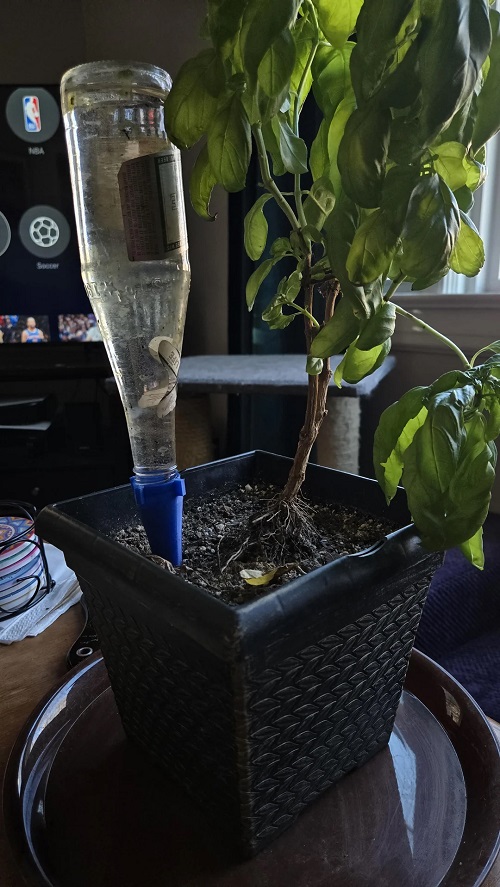
Start with the number of plants you need to water. A few pots on a windowsill need a different setup from twenty houseplants spread across your home.
For two or three plants, watering globes or bottle spikes may do the job. If you have a larger collection, choose a drip irrigation kit with enough outlets for all your pots. You can also use self-watering planters for plants that prefer moist soil.
For an outdoor lawn, look at a sprinkler timer. If you grow vegetables or flowers in separate beds, compare drip irrigation systems instead.
Think about the plants before you choose the equipment. A watering schedule that works for a peace lily may leave a snake plant sitting in wet soil. You should also consider how long you will be away. A small watering globe may work for a weekend, but it may not supply enough water for a two-week trip.
Keep Plants with Similar Watering Needs Together
If one system supplies water to several pots, group plants that need similar amounts of moisture. Don’t put succulents and peace lilies on the same watering schedule.
Succulents need less frequent watering, while peace lilies prefer more regular moisture. Use separate schedules if your system supports them. If it has adjustable drippers, change the flow for each pot.
Want to create a better watering routine for your plants? Check out this helpful plant care book for practical advice on watering schedules, soil moisture, and keeping your houseplants healthy.