
As an Amazon Associate, we earn a small commission from qualifying purchases — at no extra cost to you.
Learn How to Style Houseplants in a Living Room Like a Designer with simple tips for arranging and displaying them.
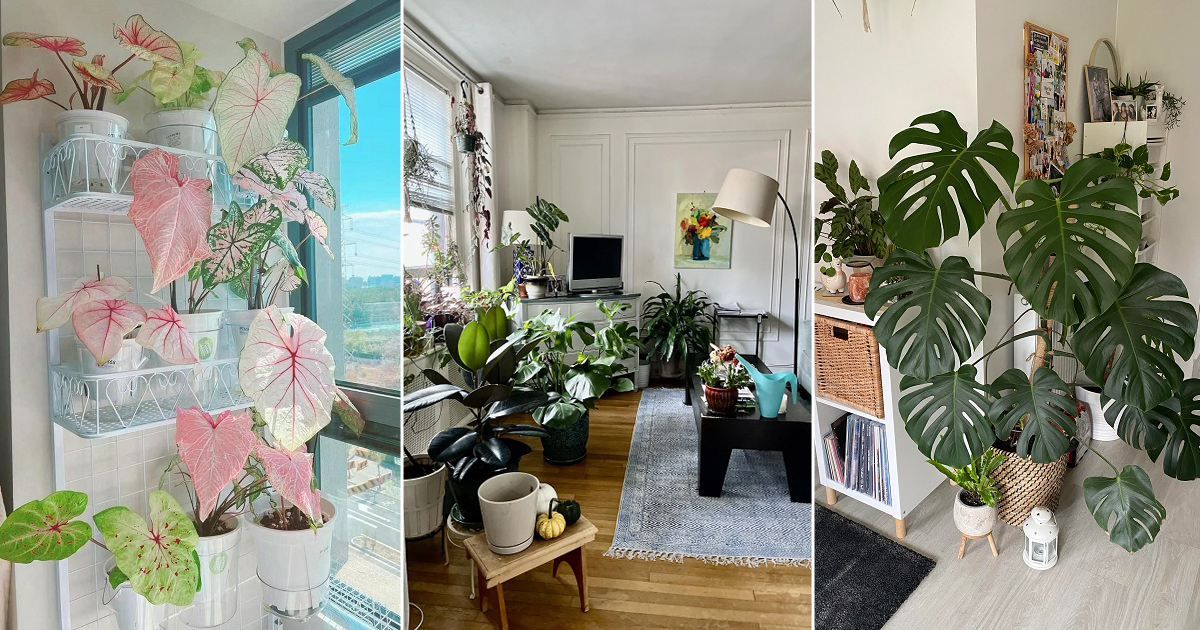
Indoor plants can make a living room feel fresh, calm, and welcoming. Placing a few plants in the right spots can also lift your mood and make the room more pleasant. You do not need a large collection to make your living room look good. A few well-chosen plants can add style without making the space feel crowded. Arrange them to match your furniture, room layout, and overall decor. With the right placement, your plants can look like a natural part of the room. Here you can explore Learn How to Style Houseplants in a Living Room Like a Designer with simple ways.
How to Style Houseplants in a Living Room Like a Designer
This post contains affiliate links. As an Amazon Associate, we earn from qualifying purchases, which support our website. You can check out our Amazon storefront here for all kinds of essentials you’ll need.
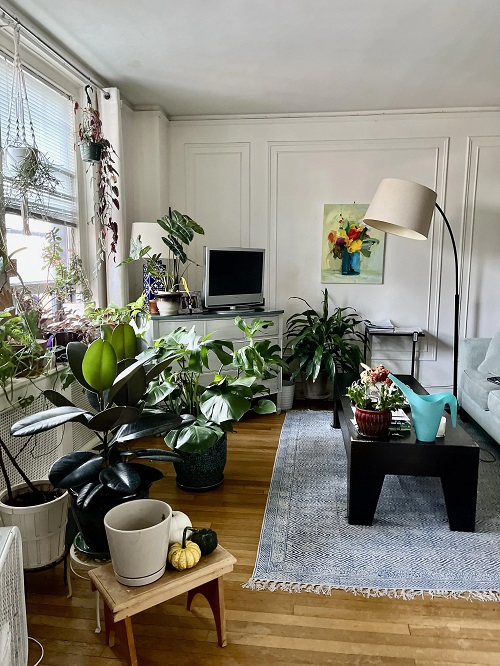
A few well-placed plants can make your living room feel more peaceful and inviting. They add a natural touch to the space and can also help lift your mood.
You do not need dozens of plants to create a beautiful display. Even a small collection can look good when you arrange it carefully. Choose spots that suit your room, furniture, and decor. Keep the plants spread out so the space feels balanced rather than crowded. Here are some simple tips to help you arrange plants in your living room.
1. Mix Different Textures, Sizes, and Shapes
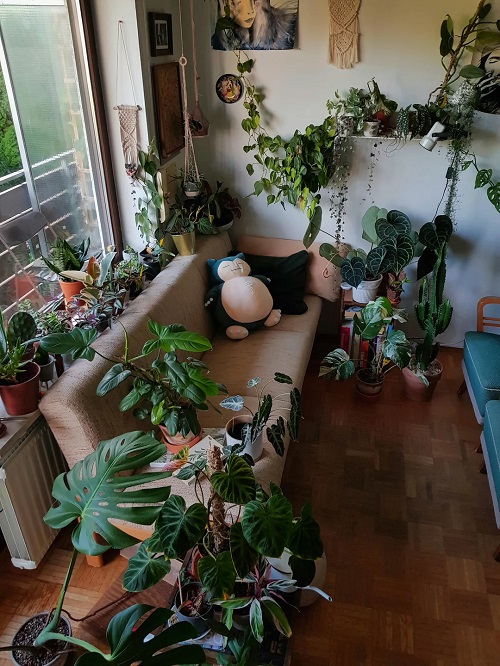
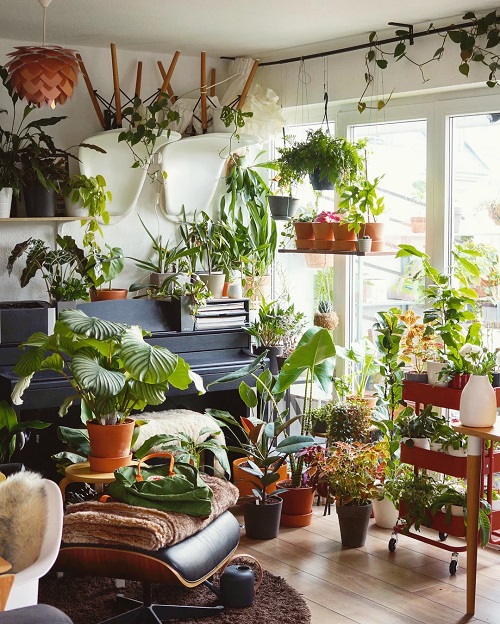
Plants can add more depth and interest to your living room. Their leaves come in many shapes, sizes, and textures, so mixing different types can make your display look more appealing.
If your living room already has many textured items, such as rugs, cushions, and woven decor, choose plants with simple leaves to keep the space balanced. For a room with plain or minimal decor, plants with large or unusual leaves can become the main attraction. Monstera, ferns, and cacti are good choices.
Also, think about the size of the leaves. Plants with thin, delicate foliage may need to be grouped in larger numbers to stand out. You can combine them with plants that have thick or broad leaves for contrast. Arrange three or another odd number of plants with different shapes and textures to create a more natural display.
This rattan plant stand is a lovely option for adding natural texture to your living room.
2. Choose Plants with Different Colors
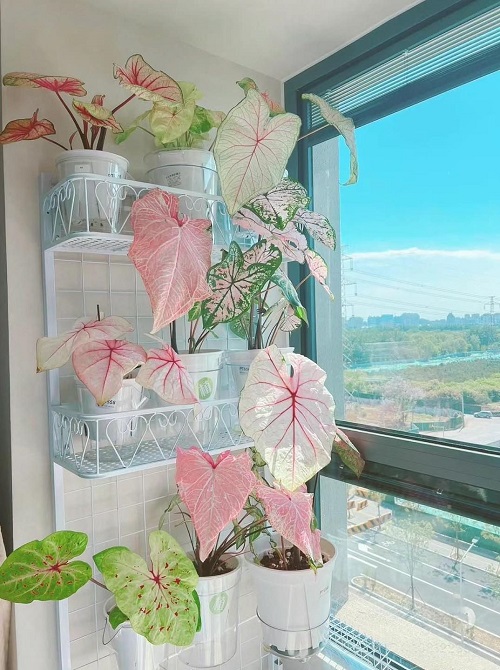
Avoid using plants and pots that all look the same. Mixing different colors can make your living room display more interesting and natural. You can choose plants with different shades of green or add some with colorful leaves.
Not all plants need flowers to bring color into a room. Caladiums have red leaves, some love plants have purple foliage, and variegated plants have attractive patterns on their leaves. You can also choose foliage colors that stand out against your living room walls.
When grouping plants together, pick varieties with different leaf colors. This will help each plant stand out and make the arrangement look more balanced.
3. Group Plants in Threes
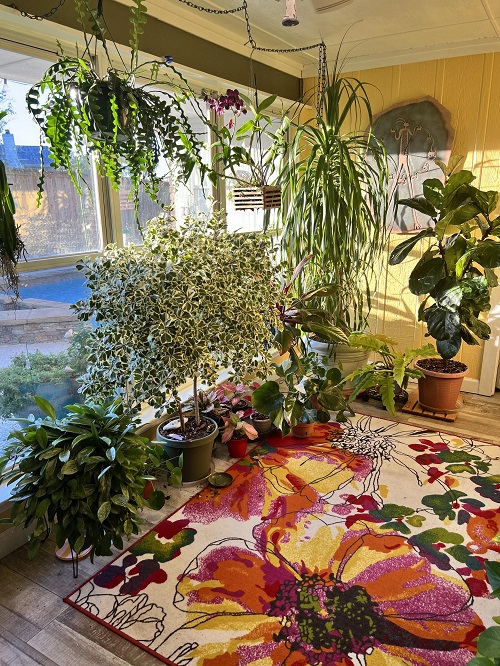
Instead of placing each plant on its own, arrange them in small groups. A simple way to do this is to follow the rule of three. Groups of three or other odd numbers often look more natural than pairs. They also make the display feel balanced without looking too planned.
Choose plants with different heights to make the group more interesting. You can also use pots with similar colors or styles to bring the display together. Avoid choosing plants that all have the same leaf shape, size, or color. A mix of different textures and forms will help each plant stand out.
Try a decorative metal planter with a raised stand to introduce a different texture and add some height to your display.
4. Make Use of Floor Space
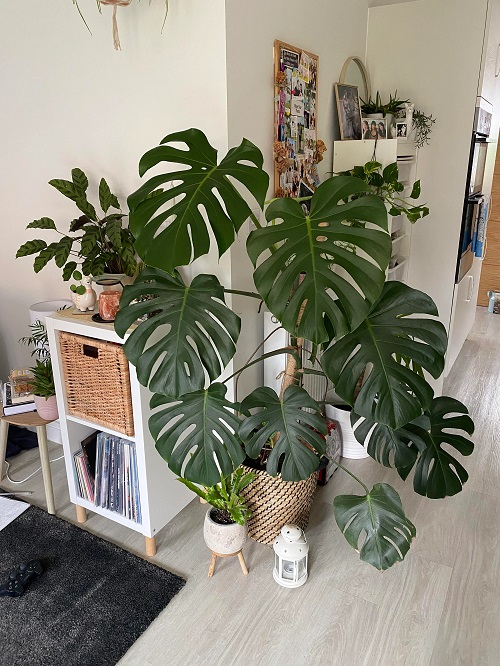
You do not have to keep all your plants on tables, shelves, or hanging baskets. Use empty floor space to display tall plants or place smaller pots on plant stands. This adds height and fills areas that might otherwise look bare.
Large plants like fiddle leaf figs and Monstera deliciosa work well in empty corners near sofas or windows. They can also help divide different areas of an open living room. Place them carefully so they do not block furniture, artwork, or other decorative items.
A rolling plant caddy makes the job easier while keeping your heavier pots off the floor. It’s a practical addition for anyone with large indoor plants.
5. Choose Plants That Suit Your Living Room
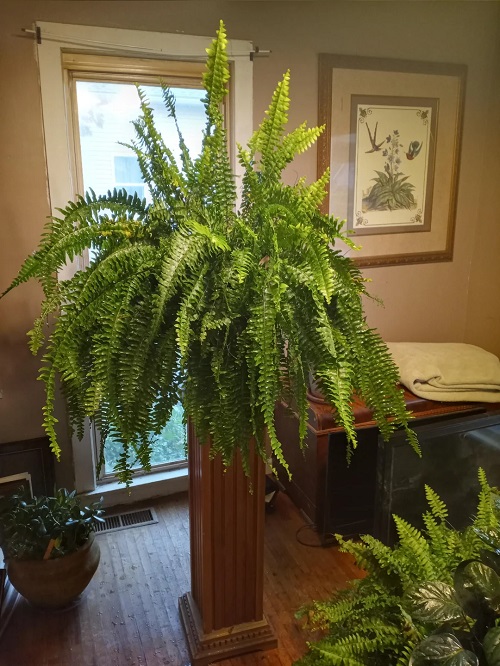
Before placing plants around your living room, check how much natural light each spot receives. Also, pay attention to which direction your windows face. These details will help you choose plants that can grow well in each location.
For example, a Boston fern needs moisture and does not do well in dry, air-conditioned rooms with strong sunlight. If you have a darker corner, choose plants that can grow in low light. You can group two or three plants with similar light needs in that spot. This way, each plant gets the right conditions to stay healthy.
6. Use Plants to Guide the Eye
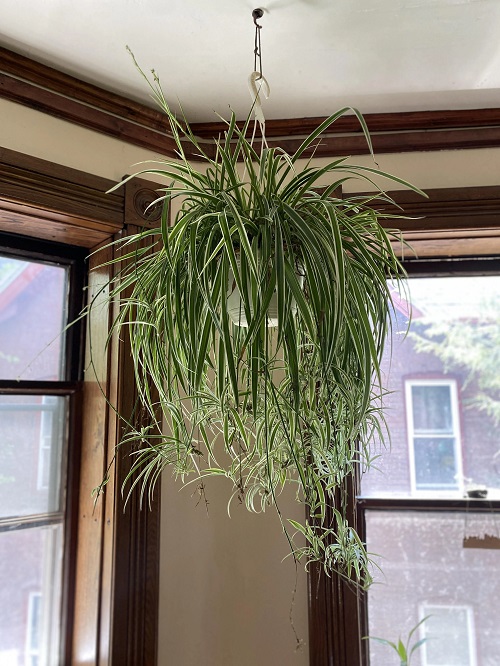
Think about how each plant grows and how you can use its shape to improve your living room. Hanging or trailing plants work well on shelves and in hanging baskets. Their leaves fall down naturally and draw the eye around the room. They can also make a small living room feel more open and spacious.
Tall plants with upright leaves help draw attention upwards. Place one near a wall painting, artwork, or another decorative feature to highlight that area. Leave enough space between the plant and the artwork so both can stand out without making the corner look crowded.
Want more ideas for decorating your home with greenery? Pick up Wild at Home by Hilton Carter. This book offers plenty of inspiration for displaying houseplants, choosing the right spots for them, and bringing more greenery into your living spaces. It is a useful read if you want to create a home that feels fresh and full of plants.