
As an Amazon Associate, we earn a small commission from qualifying purchases — at no extra cost to you.
. Is your spider plant getting enough water? Learn how to spot the signs of thirst and avoid common watering mistakes.
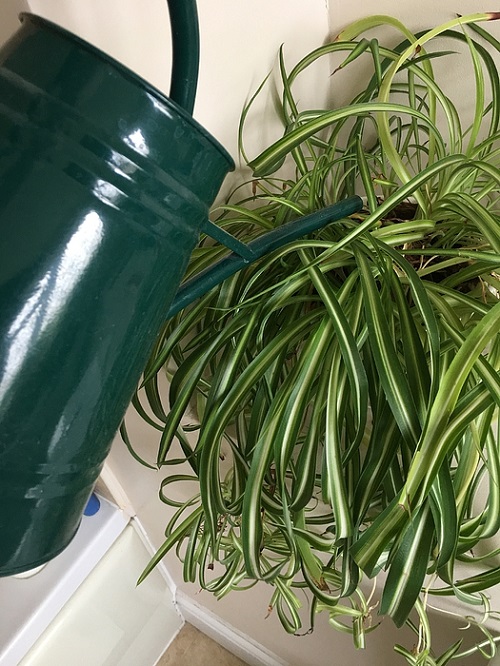
The spider plant (Chlorophytum comosum) is a popular houseplant known for its long, narrow leaves and small baby plants that hang from the mother plant. Its arching leaves give it a spider-like appearance, which explains its name. This plant is easy to grow and can handle a little neglect. However, it grows best in bright, indirect light and slightly moist, well-draining soil. Too much water or chemicals in tap water can affect its health. Learning when and how to water your spider plant will help it grow well and produce healthy baby plants.
How To Water A Spider Plant
This post contains affiliate links. As an Amazon Associate, we earn from qualifying purchases, which support our website. You can check out our Amazon storefront here for all kinds of essentials you’ll need.
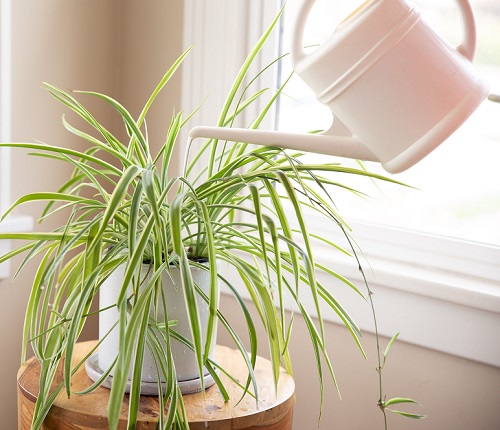
Spider plants can grow in different temperatures and soil types, but they need more care when it comes to water. Tap water may contain chemicals such as fluoride and chlorine, which can cause the leaf tips to turn brown. Use rainwater or distilled water to avoid this problem.
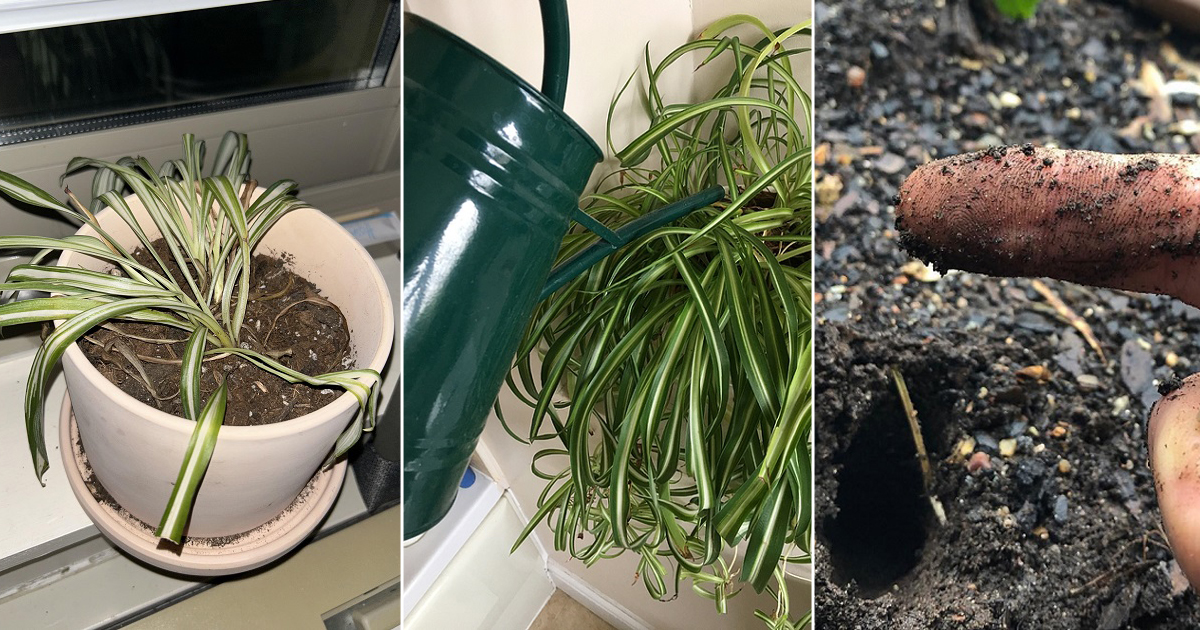
You can give your spider plant water in two ways. If you water from the top, pour water slowly onto the soil until it drains through the holes at the bottom of the pot. For bottom watering, place the pot in a shallow bowl of water and let the soil absorb moisture. Once the top of the soil feels damp, take the pot out. Empty any water left in the saucer so the roots do not stay wet for too long. This method is useful when the soil has dried out completely.
How to Know When Your Spider Plant Needs Water
Spider plants can manage occasional missed watering because their thick roots store water for later use. However, they still need proper drainage to prevent excess moisture from causing root rot. The plant’s location also affects how often you need to water it. Soil dries faster near a sunny window, so you may need to water more often. A spider plant kept in a room with less light will use water more slowly and need less frequent watering.
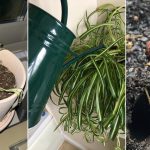
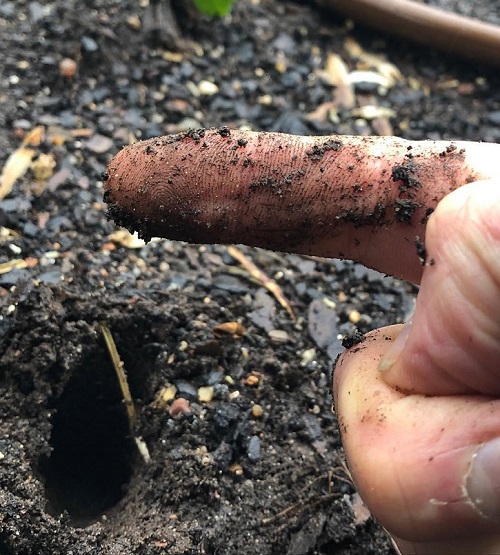
During the growing season, spider plants usually need water about once a week. They need less water when the weather is cool or the air is humid. Instead of following a fixed watering schedule, check the soil before watering. Push your finger 1 to 2 inches into the soil. If it feels dry, water the plant. If it still feels damp, wait a day or two and check again.
Use a digital light meter to measure the light levels in different areas of your home and find a suitable spot for each plant.
Why the Right Soil Matters
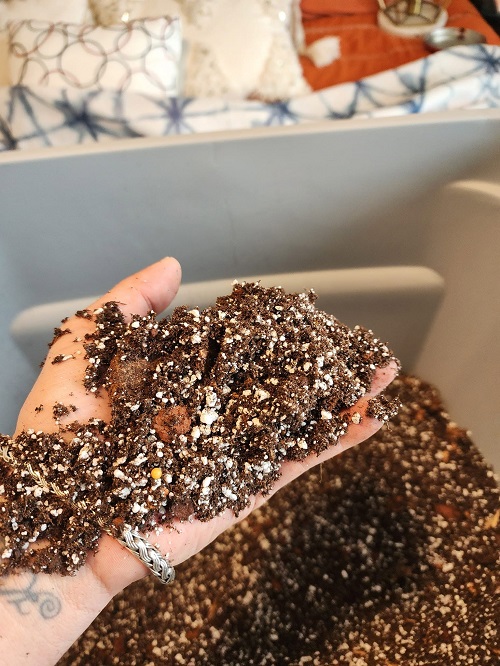
Spider plants can grow in different types of soil, including slightly acidic or alkaline mixes. However, they grow better in loose, well-draining soil with a neutral pH. Good drainage allows extra water to escape and keeps the roots from staying too wet. You can make a suitable soil mix at home by combining two parts of regular potting soil with one part perlite or coarse sand. This mix helps air and water move through the soil easily.
Shop indoor potting mix on Amazon.
How to Identify Watering Problems
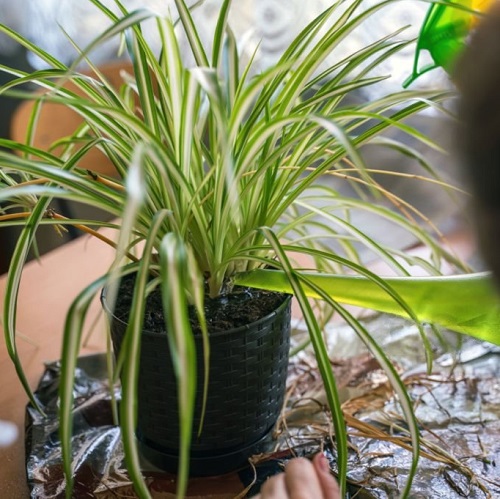
Spider plants can handle a short delay in watering, but they still need the right amount of moisture to stay healthy. Over time, you will learn how quickly the soil dries in your plant’s pot. Pay attention to any changes in the leaves or overall growth, as these can help you spot watering problems early. Look for the following signs to know if your plant is getting too much or too little water.\
Choose a pot with drainage holes to help excess water escape and reduce the risk of soil staying soggy.
Overwatering
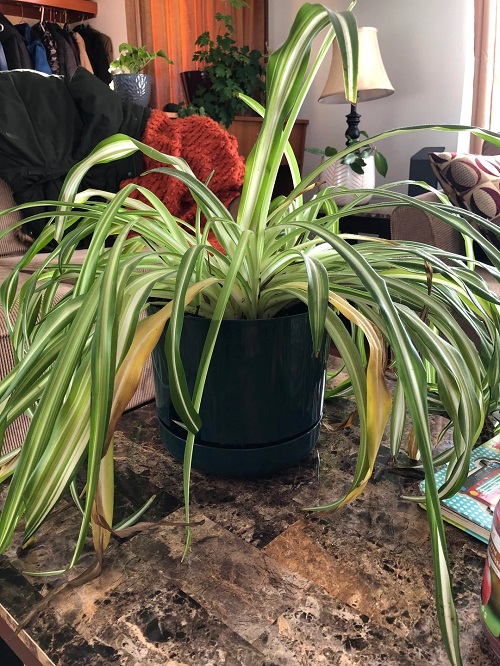
Too much water can cause your spider plant’s leaves to turn yellow, droop, or become soft and mushy. You may also notice that the soil stays wet for several days, smells bad, or attracts fungus gnats. Excess moisture can damage the roots and lead to root rot or fungal growth. Stop watering and take the plant out of its pot. Cut away any brown, soft, or rotten roots. Clean the pot and move the plant into fresh potting soil. If the soil holds too much water, mix in some perlite to improve drainage.
Underwatering
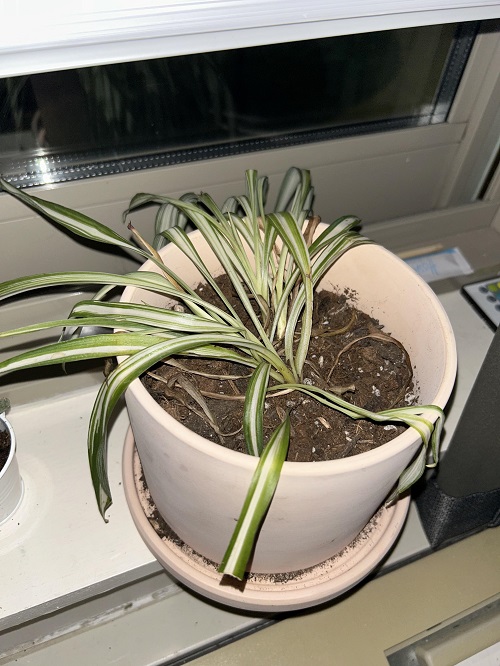
Spider plants can handle slightly dry soil better than constantly wet soil, but they still need regular watering. If the leaves look weak, droopy, pale, or have brown tips, check the soil. If it feels very dry, your plant may need water. Water it well and let the extra water drain out of the pot. Check the soil every few days so it does not dry out for too long. If your spider plant often lacks water, its growth may slow down or stop.
Want every houseplant in your home to thrive? This beginner-friendly guide is packed with practical tips you’ll actually use.