
As an Amazon Associate, we earn a small commission from qualifying purchases — at no extra cost to you.
Things Your Jade Plant Needs Before Winter Gets Colder
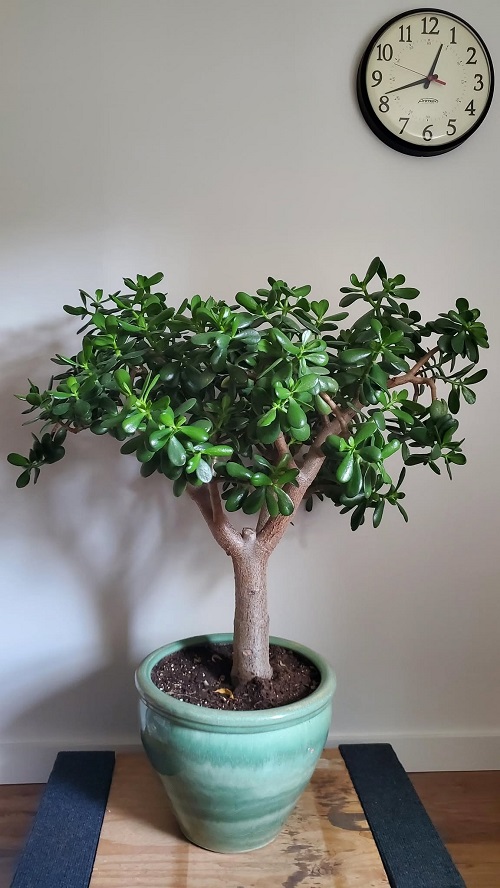
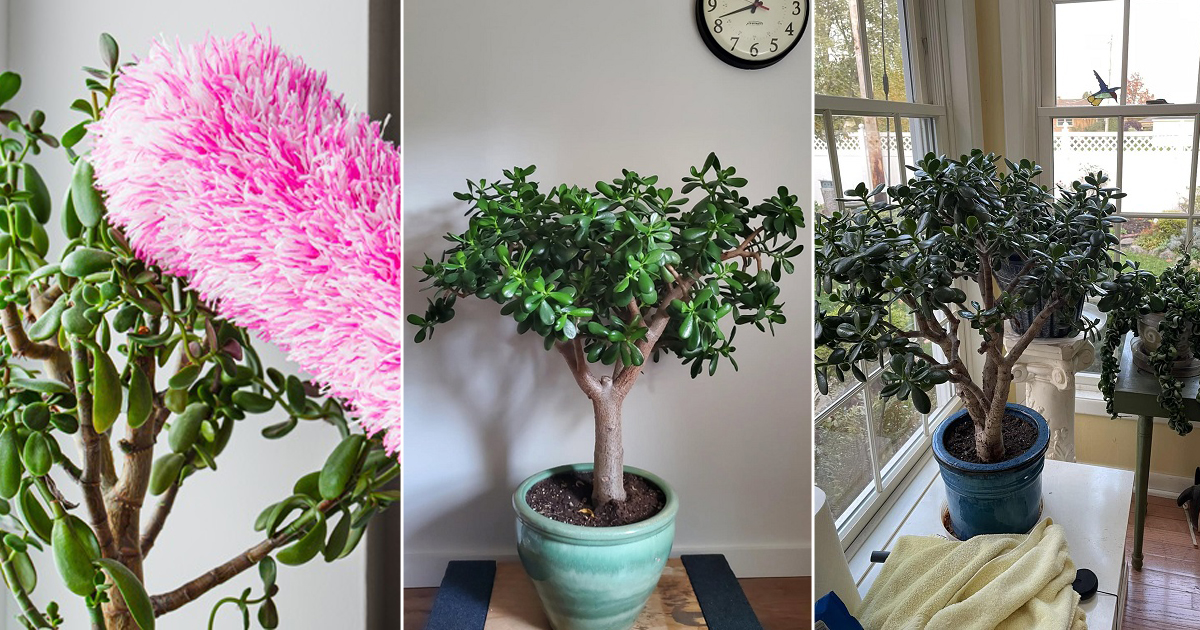
A healthy jade plant (Crassula ovata) can live for many years with the right care. Its thick stems and fleshy leaves make it a popular houseplant. However, winter brings changes that can affect its growth. Shorter days mean less sunlight, and indoor heating can make the air dry. Cold windows and chilly drafts can also put stress on the plant.
As temperatures drop, your jade plant needs a few changes to its usual care routine. It will not need as much water as it did during the warmer months. You should also check its position to make sure it gets enough light without sitting against a cold window. If you continue with your summer routine, you may notice falling leaves, soft stems, or stretched growth.
The good news is that a few simple steps can help your jade plant stay healthy throughout winter. From adjusting your watering schedule to choosing the right spot, these changes can protect its thick, green leaves and support healthy growth. Here are seven things your jade plant needs before winter gets colder.
Help Your Jade Plant Get Ready for Winter
Jade plants need a little extra attention as winter approaches. While you may turn on the heater and close the curtains to keep your home warm, your jade plant still needs plenty of natural light and good air circulation. It also prefers cooler nights and soil that dries between waterings. Moving the pot away from a window to make room for decorations or placing it too close to a heater can affect its growth.
Your local climate and USDA hardiness zone can also affect how you care for your jade plant. In colder regions (zones 3–6), dry indoor air and cold windows can cause problems. In warmer areas (zones 9–11), jade plants may grow outdoors, but you need to protect them from heavy rain and wet soil.
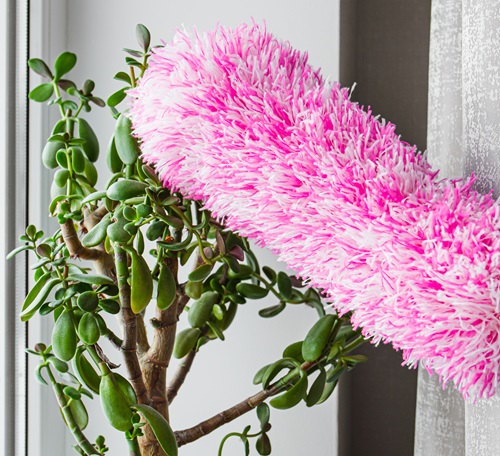
Before you begin your winter care routine, gently clean the leaves with a soft brush or cloth. Dust can block some of the available light, and clean leaves make it easier to spot pests such as mealybugs and scale insects. Also, check the drainage holes to make sure excess water can flow out freely. These small steps will help prepare your jade plant for the colder months.
Things Your Jade Plant Needs Before Winter Gets Colder
This post contains affiliate links. As an Amazon Associate, we earn from qualifying purchases, which support our website. You can check out our Amazon storefront here for all kinds of essentials you’ll need.
1. Cut Back on Watering
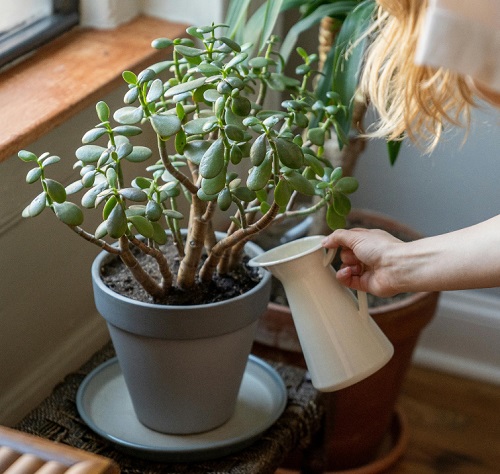
Reducing how often you water is one of the most important changes to make for your jade plant in winter. Shorter days and slower growth mean the roots use less water than they do in summer. If the soil stays wet for too long, the roots can develop rot, which may damage the plant.
Before watering, check the soil with your finger. Push it about 1–2 inches (2.5–5 cm) below the surface. You can also use a wooden chopstick to check deeper into the pot. If it comes out with damp soil or dark marks, wait a few more days before watering. Once the soil feels dry, water the plant thoroughly until excess water runs through the drainage holes. Remember to empty the saucer so the pot does not sit in water.
Keep the size and age of your jade plant in mind when checking the soil. Small plants in 4-inch (10 cm) pots usually dry out faster than large, mature plants in deeper containers. Also, watch the leaves for signs of underwatering. If they start looking thin, soft, or wrinkled, your jade plant may need water.
Not sure when your jade plant needs water? A soil moisture meter can help you check the moisture level below the surface and avoid watering too soon. Keep one handy to make your winter watering routine easier.
2. Move Your Jade Plant to a Brighter Spot
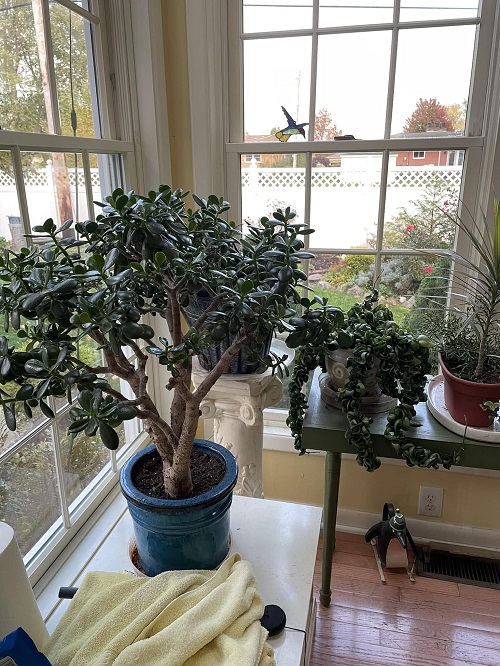
Jade plants may receive less sunlight in November because the days become shorter and the sun changes position. A spot that provided enough light during summer may become too dark in winter. These plants need at least 4–6 hours of bright, direct sunlight each day to maintain strong stems and healthy leaves.
Move your jade plant closer to a south-facing window or a bright west-facing window where it can receive more sunlight. Variegated varieties, such as Tricolor and Variegata, need extra attention because their leaves have less chlorophyll. Low light can affect their growth and cause them to lose their cream and pink coloring. Move the plant gradually over 3–4 days to help it adjust to the stronger sunlight.
Watch the new growth for signs that your jade plant needs more light. Pale leaves and long, thin stems with large gaps between the leaves often indicate insufficient sunlight. If your home does not get enough natural light during winter, use a full-spectrum LED grow light. Place it about 12–18 inches (30–45 cm) above the plant and keep it on for 10–12 hours daily.
Explore these full-spectrum LED grow lights on Amazon to give your indoor plants extra lighting support.
3. Stop or Reduce Fertilizing During Winter
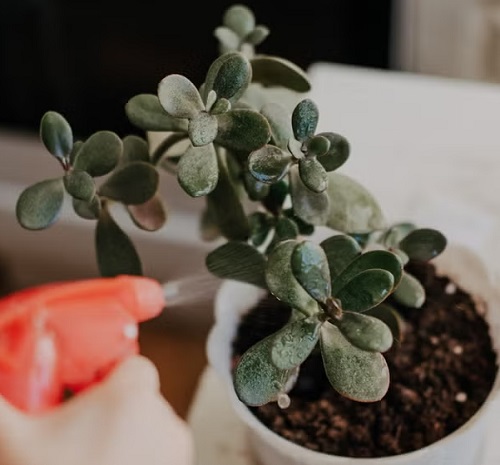
Jade plants grow much more slowly during winter because they receive less sunlight. For this reason, they do not need regular feeding during the colder months. It is best to stop fertilizing in November and wait until new growth appears in spring. Adding fertilizer when the plant is not actively growing can lead to weak, pale stems and leaves.
Extra fertilizer can also leave salt deposits in the soil. These salts may build up around the roots and cause damage, especially when the potting mix stays dry for long periods. This applies to different jade varieties, including the common green jade and Ripple Jade. If you fertilized your plant in October, there is no need to worry. Simply avoid giving it another dose during winter.
When spring arrives and you notice fresh leaves, you can start feeding again. Use a balanced liquid fertilizer made for succulents or houseplants. Dilute it to half the recommended strength and apply it once every 6–8 weeks during the active growing season.
Here is a multipurpose plant food that boosts your plant’s health with a single scoop.This organic neem oil can be used to effectively kill the pests on your plants.
4. Protect Your Jade Plant From Cold Drafts
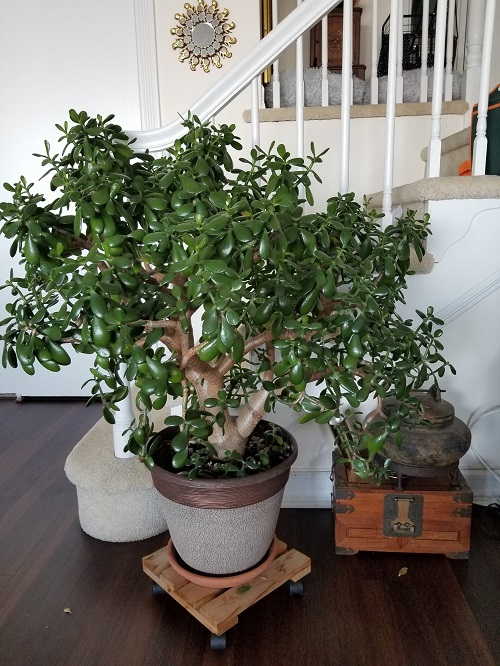
Jade plants do not handle frost or sudden temperature changes well. During winter, window glass can become very cold, even when the room feels warm. If the leaves touch a cold window, they may become damaged. Keep your jade plant at least 3–6 inches (8–15 cm) away from the glass. If the pot sits on a cold stone or marble windowsill, place a piece of cork or a folded cloth underneath it to protect the roots from the cold surface.
Choose a spot away from exterior doors, heaters, and radiators. Cold air entering through doors can stress the plant, while hot air from heaters can dry it out. Try to maintain daytime temperatures between 60–75°F (16–24°C) and nighttime temperatures around 50–55°F (10–13°C). Keeping the temperature steady will help your jade plant stay healthy and may also support winter flowering.
5. Check Your Jade Plant for Pests and Damage
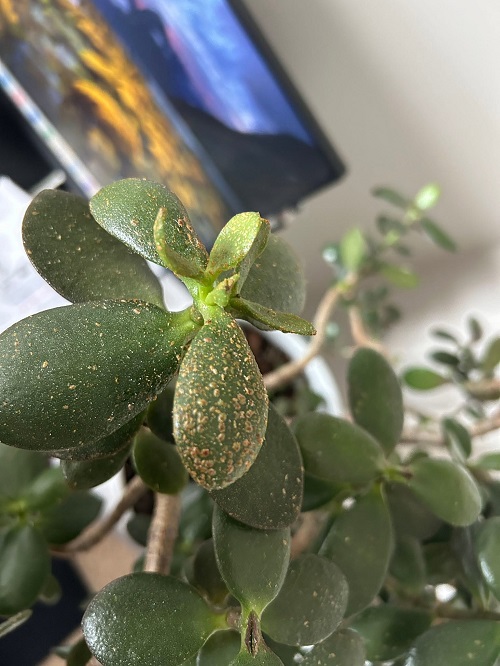
Indoor heating can make the air warm and dry during winter. These conditions can attract common houseplant pests, so check your jade plant regularly. Look under the leaves and around the points where leaves meet the stems. White, cotton-like patches may indicate mealybugs (Planococcus citri). Small, flat, brown bumps on the stems or leaves may be scale insects (Coccus hesperidum). Sticky leaves can also be a sign of pest activity.
If you find pests, move the affected plant away from your other houseplants. Dip a cotton swab in 70% isopropyl rubbing alcohol and gently dab each visible insect. The alcohol helps break down the protective coating around these pests. Check the plant again every week and repeat the treatment if needed. Keep it separate from other plants for a few weeks to prevent the pests from spreading.
Avoid using insecticidal soaps unless the product is specifically labelled as safe for jade plants, as some soap-based sprays can damage their leaves. While checking for pests, remove any yellow or damaged lower leaves. Losing a few older leaves after moving indoors is normal. However, if you notice dark, soft, or mushy stems, check for root or stem rot and address the problem quickly.
This organic neem oil can be used to effectively kill the pests on your plants.
What Not to Do with Jade Plants in Winter
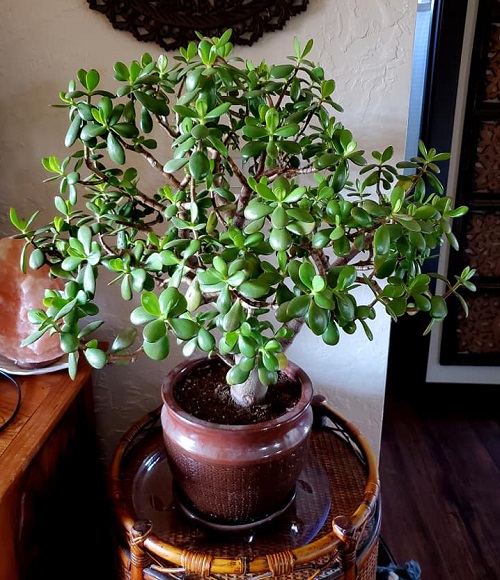
If your jade plant looks unhealthy in November, avoid making too many changes at once. You may feel tempted to repot it, trim its branches, or change its soil. However, winter is not the best time for these tasks. Jade plants grow slowly during this season, so their roots take longer to recover from repotting. Large pruning cuts may also take months to produce new growth.
Wait until spring to repot or shape your jade plant. When you do repot it, use a well-draining cactus or succulent mix. The main reason to repot during winter is a serious problem such as root rot. If the stems become soft or the soil develops a bad smell, check the roots immediately. Remove the plant from its pot and cut away any brown, mushy roots and damaged stem parts using clean, sterilized scissors. Let the cut areas dry for a few days before placing the plant in fresh, dry cactus mix. Wait about a week before watering again.
Also, avoid giving your jade plant extra water just because it looks unhealthy. Too much moisture can make root rot worse, especially when growth slows during winter.
Winter jade plant care is mostly about making a few careful changes rather than doing more work. Water less often, provide enough sunlight, keep the plant away from cold drafts, stop regular feeding, and check for pests. These simple steps can help your jade plant stay healthy until spring. With suitable growing conditions and proper care, a mature jade plant may even produce small, star-shaped flowers during winter.
Want every houseplant in your home to thrive? This beginner-friendly guide is packed with practical tips you’ll actually use.