
As an Amazon Associate, we earn a small commission from qualifying purchases — at no extra cost to you.
Get your orchid ready for winter flowers! Learn simple November care tips for healthy roots, strong flower spikes, and beautiful blooms.
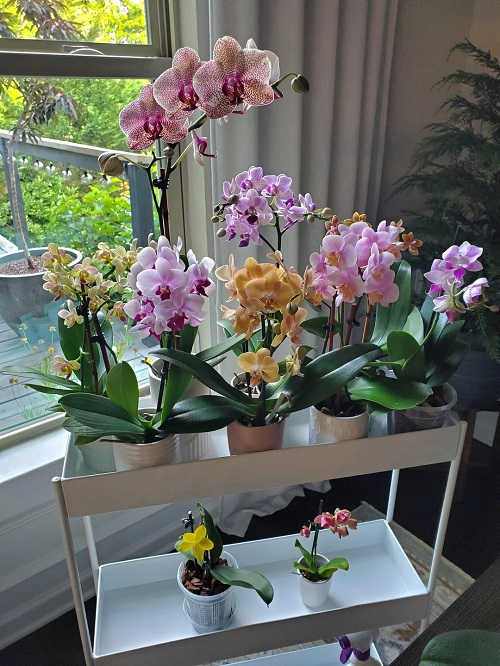
In early November, you may notice new growth on your moth orchid (Phalaenopsis). A small green shoot could be a new root or the beginning of a flower spike. This is a good time to Prepare Your Orchid for Winter Blooms in November and adjust its care.
As the days get shorter, your orchid receives less natural light. Indoor heating also makes the air drier, while the potting bark takes longer to dry after watering. If the roots stay wet for too long, they may start to rot. You may also notice flower buds turning yellow and falling before they open.
You don’t need to make big changes to keep your orchid healthy. Move it closer to a bright window, check the potting mix before watering, and keep it away from cold drafts. These small steps can help your orchid develop healthy flower spikes and produce blooms during winter or early spring.
How to Prepare Your Orchid for Winter Blooms in November
Give Your Orchid Enough Light
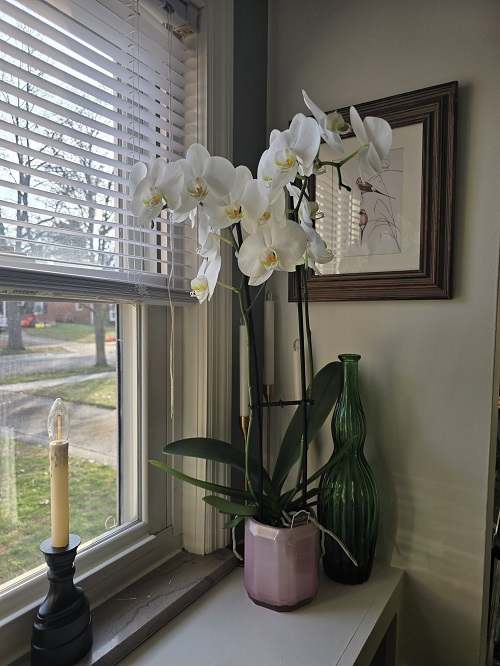
A spot that worked well for your moth orchid in summer may not provide enough light in November. As the days get shorter, your plant receives fewer hours of sunlight. Poor lighting can stop a mature orchid from producing flower spikes. It may also cause flower buds to drop before they open.
Place your orchid near an east-facing window where it can receive gentle morning sunlight. A south- or west-facing window can also work. However, use a sheer curtain to filter strong afternoon sunlight. Too much direct sun can heat the leaves and damage developing buds.
Keep an eye on the temperature near the window, too. During cold nights, the glass can become very chilly. Leaves touching the window may suffer cold damage. Leave a little space between the plant and the glass to protect it.
If your home doesn’t have a bright enough window, you can use a grow light to provide extra lighting.
Adjust Watering as Your Orchid Grows More Slowly
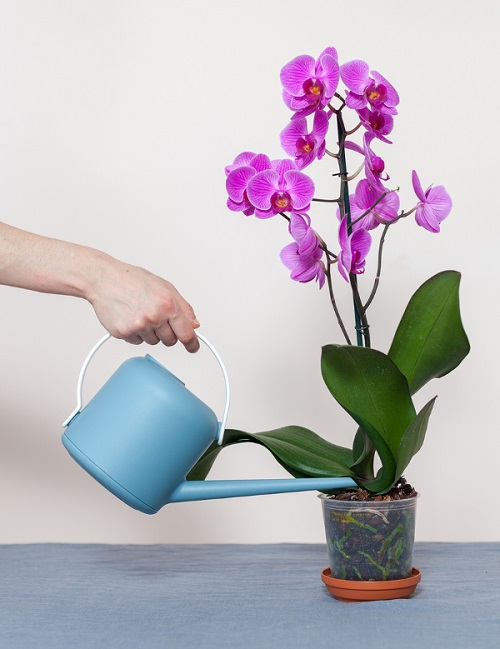
During summer, orchid bark dries quickly because of the warmer temperatures and longer days. In November, cooler rooms and less sunlight can make the bark stay wet for several days longer. If you continue watering on the same schedule, your orchid may develop root problems.
So, how can you tell when your orchid needs water? Check the roots first. Healthy roots that need water usually look silvery or white. Green roots still have enough moisture. You can also lift the pot. If it feels light, the potting mix may be dry.
Clear plastic orchid pots make it easier to check the roots without disturbing the plant.
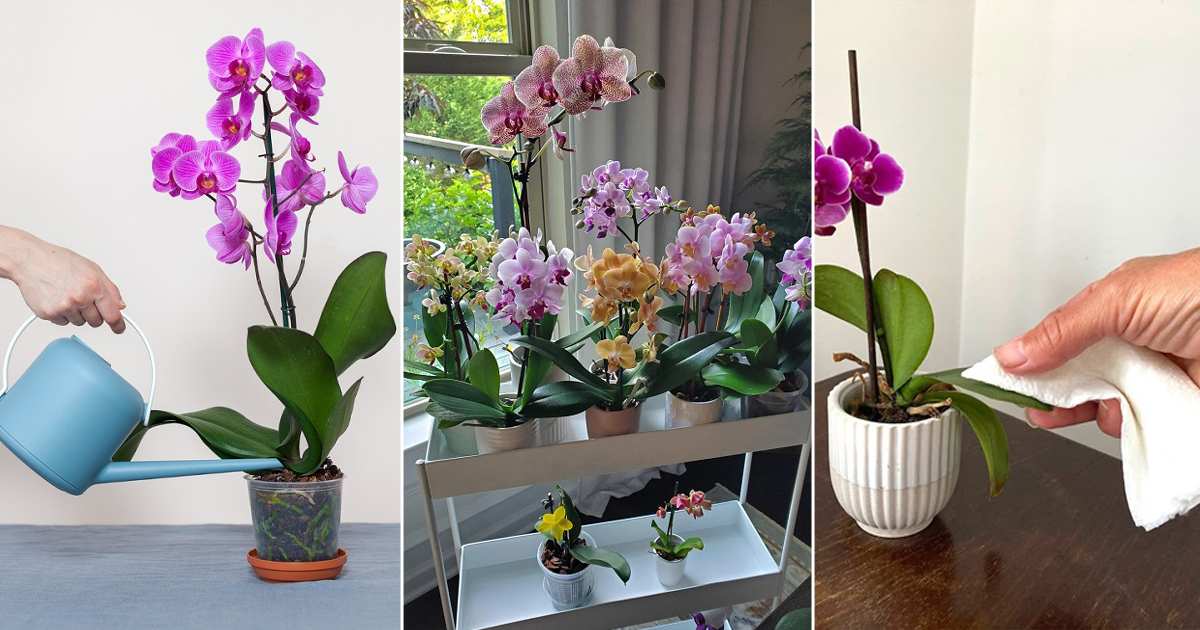
When your orchid needs water, soak the bark thoroughly. Take the pot to the sink and pour room-temperature water over the mix until it drains through the bottom holes. Allow all the extra water to drain before placing the pot back. If water collects between the leaves, gently remove it to prevent rot.
Don’t water your orchid just because a certain number of days have passed. Check the roots and bark before each watering. However, don’t leave the plant without water for too long. Moth orchids continue growing throughout the year and don’t have a winter dormancy period. Their roots can dry out and shrivel if they remain without moisture for several weeks.
Reduce Fertilizer, but Don’t Stop Feeding Completely

Your moth orchid usually grows more slowly in November, so it may not need as much fertilizer as it did during summer. The amount you use depends on the plant’s growing conditions. An orchid kept in a warm room under a grow light may continue producing new roots and leaves. One placed on a cool windowsill may show very little growth.
Remember that not all orchids need the same winter care. Some varieties need a cooler, drier rest during this season. Check the needs of your orchid before changing its feeding routine.
However, stopping fertilizer completely isn’t always a good idea. Moth orchids can continue growing flower spikes and opening buds during winter. They still need nutrients to support this growth. Use a diluted, balanced orchid fertilizer and follow the mixing instructions on the label.
You don’t need a special bloom booster to get more flowers. A balanced orchid fertilizer provides the nutrients your moth orchid needs. High-phosphorus products are not necessarily better for flower production.
Watch for New Flower Spikes
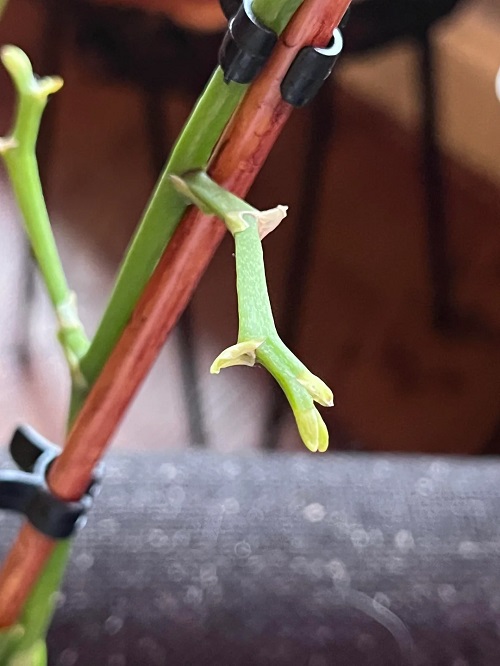
Cooler temperatures in fall encourage moth orchids to produce new flower spikes. Shorter days may also play a small role. By November, you may start seeing new growth on your orchid. However, it can be difficult to tell a flower spike from a new aerial root at first.
Look closely at the shape of the new growth. An aerial root usually has a pointed tip and a thick, spongy outer layer. This layer looks silver when dry and turns green after watering. A flower spike has a different shape. It stays green and has a rounded tip that looks a little like a mitten.
Don’t rush to guide a new flower spike as soon as it appears. Let it grow a few inches before attaching it to a support. Place a stake carefully into the potting bark near the base of the spike. Keep it slightly away from the roots to avoid damaging them. Use loose clips to attach the spike to the stake. Add more clips as it grows taller.
A flexible stake with clips can help you guide the spike without putting too much pressure on it. Keep in mind that your orchid may need a few months to produce flowers. Once the buds begin to develop, avoid turning the pot. The buds adjust their growth toward the available light, and moving the plant repeatedly can affect their position.
Protect Developing Buds from Dry Air, Drafts, and Pests
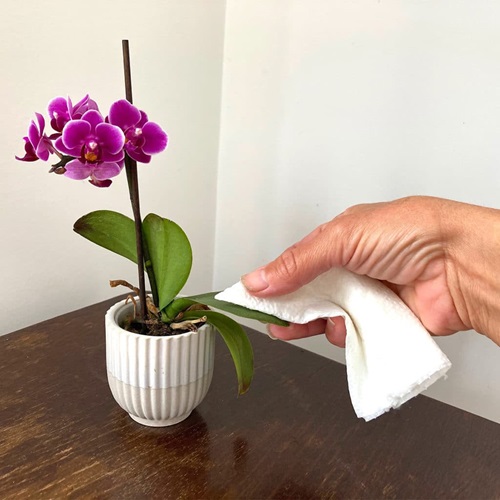
When orchid buds turn yellow and fall before opening, growers call this problem bud blast. It can happen more often during the heating season because indoor conditions change. Dry air from heaters, radiators placed too close to the plant, and cold air entering through open doors can all damage developing buds. Irregular watering can also cause problems, especially when the bark stays too wet and then becomes completely dry.
Keep your orchid away from heating vents and cold drafts. Also, avoid placing it near a fruit bowl. Ripening fruits release ethylene gas, which can cause orchid buds to drop before they open.
November is also a good time to check your orchid for pests. Look closely at the flower spike and the areas where the leaves meet the stem. Mealybugs often appear as small white patches that look like cotton. Two common types are long-tailed mealybugs (Pseudococcus longispinus) and citrus mealybugs (Planococcus citri).
You may also find Boisduval scale (Diaspis boisduvalii) on the leaves. These insects look like tiny, flat bumps and can be difficult to spot. Both mealybugs and scale insects feed on the plant and can spread to other nearby orchids.
Remove visible pests with a cotton swab dipped in rubbing alcohol. Check the plant again over the next few days. If the insects return, use an insecticidal soap or horticultural oil that is safe for orchids. Follow the product label before applying it.
Use Cooler Nights to Help Your Orchid Bloom
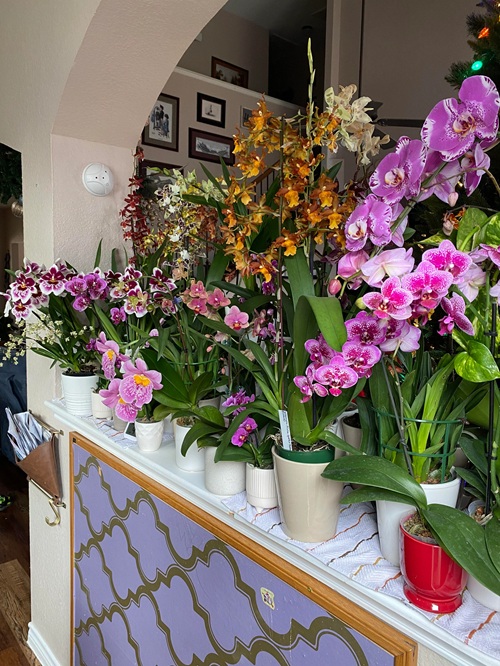
If your moth orchid stays in a warm room day and night, it may continue growing leaves without producing flower spikes. A small drop in night temperature during fall can help encourage flowering. Try to keep nighttime temperatures around 60–65°F (16–18°C) for a few weeks. This change can signal the plant to start developing a flower spike.
Daytime temperatures also matter. Keep your orchid away from heating vents that blow hot air directly onto the leaves. Temperatures above 80°F (27°C) for long periods may delay flower spike growth.
However, don’t let the plant get too cold. Keep temperatures above 55°F (13°C) and avoid placing your orchid near drafty windows or doors. Sudden temperature changes can stress the plant.
Once flower buds appear, focus on keeping the temperature steady. Cold air from an open door or hot air from a heater can damage the buds. You may notice them turning yellow and dropping before they have a chance to open.
What Not to Do with Orchids in November
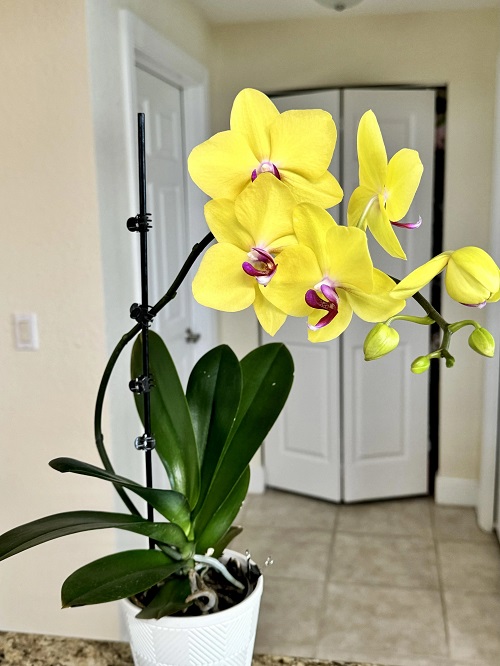
Avoid repotting your orchid in November unless there is a serious problem with the potting mix or roots. Orchids usually handle repotting better when new roots start growing, which often happens after flowering. Moving the plant while a flower spike is developing can disturb its growth and delay blooming.
However, don’t wait if the bark has broken down and become soft or mushy, or if the roots look brown and feel soft. These are signs of root problems, and your orchid may need fresh potting mix even if it has a flower spike.
Also, don’t cut off a healthy green flower spike just because it has no buds yet. It may still produce flowers, so give it time. During cold nights, keep the leaves away from window glass to prevent cold damage.
Pay attention to the crown, too. This is the center of the orchid where new leaves grow. Avoid letting water collect in this area, as it can cause crown rot. If the rot damages the growing point, the orchid may no longer be able to produce new leaves from the center.