
As an Amazon Associate, we earn a small commission from qualifying purchases — at no extra cost to you.
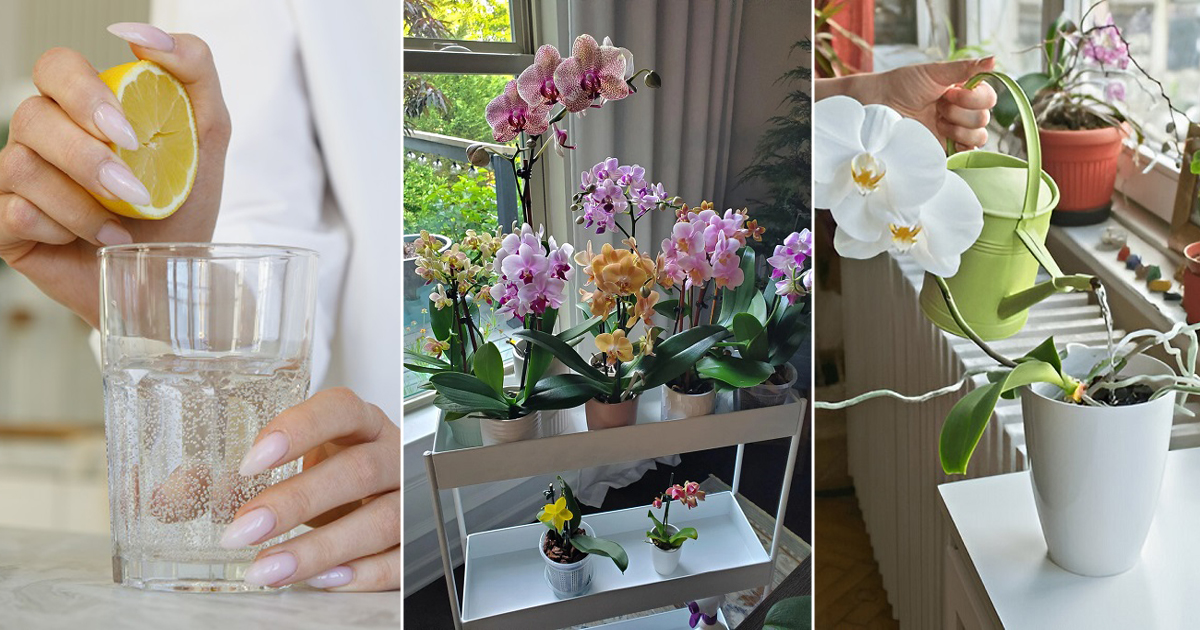
Learn simple ways to use lemon juice for healthier orchids, from leaf care to better growth. Try these easy tips at home.

A little lemon juice can be useful around your orchids, but it is not a miracle treatment. Lemon juice contains citric acid, which gives it some practical uses when dealing with mineral deposits and overly alkaline water.
The important part is knowing where lemon juice can help and where it can hurt Orchids have sensitive roots and leaves, so concentrated lemon juice or frequent applications can cause more problems than they solve.
Here are some simple ways you can use lemon juice around your orchids without turning it into an unnecessary routine.
Ways to Use Lemon Juice for Healthier Orchids
Get a complete indoor plant-care kit and keep the essential tools together for watering, pruning, potting, and everyday plant care. Also, you can get all the necessary items for gardening at our Amazon Storefront.
1. Clean Mineral Spots From Orchid Leaves
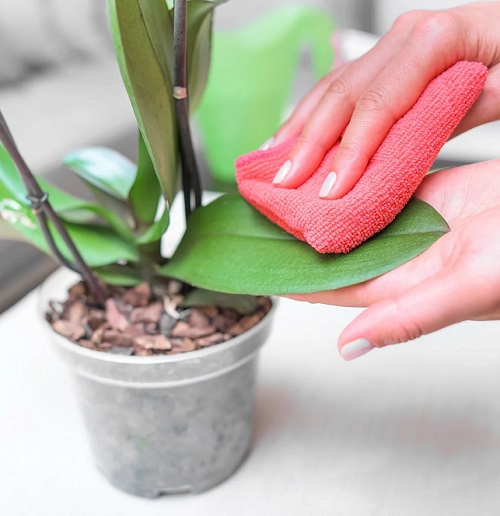
Orchid leaves can develop white or dull-looking marks when you water with mineral-rich tap water. Dust can also collect on the broad leaves and make the plant look less healthy.
For light mineral residue, a very diluted lemon-water solution can help loosen the buildup. Dampen a soft cloth with the solution and gently wipe the leaves.
Don’t scrub the leaves or leave the mixture sitting on them. Afterward, wipe them again with plain water.
Keep the liquid away from the crown, especially on Phalaenopsis orchids. Water that collects in the crown can encourage rot.
See the latest humidifiers on Amazon and choose a size that fits your growing space.
2. Remove Mineral Buildup From Orchid Pots
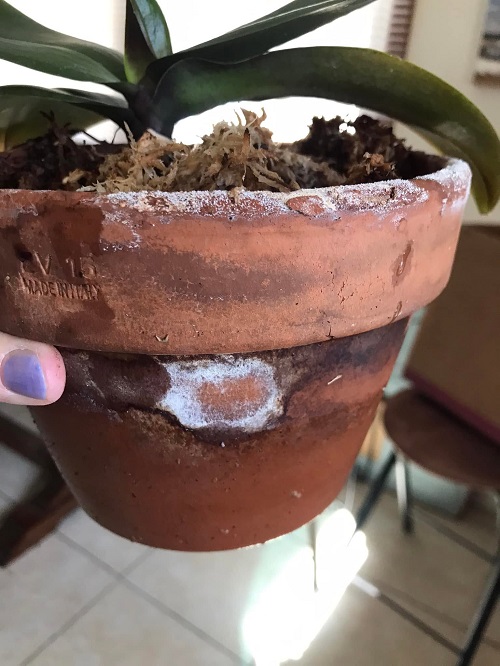
This is one of the more practical uses for lemon juice.
If your orchid pot has a crusty white layer around the rim or outside, minerals from water and fertilizer may be responsible. The mild acidity of lemon juice can help loosen these deposits.
Mix a small amount of lemon juice with plenty of water and use a cloth or soft brush to clean the affected area. Rinse the pot well afterward.
If you are cleaning a pot before repotting an orchid, rinse it thoroughly so no acidic residue remains around the roots.
3. Help Lower the pH of Alkaline Water
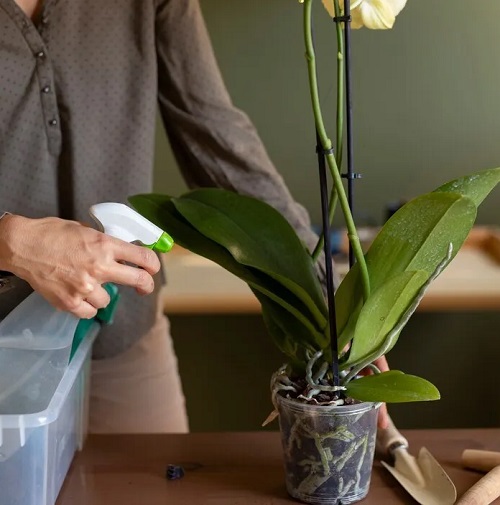
Orchids generally grow well in a slightly acidic root environment, although the ideal pH depends on the orchid, water source, and growing medium.
Because lemon juice is acidic, it can lower the pH of water. This is sometimes useful if you have tested your water and found that it is too alkaline.
But don’t add lemon juice to every watering simply because orchids like slightly acidic conditions.
Your tap water may already be suitable. Adding acid without knowing the starting pH can push the water too far in the other direction.
If you have hard or alkaline water, test it first. That gives you a much better idea of whether pH adjustment is actually necessary.
Not sure whether your watering water is actually alkaline? A digital pH meter lets you check before making changes.
4. Use Lemon Carefully for Leaf Cleaning
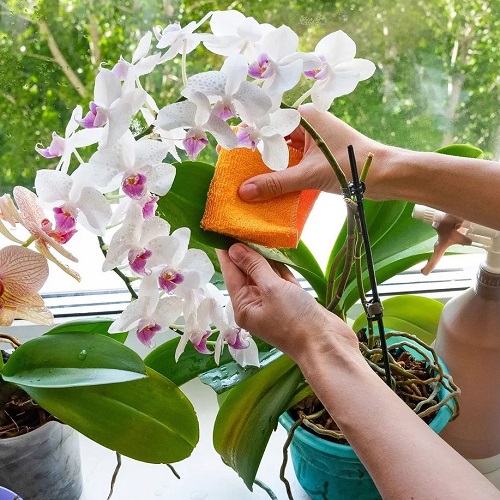
Sometimes an orchid leaf simply needs a good clean.
Dust blocks some of the light reaching the leaf surface and can make the plant look dull. Usually, plain water is enough for routine cleaning.
If you are dealing with stubborn residue, diluted lemon water can be used sparingly on a soft cloth. Wipe the leaf gently rather than spraying the entire plant.
Try the solution on one small area first. If the leaf develops spotting or discoloration, stop using it.
Avoid cleaning orchid leaves while they are sitting in strong direct sunlight.
5. Clean the Outside of a Decorative Orchid Container
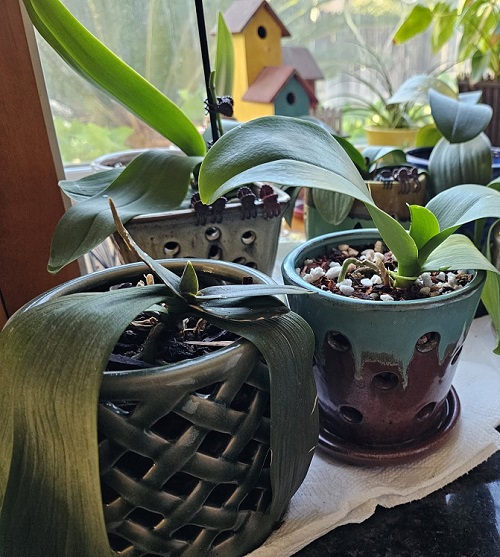
Orchids are often grown in clear plastic pots placed inside decorative containers. Water and fertilizer salts can leave marks on the outer container over time.
A diluted lemon solution can help loosen these deposits. Remove the orchid and inner pot before cleaning whenever possible.
After cleaning, rinse the container well and allow it to dry before putting the orchid back.
This keeps the lemon solution away from the roots while still making use of its mild acidity.
6. Promote Growth Rate
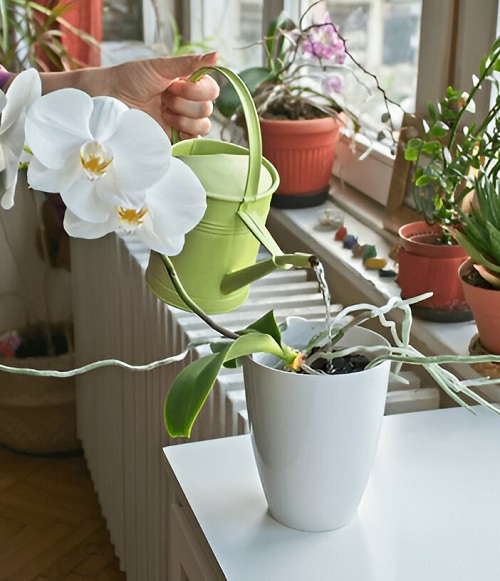
According to a study from the Institute of Vegetables and Flowers in China, lemon juice may support cell growth in plants. It may also help certain enzymes work better and improve the movement of nutrients throughout the plant.
To try this method, mix 2–3 ml of lemon juice with 1 liter of water. Use the diluted mixture to water your orchid during its active growing period.
7. Lemon Juice Is Not a Substitute for Orchid Fertilizer
This is an important point if your main goal is healthier growth.
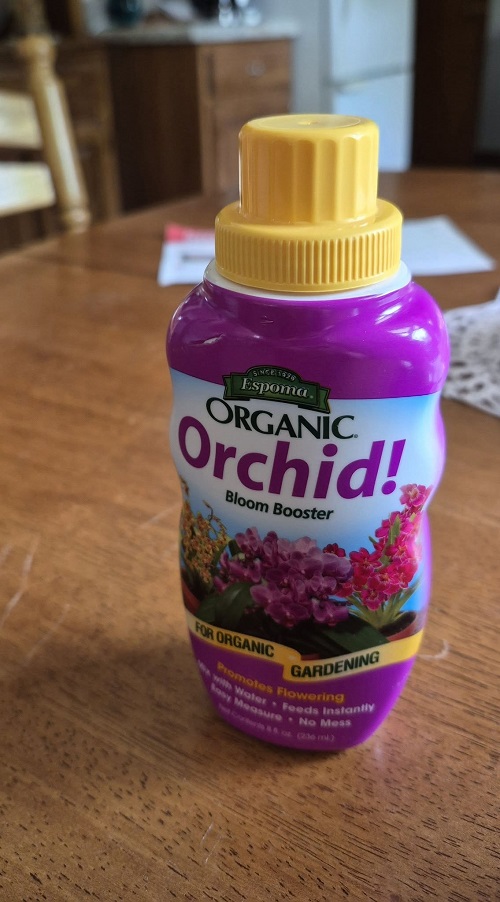
Lemon juice does not provide orchids with the balanced nutrients they need. It should not replace an orchid fertilizer.
Your plant needs nutrients for producing new roots, leaves, flower spikes, and flowers. Use a fertilizer formulated for orchids and follow the directions on the label.
If your orchid is looking weak or refusing to flower, adding more lemon juice is unlikely to solve the problem. Check its light, watering, roots, potting medium, and feeding routine instead.
Give Your Orchid the Nutrients It Actually Needs. Grab this Orchid food before it goes out of stock.
8. Don’t Use Lemon Juice Directly on Orchid Roots
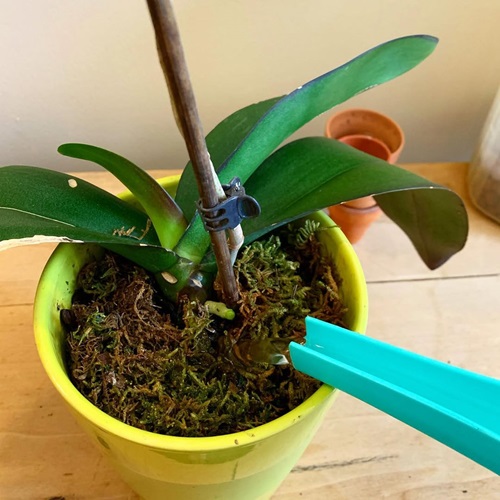
Avoid pouring undiluted lemon juice into an orchid pot.
Orchid roots are sensitive, and concentrated acidic solutions can damage root tissue. The growing medium also creates a small root environment, so repeatedly changing its chemistry can cause unnecessary stress.
The same applies to lemon juice used as a regular watering additive without testing your water first.
If you are trying to correct a water-pH problem, measure the water and make controlled adjustments rather than guessing.
If you’re repotting an orchid, choose a pot that gives the roots plenty of drainage and airflow. Browse clear slotted orchid pots that fits your plant.
Can Lemon Juice Make Orchids Bloom More?
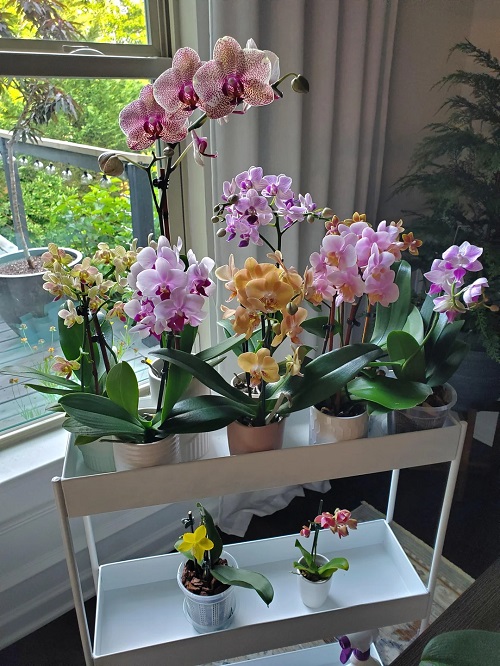
You may have seen lemon juice described as a natural orchid bloom booster. There isn’t good evidence that lemon juice itself makes an orchid produce more flowers.
If your orchid isn’t blooming, look at its growing conditions first.
Give it enough bright, indirect light. Water when the plant needs it and let excess water drain completely. Use an appropriate orchid fertilizer, and make sure the roots have enough air around them.
Temperature can matter too. Many Phalaenopsis orchids respond to a modest difference between daytime and nighttime temperatures when they are ready to produce a flower spike.
These factors have a much bigger influence on flowering than lemon juice.
This SANSI grow light gives you adjustable brightness and timed operation for a more consistent indoor lighting routine.
Can Lemon Juice Kill Orchid Pests?
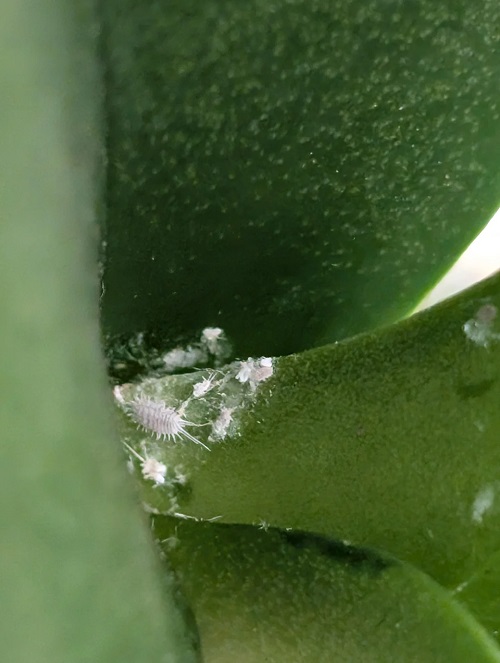
You may also come across recipes that recommend lemon juice as a natural insect spray. I would not rely on it for a pest infestation.
Orchids can develop problems with pests such as mealybugs, scale, aphids, and mites. A treatment designed for the particular pest is a better choice.
If you still want to test a homemade lemon solution on the foliage, be very cautious. Acidic mixtures can burn or mark orchid leaves, particularly when they are too concentrated or applied in bright light.
Always test a small area before treating the whole plant.
Check out orchid-safe pest control options on Amazon to help protect your plants from common infestations.
How Often Should You Use Lemon Juice on Orchids?
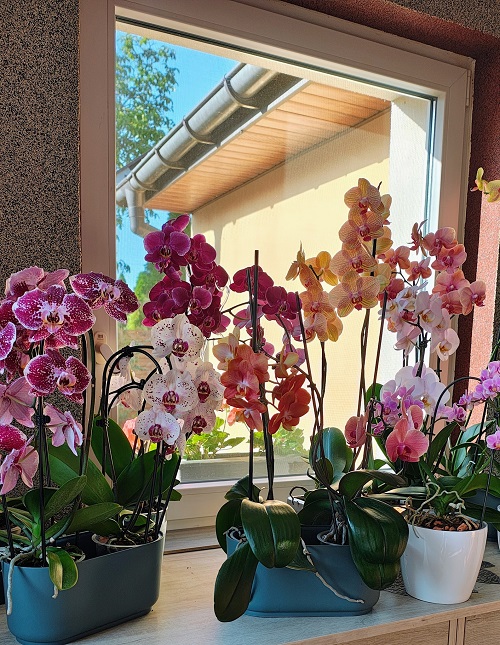
You don’t need to make lemon juice part of your regular orchid-care schedule.
Use it only when there is a specific reason, such as cleaning mineral residue or carefully adjusting the pH of unsuitable water after testing it.
For everyday orchid care, plain water, good drainage, suitable light, appropriate fertilizer, and a fresh, well-draining orchid medium are far more important.
A Few Mistakes to Avoid
- The biggest mistake is assuming that because lemon juice is natural, it is automatically safe for orchids.
- Don’t use concentrated lemon juice on leaves or roots. Don’t pour it into the pot as a fertilizer. Don’t spray it repeatedly to prevent pests or disease. And don’t change the pH of your watering water without knowing its starting pH.
- More lemon does not mean a healthier orchid.
The Bottom Line
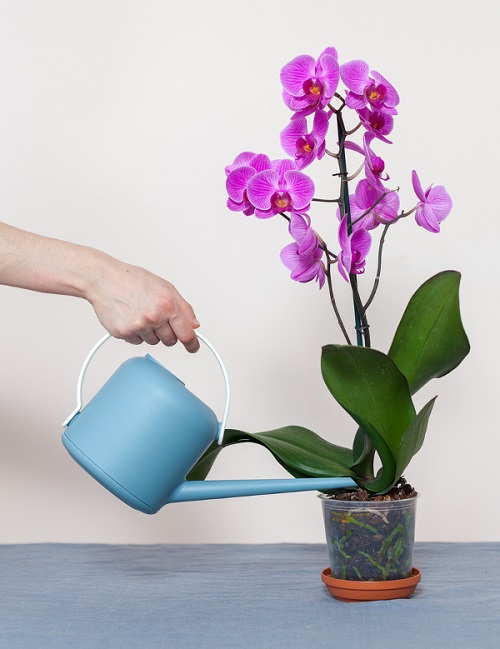
Lemon juice has a few useful jobs around orchids, particularly when you need to deal with mineral residue or carefully adjust overly alkaline water.
It can also be used in a diluted form for occasional cleaning, but you should always use caution around orchid leaves and roots.
For a truly healthy orchid, focus on the basics first: bright indirect light, careful watering, good drainage, healthy roots, suitable fertilizer, and the right temperature. Lemon juice can be an occasional helper, but it should never replace good orchid care.
Want to Get Better at Orchid Care? Pick up Growing Orchids at Home for practical guidance on keeping orchids healthy, understanding their needs, and encouraging them to flower.