
As an Amazon Associate, we earn a small commission from qualifying purchases — at no extra cost to you.
Make garden work easier with these Gardening Gadgets Worth Buying. Find useful tools that save time and help you care for your plants.
Keeping up with garden work can take time, especially when you have several plants to look after. A few useful tools can make everyday jobs easier. Some help you check the soil, while others save time when watering, pruning or removing weeds. Here are gardening gadgets worth considering before you buy anything for your garden.
Gardening Gadgets Worth Buying
1. A Complete Gardening Tool Set
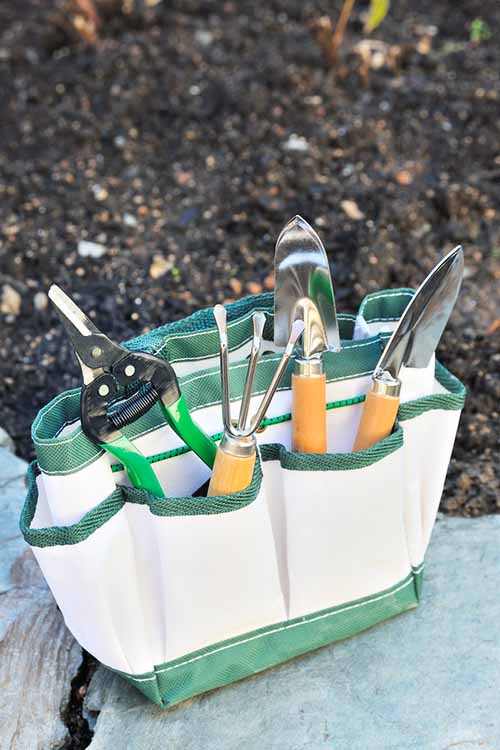
If you grow plants in pots, grow bags or garden beds, a basic tool set can cover many everyday jobs. Most sets include a hand trowel, small spade, cultivator and weeder. You can use them to fill pots, move seedlings, loosen soil and remove weeds.
Each tool has a different use. A hand trowel helps you add potting mix or move a small plant. A cultivator breaks up compacted soil, while a weeder helps you reach unwanted growth around other plants.
Don’t choose a set just because it contains many pieces. Check the metal heads and handles before buying. Stainless steel tools resist rust, but you should still clean and dry them after gardening. Also, make sure the handles feel comfortable in your hands. Thin metal heads can bend when you use them on hard soil.
A small set with a few sturdy tools is often enough for regular garden work.
2. Digital Soil Moisture Meter
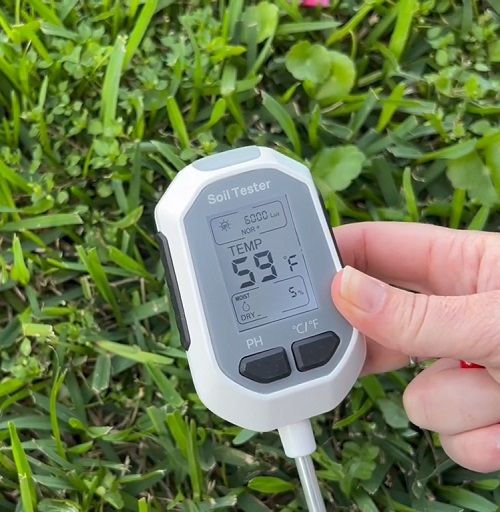
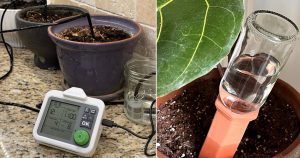
You cannot always tell when a plant needs water by looking at the soil surface. The top may feel dry while the soil around the roots still holds moisture. A digital soil moisture meter lets you check deeper into the pot before watering.
Push the probe into the soil and read the display. If you have a large pot, check two or three spots. One side may be wetter than the other, particularly if the pot has a dense root system.
Look for a model with an easy-to-read display and a probe long enough for your pots. Don’t force the probe into hard soil or stones, as this may damage it. Clean it after use and follow the manufacturer’s instructions.
Use the reading as a guide rather than relying on it completely. Check the soil with your finger and watch how your plants respond. These checks will give you a better idea of when to water.
This meter can be useful when you grow plants with different watering needs. Snake plants need the soil to dry between waterings, while ferns prefer more regular moisture. Checking the soil can help you avoid giving every plant water on the same schedule.
3. Bypass Pruning Shears
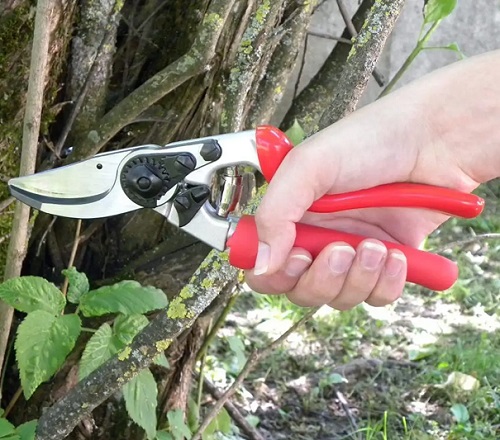
A pair of pruning shears is useful for regular garden maintenance. You can use them to cut dry stems, remove damaged growth and trim small branches.
Check the blades before choosing a pair. Stainless steel resists rust, while carbon steel can hold a sharp edge well. Comfortable handles and a safety lock are also worth looking for. The spring should open the blades smoothly without making your hand work too hard.
Keep the blades sharp and clean them after pruning. If you move from one plant to another, cleaning the shears helps reduce the risk of spreading plant diseases.
For most live stems, bypass pruners are a good choice. They have two blades that pass each other, much like a pair of scissors. This design makes a clean cut. pruners work differently. One blade presses against a flat surface, so they are better suited to dead or dry wood.
4. Automatic Drip Irrigation Kit
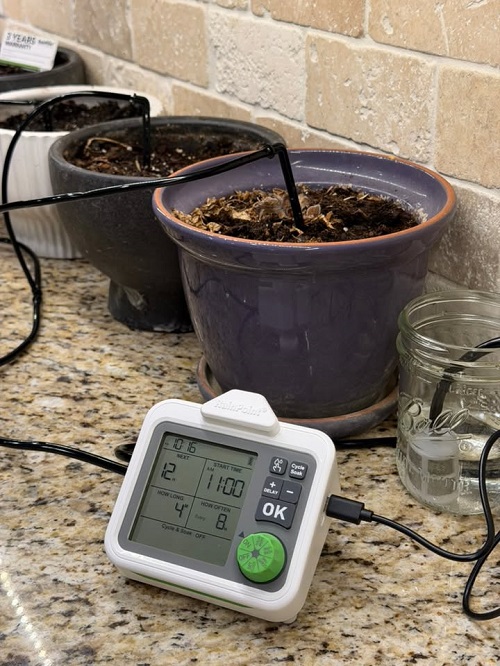
Most kits come with thin tubes, connectors and small drip outlets. You connect the tubing to a water source and place an outlet near each plant. Some kits also include a timer, so you can set when the water should flow.
The system sends water close to the roots instead of spraying the whole plant. This helps reduce water waste and keeps the leaves drier. Many kits let you adjust the outlets, which is useful when different plants need different amounts of water.
Before ordering, check how many outlets the kit includes and how much tubing you get. Measure the distance between your water source and the plants. You may need extra connectors or tubing if you have many pots.
Once you set up the system, check the soil regularly. Don’t assume that every plant needs water just because the timer is running. Change the schedule when temperatures drop or rainfall increases.
Watering a large collection of pots by hand can take quite a while. A drip irrigation kit can make this job easier, particularly if you have plants spread across a balcony, terrace or garden.
5. Pressure Garden Sprayer
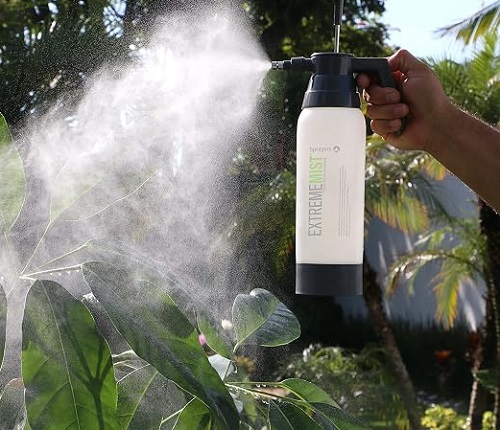
A pressure garden sprayer helps you apply water and suitable plant-care solutions without using a small spray bottle again and again. It can also help when you need to reach several plants in a larger garden.
Most manual sprayers have a tank, pump, trigger and adjustable nozzle. You fill the tank, pump the handle to build pressure and spray through the nozzle. Larger models hold more liquid, but they can feel heavy when full.
For a few balcony plants, a one- or two-litre sprayer may be enough. If you have many outdoor plants, a larger tank can save you from refilling it so often.
Check the handle and trigger before buying. The nozzle should let you adjust the spray, and the tank should be easy to fill and clean. Also, read the manufacturer’s instructions to make sure the sprayer suits the solutions you plan to use.
Never mix different garden chemicals in the tank unless their labels say it is safe. Empty and rinse the sprayer after each use.
Make watering and plant care easier with a pressure garden sprayer. Check out this adjustable pressure sprayer for convenient application and better coverage across your garden.
6. Expandable Garden Hose With Spray Nozzle
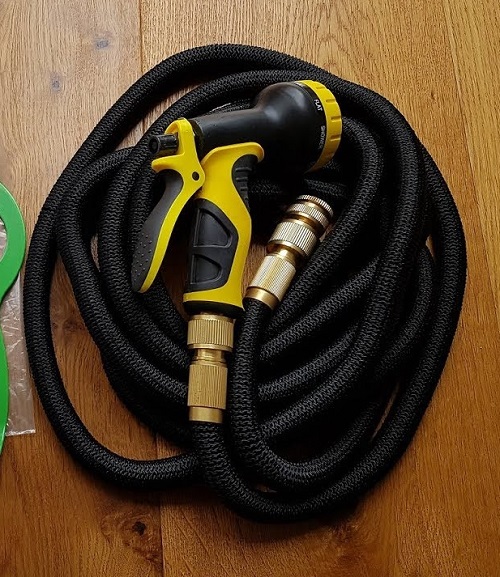
A heavy garden hose can be difficult to move around, especially when you need to water plants at different ends of your garden. An expandable hose is lighter and easier to store than many standard hoses.
It stretches when water passes through it and becomes shorter again after you turn off the tap. Many models also come with a spray nozzle. You can adjust the setting to give delicate plants a gentle spray or use a stronger stream to clean paths and garden tools.
Check the hose length and connector size before placing an order. Keep in mind that the advertised length usually refers to the hose when it expands under water pressure. Make sure it can reach the farthest part of your garden.
These hoses need a little care. Avoid leaving one in direct sunlight for long periods, and don’t drag it over sharp stones or rough edges. Drain the water after use and store it in a shaded spot.
Check out this heavy garden hose from Amazon and make watering more convenient.
7. Heavy-Duty Gardening Gloves
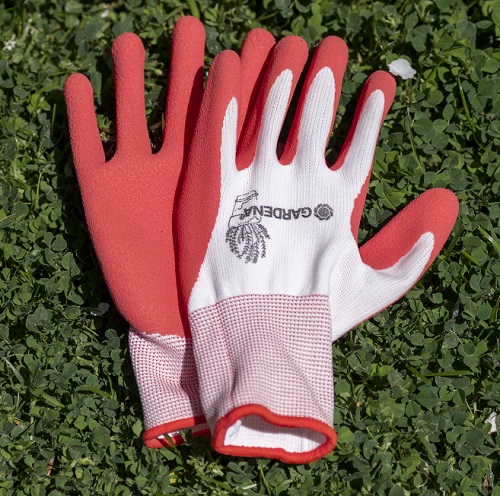
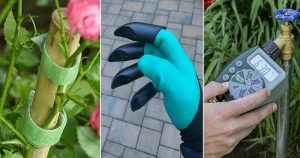
Gardening gloves are useful when you handle rough soil, thorny stems or garden tools. They protect your hands from scratches and make some jobs more comfortable.
The right pair depends on the work you do. Lightweight fabric gloves are suitable for repotting and handling small plants. Rubber-coated gloves give you a better grip when you work with wet soil. If you prune roses or handle thorny plants, choose a longer pair that covers your wrists and lower arms.
Pay attention to the fit. Loose gloves can slip when you hold small tools, while tight ones make it harder to move your fingers. Look for flexible material around the fingers and a wrist opening that stays in place.
Wash reusable gloves when they get dirty and let them dry fully before putting them away. Storing damp gloves can lead to unpleasant smells and moisture buildup.
Protect your hands while digging, pruning, and handling rough soil with a pair of heavy-duty gardening gloves. Check out these durable gardening gloves for better grip and hand protection during outdoor tasks.
8. Soil pH Testing Kit
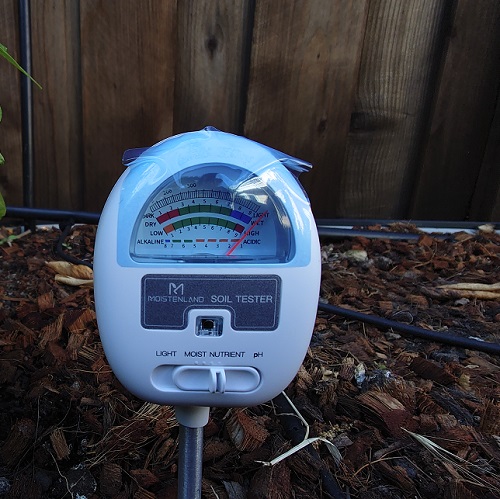
The pH of your soil affects how well plants absorb nutrients. Some plants grow best in slightly acidic soil, while others prefer neutral or alkaline conditions. If the pH does not suit a plant, it may develop nutrient-related problems even when you fertilize it.
A soil pH testing kit helps you find out if your soil is acidic, neutral or alkaline. It can be useful when growing vegetables, flowering plants and other varieties with specific soil needs.
You can choose between colour-based kits and digital testers. With a colour-based kit, you usually mix a soil sample with a testing solution and compare the result with a chart. Digital testers show a reading on a screen, but some models need calibration to give reliable results.
If you have several garden beds or large containers, test soil from different areas. A single sample may not give you an accurate picture of the whole garden.
Don’t add lime or other soil treatments just because the reading looks unusual. First, check the preferred pH range of the plants you grow. Then follow suitable instructions before making changes to the soil.
Not sure whether your garden soil has the right pH for your plants? A soil testing kit makes it easier to check soil acidity and understand what adjustments may be needed. Check out this soil pH testing kit to keep track of your garden soil.
9. Garden Kneeler and Seat
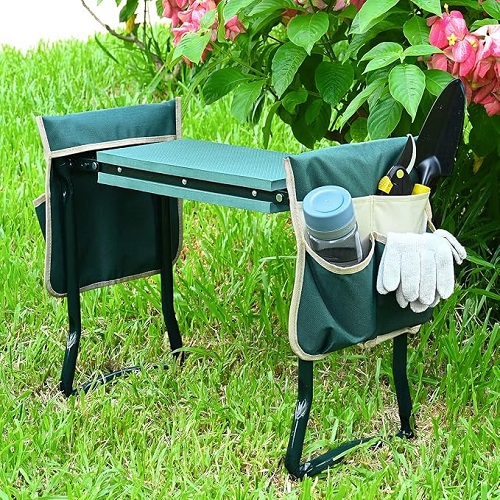
Some gardening jobs keep you close to the ground for long periods. Repotting, pulling weeds and trimming low-growing plants can involve a lot of bending and kneeling. A garden kneeler and seat can make these tasks more comfortable.
Many models have a padded surface that you can use as a kneeling pad or turn over to make a small seat. Others have a metal frame with handles to help you lower yourself and stand up. Some also include pockets for keeping small tools within reach.
Check the frame, padding and weight limit before buying. If you don’t have much storage space, look for a folding design. You can put it away when you’re finished.
This tool won’t replace good posture or safe lifting, but it can make ground-level jobs less tiring. It may be especially useful if you spend a lot of time working in garden beds or large containers.
Make long gardening sessions more comfortable with a garden kneeler and seat. Whether you’re pulling weeds, repotting plants or working in garden beds, this handy tool provides extra support while you work.
10. Hand Weeder
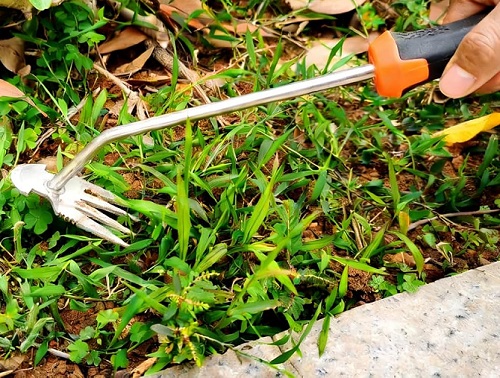
Weeds take up space and compete with your plants for water and nutrients. A hand weeder or khurpi helps you remove them before they spread through your pots and garden beds.
A narrow weeding tool is useful when weeds grow close to other plants. A traditional khurpi can do several jobs. You can use it to loosen the soil, remove small weeds and prepare a spot for planting. It also helps break up the soil surface in empty containers.
Look for a strong metal blade and a handle that sits comfortably in your hand. A thin blade may bend when you use it in compacted soil. A non-slip handle also makes the tool easier to control.
When removing weeds, loosen the soil around the base and pull out as much of the root as possible. Cutting off the leaves alone may not stop some weeds from growing again. Work carefully near your plants so you don’t disturb their roots.
Keep unwanted weeds under control with a sturdy hand weeder. Look for a comfortable grip and a strong metal blade to make removing weeds and loosening compacted soil easier.
11. Digital Watering Timer
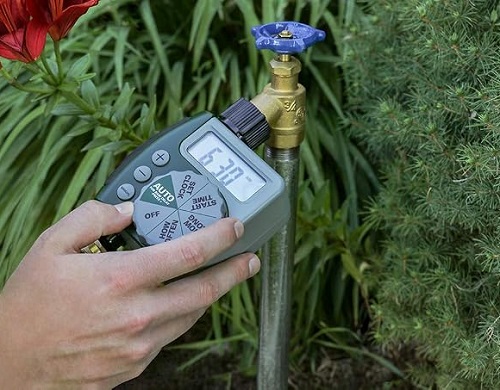
If you often forget to water your outdoor plants or have a busy routine, a digital watering timer can help. You attach it to a compatible tap and connect it to a hose or drip irrigation system. Then you set the watering time and frequency.
It is particularly useful with drip irrigation. The timer controls when water flows, while the tubes carry it to individual pots. This setup can also help when you leave home for a few days.
Before buying, check the tap connection and water pressure requirements. Look at the programming options too. Some models let you set more than one watering schedule, while basic versions offer fewer controls.
Remember that the timer follows your settings. It cannot check the soil or tell when a plant has had enough water. Check the pots regularly and adjust the schedule when the weather changes. You may need to reduce watering after rain or during cooler periods.
Want to make your garden watering routine easier to manage? A digital watering timer lets you schedule watering sessions without turning the tap on and off manually. Check out this automatic watering timer for your garden or drip irrigation setup.
12. Mini Greenhouse for Seedlings
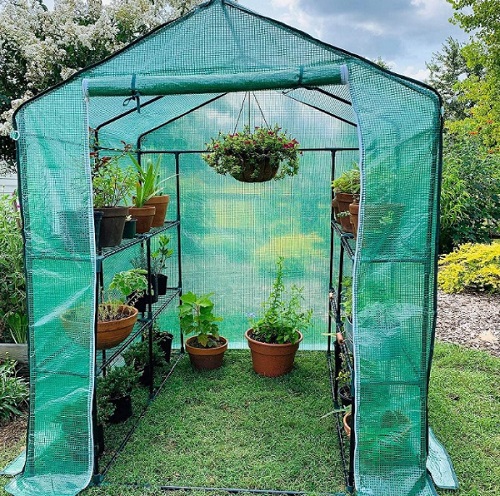
A mini greenhouse gives young seedlings some protection while they grow. It can be useful if you start seeds at home and need a place to keep your trays together.
You can set one up on a balcony, terrace or in a small garden. The clear cover helps protect seedlings from wind and heavy rain. Some models also have shelves, so you can arrange several seed trays without taking up too much floor space.
Check the measurements before buying. Make sure the greenhouse fits the space you have and leaves enough room for you to reach the plants. A sturdy frame and a cover with a zippered or roll-up opening are also useful features.
Pay attention to the temperature inside, especially on sunny days. A covered greenhouse can become hot quite quickly. Open the door or roll up the cover when the temperature rises. Letting fresh air circulate also helps prevent too much moisture from collecting around the seedlings.
Give your seedlings a dedicated growing space with a mini greenhouse. It’s a useful addition to balconies, terraces and small gardens, helping you organize seed trays while providing some protection from changing weather.