
As an Amazon Associate, we earn a small commission from qualifying purchases — at no extra cost to you.
Why Is Your Snake Plant Struggling Even in a Bright Room? Learn what could be going wrong and how to fix the lighting.
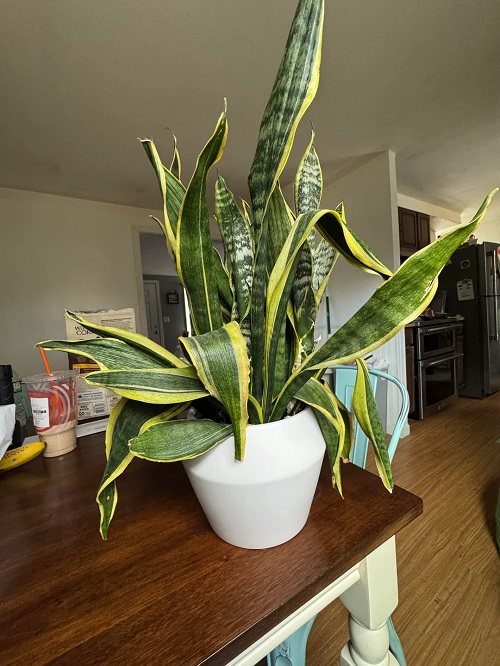
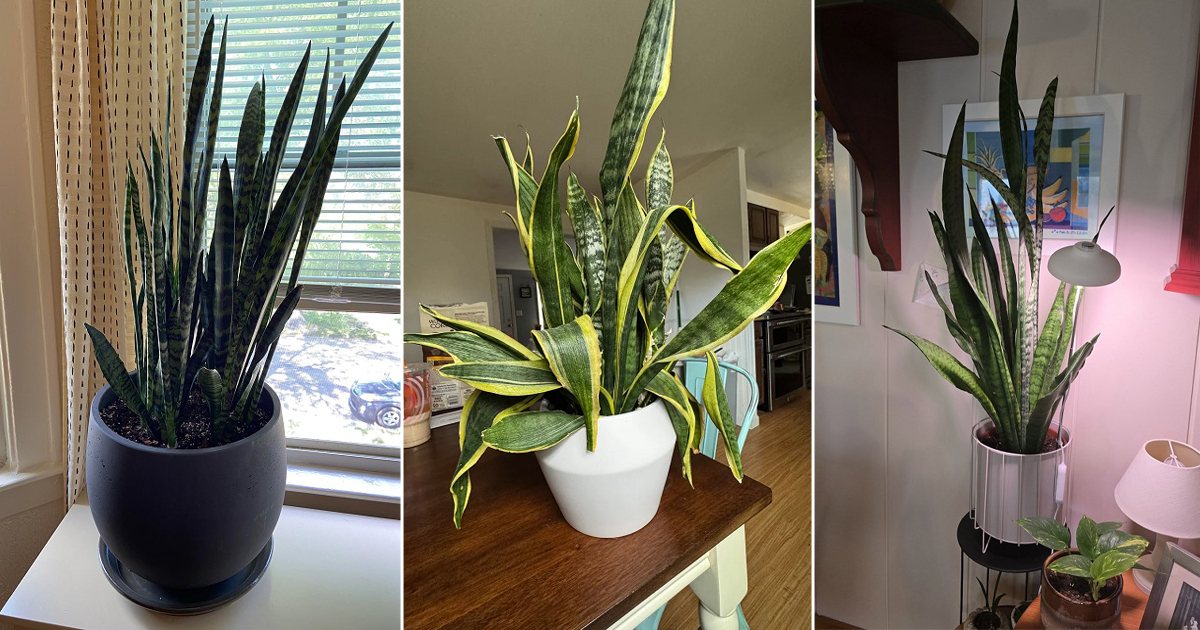
Snake plants are popular indoor plants because they are easy to grow and need little care. Their ability to adjust to different indoor conditions makes them a good choice for beginners and experienced gardeners alike.
Although snake plant varieties differ in size, shape, and leaf patterns, most have similar care needs. Light is one of the main factors that affects their growth and health. But how much light does a snake plant really need? In this guide, you will learn about their light requirements and how well they grow in low-light indoor spaces.
Why Is Your Snake Plant Struggling Even in a Bright Room?
This post contains affiliate links. As an Amazon Associate, we earn from qualifying purchases, which support our website. You can check out our Amazon storefront here for all kinds of essentials you’ll need.
Do Snake Plants Require a Lot of Light?
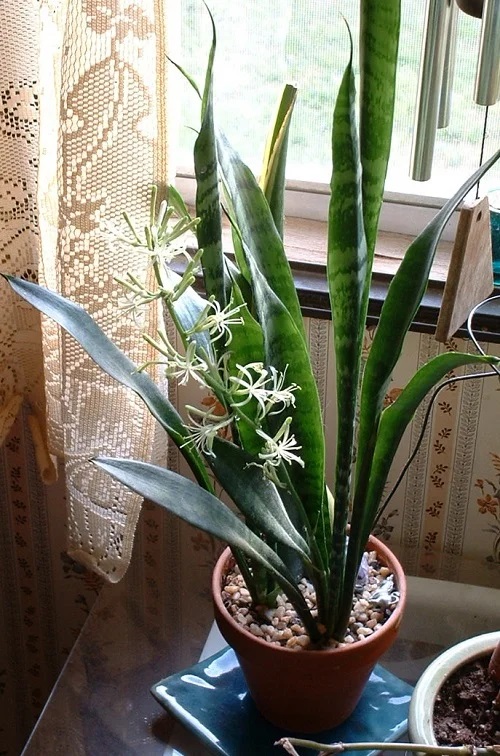
Like most houseplants, snake plants need enough light to stay healthy and grow well. They can survive in low-light areas, but they usually grow better in bright, indirect light for most of the day. Good light helps them produce healthy leaves and may also encourage flowering.
You can place your snake plant near an east- or north-facing window where it receives filtered sunlight. If the sunlight is too strong, use a light curtain to reduce its intensity.
Snake plants generally do well with 6–8 hours of indirect light each day. However, they can also grow with less light. Avoid placing them in direct sunlight for long periods, as strong rays can burn their leaves and cause brown or scorched patches.
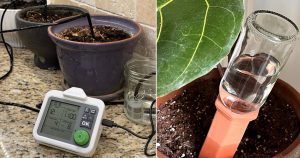
Check out this digital plant light meter on Amazon to monitor your indoor lighting conditions.
Check If Your Snake Plant Is Getting the Right Light
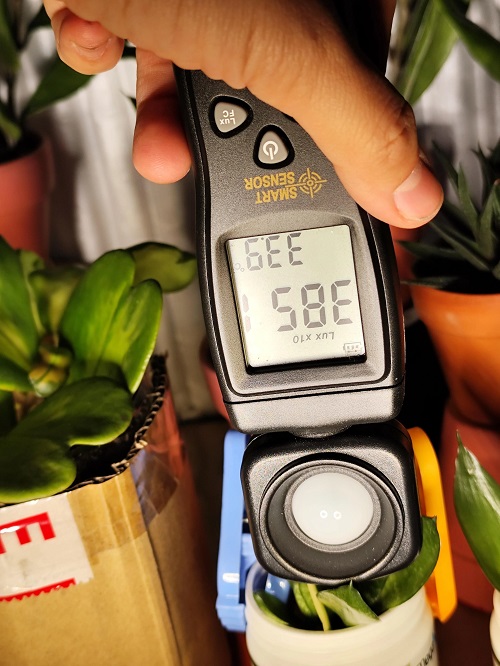
Keep an eye on your snake plant to see how well it responds to its current light conditions. Healthy leaves and steady growth are good signs that the plant is getting enough light. You can also use a light meter to check how much light reaches the plant.
If your snake plant starts leaning toward one side, rotate the pot every few weeks so all sides receive light. Long, stretched leaves can also mean the plant needs a brighter spot. If your room does not get enough natural light, consider using a grow light to support healthy growth.
Best Window Placement for a Snake Plant
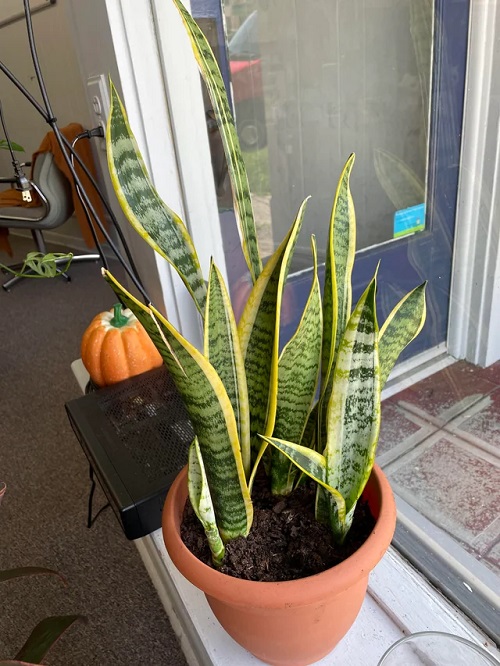
The place you choose for your snake plant can affect how well it grows. A spot near an east-facing window works well because the plant receives gentle morning sunlight. You can also place it a few feet away from a south- or west-facing window to avoid strong afternoon rays.
Do not assume that a bright room gives every plant enough light. Large furniture, thick curtains, nearby buildings, and trees can block sunlight before it reaches your plant. Check the area at different times of the day to see how much natural light it receives.
If you keep your snake plant on a shelf or in a corner, move it closer to a window if the leaves start leaning or growth slows down. You do not need to place the pot directly against the glass. A little distance can help protect the leaves from strong sunlight and sudden temperature changes.
Get a programmable outlet timer on Amazon to manage your indoor grow light schedule more easily.
How to Adjust Light When Moving Your Snake Plant
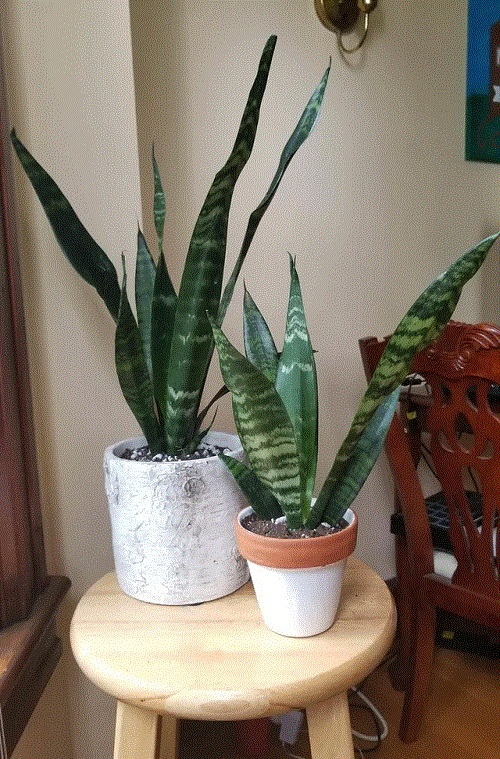
Avoid moving your snake plant from a dark corner straight into strong sunlight. A sudden change in light can stress the leaves and cause brown or scorched patches.
Instead, make the change slowly. Move the pot to a slightly brighter spot for a few days and watch how the leaves respond. If the plant looks healthy, you can move it closer to the window. Continue making small changes until you find a suitable location.
The same rule applies when you bring a snake plant home from a nursery. It may have grown under shade cloth or artificial lighting. Give it time to adjust to the light inside your home.
Check the leaves over the next two to three weeks. If you notice new brown patches, move the plant away from direct sunlight. If the leaves remain firm and healthy, the new location is likely suitable.
Snake Plant Problems Related to Light
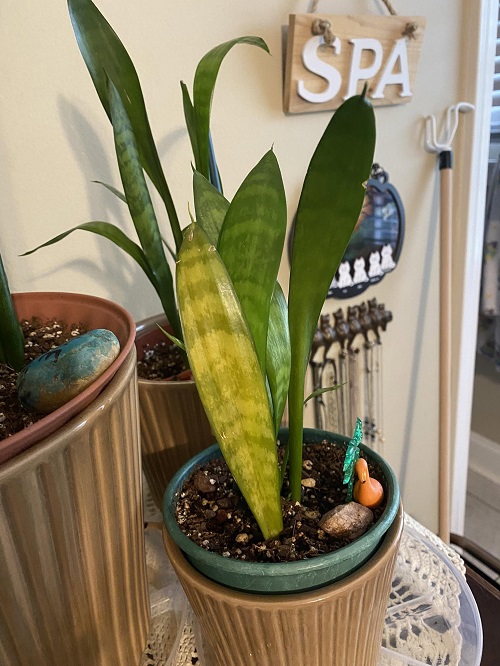
Check your snake plant regularly for signs of light problems. Finding these issues early can help you make changes before the plant becomes badly stressed.
Too little light can slow growth and cause the leaves to droop. On the other hand, too much direct sunlight can damage the foliage. You may notice yellow or brown leaves, dry patches, or leaves falling off earlier than usual. Curled leaves and dry, crumbly soil can also appear when the plant is not growing in suitable light conditions.
Does Snake Plant Growth Change With the Seasons?
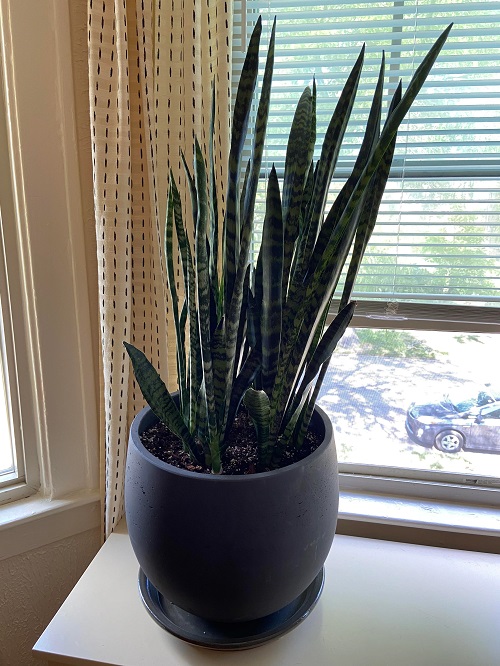
Seasonal changes can affect the amount of light your snake plant gets. During spring and summer, longer days provide more sunlight. Your plant may also produce new leaves during these months if it gets enough water and warmth.
In fall and winter, the days become shorter and sunlight gets weaker. A spot that works well in summer may not provide enough light during winter. You may need to move your snake plant closer to a window to help it get more light.
During winter, keep the plant away from cold window glass. Sudden temperature changes can affect its health. Place the pot on a nearby table or plant stand to keep it close to natural light without touching the glass.
Also, avoid watering more often when your snake plant grows slowly in winter. It usually needs less water during this time because it receives less light and the soil takes longer to dry.
Explore these full-spectrum LED grow lights on Amazon to give your indoor plants extra lighting support.
How Long Should You Keep a Grow Light On?
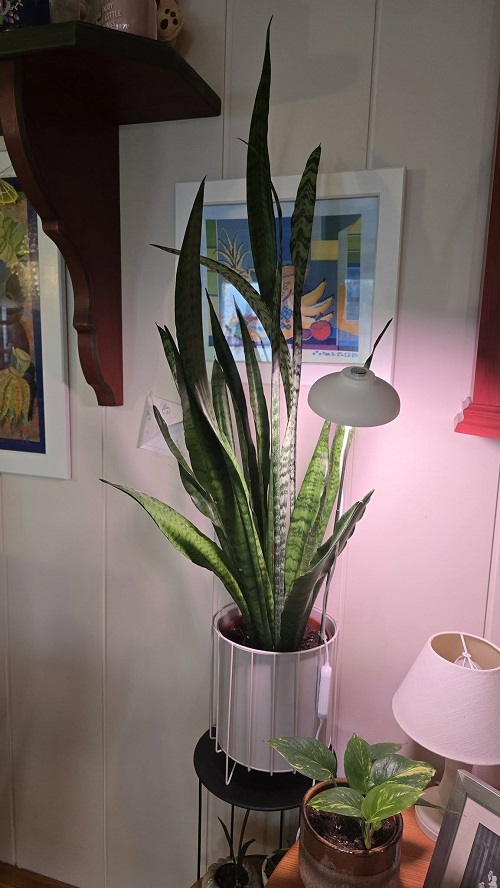
If your home does not receive enough natural light, a grow light can help your snake plant maintain healthy growth. Choose a full-spectrum LED grow light that provides light suitable for foliage plants.
You can start with around 10–12 hours of artificial light each day and adjust it according to the plant’s response and the manufacturer’s instructions. Keep the light at a suitable distance so it does not produce too much heat or expose the leaves to excessive intensity.
Avoid leaving the grow light on throughout the night. Snake plants also need a dark period to maintain their normal growth cycle. A simple timer can help you maintain a consistent lighting schedule without switching the light on and off manually.
Check the plant regularly after introducing artificial light. If the leaves develop dry patches or look stressed, adjust the distance or reduce the exposure time.
Can You Fix a Snake Plant That Has Received Too Little Light?
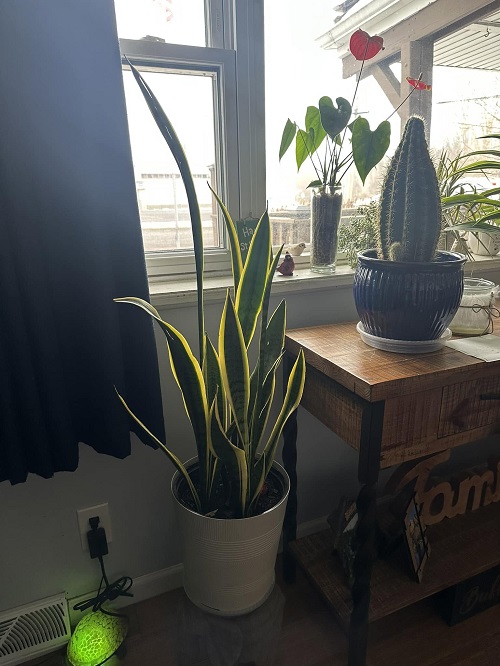
A snake plant can recover from poor light if you move it to a better spot early. However, damaged leaves will not return to their healthy condition.
Start by placing the pot in a brighter spot with indirect light. Do not add fertilizer right away to speed up growth. The plant first needs the right light and growing conditions to grow well.
Check the soil before watering. Snake plants need less water when they receive less light. If the soil stays wet for too long, reduce watering and make sure the pot has drainage holes.
Be patient while the plant adjusts to its new location. It may take several weeks or longer to produce new leaves. Keep it in one suitable spot instead of moving it around too often.
Can a Snake Plant Live in a Room With No Windows?
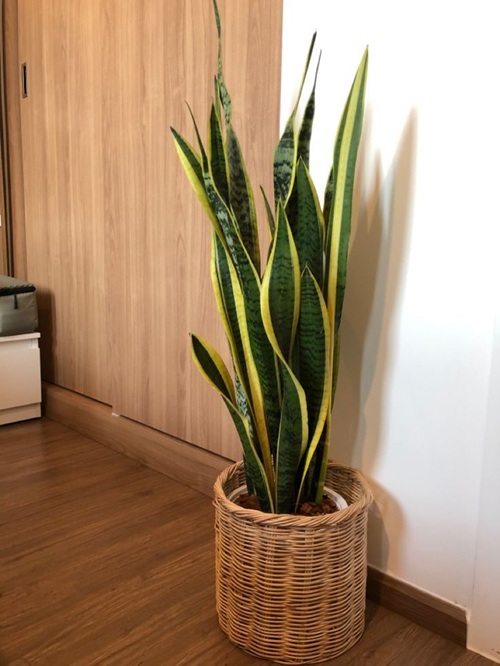
Snake plants can handle low-light conditions better than many other houseplants. This makes them a good choice for rooms with little natural light. They can even grow in rooms without windows, but they still need some light to stay healthy. If the room has no natural light, you can use a grow light to give your snake plant the light it needs.
Get your copy of The Complete Houseplant Survival Manual on Amazon and make indoor plant care easier!