
As an Amazon Associate, we earn a small commission from qualifying purchases — at no extra cost to you.
Why Snake Plant Leaves Fold Inward? Find out what causes it and how to fix the problem before your plant gets worse.
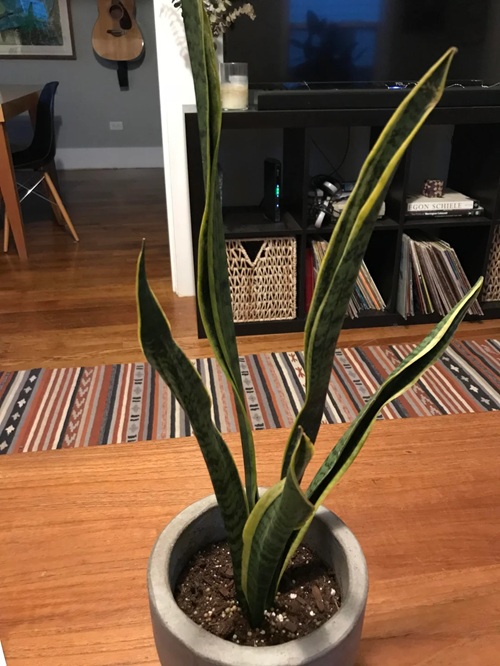
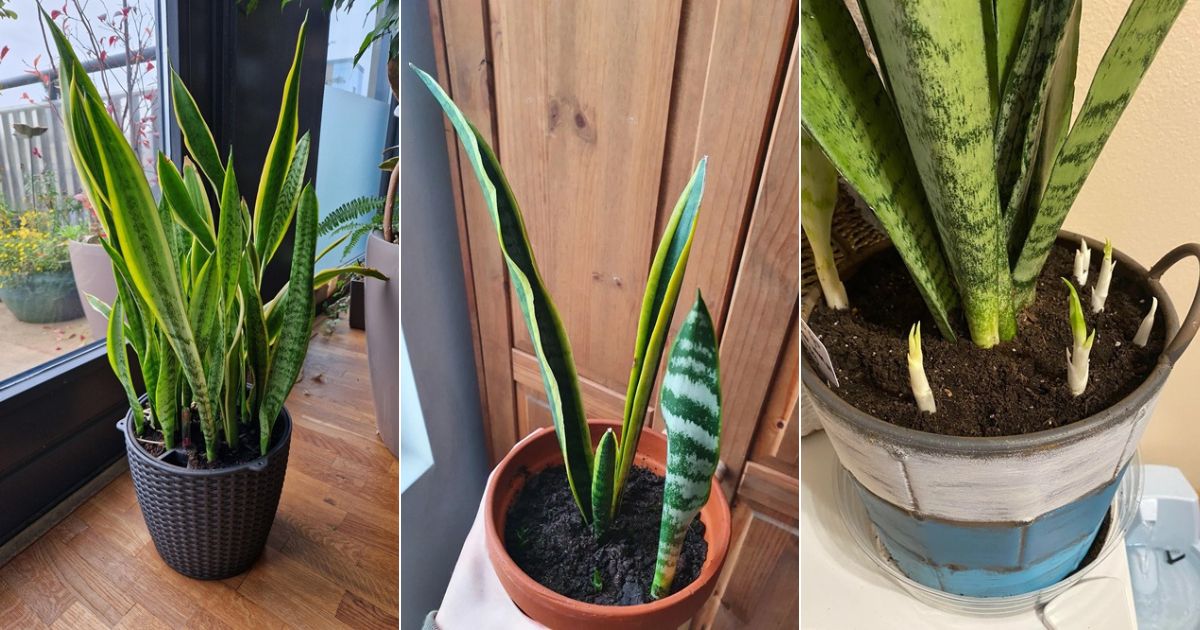
You probably chose a snake plant because everyone says it is hard to kill. That is true to a point. It tolerates missed waterings, average indoor light, and dry air better than many other houseplants. Even so, it still shows signs when something is wrong. One of those signs is a leaf that begins folding inward instead of staying flat and firm.
At first, the change can be easy to miss. The leaf may only look slightly thinner. A few days later, you notice a crease running down the middle. If you ignore it, the fold often becomes more obvious.
The important thing is not to rush into fixing it. Folded leaves do not point to one problem. They simply tell you the plant is under stress. Your job is to figure out what changed before the leaves started losing their shape.
Why Snake Plant Leaves Fold Inward
Want to build the perfect indoor plant setup? Check out this indoor gardening system that serious plant lovers swear by. You can also check our Amazon Storefront for all such gardening needs.
1. Check the Soil Before You Do Anything Else
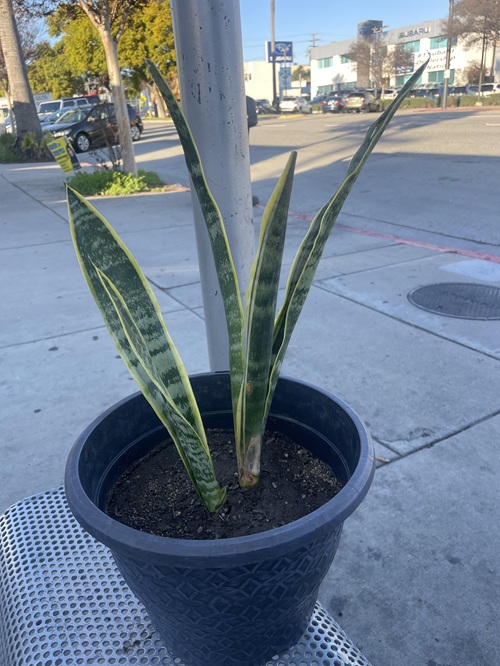
When you see a folded leaf, watering might seem like the obvious answer. Hold off for a minute. Push your finger a few inches into the soil instead of judging the surface. You may find completely different conditions below.
If the soil feels dry all the way through, your snake plant probably needs a deep watering. If it still feels damp several inches down, adding more water will only increase the stress.
Many snake plants develop problems because people water on a schedule instead of checking the soil first. A plant beside a sunny window dries much faster than one growing in a cool corner. They should never be treated exactly the same.
Here is the best way to check your soil, use this moisture meter for all your snake plants.
2. Don’t Let the Leaves Fool You
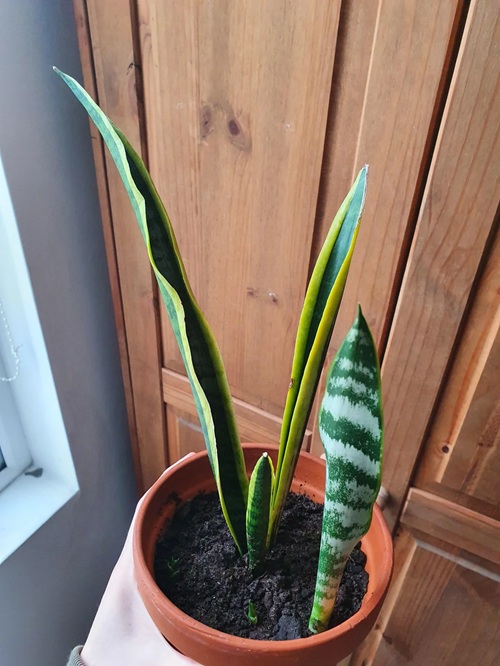
Folded leaves often look thirsty. That is why many owners reach for the watering can without thinking twice.
The problem is that leaves can fold because of too little water or too much water. The two situations produce almost the same symptom. When roots sit in wet soil for too long, they slowly stop working. They cannot move enough moisture into the leaves, even though water surrounds them. The leaves lose firmness and begin folding inward.
This is one reason snake plants are often overwatered. The plant looks dry, but the roots are actually drowning.
Get these self-watering pots and the soil of your plants will never be dry!
3. Think About What Has Changed Recently
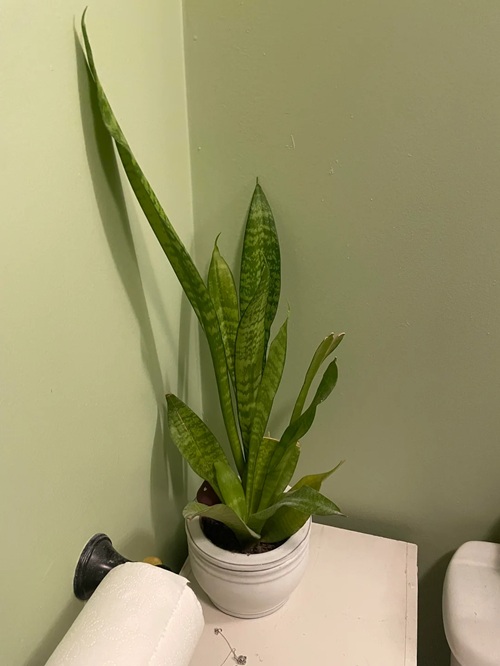
Plants react to changes in their environment. You may not notice the connection at first because the symptoms often appear days or even weeks later.
Maybe you moved the plant into another room. Maybe the weather became much hotter. Maybe you repotted it into a larger container. Even changing your watering routine can affect the way the leaves grow.
Instead of asking what is wrong today, think back over the last month. Very often, the answer is hiding there.
4. Healthy Roots Make Strong Leaves
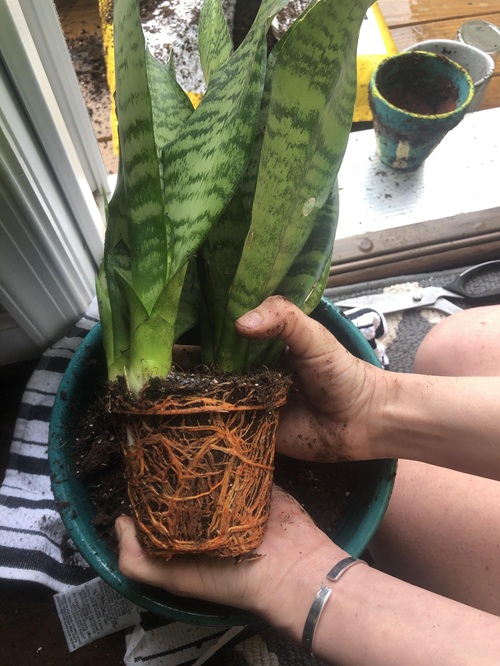
The leaves show the problem, but the roots usually explain it. If your snake plant continues folding inward after you correct the watering, it is worth checking below the soil.
Slide the plant gently out of its pot. Healthy roots should feel firm. They are usually cream, white, or light orange. If you find soft, dark roots that break apart easily, root rot has probably started.
Remove the damaged roots with clean scissors and replace the old soil with a fresh, fast-draining mix. If the roots look healthy, place the plant back in its pot and continue looking for another cause.
Use these sharp pruning shears to cut the damaged roots and leaves!
5. Old Potting Soil Can Create New Problem
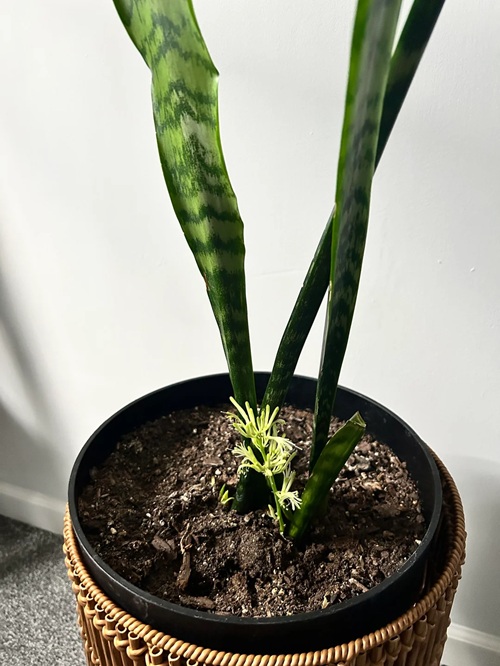
Potting soil does not stay the same forever.
After months of watering, the ingredients begin breaking down. The soil becomes denser and holds water longer than it did when it was fresh.
You might still be watering exactly as you did last year, but the roots are now sitting in wetter conditions. That is why an older snake plant sometimes develops problems even though your care routine has not changed.
If the soil feels heavy or drains very slowly, replacing it may solve the problem before it becomes more serious.
Check out this potting mix filled with the right nutrients for your plant.
6. Light Makes More Difference Than You Think
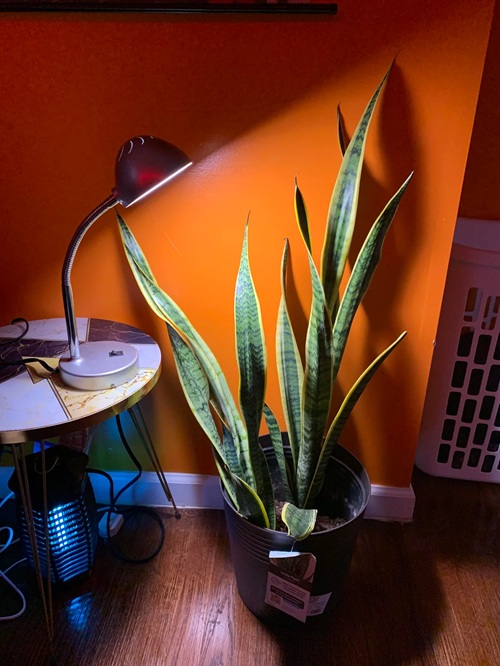
You have probably heard that snake plants grow well in low light. They survive in low light. That is not the same thing.
If your plant spends months in a dark hallway or a corner far from a window, it may stay alive while producing weaker growth. New leaves often become narrower and less sturdy than older ones. Move the plant somewhere brighter if possible. A spot with bright, indirect light works well for most snake plants.
Do not expect the folded leaves to flatten again. Instead, watch the next leaves that appear. They usually tell you whether the plant is happier in its new location.
Take a look at these foldable grow lights that your plants will love!
7. The Pot May Be Too Small
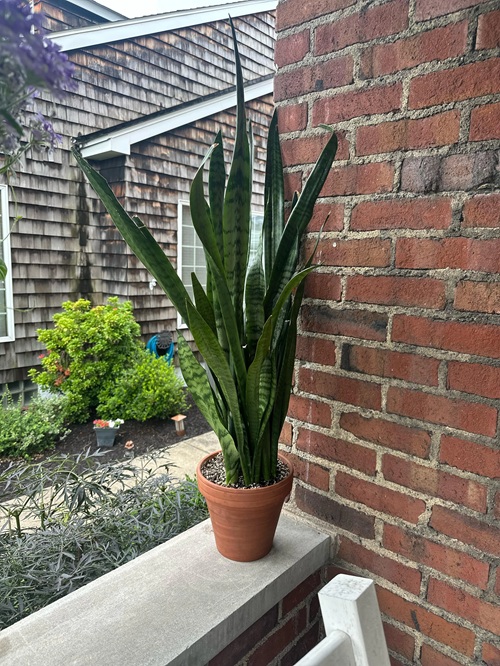
Snake plants do not mind being slightly root-bound. There comes a point, though, when there are more roots than soil.
When that happens, water passes through the pot very quickly. The roots absorb what they can, but the soil cannot hold enough moisture for long. You may notice that the plant dries out much sooner than it used to.
If roots are circling tightly around the inside of the pot or growing through the drainage holes, it is probably time to move the plant into a container that is only one size larger.
A much bigger pot is rarely a good idea because it keeps the soil wet longer.
Repot your plants in this box planter for their healthy growth.
8. Watch Where You Place the Plant
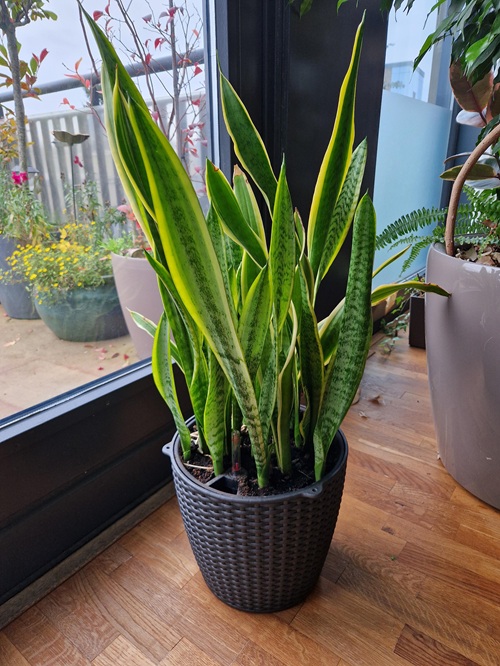
Sometimes the problem is not the plant. It is the location.
A snake plant sitting beside a heating vent dries out faster than expected. One placed against a cold winter window may struggle every night even though the room feels comfortable during the day.
Try to keep the plant away from sudden temperature changes. Steady conditions help the roots work properly and reduce unnecessary stress.
9. Look Closely for Tiny Pests
Not every problem starts in the soil.
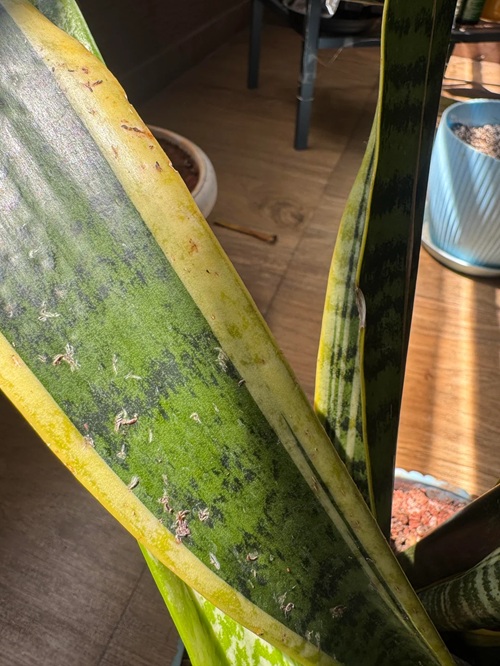
Spider mites and mealybugs feed by removing sap from the leaves. A heavy infestation can weaken the plant enough to change the shape of the foliage.
Turn the leaves over and inspect the base of the plant. Fine webbing, tiny moving dots, or white cotton-like patches should not be ignored. Treat the pests before they spread to nearby plants.
Use this organic neem oil from Zuprime to clean the leaves and avoid pests in your plants.
10. Fertilizer Is Usually Not the Answer
It is tempting to think folded leaves mean the plant needs more nutrients.
In most cases, fertilizer has very little to do with the problem. If the roots are unhealthy or the plant is growing in poor conditions, extra fertilizer cannot help it. Sometimes it creates another problem by damaging already stressed roots.
Fix the growing conditions first. Once your snake plant starts producing healthy new growth again, you can return to a normal feeding schedule during spring and summer.
11. Give the Plant Time to Recover
You may correct the problem today, but you will not see perfect leaves tomorrow.
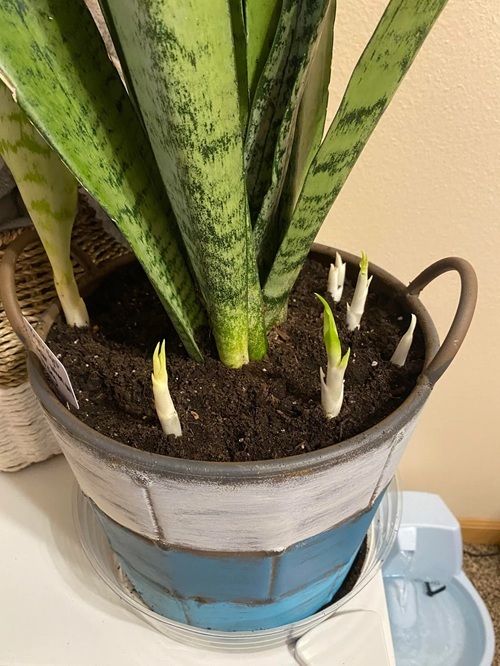
Snake plants grow slowly. The leaves that have already folded often stay that way. What matters is the new growth. If the next leaves come out firm, upright, and flat, your plant is recovering.
Patience is part of growing healthy houseplants. You do not need a special fertilizer or a quick fix. You simply need to remove the source of stress and let the plant do the rest.