
As an Amazon Associate, we earn a small commission from qualifying purchases — at no extra cost to you.
Find out Why Your Snake Plant Isn’t Growing New Leaves? Learn the common causes and easy fixes to help it grow healthy again.
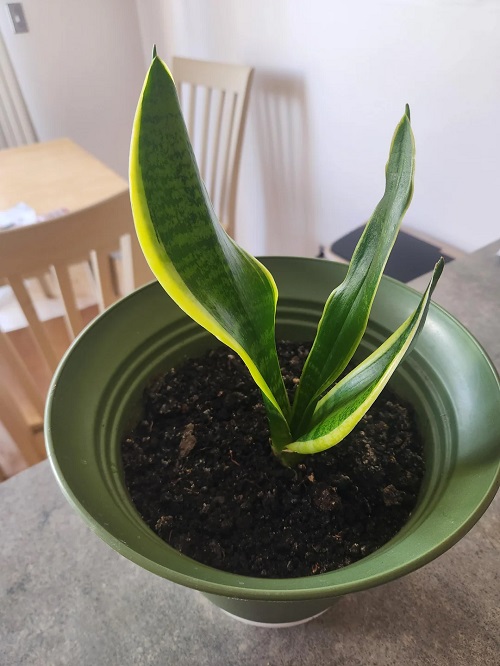
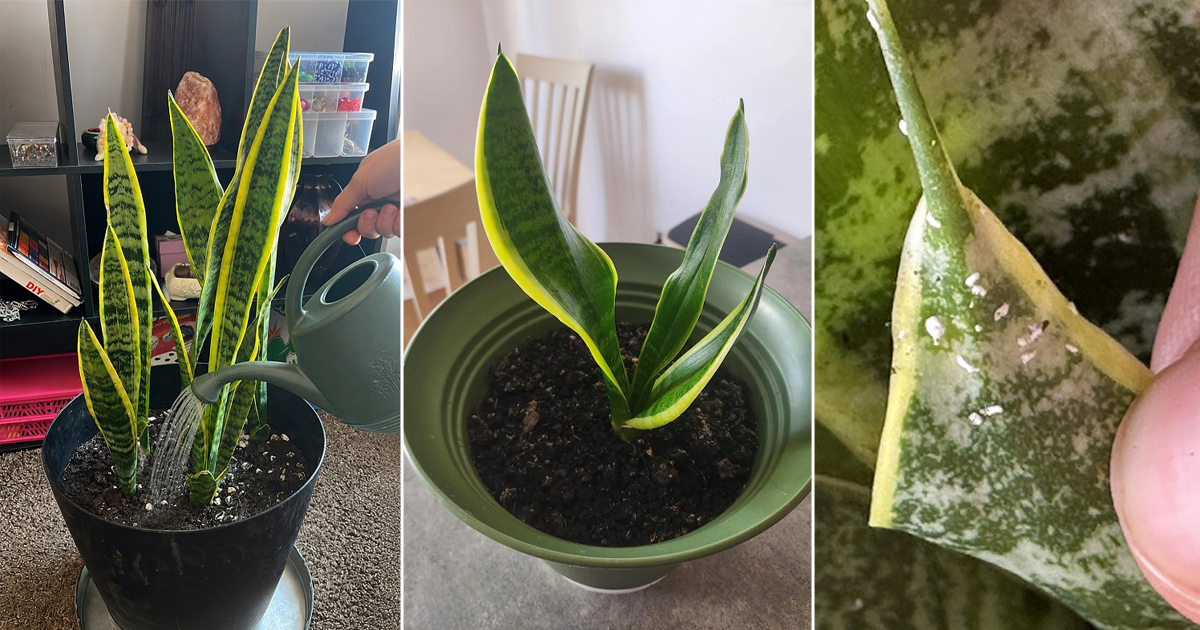
You keep looking at your snake plant, hoping to spot a new green shoot. Weeks go by, then months, and nothing seems to change. The leaves still look healthy, but there isn’t a single fresh leaf coming up from the soil.
If this sounds familiar, don’t worry too quickly. Snake plants are naturally slow growers, and they don’t produce new leaves all year round. In most cases, your plant is reacting to its growing conditions rather than suffering from a serious problem. Once you find the reason, new growth usually follows.
Why Your Snake Plant Isn’t Growing New Leaves
1. You Might Be Looking in the Wrong Place
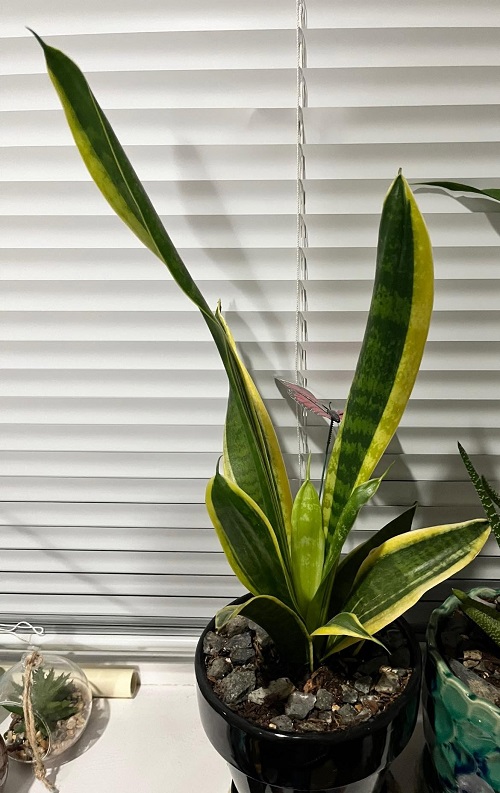
Before you assume your snake plant has stopped growing, take a closer look at how it actually grows.
The older leaves don’t keep getting taller forever. Once a leaf reaches its full height, it stays that way. Every new leaf starts from below the soil as part of an underground rhizome. That’s why you should always check around the base of the plant instead of staring at the tallest leaves.
Sometimes new shoots stay hidden between older leaves for days before you notice them. They can also remain below the soil for quite some time before finally pushing through. If you’ve only been checking the tops of the leaves, you could easily miss the early signs of growth.
2. Your Plant May Be Getting Just Enough Light to Survive
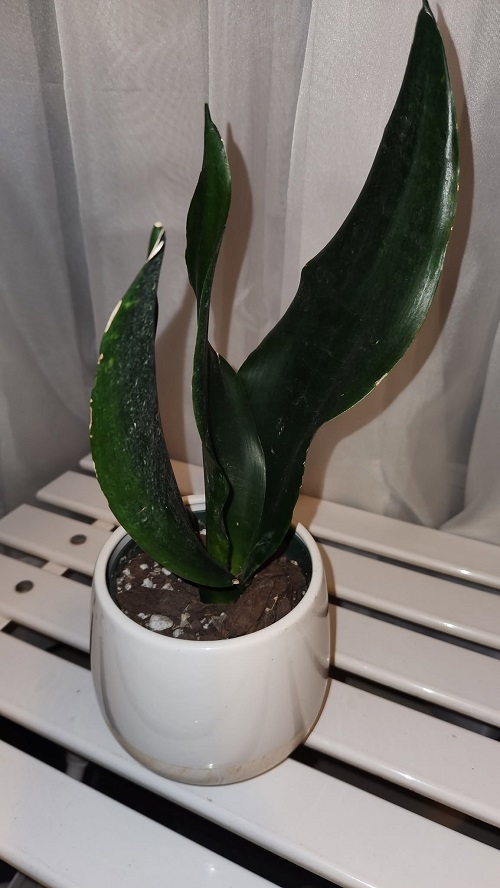
Snake plants have earned a reputation for handling low light better than most houseplants. While that’s true, low light isn’t ideal if you want to see new leaves.
If your plant sits in a dark corner or several feet away from a window, it may have enough light to stay alive but not enough to grow. The leaves remain green because the plant is conserving its energy instead of using it to produce fresh shoots.
Try moving it closer to a bright window where it gets plenty of indirect sunlight. You don’t have to place it in harsh afternoon sun, but giving it brighter conditions often makes a noticeable difference. Just don’t expect overnight results. Snake plants like to take their time.
3. A Bigger Pot Could Be Slowing Things Down
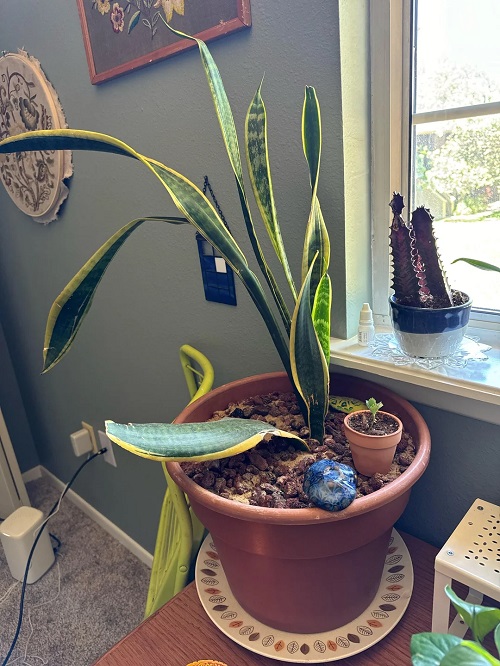
Repotting into a larger container feels like the right thing to do. After all, more space should mean more growth. With snake plants, it often works differently.
When you move the plant into a pot that’s much bigger than its root system, it starts filling that extra space with roots first. Until those roots become established, you may not see any new leaves above the soil.
If you recently repotted your snake plant and growth has stopped, this could simply be part of the process. A pot that’s only one size larger than the previous one usually gives better results than one that’s much larger.
4. The Problem Could Be Hidden Below the Soil
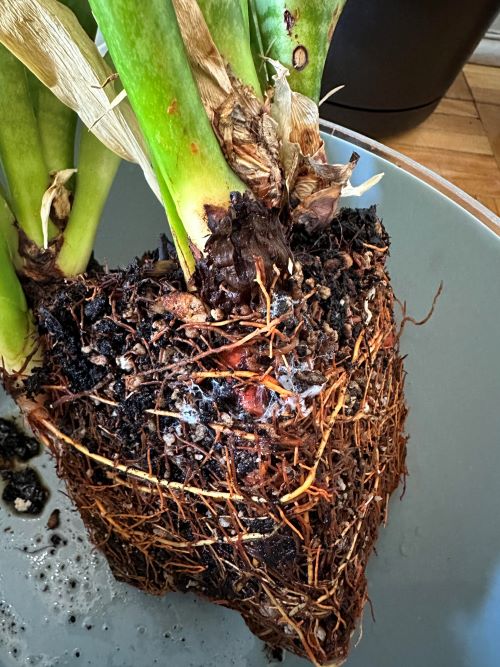
Healthy-looking leaves don’t always mean healthy roots.
If you’ve been watering a little too often or the soil stays wet for several days, the roots may begin to rot without showing obvious signs at first. Your snake plant might still look green, but it quietly stops producing new leaves because its roots are under stress.
If something doesn’t feel right, gently remove the plant from its pot and check the roots. Healthy roots feel firm and look light in color. If you find dark, soft, or mushy roots, trim away the damaged parts and repot the plant in fresh, well-draining soil.
5. Old Soil Can Hold Your Plant Back
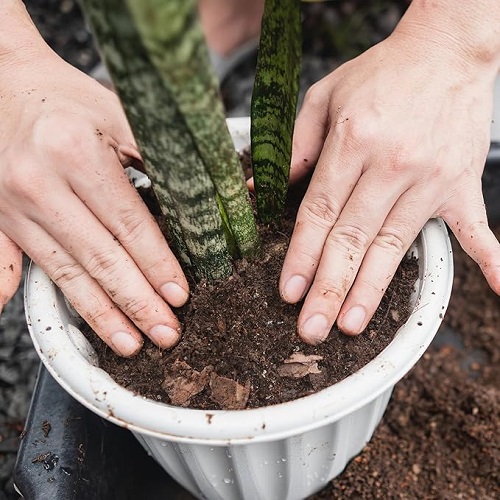
You may not think much about the potting mix once your plant is settled, but it changes over time.
After a few years, the soil becomes compacted. It holds more water and allows less air to reach the roots. Even if you’re watering correctly, the roots may stay damp much longer than they should.
If your snake plant has been growing in the same soil for several years, replacing the old mix with fresh, loose potting soil can make a big difference. Many gardeners notice better growth after a simple soil refresh.
6. Stop Following a Watering Calendar
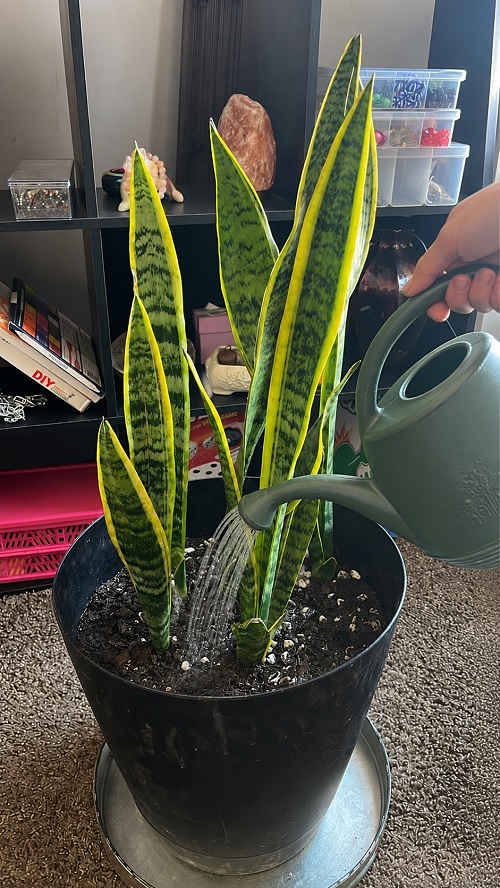
It’s tempting to water your snake plant every week or every two weeks because it feels easier to remember. The problem is that your plant doesn’t care what day it is.
The amount of water it needs depends on the season, the temperature, the amount of light, and even the type of pot you’re using.
Instead of watering on a schedule, check the soil first. If it still feels damp a couple of inches below the surface, wait a little longer. Letting the soil dry properly between waterings keeps the roots healthy and encourages stronger growth.
7. Your Home Might Be Too Cold
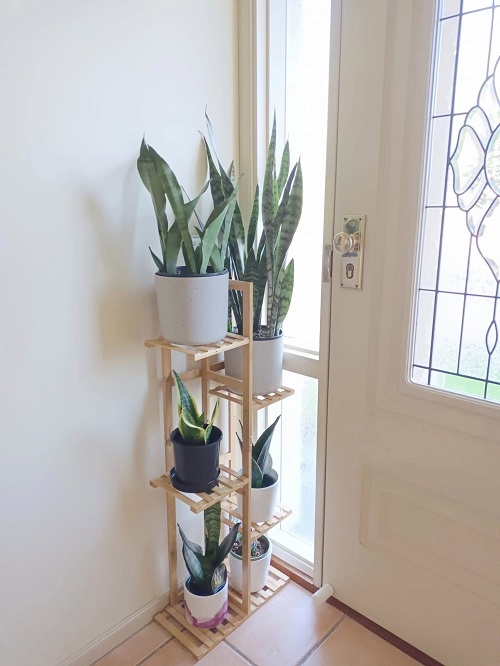
You may notice that your snake plant grows well during spring and summer but seems to stop completely once the weather cools down.
That’s perfectly normal.
Snake plants prefer warm conditions. When temperatures drop, they naturally slow their growth. If your plant is sitting near a cold window, an air conditioner, or a drafty doorway, it may stay inactive for longer than expected.
Once the room becomes warmer and the days get brighter, your plant will usually begin growing again without much encouragement.
8. More Fertilizer Won’t Always Solve the Problem
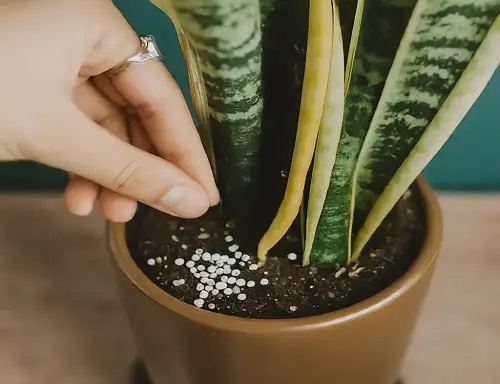
When your snake plant isn’t growing, adding fertilizer might seem like the quickest fix.
In reality, fertilizer only helps when the plant already has the right growing conditions. If it’s sitting in low light or dealing with unhealthy roots, extra nutrients won’t encourage new leaves.
During spring and summer, you can feed your snake plant once a month with a balanced fertilizer at half strength. That’s usually enough. Feeding it more often rarely speeds up growth and may even damage the roots.
9. Check the Base for Hidden Pests
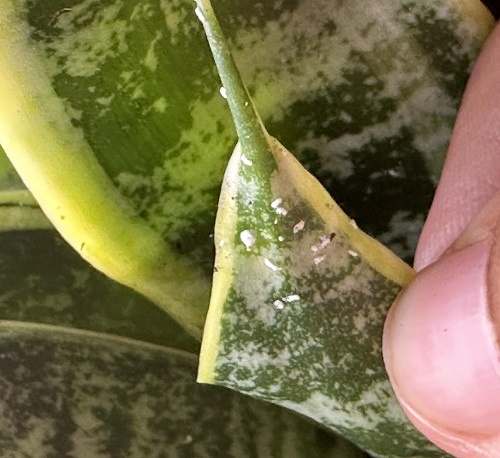
If your care routine seems fine but your snake plant still isn’t growing, spend a minute looking around the base of the leaves.
Mealybugs often hide in these tight spaces. They feed on the plant’s sap and slowly weaken it. You may not notice dramatic damage right away, but the lack of new growth can be one of the earliest signs.
Regular inspections help you catch the problem before it spreads. A quick check every few weeks is often enough.
10. Sometimes the Best Thing You Can Do Is Leave It Alone
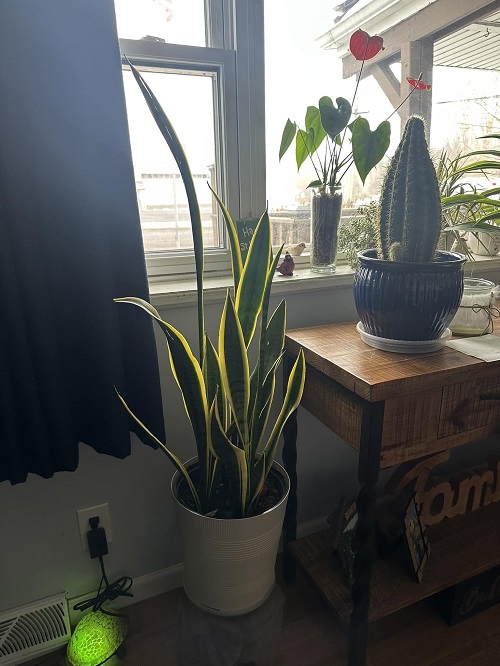
It’s easy to become impatient when you don’t see results.
You move the plant to another window. Then you change the soil. A week later, you try a different fertilizer. Before long, your snake plant has gone through several changes in a short time.
Plants need time to adjust.
If you’ve recently improved the lighting or repotted your snake plant, give it a chance to settle. It may spend weeks growing stronger roots before producing another leaf. Constantly changing its conditions usually delays growth instead of helping it.