
As an Amazon Associate, we earn a small commission from qualifying purchases — at no extra cost to you.
Plants to Prune in August for More Flowers before fall. See which plants to trim now and enjoy a longer season of colorful blooms.
Late summer pruning is usually easier than the heavy pruning done in late winter or early spring. Most trees and shrubs do not need major pruning in August because cutting them back too much can encourage new growth that may be damaged by cold weather in fall and winter. However, light pruning in August is often helpful. Remove dead, damaged, or diseased branches, and trim back certain perennials to keep them healthy. Depending on where you live and the plants you grow, some may also benefit from a more thorough trim. Here’s a look at the Plants to Prune in August for More Flowers before fall. See which plants to trim now and enjoy a longer season of colorful blooms, the ones that need only a light trim, and the plants you should avoid pruning until another season.
Plants to Prune in August for More Flowers
Want a stunning indoor plant display with almost no guesswork? Give a glance at our Amazon Storefront for all your gardening essentials.
1. Bougainvillea
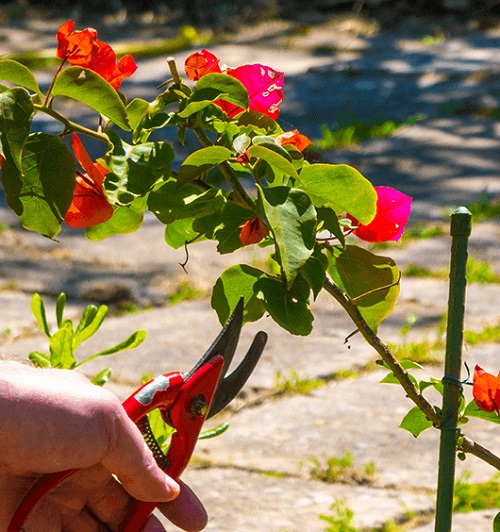
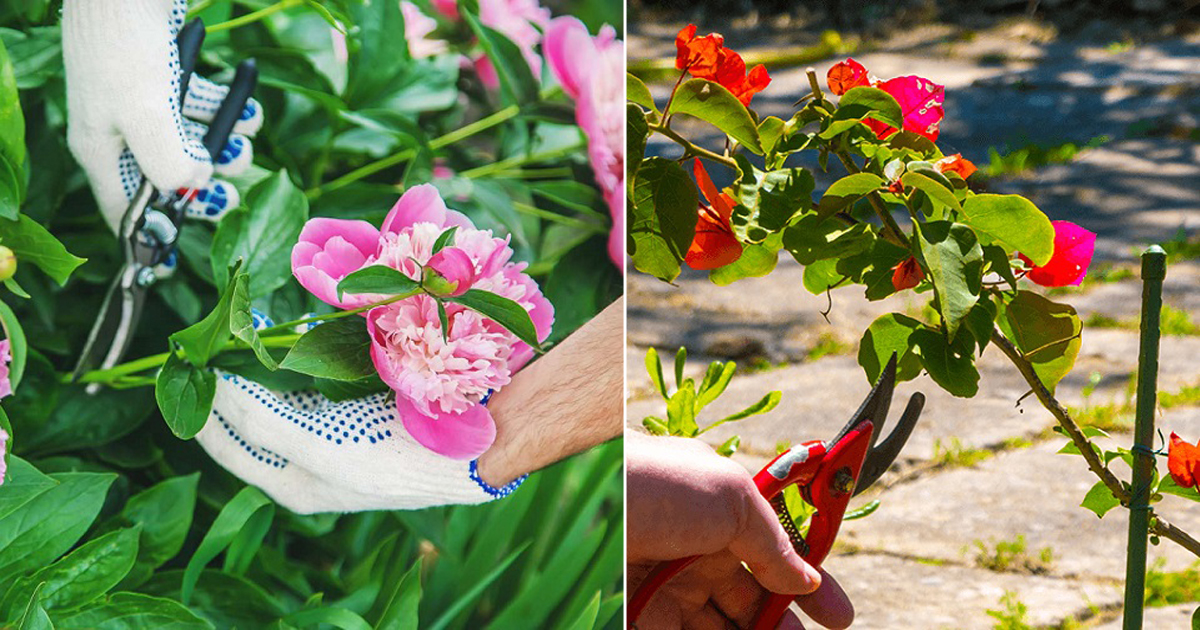
If you live in a warm climate where bougainvillea grows well, you can give it a light trim in early or mid-August. Save the heavy pruning for late winter or early spring after it has finished flowering. Cutting it back too much in summer can reduce the number of flowers in winter.
For a summer trim, start by removing faded flowers. Cut away any dead, damaged, or broken branches. If you see branches with few or no flowers, trim them back by about half to encourage more blooms. Keep your summer pruning light to help the plant stay healthy and flower well.
This foldable garden stool makes gardening a breeze!
2. Oakleaf & Bigleaf Hydrangeas
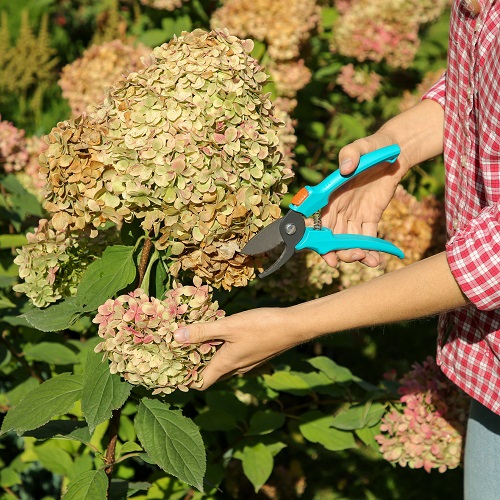
Every types of hydrangeas need to be pruned at different times. Oakleaf and bigleaf hydrangeas, including mophead varieties, bloom on old wood. That means the best time to prune them is right after they finish flowering. In many areas, this is in August, but in cooler northern regions, you may need to wait until fall.
After flowering, cut the faded flower stems back to the next healthy bud. Remove any dead, damaged, or weak branches, and lightly shape the shrub if needed. If you have an older plant that is producing fewer flowers, you can prune more heavily by cutting about one-third of the oldest stems down to the base. Just don’t wait too long after flowering, or you may remove next year’s flower buds and end up with fewer blooms.
These gloves are a must for any gardening adventure!
3. Rambling Rose
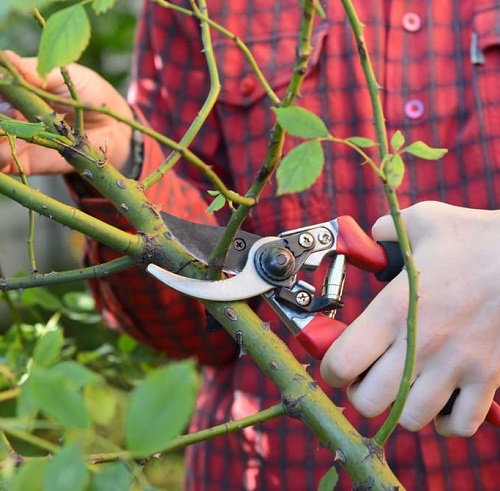
Unlike shrub and climbing roses, rambling roses bloom only once each summer. After they finish flowering, usually in August, it’s the right time to prune them.
Remove about one-third of the oldest stems to keep the plant healthy. If the rose has become overgrown, cut out the stems that have already flowered and tie the new shoots into their place. Always wear sturdy garden gloves to protect your hands from thorns, and use sharp pruning shears to make clean cuts.
The blades of these pruners stay sharp, and the grip is comfortable.
4. Shrub & Climbing Roses
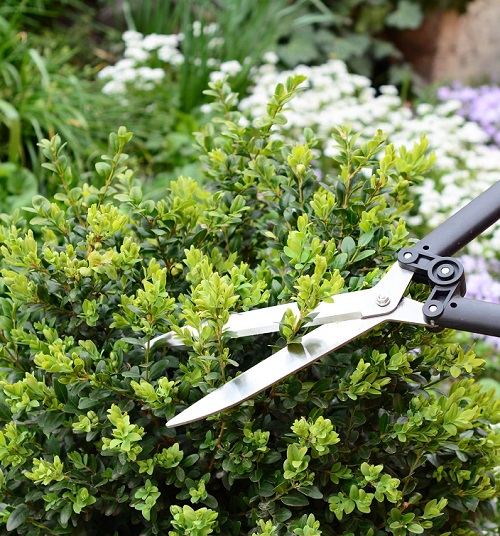
Don’t heavily prune shrub or climbing roses in late summer unless you live in a warm climate. In warmer areas, August is a good time to lightly prune these roses to encourage another round of flowers before the end of the year. Remove dead canes and cut off faded flowers to help the plant bloom again.
If you live in a colder climate where frost arrives in fall, avoid pruning shrub or climbing roses this late in the season. Pruning can encourage new growth, and that tender growth may be damaged by cold weather and frost.
These gardening stools are a must-have! Perfect for any garden work.
5. Bushes & Hedges
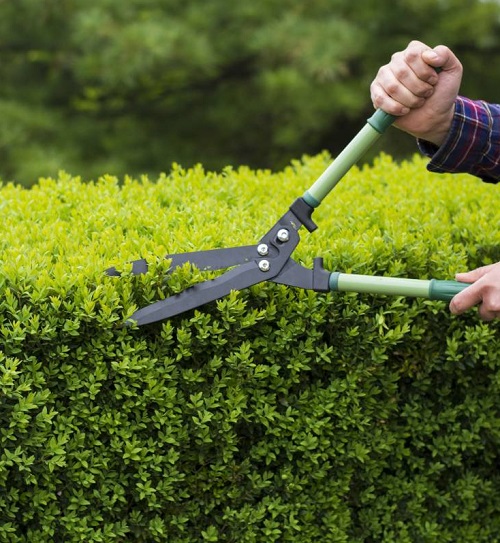
August is not the best time to heavily prune most shrubs, but you can give them a light trim to keep them neat and healthy. Trim the outer growth if needed, and remove any dead, damaged, or diseased branches. You can also cut away any suckers growing from the base of the shrub.
If a shrub has become too large or crowded, prune it carefully. Remove a few older branches from the thickest areas by cutting them back to where they join another branch. Avoid making short cuts on branch tips, as these encourage new growth that may be damaged by cold weather later in the season.
This all-purpose plant food is perfect for all indoor and outdoor plants.
6. Perennials
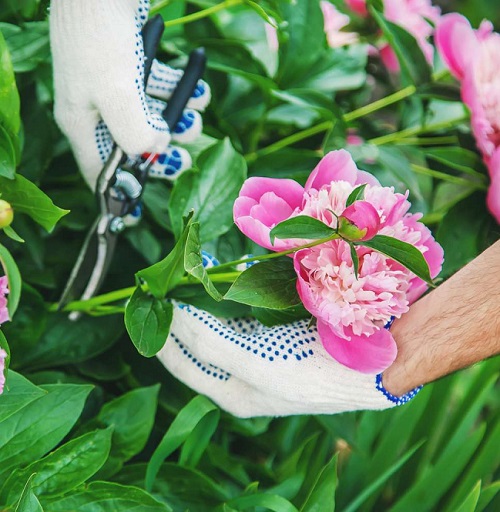
August is a perfect month to prune many perennial plants. Cut back perennials that have finished growing and flowering for the year all the way to the ground. This includes plants like hardy geranium, lady’s mantle, bearded iris, and bee balm.
Some perennials can also be trimmed in August to encourage another round of blooms. Cut back coreopsis by about one-third to one-half. For salvia and garden phlox, trim the faded flower stems back to the first healthy bud. You can also cut back yarrow, bellflower, asters, and lavender by about one-third to one-half to encourage fresh growth and more flowers before the season ends.
Stronger blooms for your hydrangeas are just a scoop away!
7. Wisteria
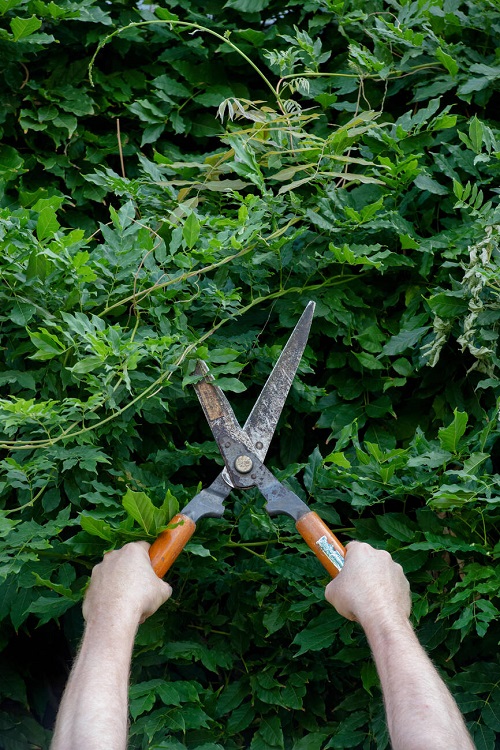 Wisteria grows fast, so it does best with two pruning sessions each year. Prune it once in late winter or early spring while the plant is still dormant, and again in late summer after it finishes flowering. Regular pruning keeps the vine healthy, tidy, and easier to manage.
For the summer prune, remove any suckers growing from the base or roots. Then trim the new long shoots back to about 6 inches (15 cm). You can also cut away any extra growth to keep the vine the size and shape you want.
Need a tool for cutting those thick branches? These shears are a must-have!