
As an Amazon Associate, we earn a small commission from qualifying purchases — at no extra cost to you.
Learn How to Water a Snake Plant So It Never Dies. Get the watering routine right and have strong roots, firm leaves, and steady growth.
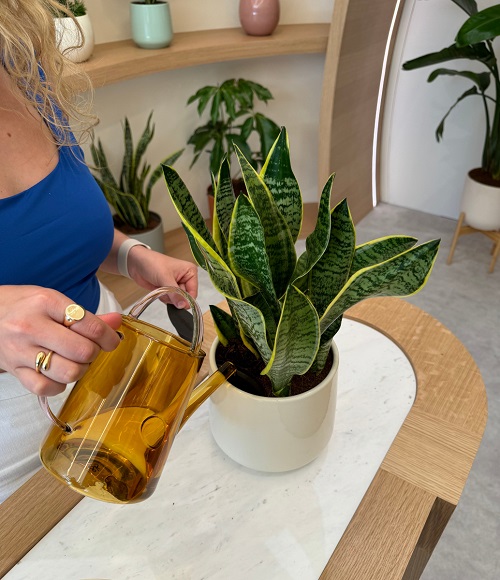
Snake plants are known for being easy to care for, but watering them the wrong way can still cause serious problems. Learning How to Water a Snake Plant So It Never Dies can help prevent root rot, yellow leaves, and slow growth. A few simple watering habits can keep your plant healthy for years.
Understand How Snake Plants Store Water
Snake plants are succulents. Their thick leaves store moisture that the plant uses during dry periods. This natural ability allows them to survive longer without water than most indoor plants. Because they already hold water inside their leaves, they do not need frequent watering. When the soil remains wet for too long, the roots cannot breathe properly. This often leads to root rot, which is the most common cause of snake plant death. Understanding this growth habit is the first step toward proper watering.
How to Water a Snake Plant So It Never Dies
1. Always Check the Soil Before Watering
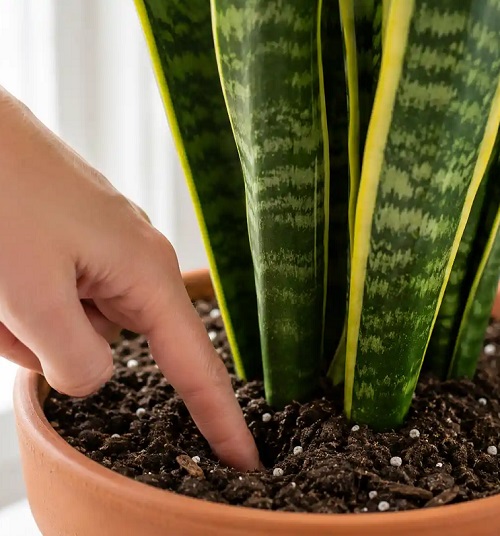
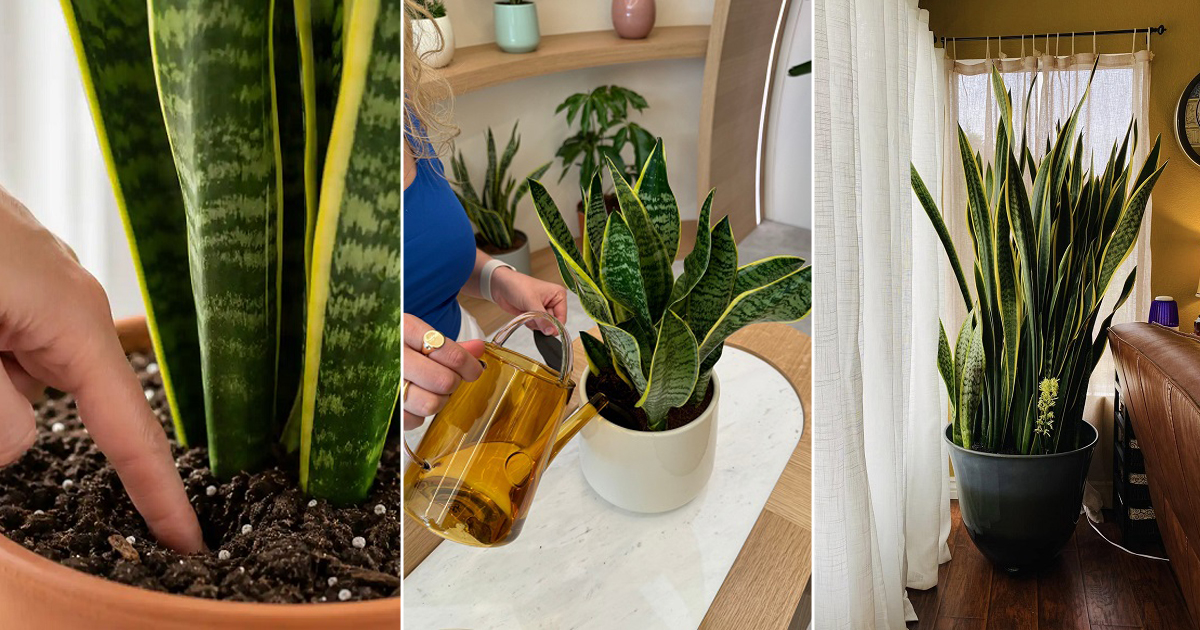
The best way to know when to water a snake plant is to check the soil. Push your finger two to three inches into the potting mix. If the soil feels dry at that depth, it is time to water. If you still feel moisture, wait a few more days and check again. Never water based only on a calendar. Temperature, light levels, humidity, and pot size all affect how quickly the soil dries. Checking the soil prevents accidental overwatering.
2. Water Deeply Instead of Giving Small Amounts
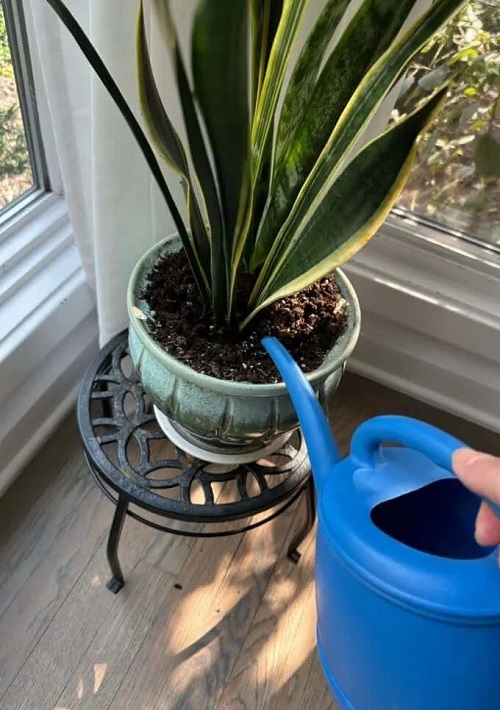
When your snake plant needs water, water it thoroughly. Pour water slowly around the soil surface until excess water drains from the drainage holes. This allows moisture to reach the entire root system. Avoid giving small sips of water every few days. Light watering only wets the top layer while leaving deeper roots dry. Deep watering encourages healthy root growth and helps the plant absorb moisture evenly throughout the container.
3. Let Excess Water Drain Away
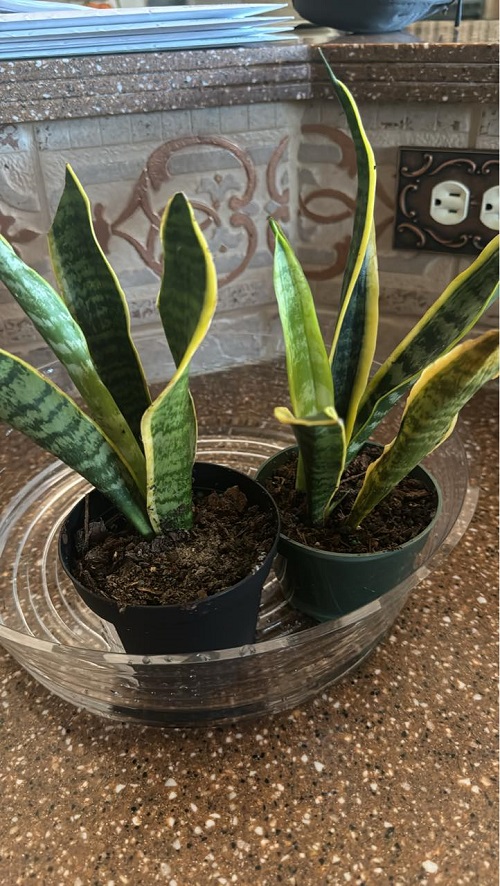
Drainage is just as important as watering itself. After watering, allow all extra water to flow out of the pot. Never let the container sit in a saucer filled with water for long periods. Standing water keeps the soil constantly wet and increases the risk of root rot. Empty any collected water from trays or decorative pots after watering. Healthy roots need both moisture and air to function properly.
4. Follow Seasonal Watering Changes
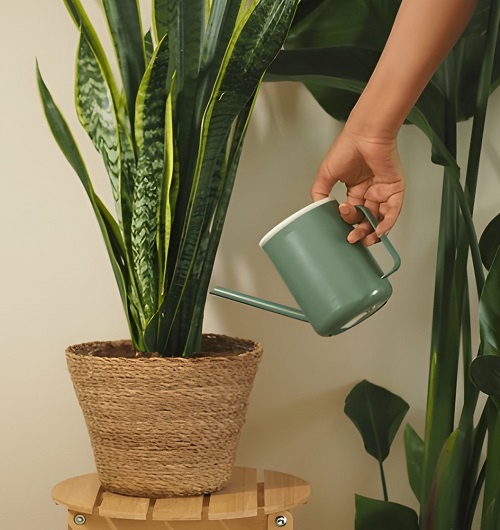
Snake plants do not need the same amount of water throughout the year. During spring and summer, when growth is active, watering is usually needed every 10 to 14 days. During fall and winter, growth slows down significantly. The soil takes much longer to dry. At that time, watering every 3 to 5 weeks is often enough. Always use soil dryness as your guide rather than following exact dates. Seasonal adjustments help prevent unnecessary watering.
5. Use the Right Potting Mix
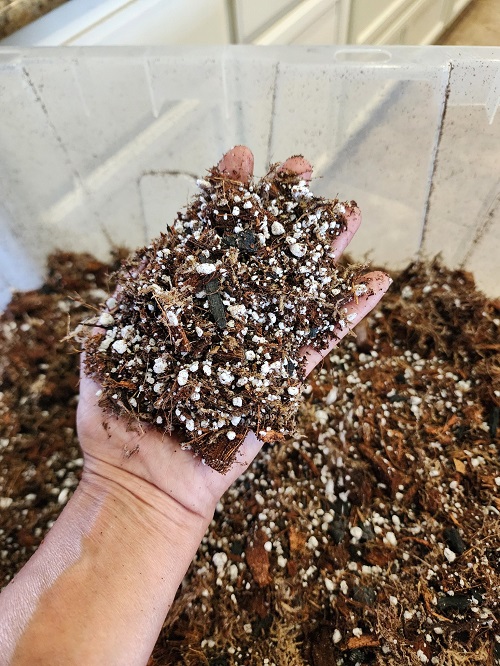
The type of soil affects watering success. Snake plants grow best in fast-draining soil that does not hold moisture for long periods. Cactus or succulent mixes work well because they allow excess water to move through quickly. Heavy garden soil or dense potting mixes stay wet longer and can damage roots. Good soil reduces the chances of overwatering and makes it easier to maintain a healthy watering routine.
6. Choose Pots With Drainage Holes
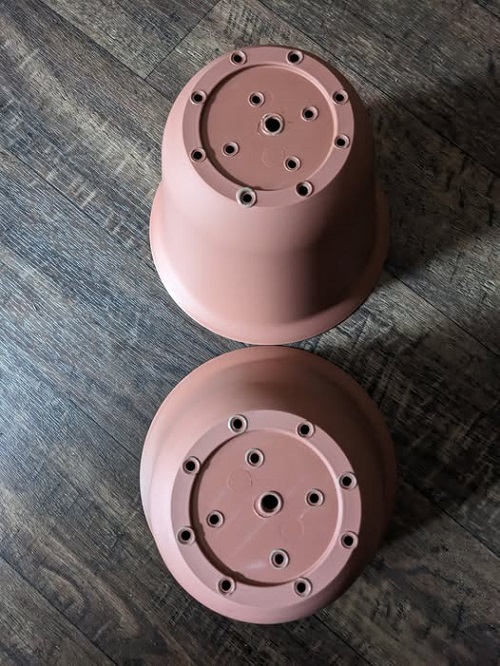
A pot with drainage holes is essential for snake plant health. These holes allow excess water to escape after watering. Without drainage, water collects at the bottom of the container and keeps roots wet for too long. Terracotta pots are especially useful because they absorb some moisture from the soil and help it dry faster. The right container makes watering safer and reduces the risk of root problems.
7. Watch for Signs of Overwatering
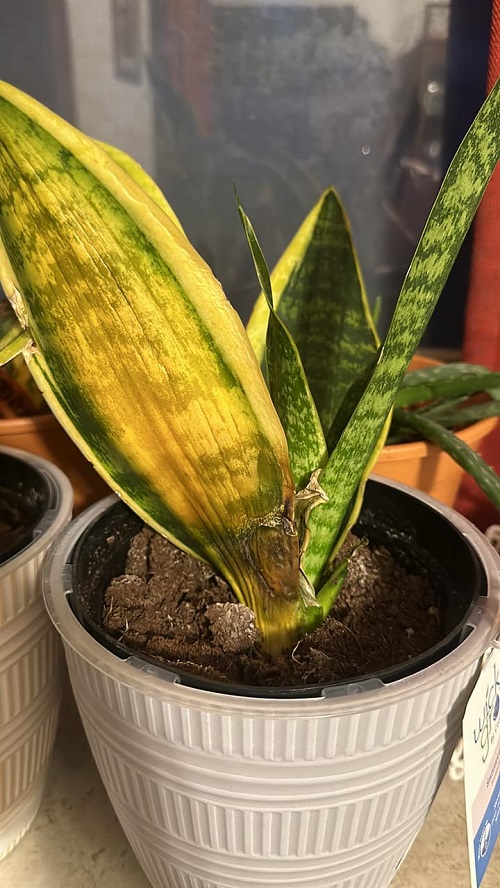
Overwatered snake plants often show warning signs before serious damage occurs. Leaves may become soft, mushy, yellow, or droopy. The base of the leaves may also feel wet or start to rot. A foul smell coming from the soil can indicate root rot. If you notice these symptoms, stop watering immediately and inspect the roots. Allowing the soil to dry can sometimes save the plant before the damage becomes severe.
8. Recognize Signs of Underwatering
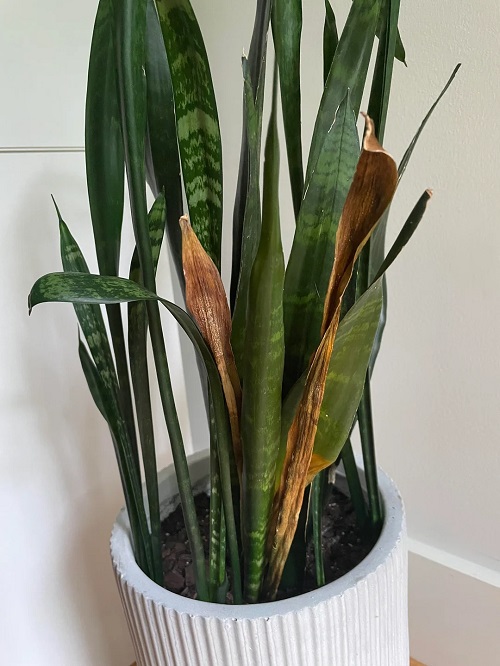
Although snake plants tolerate drought, they still need occasional watering. Extremely dry plants may develop wrinkled leaves or brown, crispy edges. The leaves can also appear thinner than normal because stored moisture has been used up. Underwatering is generally easier to correct than overwatering. A thorough watering followed by proper care usually helps the plant recover and regain its healthy appearance.
9. Avoid Watering the Leaves
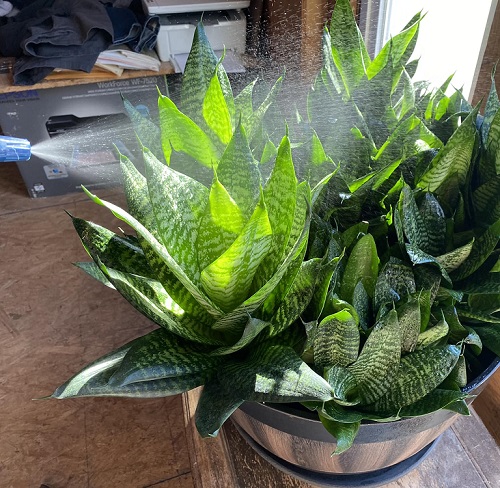
When watering a snake plant (Sansevieria), pour the water directly onto the soil and avoid getting the leaves wet. Water sitting on the leaves can cause problems, especially around new growth. As new leaves develop, they form small rosettes at the base of the plant. These rosettes can trap water, which may lead to rot and damage the plant. Always try to keep this area dry when watering. It is also best to use room-temperature water, as very cold or hot water can stress the plant.
10. Adjust Watering Based on Indoor Conditions
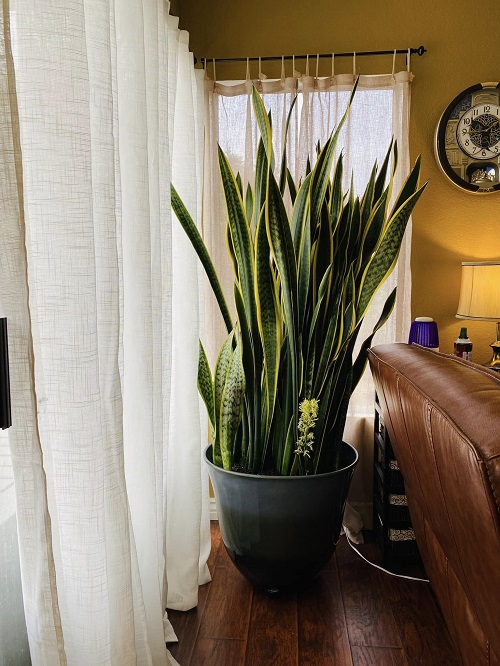
Indoor environments vary greatly from one home to another. A snake plant placed near a bright window may need water more often than one growing in a darker corner. Warm rooms and dry air also increase water use. Larger plants often use moisture faster than smaller ones. Observe how quickly the soil dries in your home and adjust your watering schedule accordingly. Paying attention to conditions helps you avoid both overwatering and underwatering.
The Simple Rule for a Healthy Snake Plant
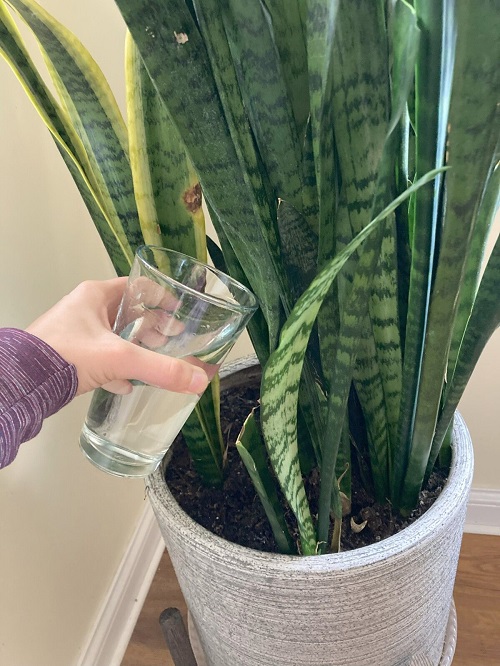
The easiest way to keep a snake plant alive is to water only when the soil becomes completely dry. Then water deeply and allow all excess moisture to drain away. This simple habit prevents the most common problems and keeps roots healthy. Snake plants thrive when they experience short dry periods between waterings. Following this approach helps the plant stay strong, upright, and attractive for many years.